From his installation in 1888 to his death in 1926, Claude Monet spent forty-three years in Giverny, which is half of his life. The famous series he produced there, Poplars, Haystacks, immediately placed his work under the sign of plants. This nature captured in the surrounding countryside will come closer to the painter who embarks with passion on the development of an exceptional garden. The image of Claude Monet as a gardener, with a straw or felt hat screwed on his head, is complemented by a new vision than that immortalized by Sacha Guitry in Ceux de chez nous (1915), which shows the artist as a notable, strapped in a three-piece white suit, painting water lilies at the edge of the pond. These two visions are complemented by a third, hitherto unknown: Monet botanist. It is given to us not by photography, but by real herbarium sheets collected in Giverny in the 90s by his son-in-law, Jean-Pierre Hoschedé (1877-1961), sometimes presented as his natural son.
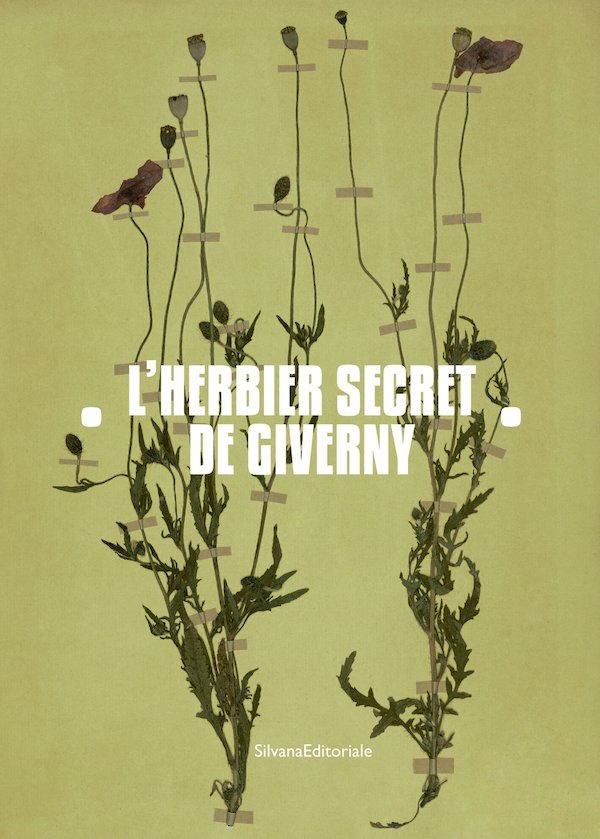
L’herbier secret de Giverny
credit Silvana Editoriale
credit Silvana Editoriale
credit Silvana Editoriale
Born from the marriage of Alice and Ernest Hoschedé, Jean-Pierre shortly precedes the second son of Claude and Camille Monet, Michel, born in 1878 and who died accidentally a few years after his eldest in 1966. Numerous drawings and paintings by the painter attest to the closeness of the two children who live under the same roof from their early childhood, even before settling in Giverny. The life of Jean-Pierre Hoschedé has so far been very little studied, unlike that of his sister Blanche, a painter herself, who accompanied Claude Monet until his last moments and lived on the Giverny property until his death in 1941.
credit Silvana Editoriale
credit Silvana Editoriale
credit Silvana Editoriale
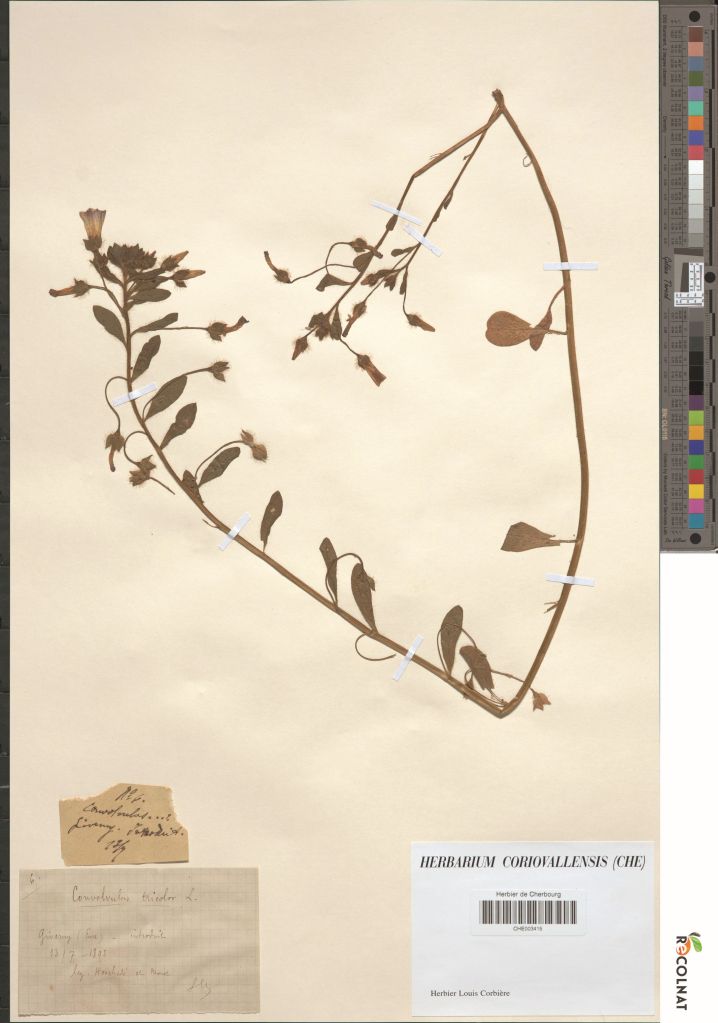
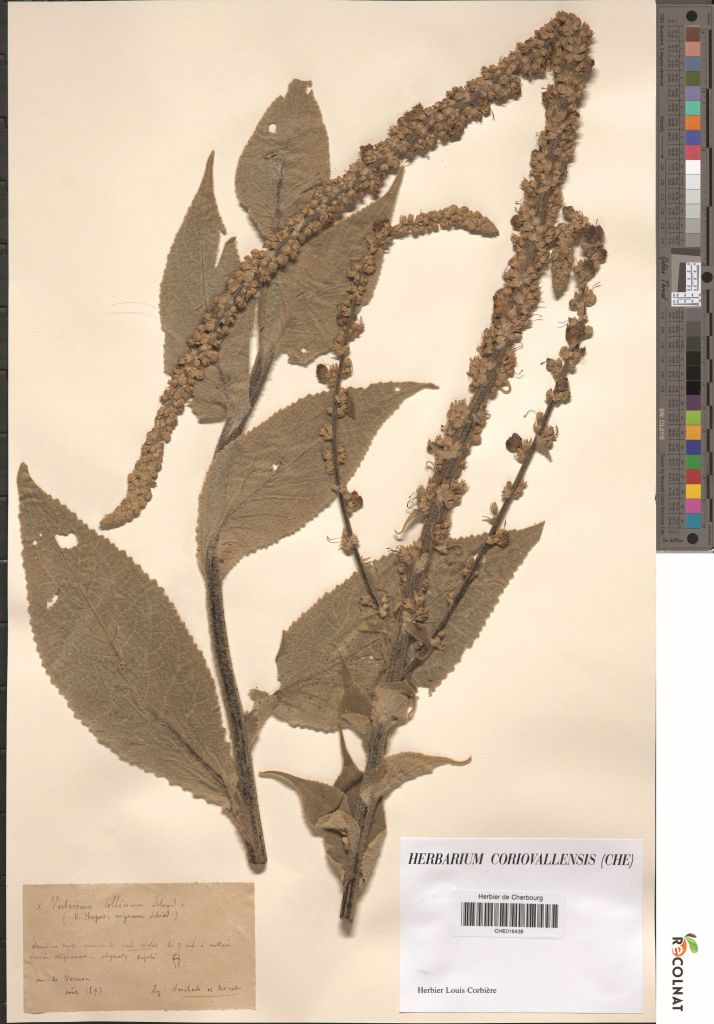
Proclaimed a member of the Botanical Society of France in 1901, Jean-Pierre Hoschedé will engage in a duo with the Abbé Toussaint in the study of Normandy vegetation, following the path opened by Louis Corbière, the first author of a Flore de Normandie. The two companions constitute a herbarium and carry out exchanges with the regional botanists of their time. We find boards in Cherbourg, Paris and Strasbourg.
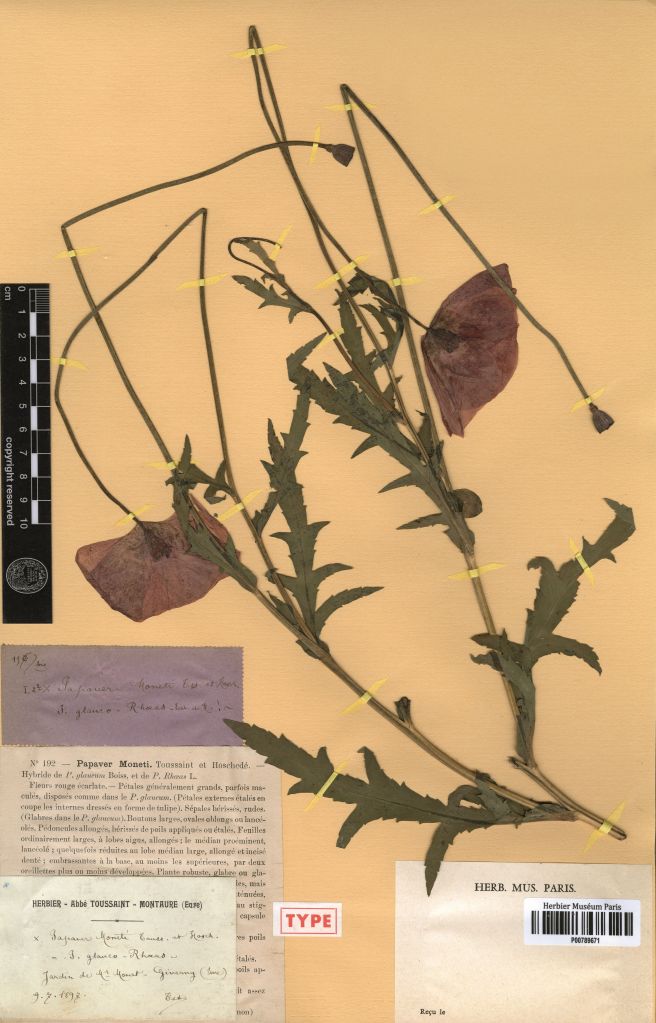
It is remarkable to note that many are the plates of this herbarium were collected in the garden of Giverny. Jean-Pierre Hoschedé publishes an atypical poppy specimen, finely baptized with the scientific name papaver moneti, the discovery of which he attributes to Claude Monet, “well-known painter” and “distinguished florist”. Starting from these specimens, and comparing them to the works painted by Claude Monet and Blanche Hoschedé – Monet, the book aims to highlight the scholarly microcosm that surrounds the two artists. It appears that Claude Monet himself collected plants from his garden and compiled herbariums, thus testifying to a thorough understanding of the plant kingdom which sheds new light on painting on the history of impressionism.
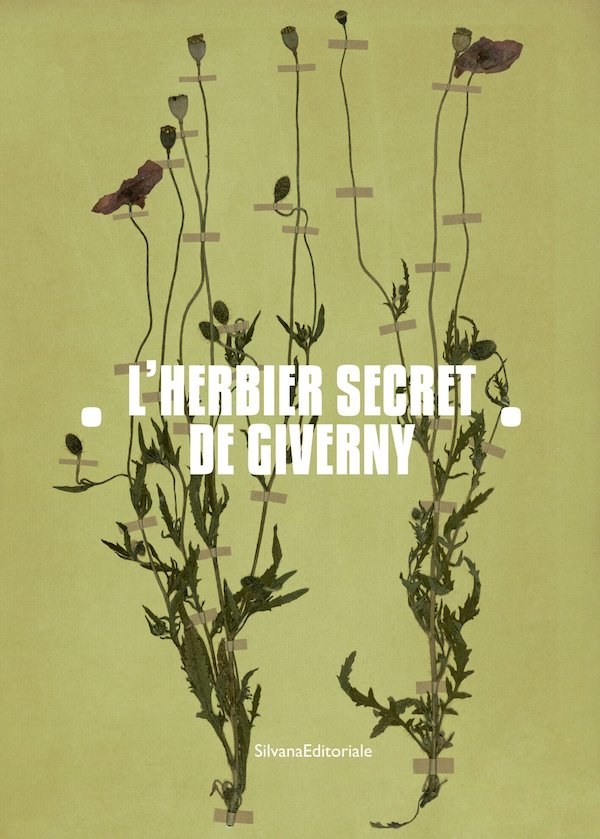
Book cover L’herbier secret de Giverny credit Silvana Editoriale
 The Flora Journal