The book “The Painted Garden”, written by Stefano Zuffi, an art historian, critic and curator, holding the position of cultural manager of the Amici di Brera Association and president of the Amici del Poldi Pezzoli Association, published by 24 ORE Cultura, is a journey in the name of botany designed to tell the story of the link between nature, art and myth. Through special enlargements on the details of famous masterpieces and works to discover, the book allows the reader to get to the heart of the painting, on a fascinating journey among trees, flowers and fruits in the world of art.
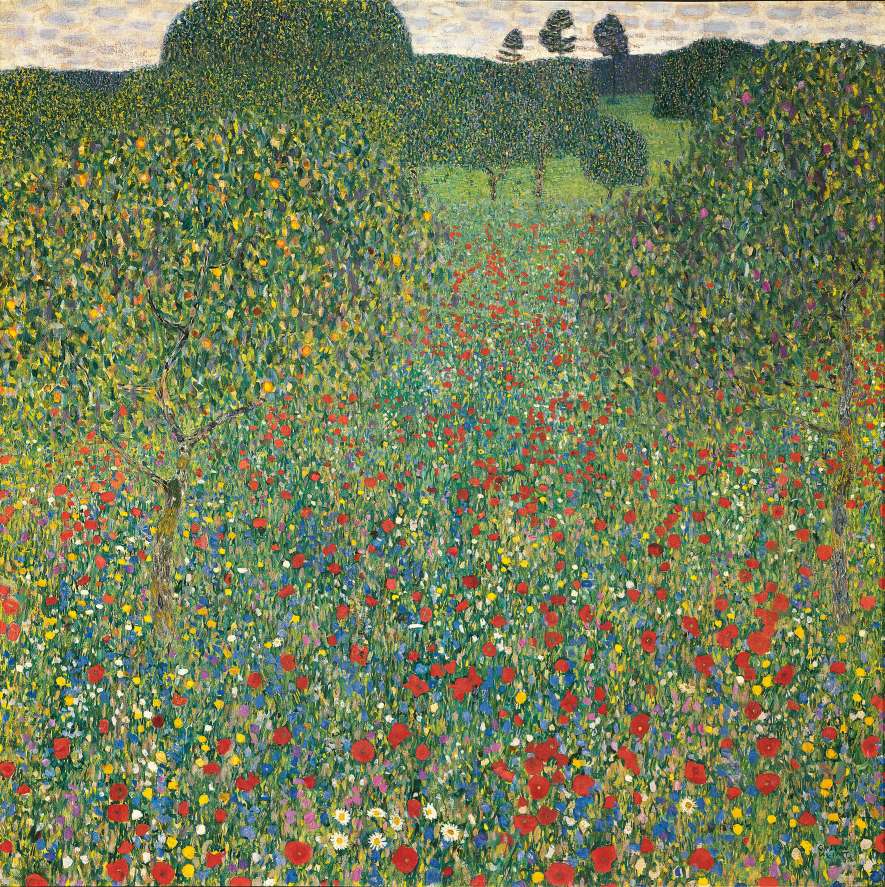
credit 24Ore Cultura
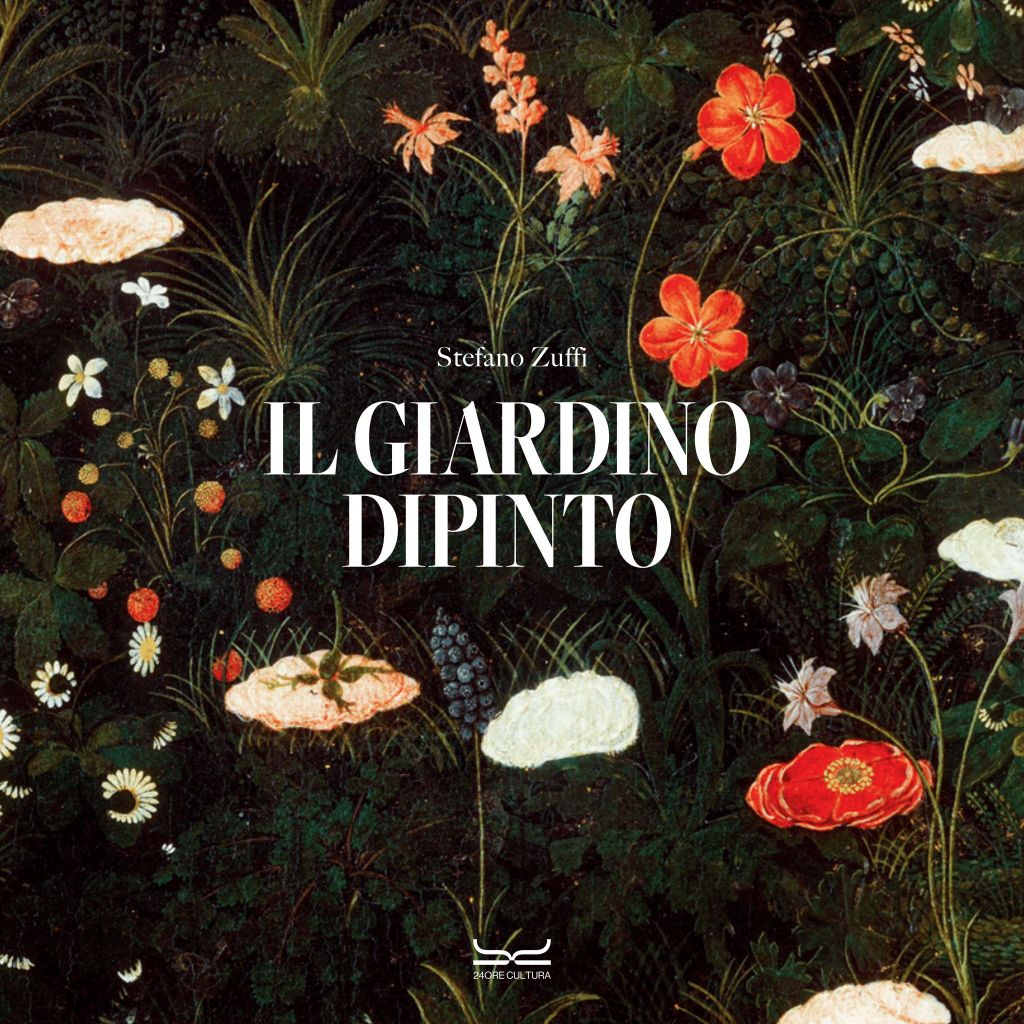
In the book, Stefano Zuffi guides the reader to discover these botanical species through a large collection of works of art, selected leaving room both for works by artists from great masters such as Monet, da Vinci, Titian and Klimt, and lesser-known paintings. From the laurel in Giorgione’s “Young Woman (Laura)”, to the tulip in Rembrandt’s “Saskia as Flora”, through the strawberry in Hieronymus Bosch’s “Garden of Earthly Delights”, each of the works is accompanied by a short and documented, useful for grasping the points of contact – whether obvious or hidden – between human creativity and botany. In addition to the paintings, for each species, the author also presents a collection of historical and literary references, ancient myths and symbolic meanings.
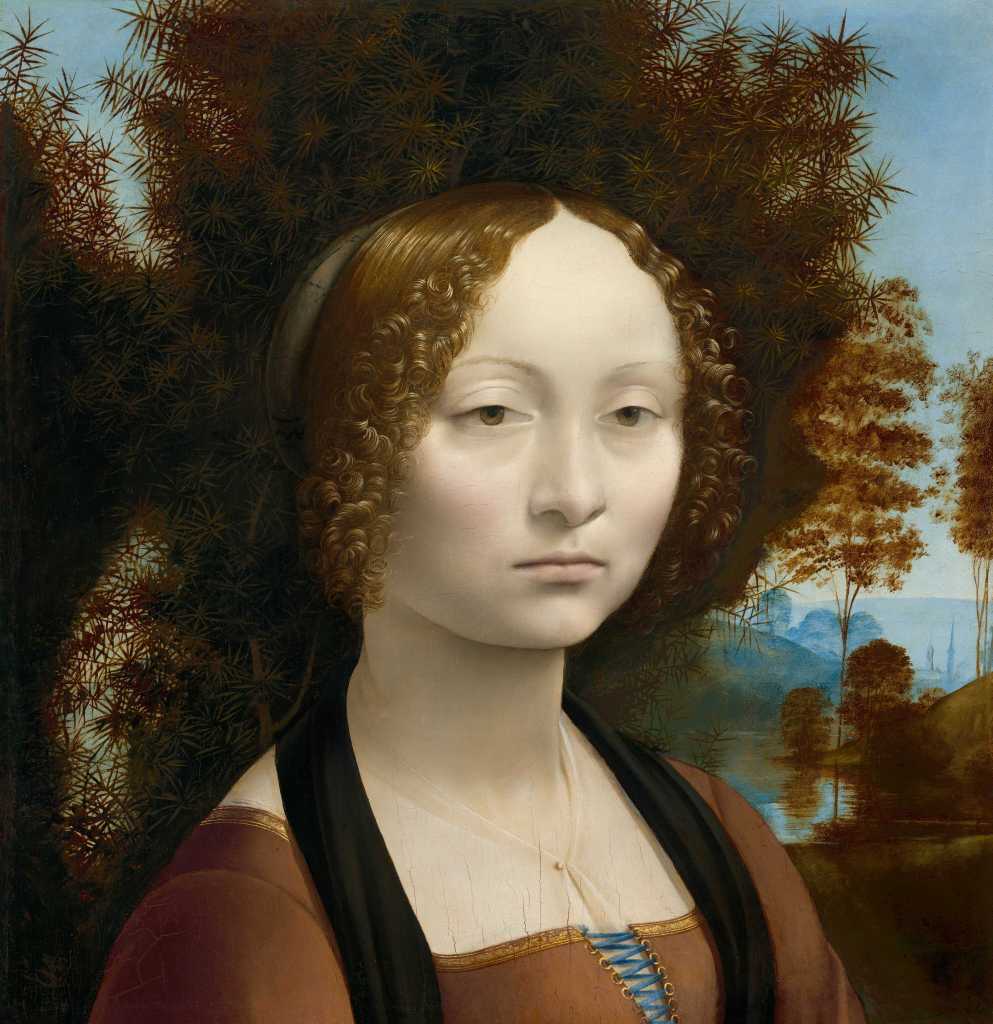
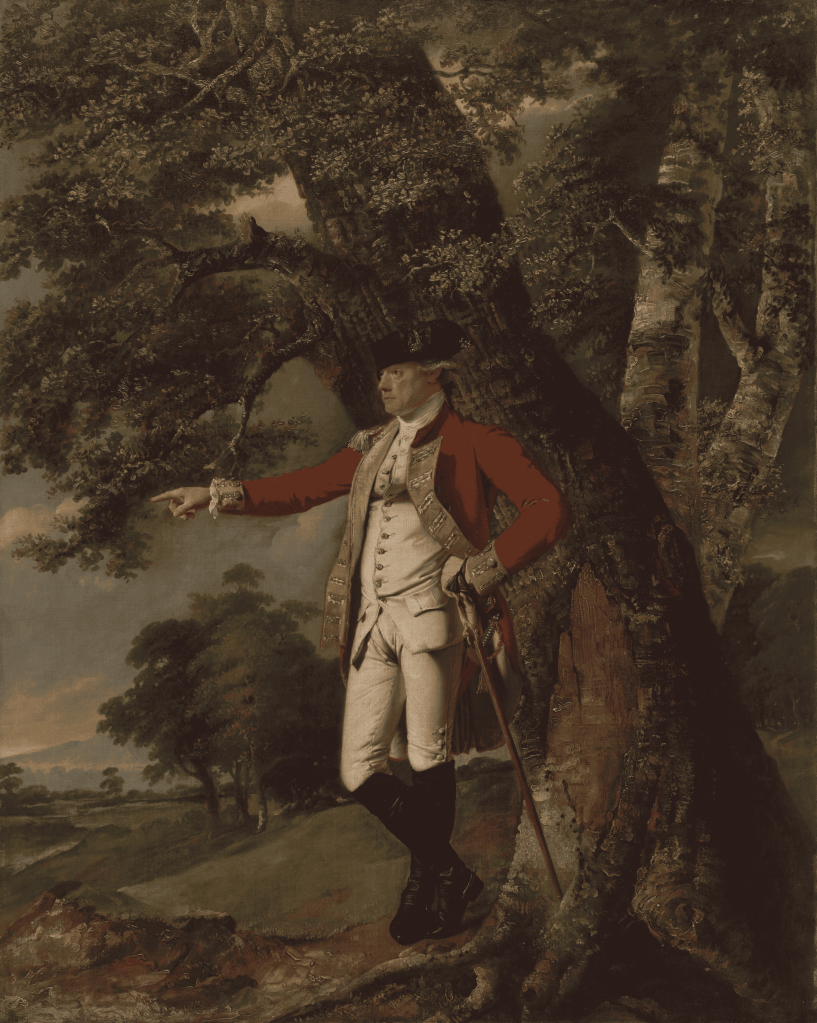
“What moves you, O man, to abandon your homes in the city, and leave your relatives and friends, and go to country places over mountains and valleys, if not the natural beauty of the world?” with these words, written by Leonardo da Vinci in his “Treatise on Painting”, the author chooses to accompany the first of the paintings contained in the volume. The choice to use the words of Leonardo, one of the most recognizable figures in the history of art, immediately draws the reader’s attention to the enormous influence that the “natural beauty of the world” has had on the lives of the great names of the past, in that cycle of mutual contamination that has always led to the encounter of art with the environment and nature.
The book concludes with an extensive summary of the complete works.
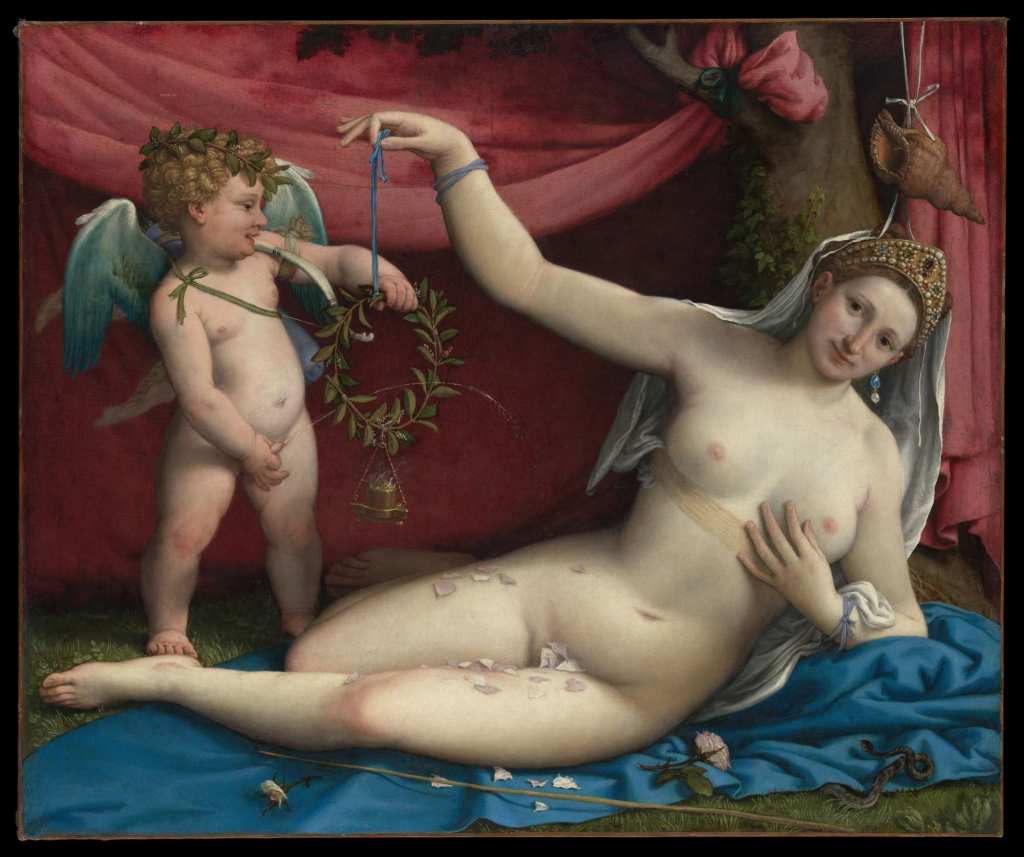
credit 24Ore Cultura
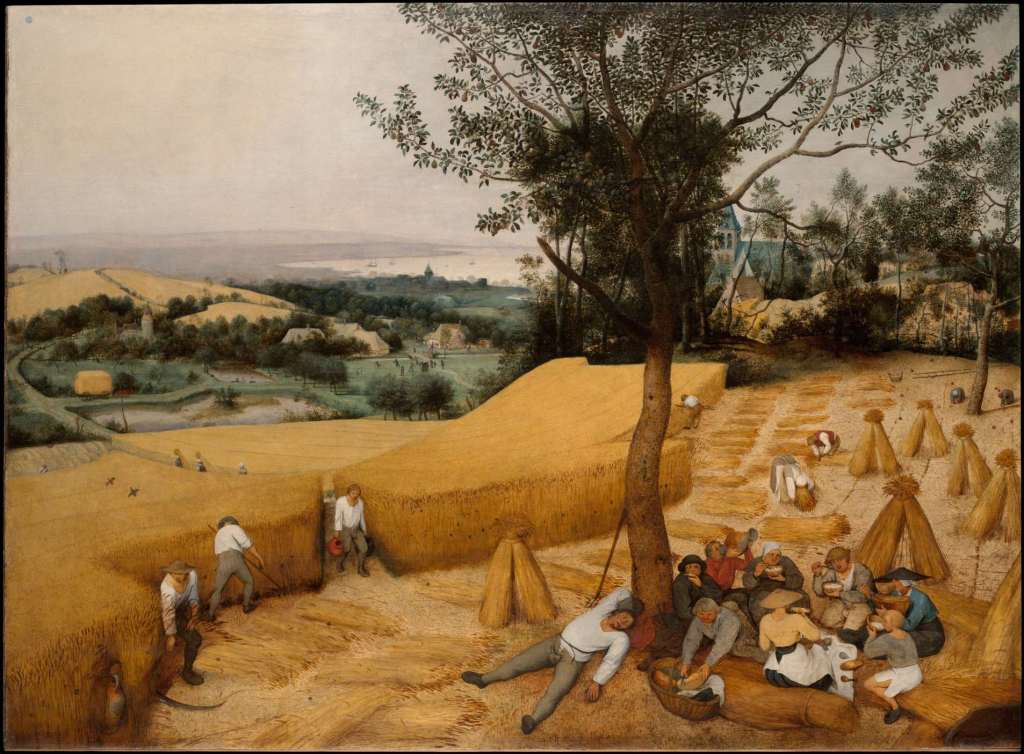
 The Flora Journal