Carl Linnaeus (1707–1778), often hailed as the father of modern biological taxonomy, revolutionized the classification of plants and animals through his development of the binomial nomenclature system. This system, still in use today, was popularized by Linnaeus, who personally classified thousands of species. His work is universally recognized, with the simple abbreviation “L” marking classifications originally made by him.
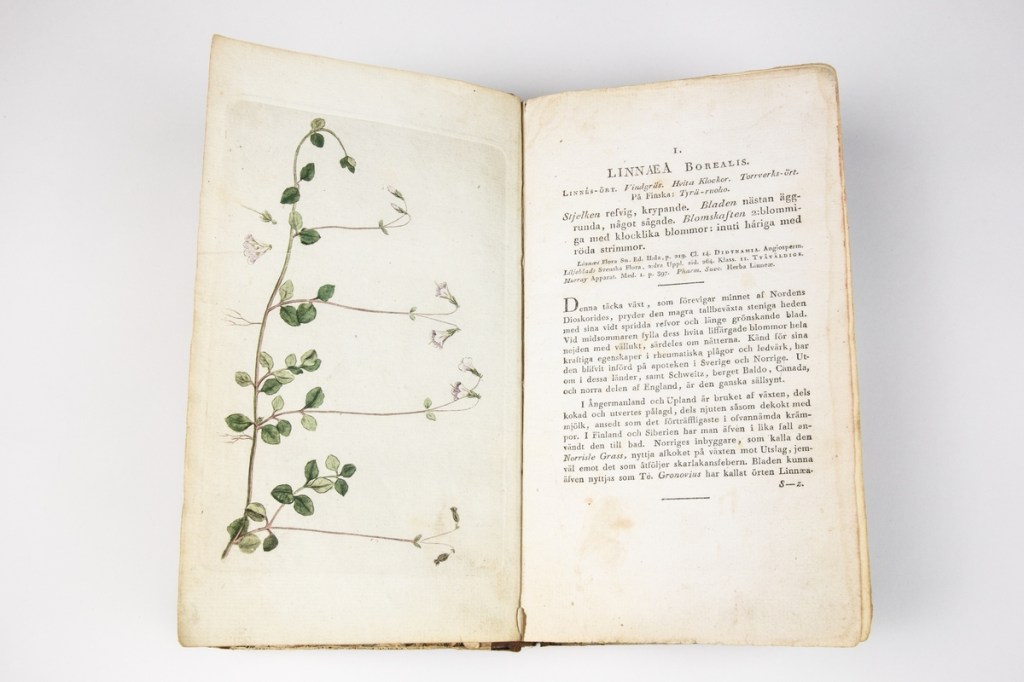
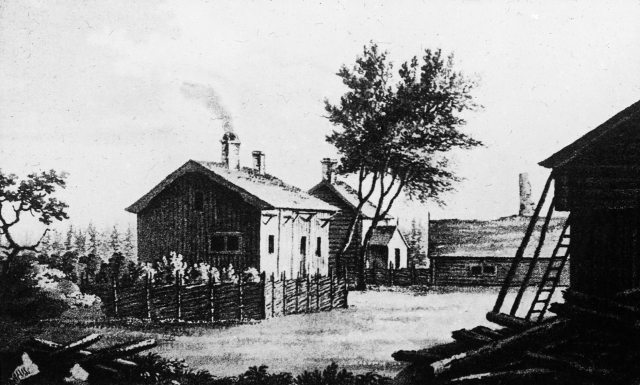
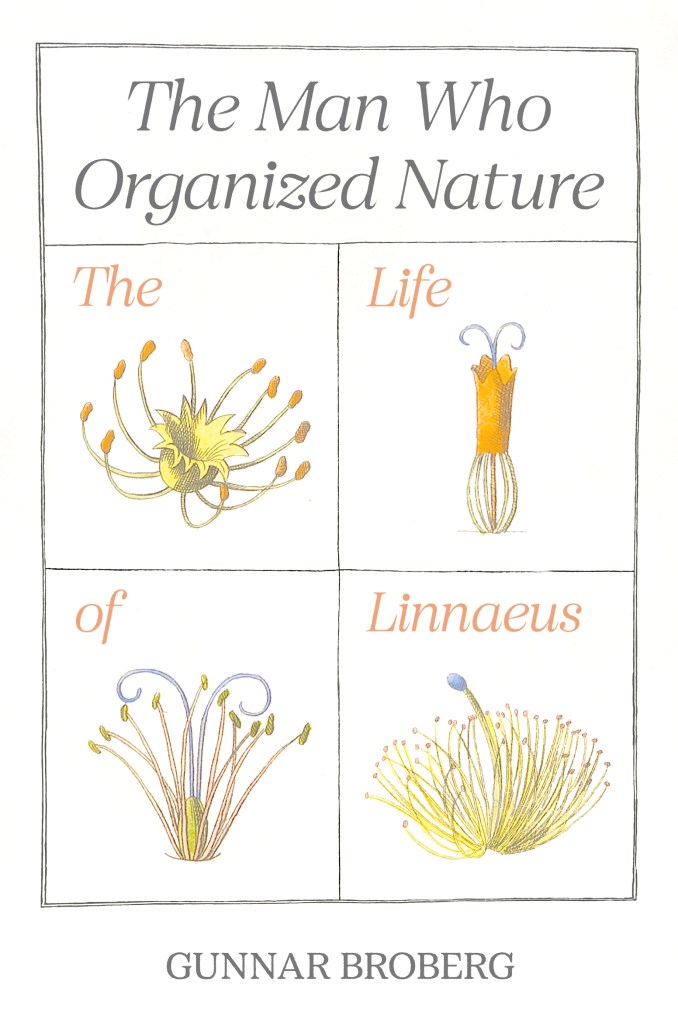
This biography, ‘The Man Who Organized Nature‘ authored by Gunnar Broberg, a leading expert on Linnaeus, offers an in-depth exploration of Linnaeus’s life and contributions. Drawing from a wealth of previously unpublished sources, including diaries and personal letters, as well as new research, the book provides a detailed account of Linnaeus’s personal and professional life. It sheds light on his family background, the political landscape that shaped his work, and his unconventional views on sexuality, which, contrary to popular belief, were not intended to reinforce traditional gender roles but rather reflected the more permissive attitudes of his time.

Unknown artist,
credit Småland Museum, Växjö

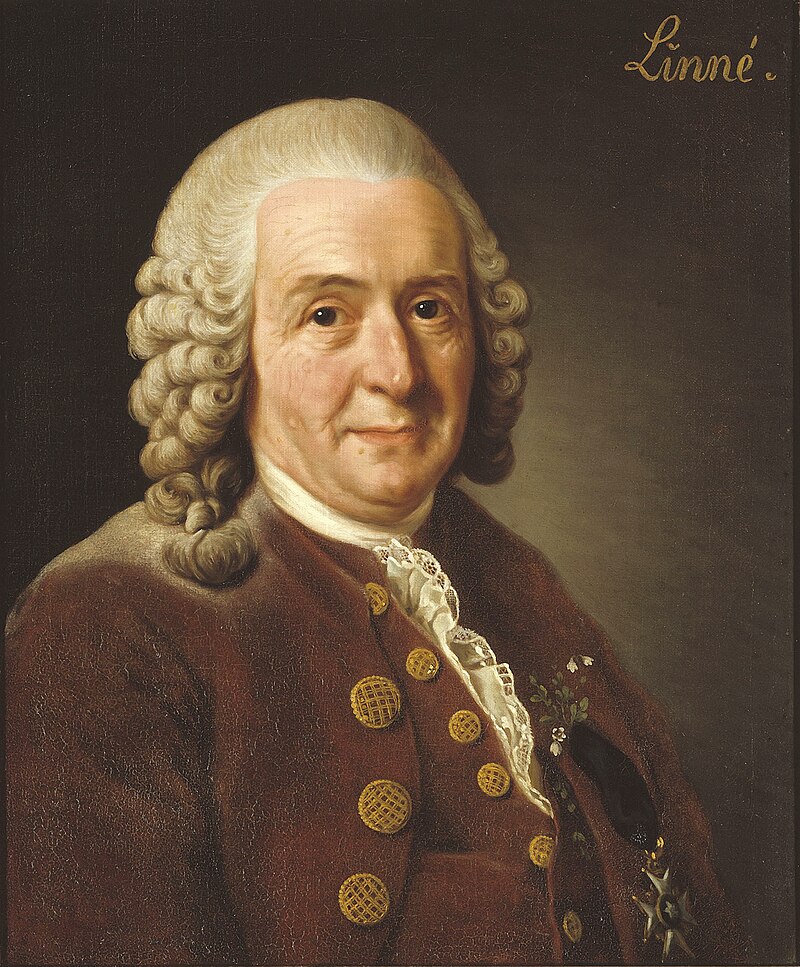
credit National Museum, Stockholm
The narrative also delves into Linnaeus’s childhood, spent in a region of extraordinary natural beauty that deeply influenced his later work. His father, a Lutheran pastor with a passion for gardening, played a crucial role in nurturing Linnaeus’s early interest in botany. The book further explores the political connections that enabled Linnaeus to secure the patronage necessary for his scientific endeavours and candidly discusses his human flaws, including his occasional moodiness and egotism.
Written in an engaging and accessible style, this biography—one of the few available in English—offers new and fascinating insights into the life of one of history’s most influential and enigmatic scientists. The book was published by Princeton University Press and translated by Anna Paterson, a retired neuroscientist and award-winning translator. Gunnar Broberg, the author, was a professor emeritus of history of ideas and sciences at Lund University in Sweden and received numerous accolades for his scholarly work.
 The Flora Journal