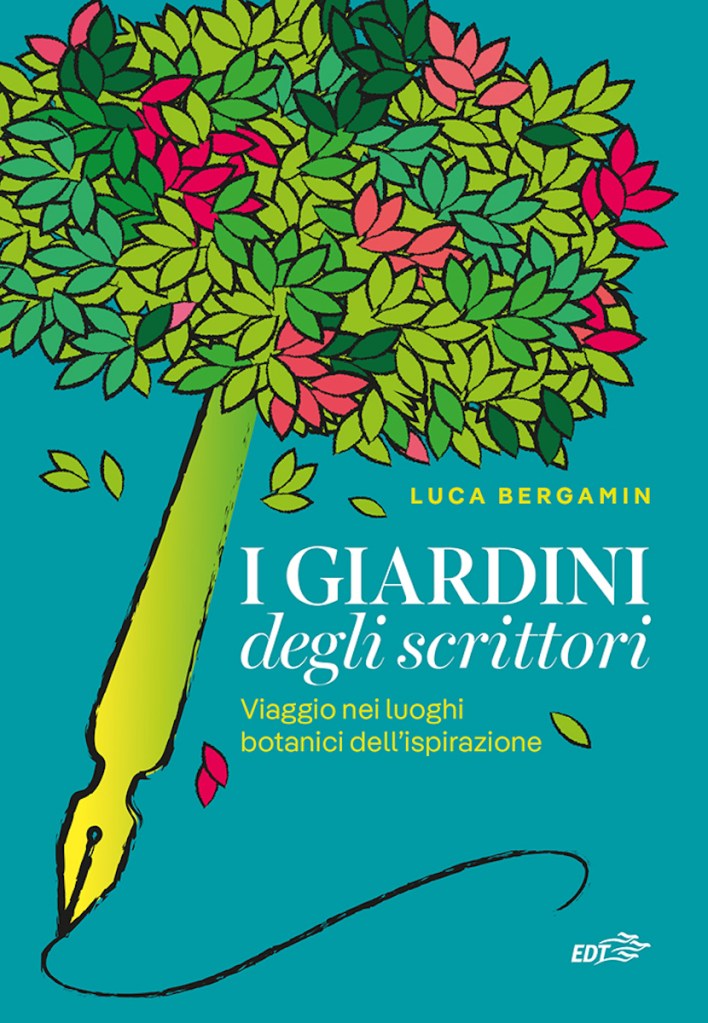
The book I giardini degli scrittori (The Writers’ Gardens), published by EDT and written by Luca Bergamin, embarks on a botanical journey to explore the gardens and passions that have inspired some of the greatest writers in world literature. This journey uncovers the deep connection between literary creation and the natural world, illustrating how many authors found inspiration for their works in the gardens they cherished and cultivated. The book asserts that “there can be no literature without a garden, and vice versa.”
Through his research, Bergamin uncovers the various ways these writers engaged with nature, tracing a path across the globe. From the lush islands of Samoa, where Robert Louis Stevenson surrounded himself with orchids, to the grand Arboretum of Boston praised by Robert Frost, the book presents a fascinating exploration of the places where words and plants intertwine. In Italy, the gardens range from the juniper-filled Sardinian landscapes that inspired Grazia Deledda to the chaotic botanical scene of Luigi Pirandello’s Sicily.
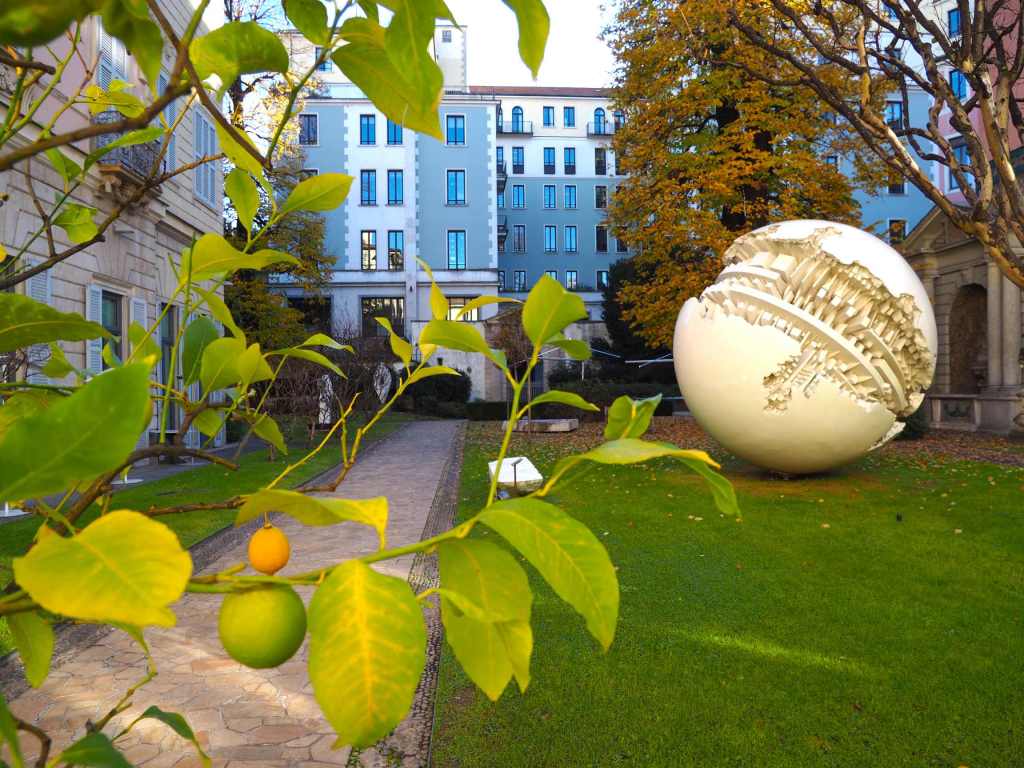
credit EDT Publisher
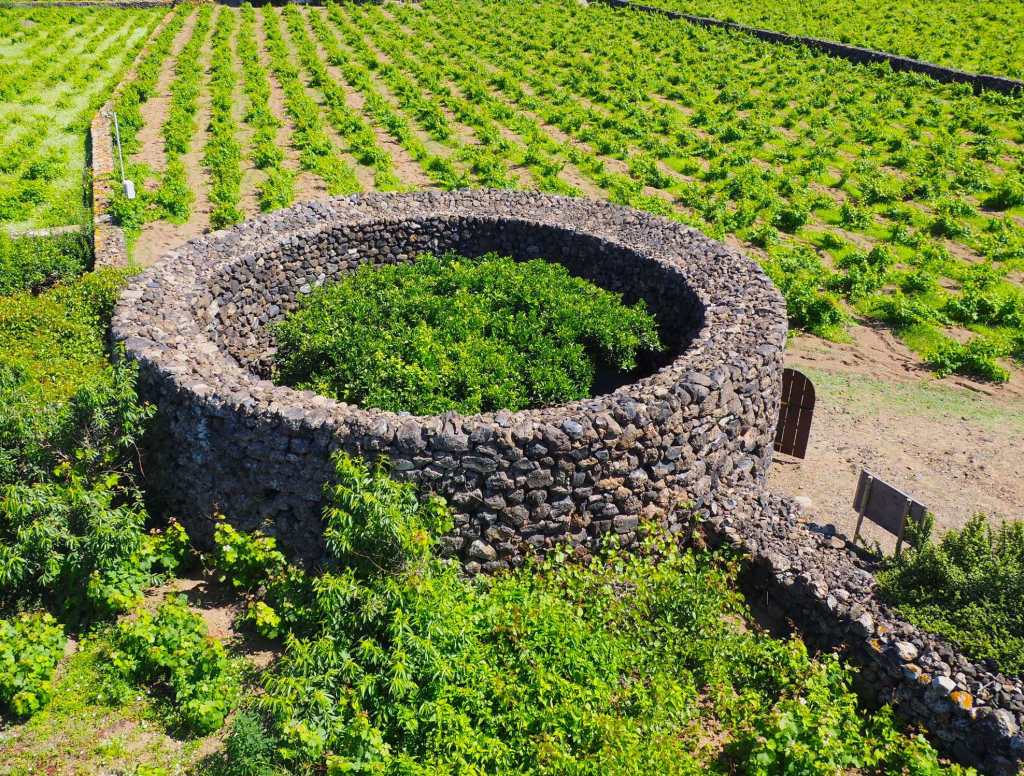
credit EDT Publisher
As a writer and traveller with a deep passion for landscapes and nature, Bergamin dives into the gardens of influential figures such as Johann Wolfgang von Goethe, Emil Cioran, Pablo Neruda, Roald Dahl, and André Gide. He leads readers through the rose gardens of Massachusetts and the palm groves of Florida in the company of Emily Dickinson and Ernest Hemingway. He even enters the Tolstoy estate, exploring the apple orchard that the great Russian author redesigned in memory of his mother. Bergamin delves into the floral obsessions of literary giants like Henry James, Agatha Christie, Virginia Woolf, and Seamus Heaney.
Moreover, the journey extends to India, where Bergamin sits under the shade of a ficus tree, reading in a garden once cherished by Rabindranath Tagore. In Colombia, he navigates the rich and verdant landscapes that influenced Gabriel García Márquez, exploring the iconic trees and plants that deeply shaped the author’s magical realism.
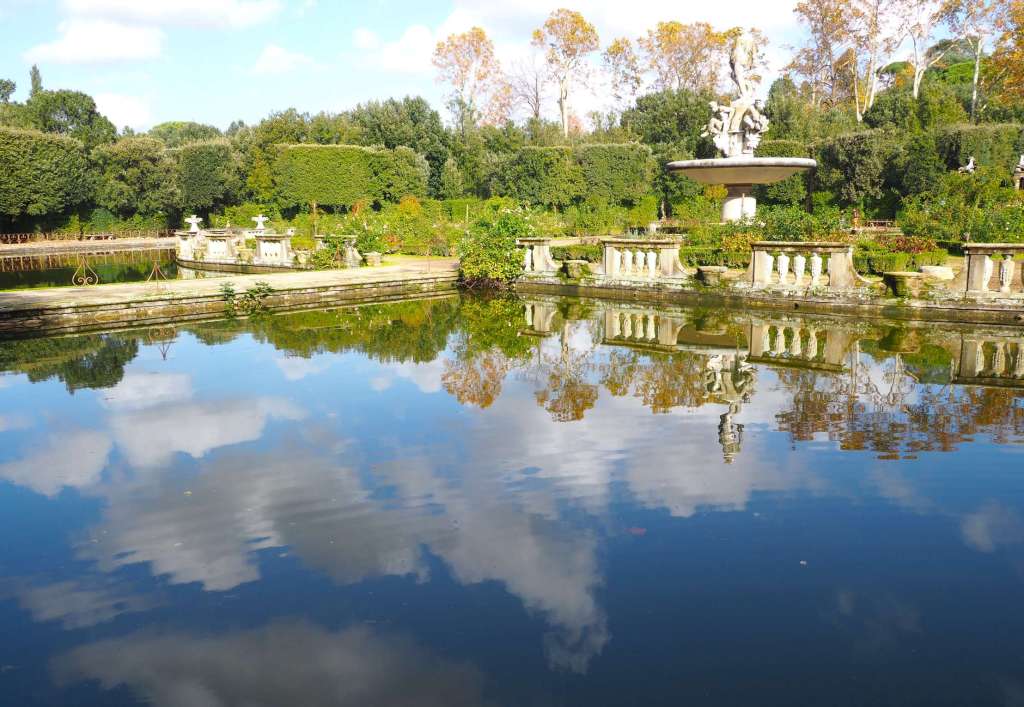
Italy plays a prominent role in this botanical tour, with significant gardens and parks tied to the country’s literary history. From the Reggia di Caserta, a royal park much loved by the poet Eugenio Montale, to the famed Villa Medici in Rome, where the French writer François-René de Chateaubriand would walk and reflect. Other notable Italian gardens include those of Milan, where journalist Indro Montanelli would seek peace, and the Boboli Gardens in Florence, where even Fyodor Dostoevsky would sit to write.
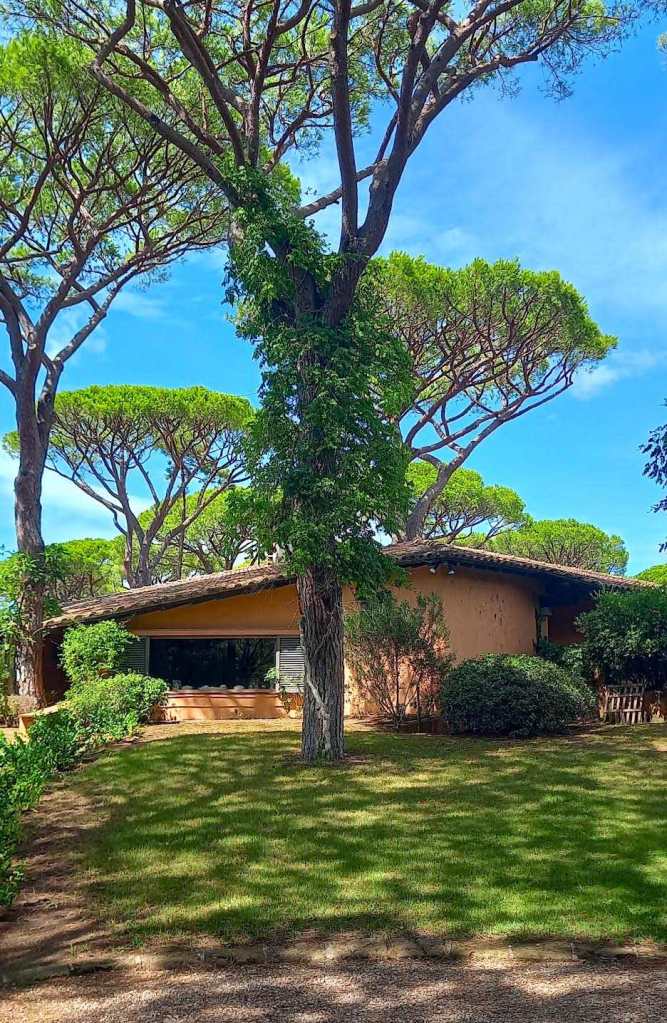
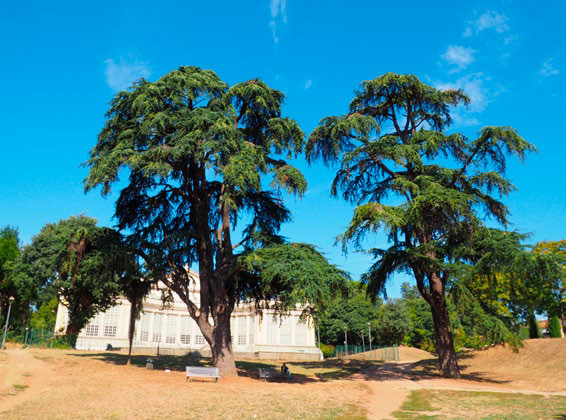
The book captures a world where the marvels of nature and literature continually surface, pushing their roots into the minds of readers and travellers alike. Through vivid descriptions and personal insights, Bergamin not only reveals the beauty of these gardens but also the seeds of creativity that took root in the hearts of the writers who frequented them. These green sanctuaries, alive with history and memory, continue to inspire and offer refuge to anyone who enters, showing how intimately intertwined literature and nature truly are.
This text takes us on a detailed voyage through time and space, offering a deep appreciation for how nature shaped the literary landscapes of the world. Whether among the palm trees of the Americas or the rose gardens of Europe, The Writers’ Gardens is a celebration of both literary heritage and the enduring power of the natural world to inspire great art.
 The Flora Journal