In the centennial year marking Jo van Gogh-Bonger’s sale of Vincent van Gogh’s famous ‘Sunflowers’ painting to the National Gallery in London, the Dutch government has officially granted National Park status to the Van Gogh National Park. This recognition not only elevates the area but also serves as a significant driver of regional development, fostering a sustainable environment for people, plants, and animals alike.
credit Visit Brabant
Van Gogh National Park is the first of its kind in the Netherlands, adopting an innovative approach. It is not just a park that showcases natural beauty and landscapes but also a place where governments, organizations, farmers, and businesses collaborate to strengthen both the landscape and biodiversity.
Martijn van Dam, Chairman of Van Gogh National Park, stated: “We are immensely proud that Brabant will be the first region to establish a National Park of this new style. The area where Vincent van Gogh grew up and painted his first masterpiece, ‘The Potato Eaters’, will officially become a National Park bearing his name.”
A Landscape for the Future
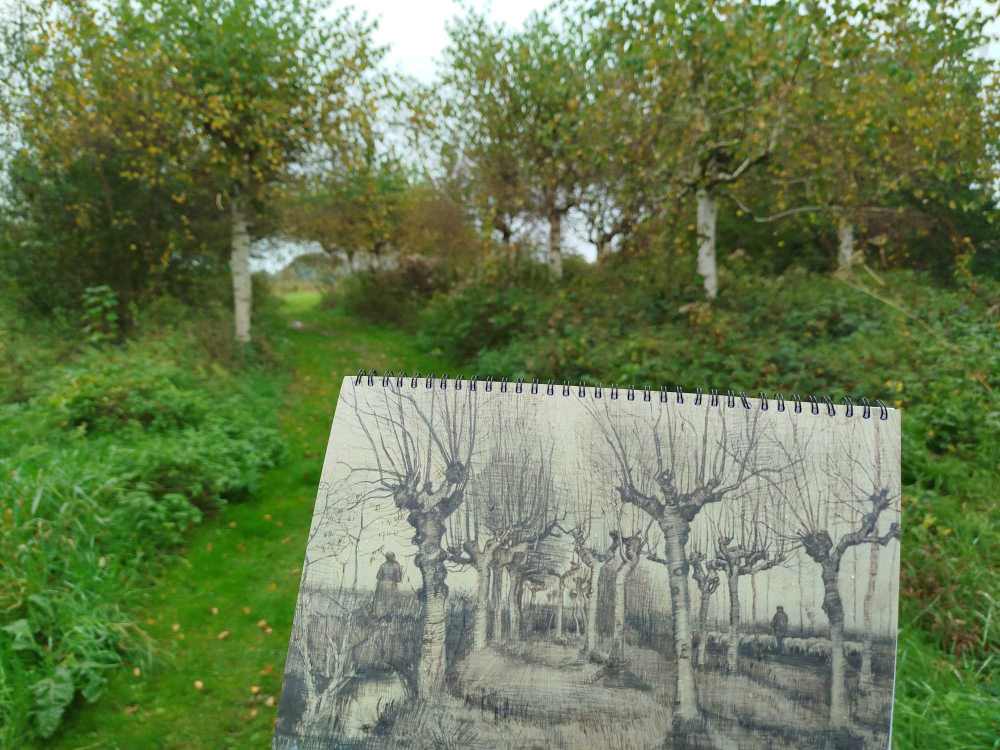
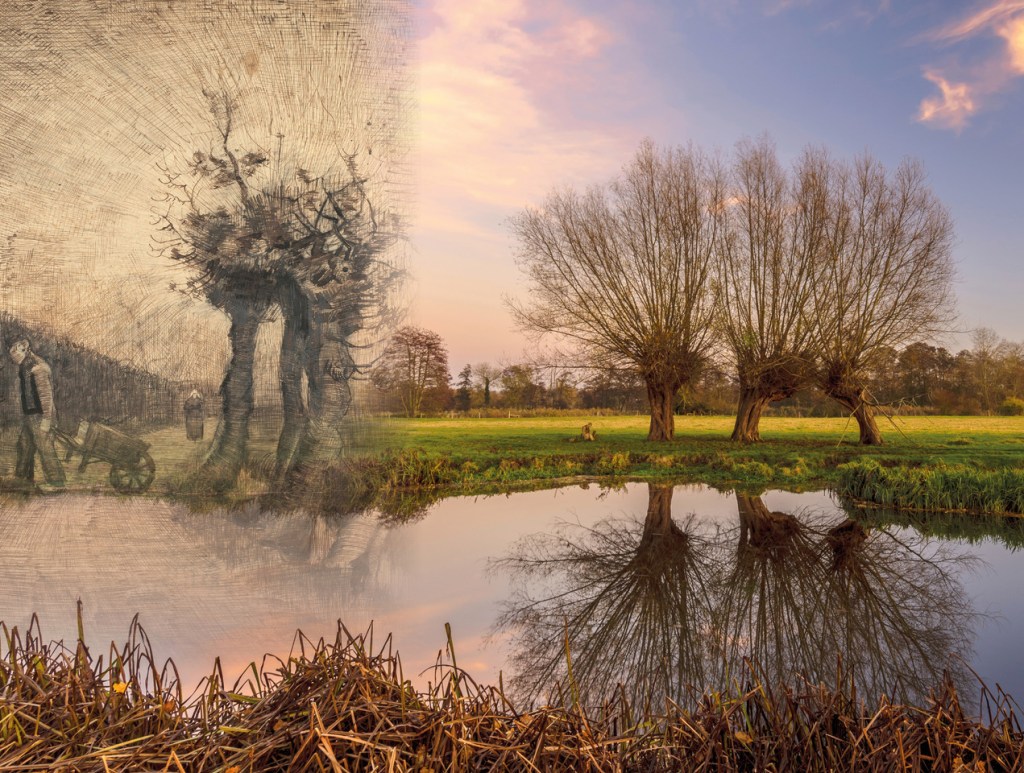
Van Gogh National Park is a breathtaking area where visitors can enjoy the tranquillity of nature and the landscape. At the same time, it is a place where various partners work together to shape the landscape of the future, creating multifunctional solutions that benefit nature, the regional economy, public health, and well-being. Wilma Dirken, Deputy of North Brabant, remarked: “The combination of leading nature reserves, an attractive agricultural-cultural landscape, a thriving economy, and the tangible legacy of Van Gogh makes Van Gogh National Park truly unique.”
Green thread through Van Gogh Nationaal Park
Frank van den Eijnden, Operations Director of the Park described that Van Gogh Nationaal Park, planned by award-winning studio West 8, founded by Adriaan Geuze is working on five interconnected programs. With Brabant Behaagt, the partners aim to develop 1000 kilometers of hedges, ponds, and trees in agricultural areas, partially combined with walking paths. This program is literally the green thread through all activities in the region and is seen as the link between nature reserves and urban development. In Brabants Bodem, the collaborating organizations are developing new revenue opportunities (ecosystem services) for agricultural entrepreneurs in rural areas. At Brabants Versailles, the tree cultivation sector is working with partners on a plan for sustainable business practices, enhancing the landscape, finding water solutions, and creating recreational opportunities. Brabant Beleeft is the program focused on sustainable tourism, recreational zoning, and accessibility (such as walking paths through farmland). With Brabant Groeit, cities are working together with the real estate sector on a nature-inclusive and green development of housing projects, as well as the sustainability and greening of industrial areas.
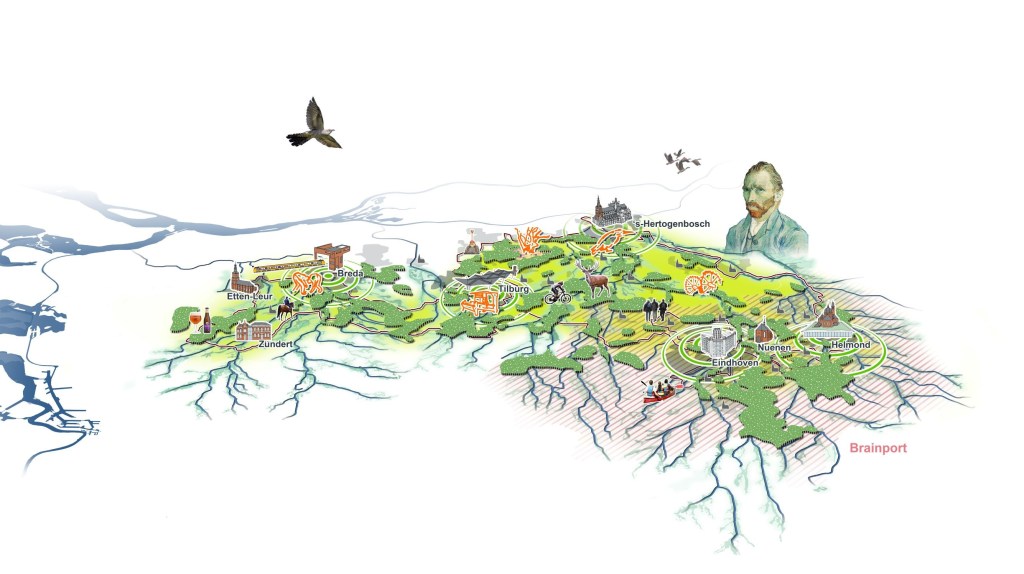
The park is located between the cities of ‘s-Hertogenbosch, Helmond, Eindhoven, Tilburg, and Breda, and brings together approximately eighty partners experimenting with new ways to green the region, extending into urban centers and villages. The park encompasses 46 Van Gogh monuments and museums across Nuenen, Zundert, and Etten-Leur, areas that played pivotal roles in the artist’s life and work. In these locations, Van Gogh’s heritage and life are intertwined with a deep appreciation for nature, landscapes, and rural life.
The Villages of Van Gogh
– Etten-Leur: This village is where Van Gogh officially began his artistic career in 1881. During his time here, he created numerous sketches and paintings depicting peasant life and rural scenes. Today, Etten-Leur honours its connection to the artist with monuments and exhibitions that reflect his early artistic explorations.
– Zundert: The birthplace of Vincent van Gogh, Zundert is where the artist was born in 1853 and spent his early years. The rural landscape and agricultural life of Zundert greatly influenced his early work. The village is home to the ‘Van Gogh Huis’, a museum located at his birthplace that offers insight into the formative years of the young artist.
– Nuenen: Perhaps the most significant location tied to Van Gogh’s mature period in the Netherlands, Nuenen was where he lived between 1883 and 1885, creating some of his most important works, including ‘The Potato Eaters‘. The village preserves over 24 locations and monuments associated with Van Gogh’s time here, including his residence and the landscapes that inspired his paintings. Today, Nuenen is a centre dedicated to celebrating the artist’s life and work.
The Year of the Sunflower
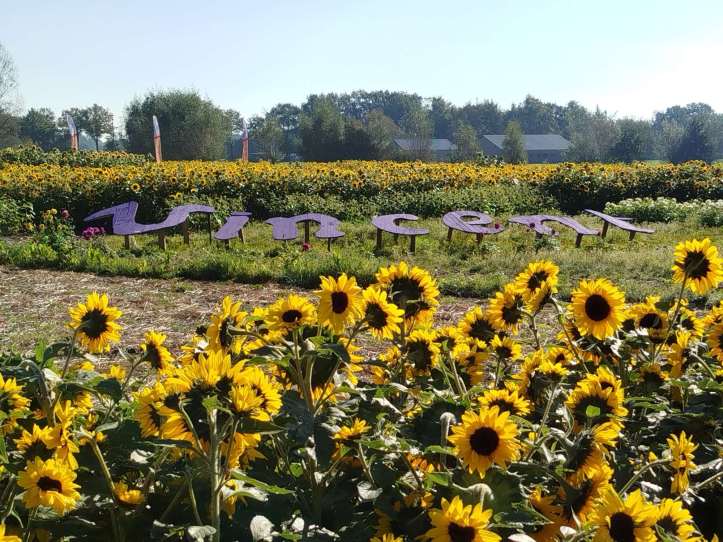
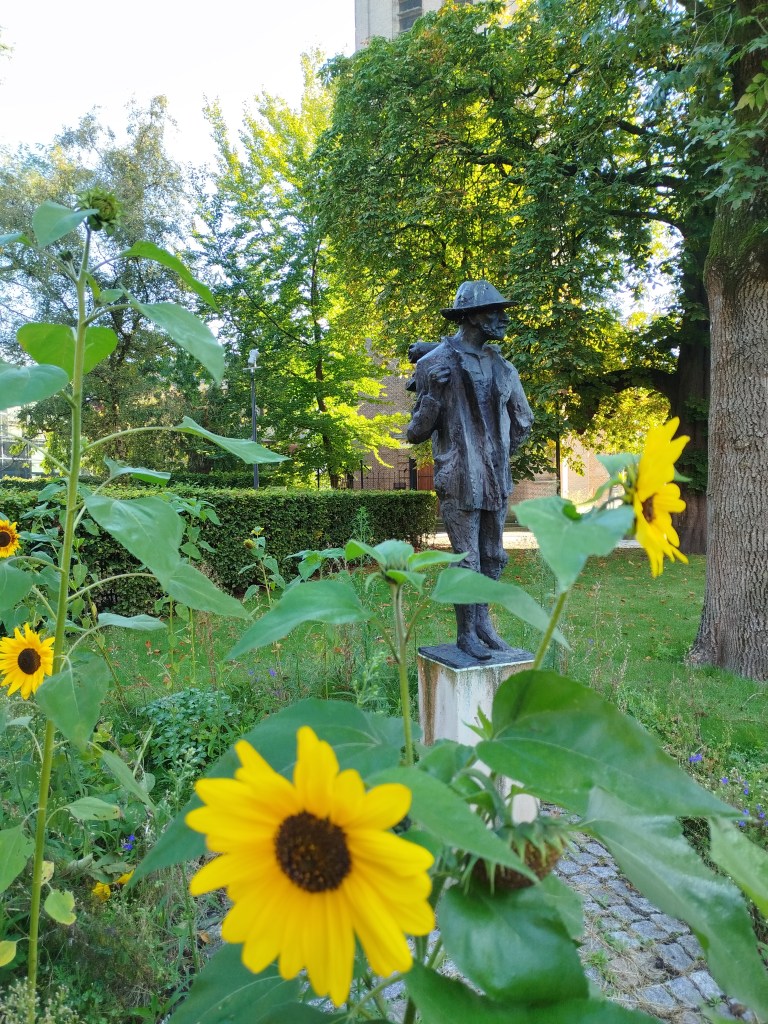
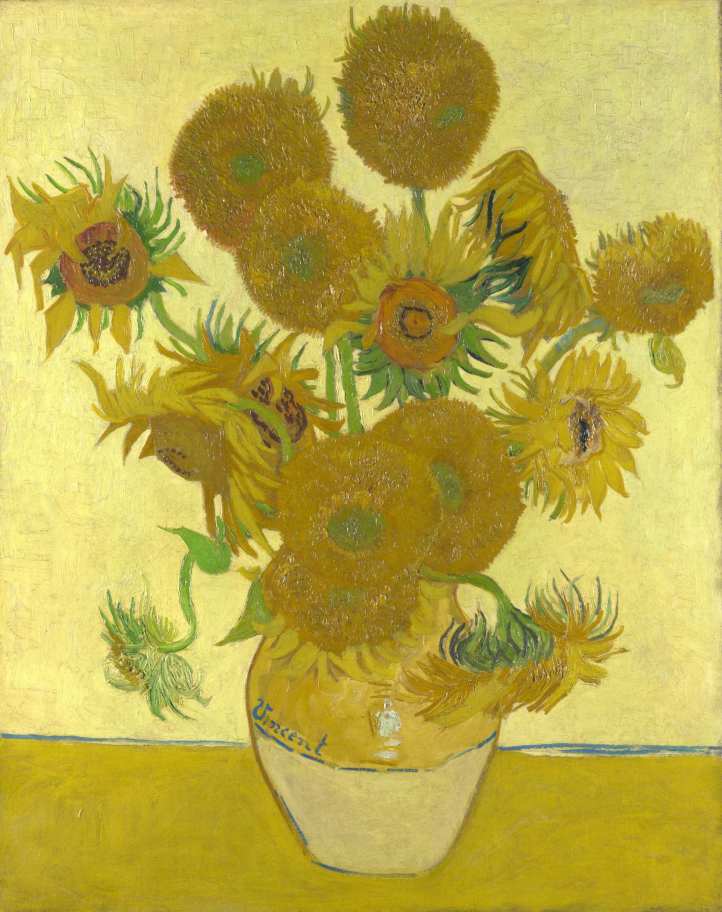
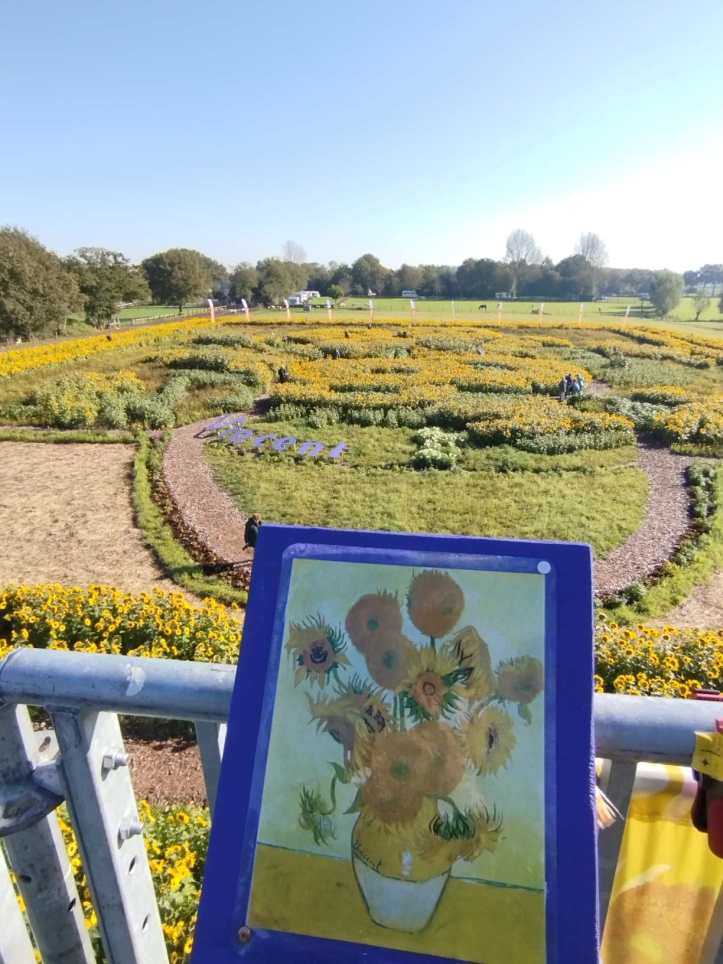
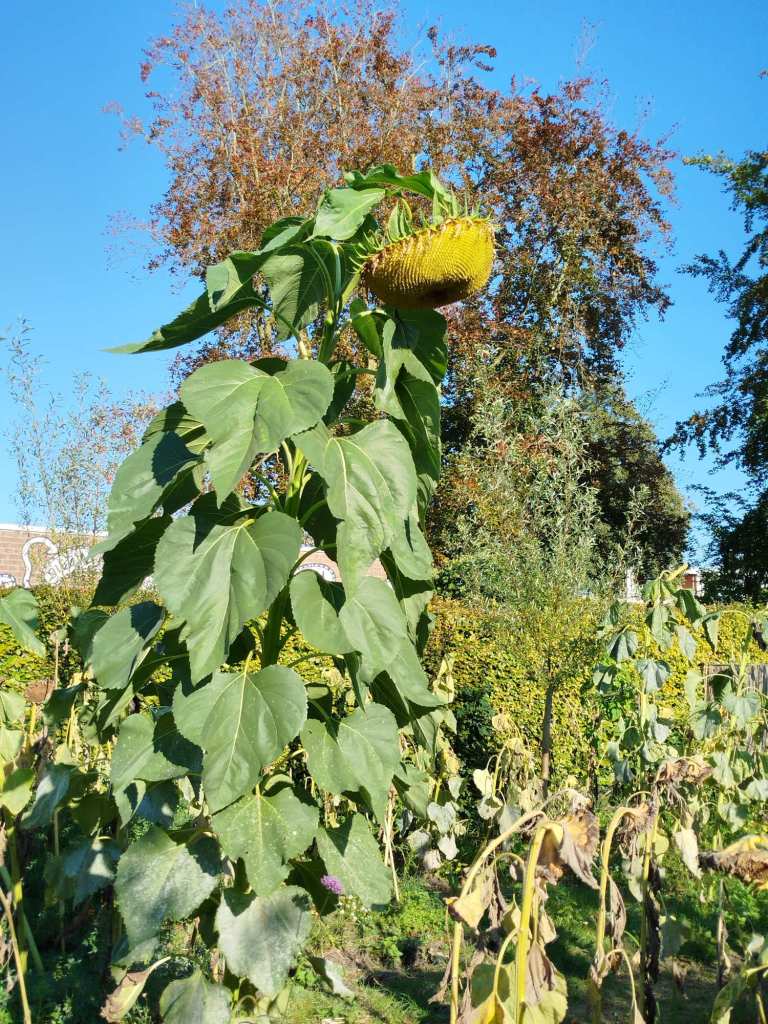
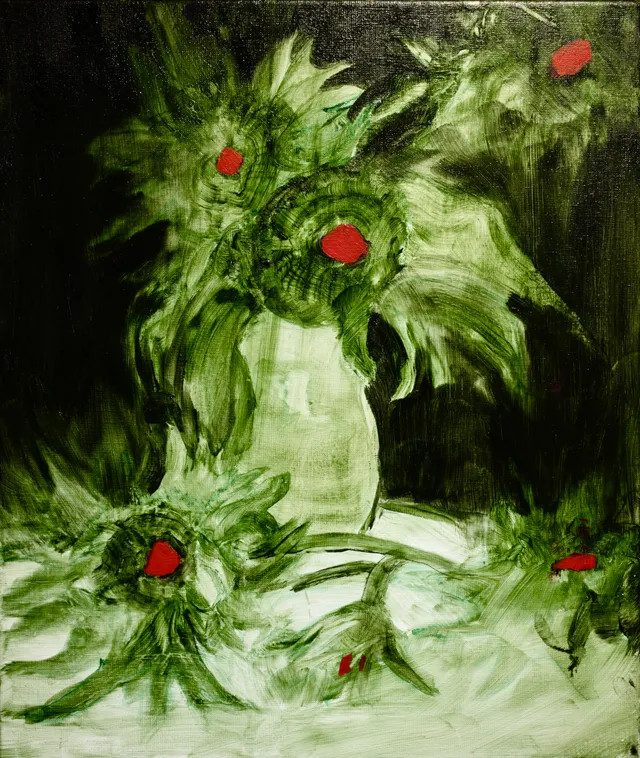
In celebration of ‘The Year of the Sunflower’, sunflower fields have been planted across the region, accompanied by exhibitions of contemporary artists inspired by Van Gogh’s iconic ‘Sunflowers‘. In Etten-Leur, a spectacular 7,500-square-meter representation of ‘Vase with Fifteen Sunflowers‘ bloomed in a meadow at De Menmoerhoeve, transforming the landscape into a living artwork, viewable from a 6-meter-high platform until mid-October.
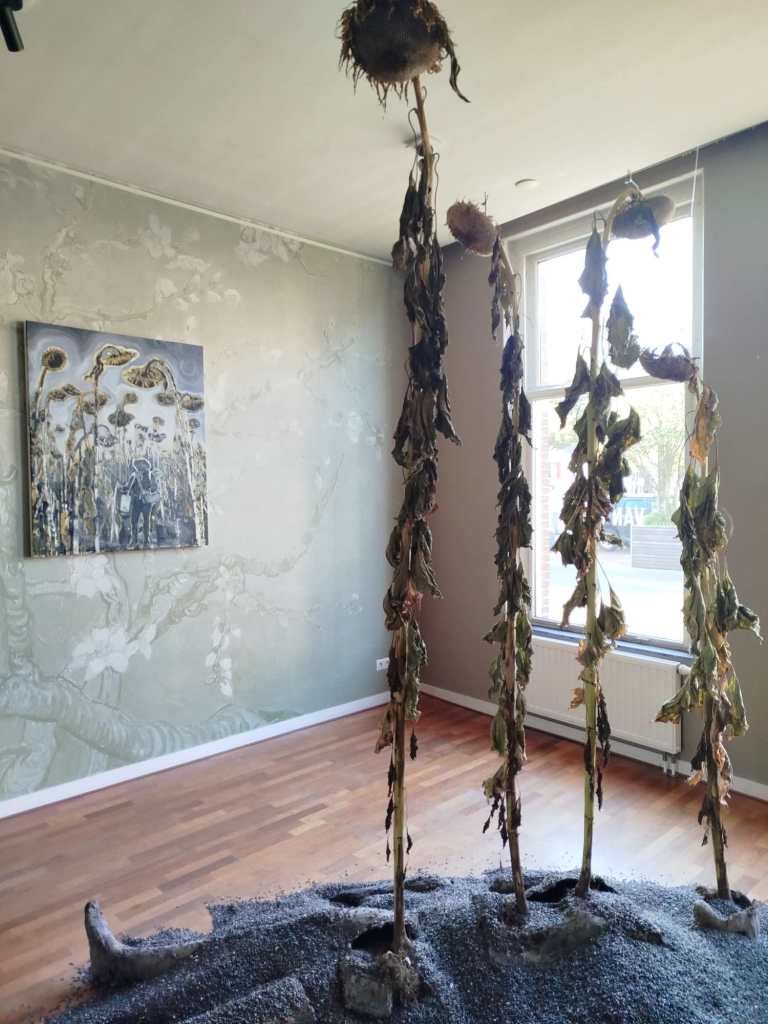
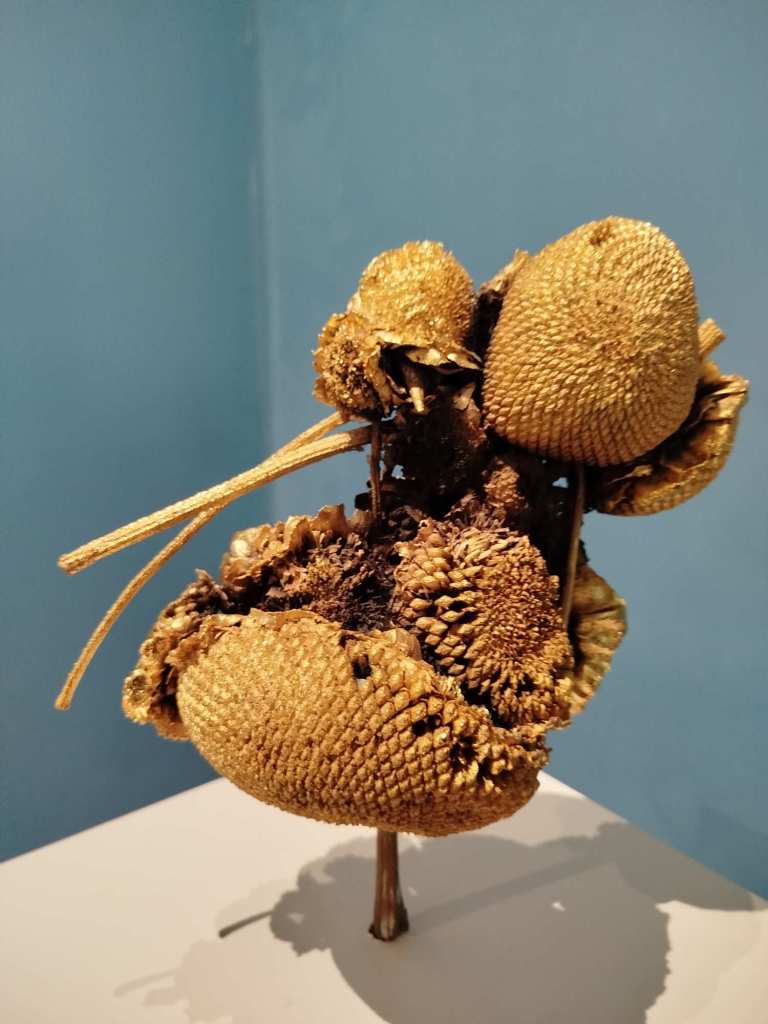
In Zundert, The Year of the Sunflower is being celebrated with the exhibition ‘Sunflowers for Van Gogh’, featuring works by various artists, open until February 16, 2025. In Nuenen, until February 23, 2025, the exhibition ‘Sunflowers, Nothing Else‘ will showcase how contemporary artists draw inspiration from Van Gogh’s iconic painting.
Heritage and Architecture
Walking tours and cycle routes take you on a journey past unique Van Gogh locations, right through the countryside that he so loved. There are several well-known routes dedicated to Van Gogh’s life and work, including the Van Gogh Cycle Route (Van Gogh Fietsroute) in Brabant, which spans 335 km and is divided into five themed routes. For walking, the Van Gogh Walking Route (Van Gogh Wandelroute) covers around 10 km in Nuenen, where Van Gogh lived and worked. These paths allow visitors to immerse themselves in the landscapes that inspired his art.
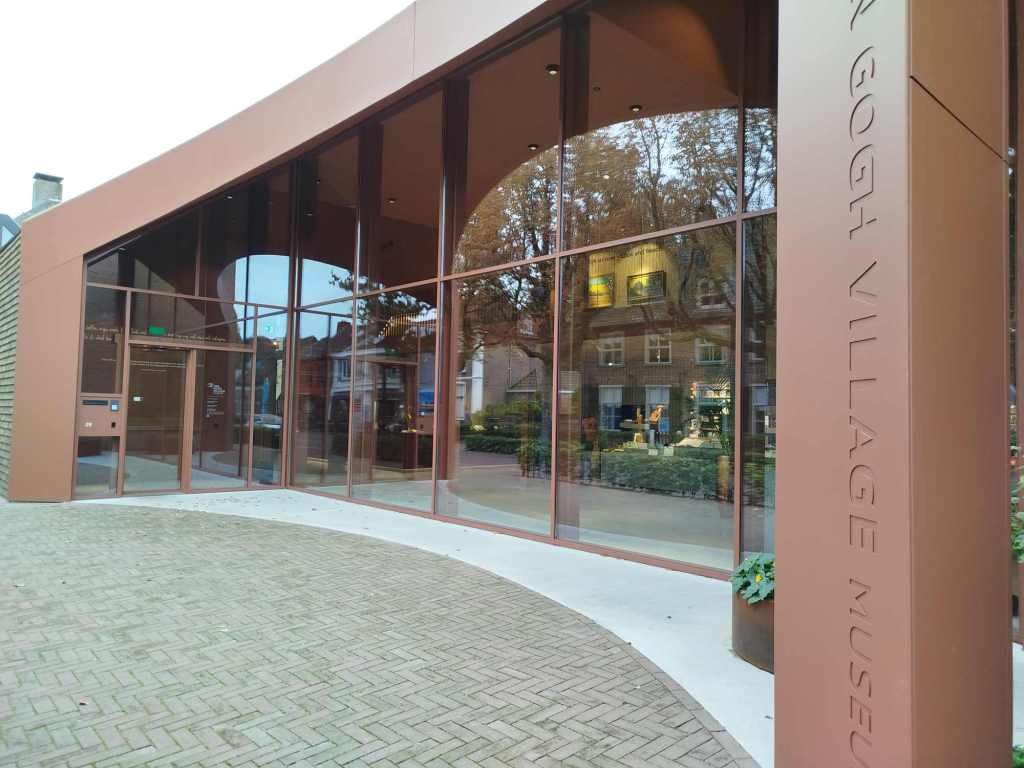
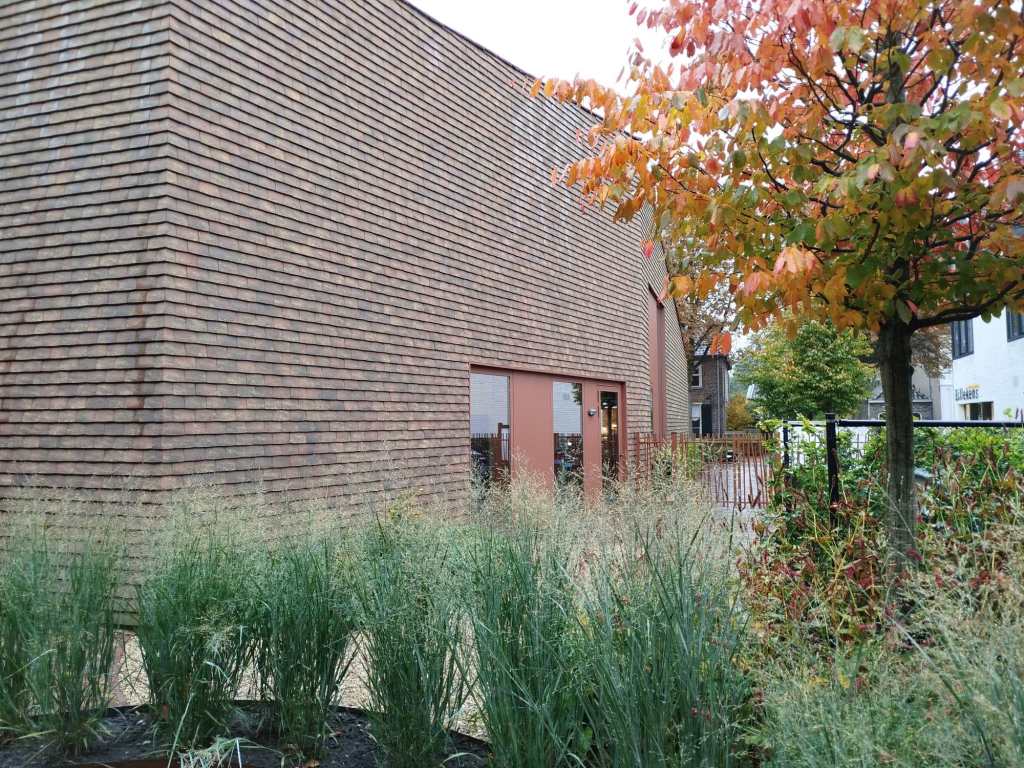
The Van Gogh Village Museum in Nuenen has recently won the audience award for Best Building in the Netherlands from the BNA Architecture Award, affirming its role in preserving and celebrating Van Gogh’s legacy.
 The Flora Journal