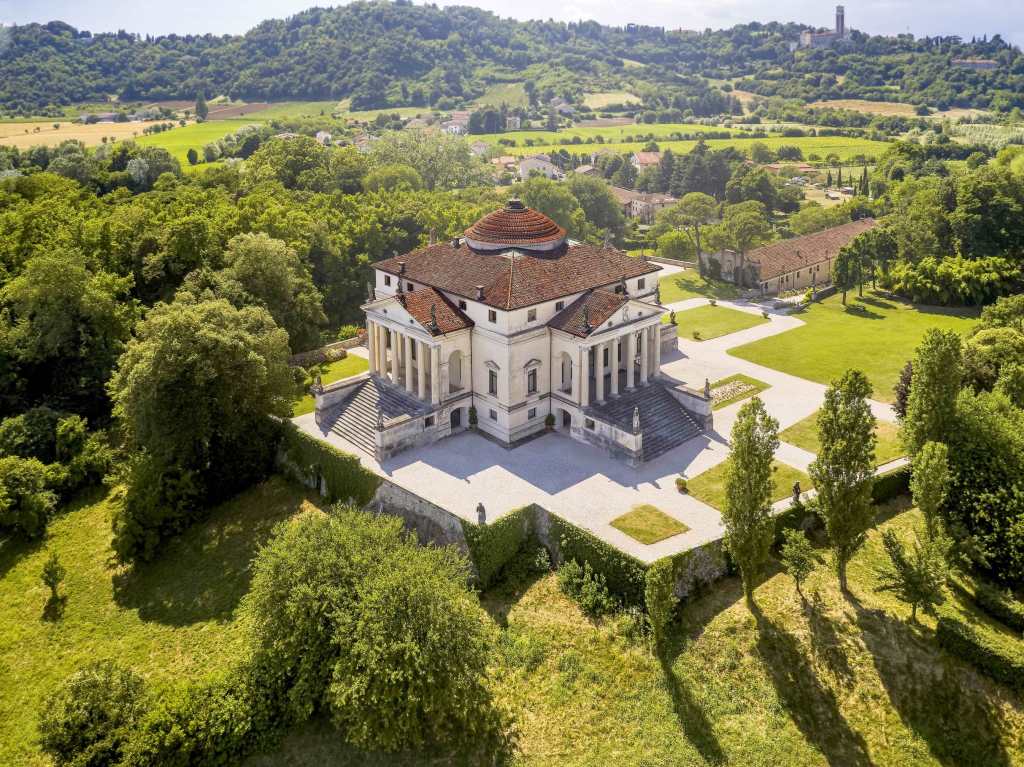
Villa La Rotonda, designed in 1565 by the iconic architect Andrea Palladio and commissioned by Vicenza noble Paolo Almerico, represents a unique synthesis of Renaissance ideals in architecture. Known for its harmonious symmetry and perfect integration with the landscape, this villa is globally recognized as a paramount example of Palladian design. Although Palladio and Almerico did not witness its completion, Vincenzo Scamozzi, Palladio’s disciple, oversaw the villa’s finishing touches. Over the centuries, ownership shifted, with the Valmarana family acquiring the estate in 1912 and undertaking numerous restorations, especially after World War II damage and in light of the villa’s UNESCO World Heritage designation in 1994.
credit Villa La Rotonda
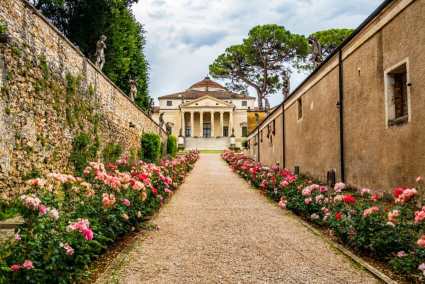
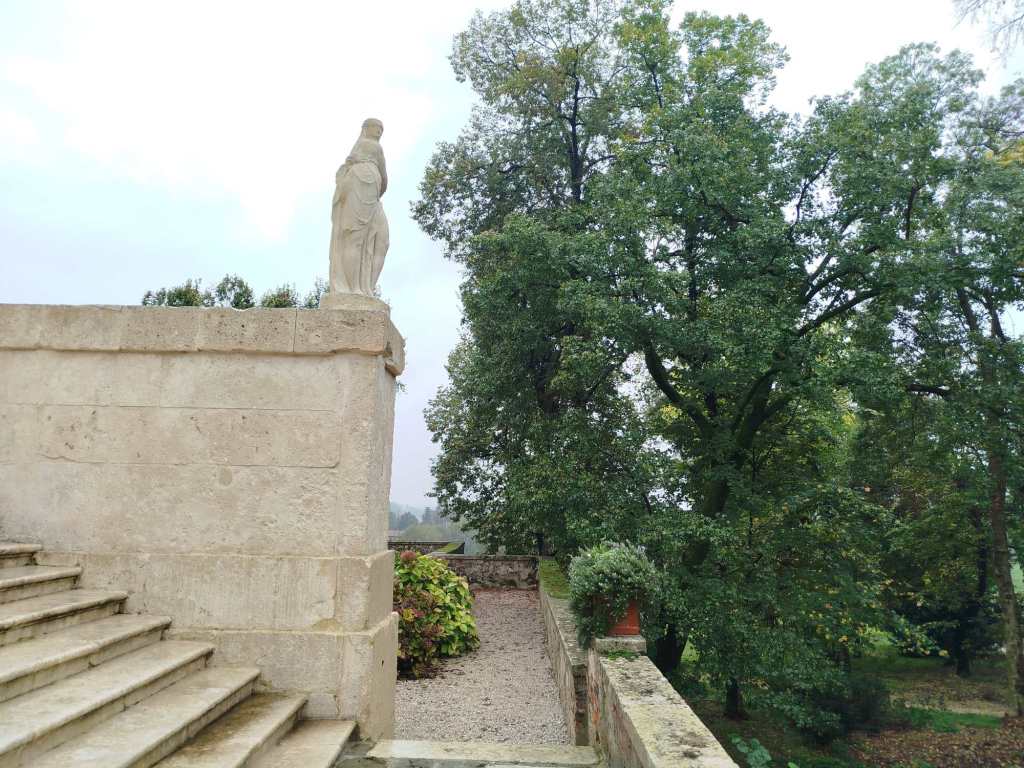
Restoration of the romantic grove, Boschetto: landscape and structural preservation
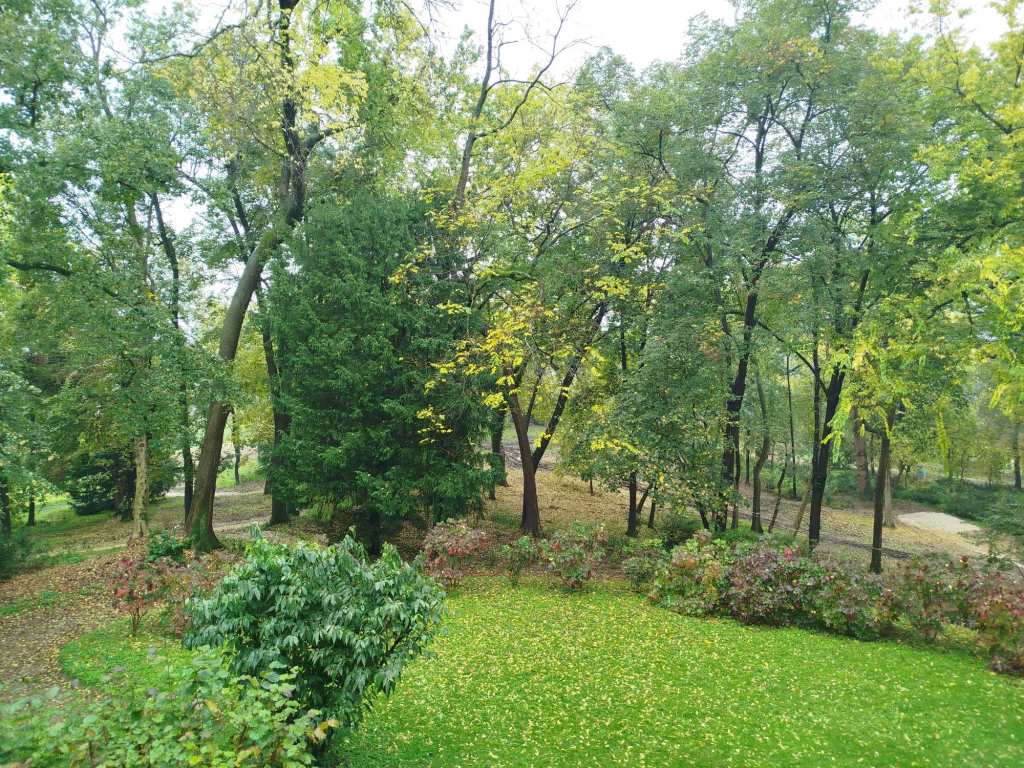
The recent restoration efforts focus on the Romantic Grove, a historic woodland west of the villa. This ambitious project, overseen by engineering firm Filippo Giustiniani & Partners, won support through Italy’s National Recovery and Resilience Plan (PNRR), under its program to revive historic parks and gardens. Key figures in the project include architect Giuseppe Rallo and agronomist Annachiara Vendramin, experts in historical garden restoration.
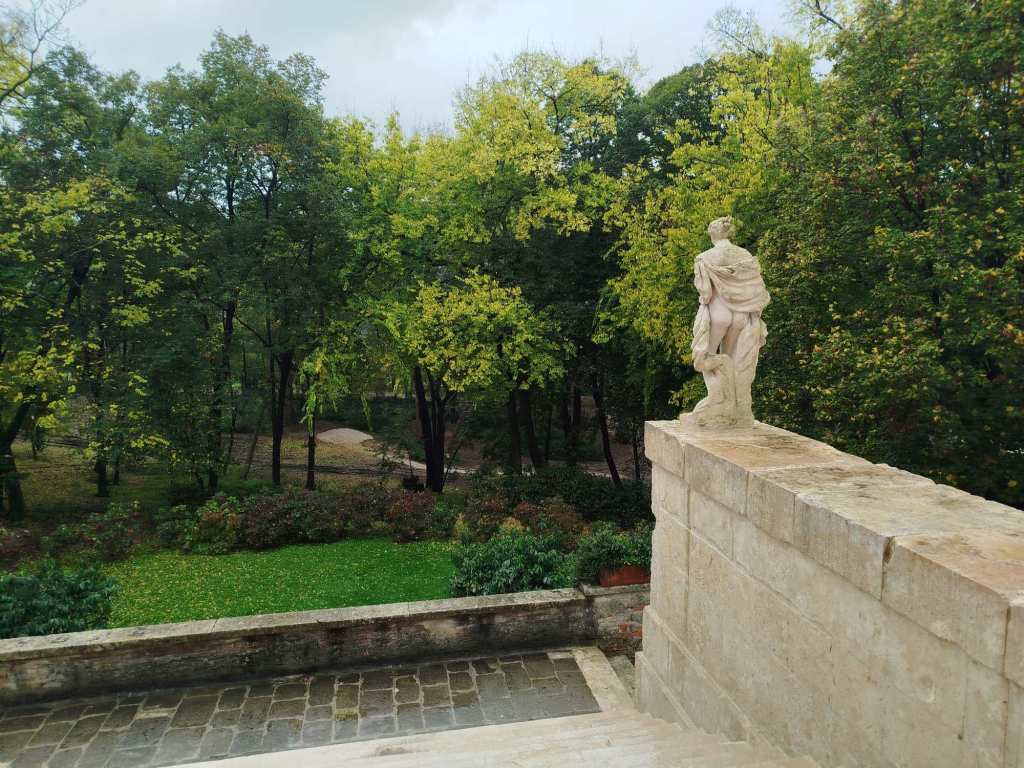
The restoration plan addresses three main areas: botanical rehabilitation, architectural reinforcement, and visitor experience enhancement. Specific measures include consolidating the grove’s boundary walls, restoring scenic views from the villa’s facades, and creating visitor pathways. Key elements of the grove include exotic 19th-century species such as American Hackberry (Celtis occidentalis) and native trees like maples, lindens, and ashes. Meticulous botanical cataloguing and tree health assessments have been completed, leading to the removal of hazardous trees and the rehabilitation of remaining specimens.
The grove now offers clearer sightlines to the villa and other significant structures, such as a restored lemon house and a centuries-old cedar. Additionally, open spaces have been reintroduced, providing light for indigenous plants to thrive and introducing a diverse array of spring-blooming shrubs and bulbs to enrich biodiversity. The east-facing beech alley, established in the 1990s, will be partially removed to restore the villa’s historic visual connection to the surrounding agricultural landscape.

Educational Outreach: new learning opportunities at Villa La Rotonda
A dedicated educational initiative, curated by Pamela Bettiol and Tiziana Spinelli, aims to integrate Villa La Rotonda and its gardens into educational curricula. This project leverages the villa’s history and natural surroundings to foster environmental awareness among younger generations. Supported by the PNRR, the program offers age-specific guided tours, themed learning modules, and hands-on workshops that cover a wide range of historical, artistic, and environmental topics.
The educational catalogue, featuring accessible graphics and detailed descriptions, guides educators in selecting the most relevant modules for their students. Nicolò Valmarana, the owner of the villa, emphasizes the importance of instilling a love for beauty, history, and nature in children, viewing school excursions as vital opportunities for both learning and personal growth.
The villa hosted its first-ever Open Day for educational professionals in September, drawing over 200 teachers eager to explore the revamped garden and learn about the new educational resources available. On November 6, a special tour is planned for American university architecture students, who will witness the ongoing restoration firsthand.

credit The Flora Journal
Communicating the Project’s Vision: a community-centered approach
Cultural communication firm Amplificatore Culturale, led by Matteo Zamboni, is tasked with fostering greater community engagement with Villa La Rotonda. Their approach aims to bridge the perceived distance between the villa and the local community, enhancing accessibility and involvement through collaborations with local associations and cultural organizations. Amplificatore Culturale’s goals include hosting networking events for tourism professionals, connecting the villa with schools and universities, and positioning the restored garden as a hub for community engagement.
Among the initiatives are five informal gatherings at the villa’s Barchessa (barn), each bringing together leaders in the local social and cultural sectors. These gatherings have sparked collaborative projects, including one with the CNA Vicenza, with further events planned for the coming year.
Embracing Technology: an AI-enhanced tour experience
To complement these restoration and educational efforts, Villa La Rotonda has introduced an innovative AI-based app. Developed by Voler.ai, the app offers tailored audio tours and interactive features that cater to diverse visitor interests. Through this app, visitors can explore the villa and grounds accompanied by narrations from historical figures like Andrea Palladio or Contessa Giustina Galvagna, immersing them in the villa’s rich heritage. It also includes a chatbot to answer specific questions, making each visit unique and responsive to individual curiosity.
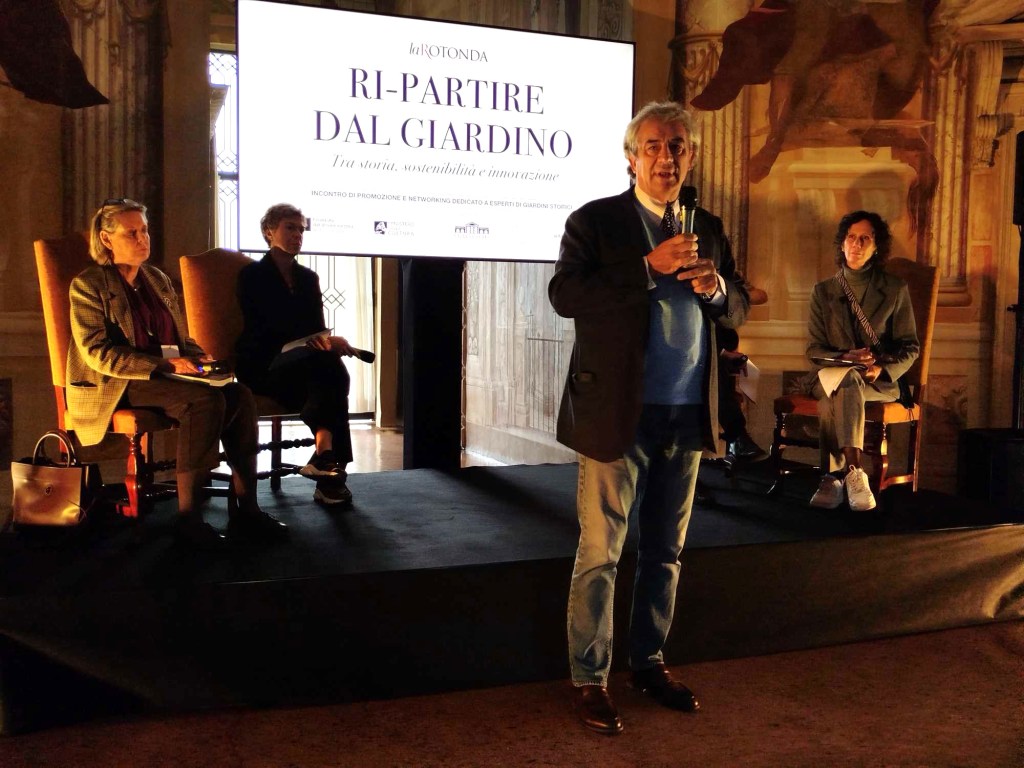
credit The Flora Journal
October 25 Conference at Villa La Rotonda: experts in Heritage and Landscape
The October 25 conference at Villa La Rotonda brings together key figures in architecture, landscape design, and heritage preservation, aiming to foster discussions on sustainable heritage management.
Key participants include Guido Beltramini, director of the Andrea Palladio International Center for Architectural Studies, who will offer insights into Palladian architecture’s enduring influence. Landscape architect Erika Skabar, known for her pioneering project in Trieste involving an oil pipeline integration, brings a unique perspective on blending infrastructure with natural landscapes.
Also present is Judith Wade, a tourism expert and CEO of the network ‘Grandi Giardini Italiani’ who advocates for Italian gardens as cultural and economic assets. Wade’s perspective highlights the potential of gardens like Villa La Rotonda’s to support sustainable tourism while maintaining heritage values.
Count Nicolò Valmarana, the villa’s owner, alongside Counts Sigurtà and Pizzoni Ardemani—both owners of renowned Italian gardens—will share their approaches to managing historic estates for public accessibility and preservation.
This conference seeks to inspire future collaborations, showcasing Italy’s historic gardens as vital cultural and economic resources adaptable to modern conservation needs.
 The Flora Journal