The Garden Museum’s latest exhibition in London, UK, Lost Gardens of London, opens this October until 2 March 2025, unveiling a secret history of London’s forgotten green spaces. Curated by landscape architect and historian Dr. Todd Longstaffe-Gowan, this exhibition explores the city’s vibrant yet often overlooked gardening past. With artworks, maps, and rare photographs, visitors are invited to rediscover these vanished landscapes that once coloured London with diverse flora and fauna, contributing to the city’s rich cultural legacy.
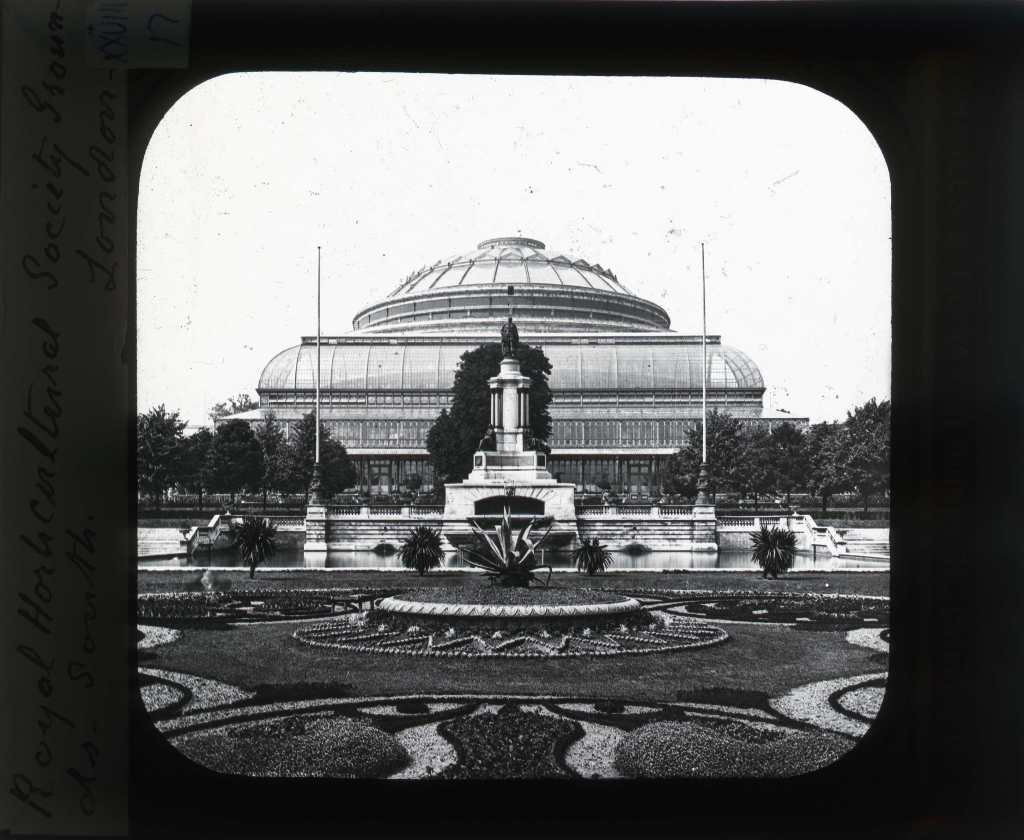
Over the past 500 years, London’s landscape has evolved dramatically. Gardens, from majestic royal retreats to humble allotments, have vanished due to urban expansion, modernization, and changing priorities. The exhibition showcases gardens that once served as private botanical havens, ecological parks, and even menageries filled with exotic animals. Today, traces of these green spaces have been erased or lie buried beneath infrastructure, a poignant reminder of their vulnerability to urban development.
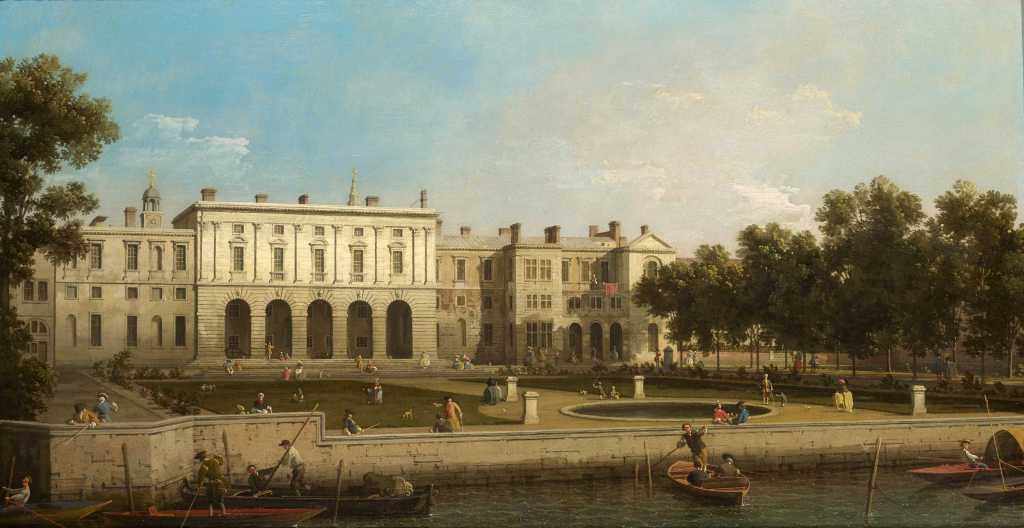
One highlight is Old Somerset House from the River Thames by Giovanni Canaletto, painted around 1750. This view captures Old Somerset House’s expansive gardens that once opened to the public. Today, the Courtauld Gallery occupies the site, and a major road now bisects what was once a serene garden. This transformation exemplifies the shift in priorities that has often sacrificed green spaces for urban needs.
Another significant work is Jan Siberechts’ View of a House and its Estate in Belsize, Middlesex (1696), on loan from the Tate. This painting captures the rural charm of Belsize, a former countryside retreat for affluent Londoners, which today forms part of the city’s densely populated northwest. Siberechts’ work highlights the pastoral character of London’s suburbs, a stark contrast to the cityscape that now engulfs these once-expansive greens.
Beyond artistic renderings, the exhibition includes historical documents, such as an 1874 illustration of Dr. John Hunter’s “lion’s den” in Earl’s Court, revealing how this renowned surgeon created his own mini-zoo. Other historical records focus on Surrey Zoological Gardens, established near Kennington Park Road, one of London’s earliest public parks featuring animals in “naturalistic” settings. For city dwellers of the early 19th century, these spaces offered a rare glimpse into the natural world, as exotic species were displayed in what was perceived to be an approximation of their habitats.
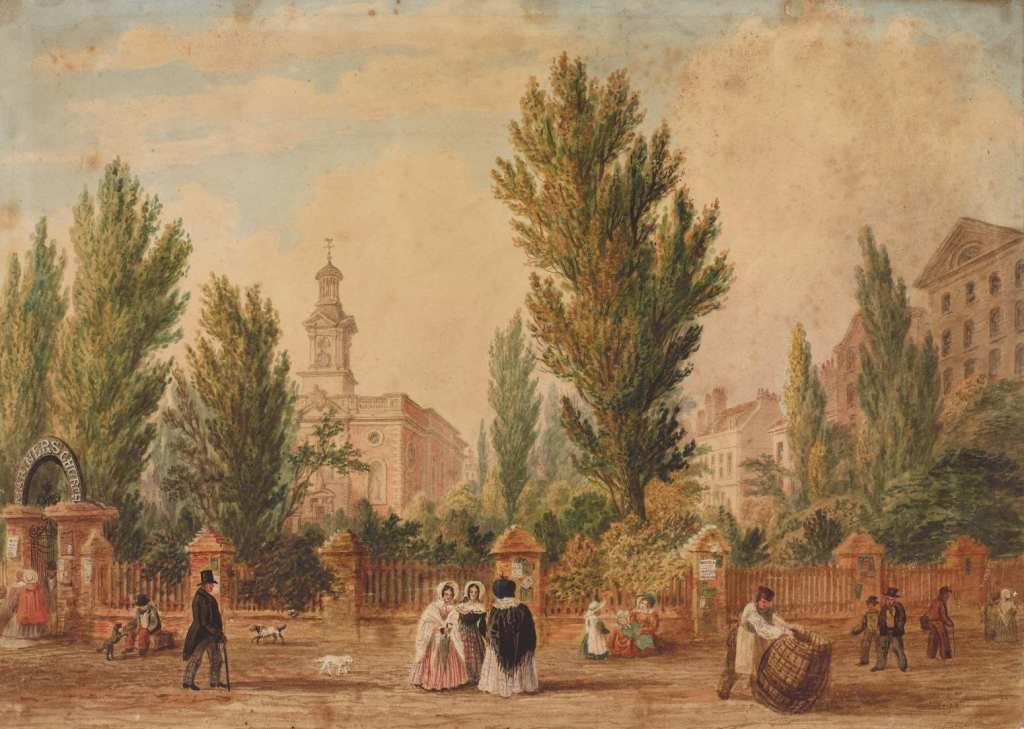
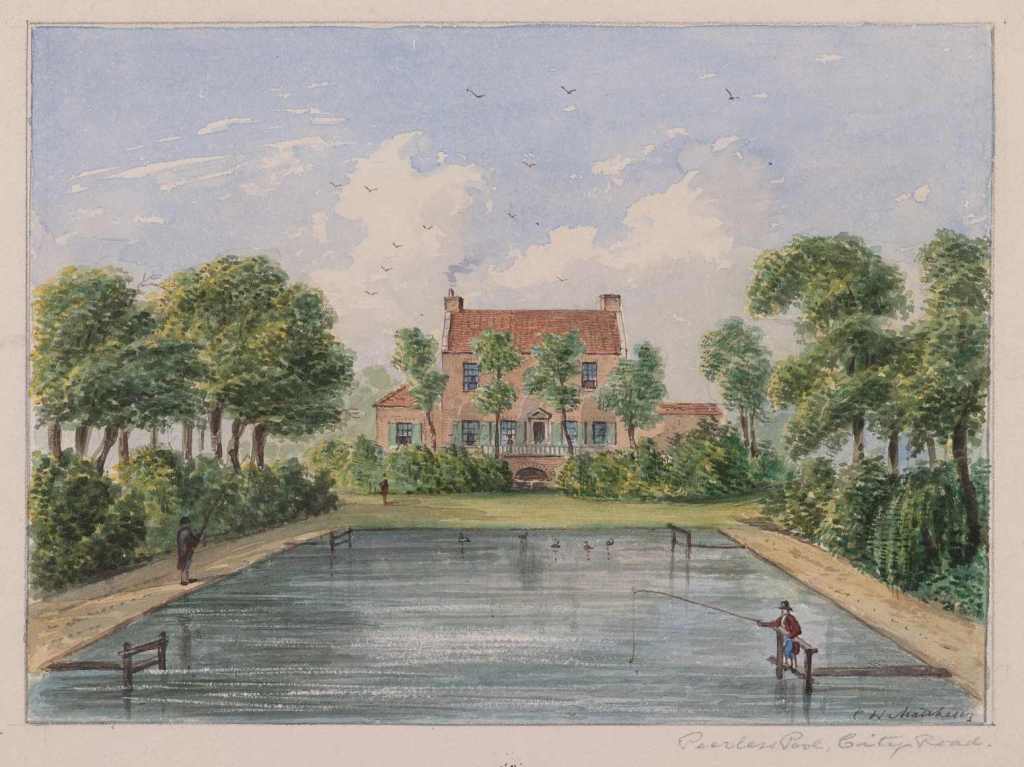
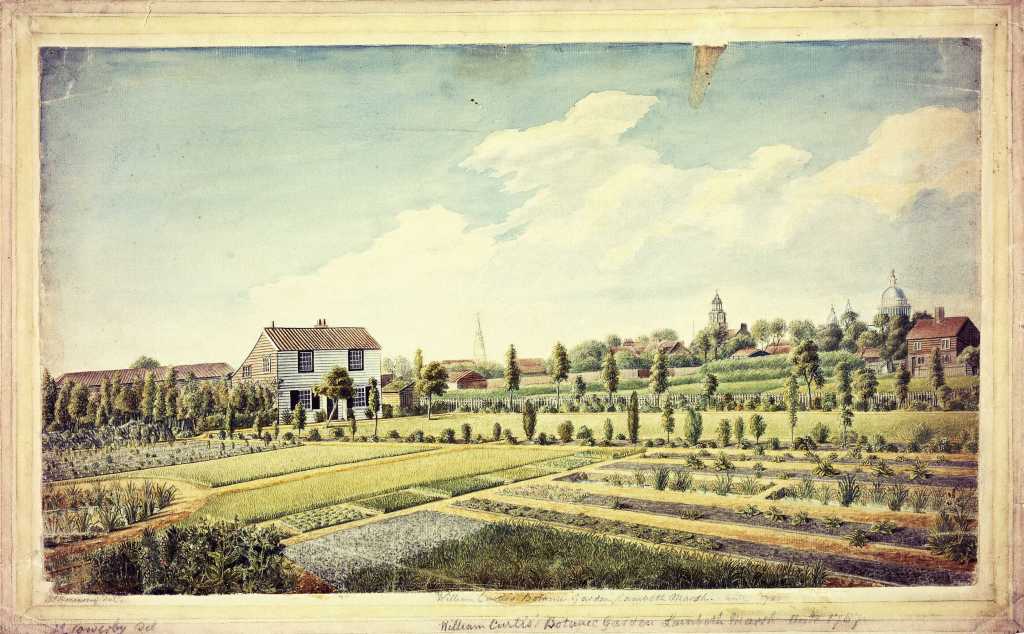
Among these green spaces was the botanic garden founded by William Curtis near the current site of Waterloo Station. Known for his expertise in native British flora, Curtis cultivated thousands of plant species here in the late 18th century. Botanical illustrator James Sowerby’s 1787 watercolour vividly depicts this early independent botanic garden, with St. Paul’s Cathedral on the horizon, providing a reminder of the garden’s central London location. Curtis’s influence extended beyond his lifetime, with his pioneering work in urban flora documented in Flora Londinensis, the first publication dedicated to city-based plant life.
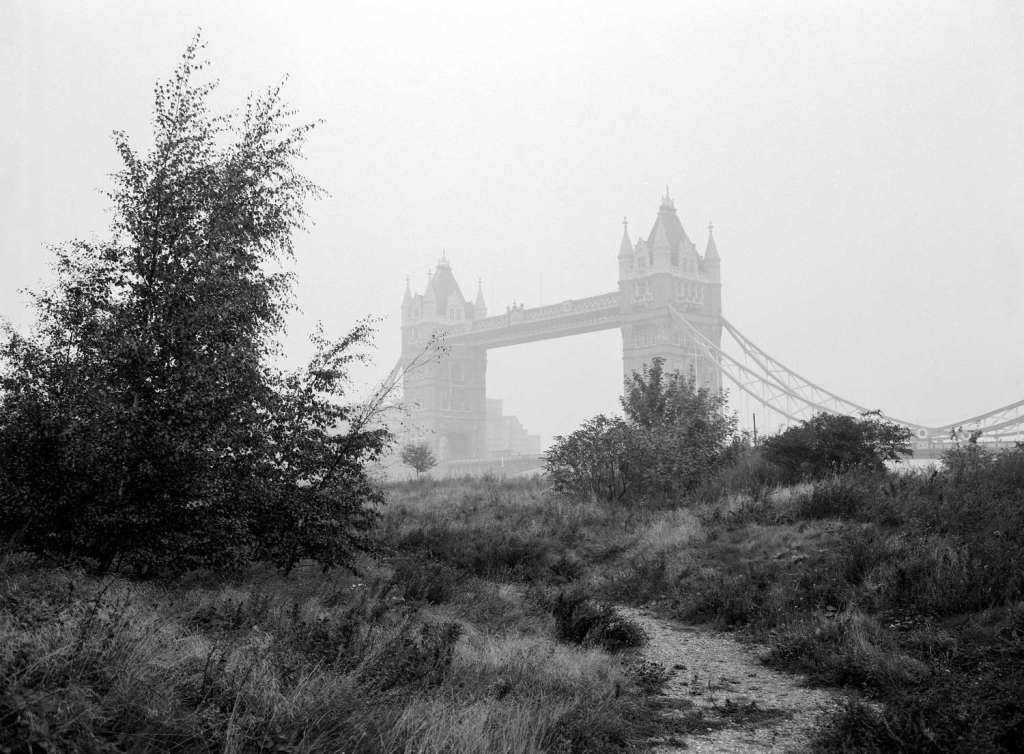
In a more recent historical layer, William Curtis was honoured in 1977 with the William Curtis Ecological Park near Tower Bridge. This short-lived, two-acre garden became a green oasis for inner-city children, hosting nature programs and activities such as butterfly identification and frog-catching. Yet, by 1985, the park made way for urban development, replaced by the Mayor’s Office. Today, its memory is a cautionary tale of how quickly urban green spaces can disappear.
The Lost Gardens of London exhibition goes beyond merely displaying relics of the past; it raises awareness of the precarious future facing London’s remaining green spaces. Longstaffe-Gowan explains that this fascination with “lost gardens” resonates because it allows modern Londoners to connect with the city’s past in meaningful ways. Christopher Woodward, Garden Museum Director, underscores this message, noting that while London’s gardens offer immense cultural value, they are fragile—subject to the pressures of development, neglect, and pollution.
Through Lost Gardens of London, visitors are urged to view the city’s green spaces as precious, irreplaceable assets that need protection. The exhibition invites audiences to ponder the gardens lost to history and the green spaces that persist today, fragile yet resilient amid a rapidly urbanizing world.
 The Flora Journal