In the book ‘Alexander von Humboldt, a concise biography‘, published by Princeton University Press, Andreas Daum presents a fresh and brief exploration of Alexander von Humboldt’s (1769–1859) life and achievements. A Prussian nobleman shaped by the Enlightenment, Humboldt shared his era with figures like Napoleon, Simón Bolívar, and Charles Darwin. Renowned as a naturalist and scholar, his travels spanned the Americas to Central Asia, with his findings meticulously documented across numerous volumes. Humboldt’s interdisciplinary approach and ecological foresight remain influential to this day.

credit Plantes équinoxiales recueillies au Mexique
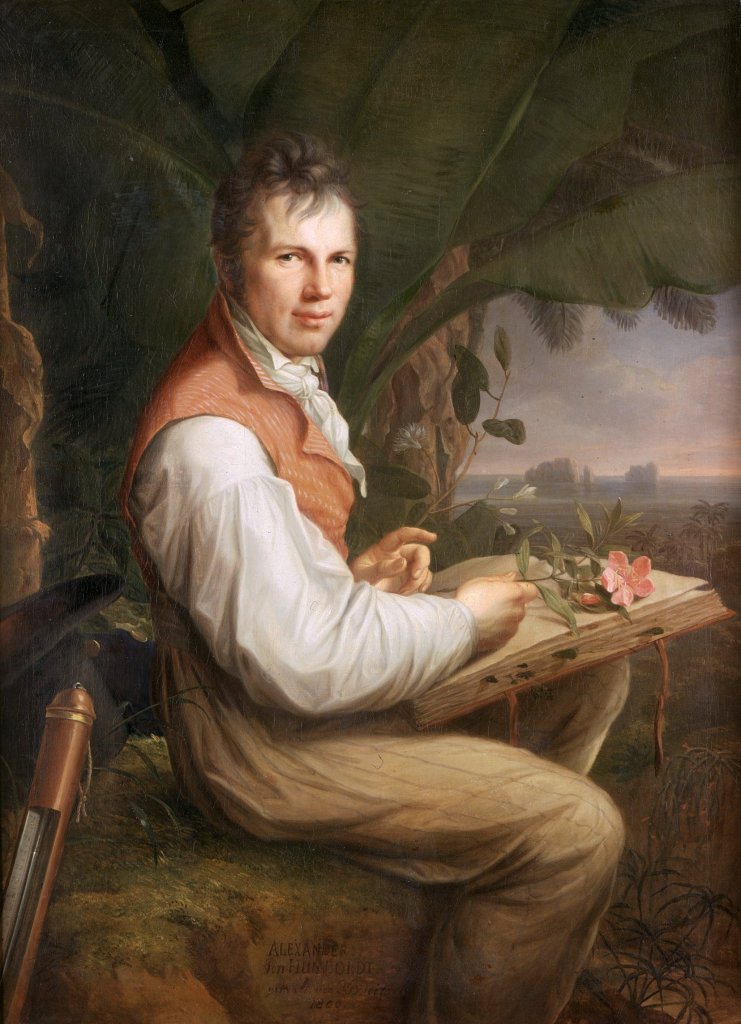
credit Karin März Alte Nationalgalerie, Berlin

Daum moves beyond traditional depictions of Humboldt as either an intellectual titan or a figure of colonial complicity. Instead, the book delves into the contradictions of his character and age, marked by the upheaval of the Atlantic Revolutions. Humboldt criticized slavery and championed civil society, yet maintained ties with authoritarian rulers. His scientific pursuits coexisted with a deep emotional sensitivity, and he passionately advocated for an aesthetic appreciation of nature. Daum vividly portrays Humboldt’s quest for a “cosmic” comprehension of nature amidst the burgeoning knowledge of his time.
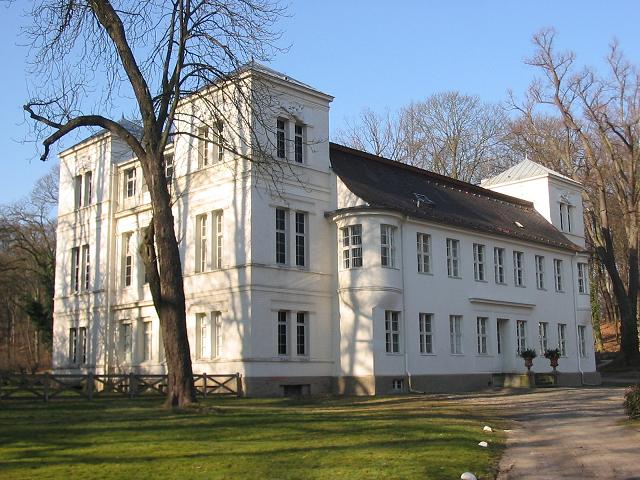
credit Lienhard Schulz Creative Common

Offering a compact yet thorough account, this biography examines all stages of Humboldt’s life, his personality, prolific works, and the intellectual networks that shaped him. Daum’s work not only highlights Humboldt as a pivotal historical figure but also casts light on the evolving role of science in a rapidly globalizing world.

 The Flora Journal