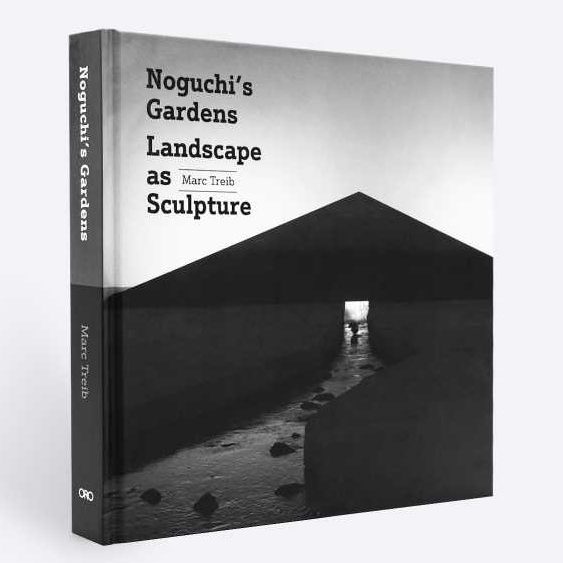
Isamu Noguchi (1904–1988) was a visionary artist whose work defied categorization. His creative output spanned sculpture, furniture and lighting design, stage sets, and large-scale urban projects. Yet, one of the most profound aspects of his artistic journey was his work in landscape architecture. The book Noguchi’s Gardens: Landscape as Sculpture, written by renowned landscape historian Marc Treib, provides a comprehensive and visually striking exploration of Noguchi’s innovative approach to shaping outdoor spaces.
credit ORO editions
credit ORO editions
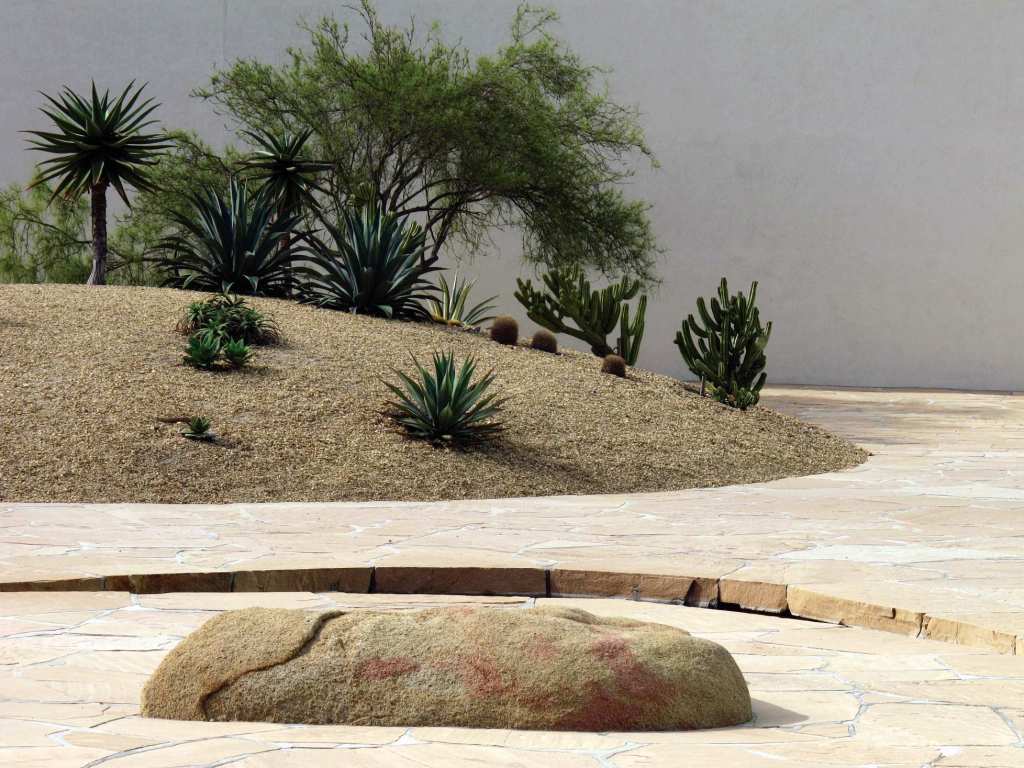
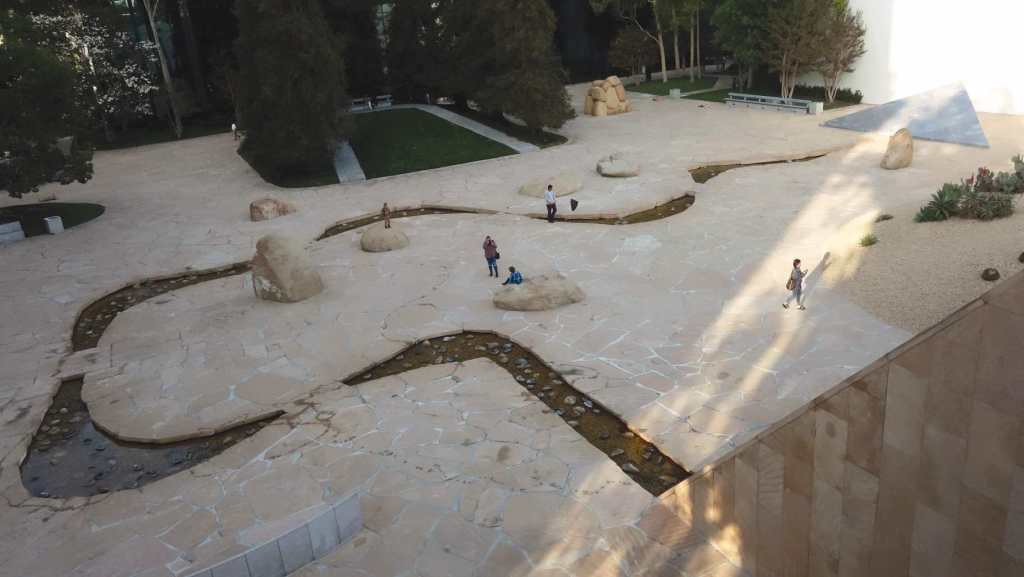
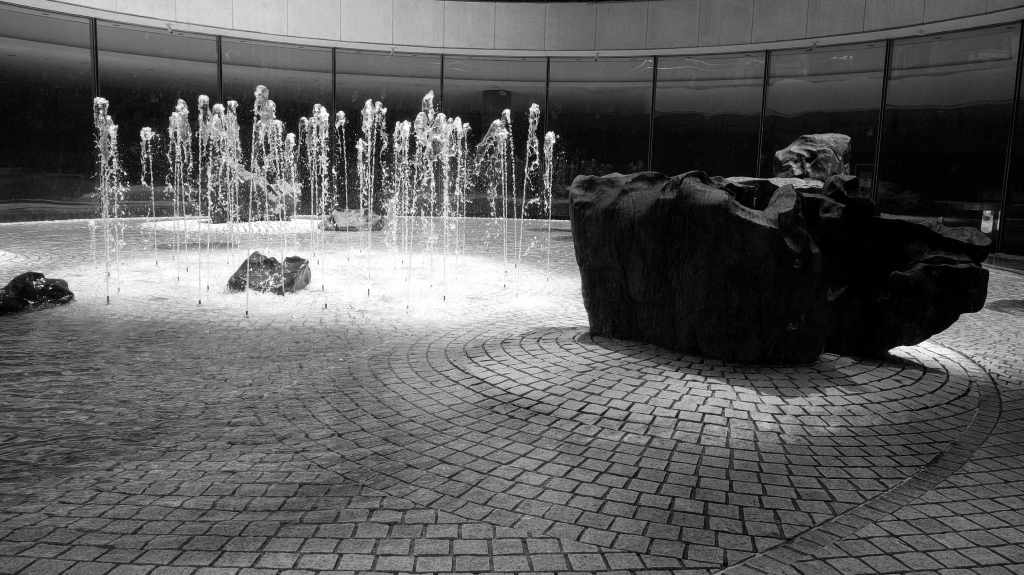
Unlike traditional landscape architects, Noguchi approached gardens as living sculptures, using land, water, and natural materials as his artistic medium. He rejected the conventional separation between design, craft, and fine art, believing that all could achieve artistic significance if they transcended mere functionality. This philosophy is evident in his remarkable landscapes, which range from intimate courtyard gardens to vast public parks, each crafted with a sculptor’s sensitivity to form and space.
credit ORO editions
credit ORO editions
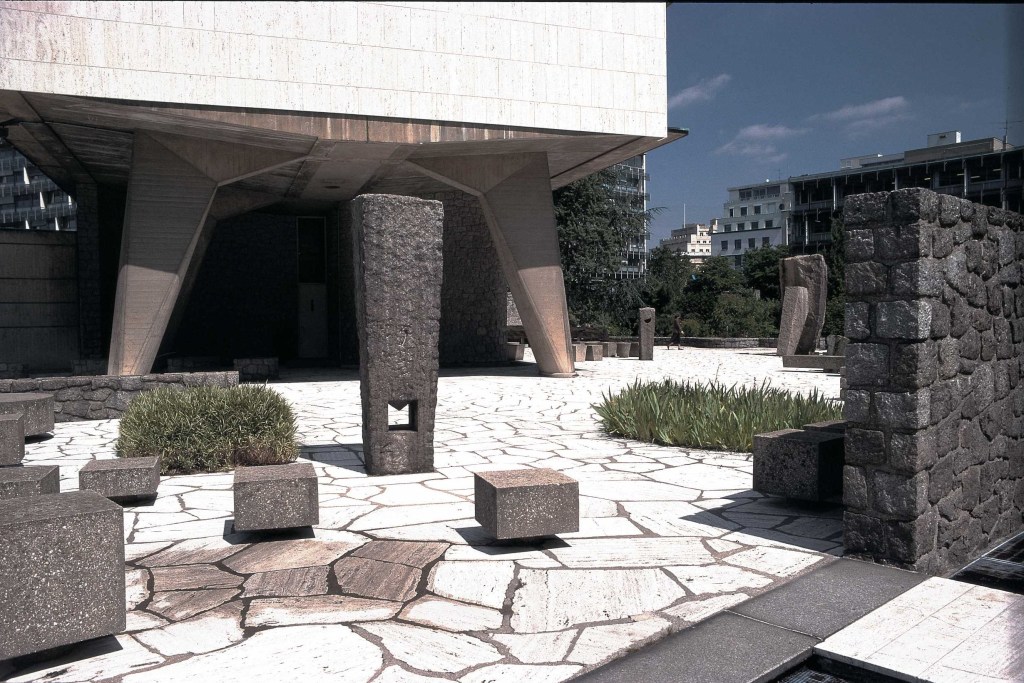
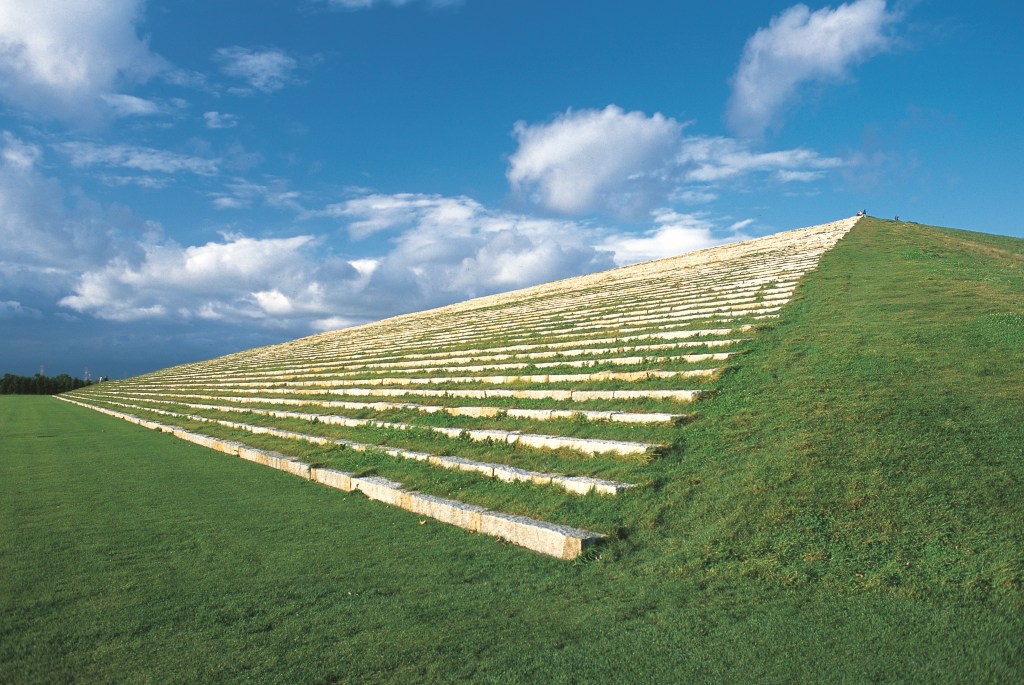
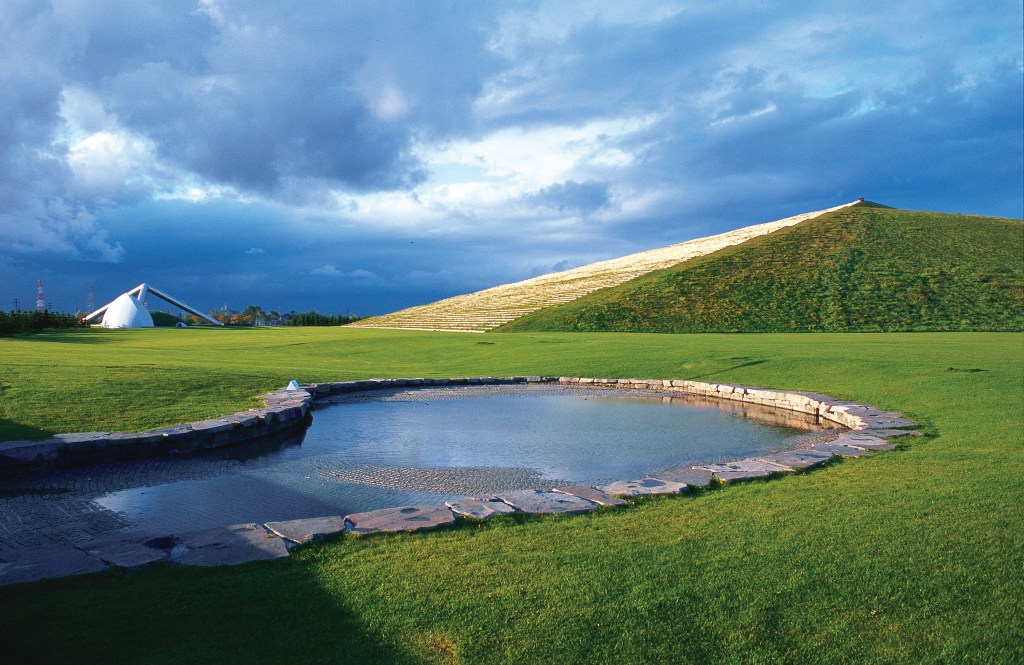
Professor of Architecture Emeritus Treib meticulously examines Noguchi’s major landscape projects, from his early unrealized designs for playgrounds and public monuments to his celebrated gardens at the UNESCO House in Paris and the Reader’s Digest offices in Tokyo. The book also delves into Noguchi’s later works, including the Moerenuma Park in Sapporo, Japan, which was completed posthumously. Treib presents these projects as landscape designs and spatial compositions—expressions of movement, balance, and interaction with the surrounding environment.
One of the book’s greatest strengths lies in its visual storytelling. Accompanied by archival photographs from the Isamu Noguchi Foundation and Garden Museum, as well as Treib’s own images, the book allows readers to appreciate the depth and complexity of Noguchi’s designs. The photographs capture the interplay of light and shadow, the sculptural quality of his landscapes, and how natural and human-made elements seamlessly blend into his work.
For readers interested in landscape architecture, modern art, and the intersections between sculpture and environmental design, Noguchi’s Gardens: Landscape as Sculpture is an essential read. It offers both an academic analysis and a deeply engaging visual journey through the mind of an artist who redefined what a garden could be. Through Treib’s insightful critique, we gain a deeper appreciation of how Noguchi’s landscapes continue to inspire and challenge conventional notions of space, art, and nature.
 The Flora Journal