On March 14, Italy celebrates National Landscape Day, an event dedicated to raising awareness of landscapes’ cultural, environmental, and historical significance. This year marks the 25th anniversary of the European Landscape Convention, adopted on July 19, 2000, by the Council of Ministers of Culture and Environment.
To commemorate this occasion, the Superintendence of Archaeology, Fine Arts, and Landscape for the Municipality of Venice and its Lagoon, in collaboration with the Venice Gardens Foundation, organized a special gathering at Hortus Redemptoris, the historic garden of the Santissimo Redentore Convent, which opened to the public for the first time in October 2024.
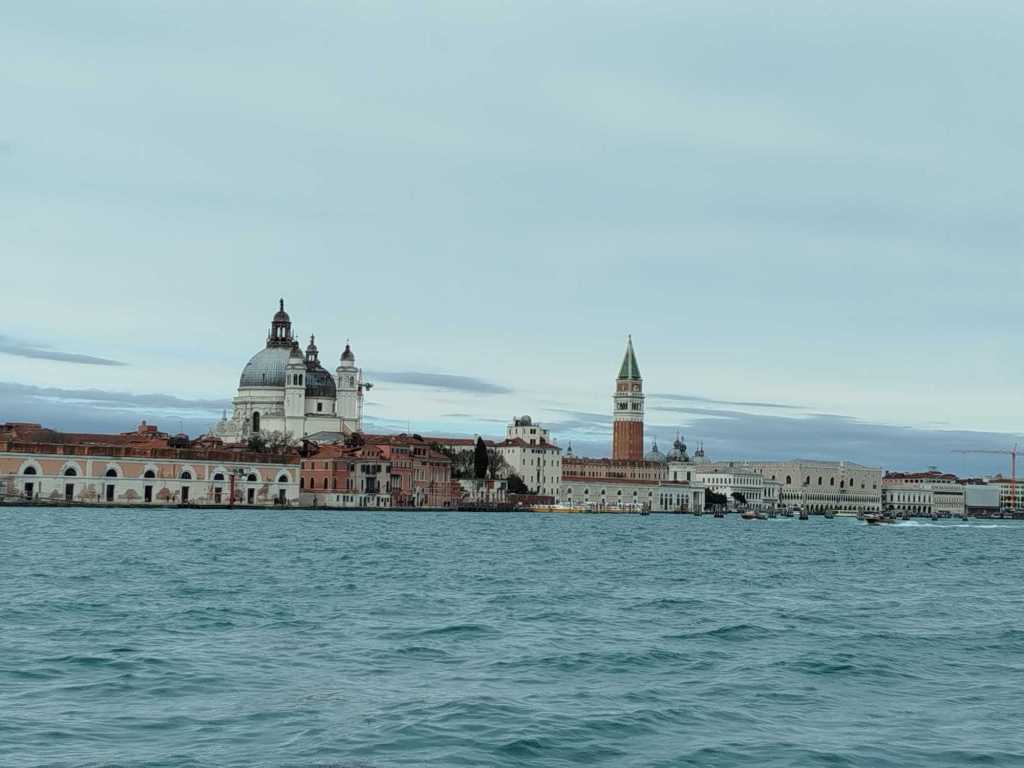
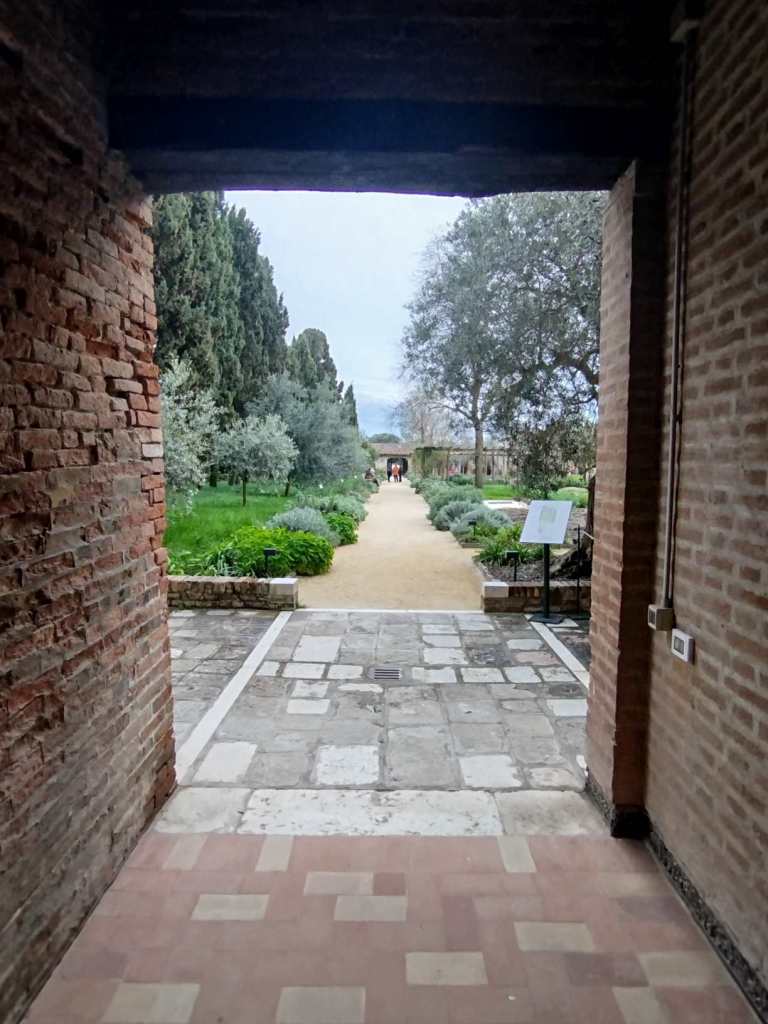
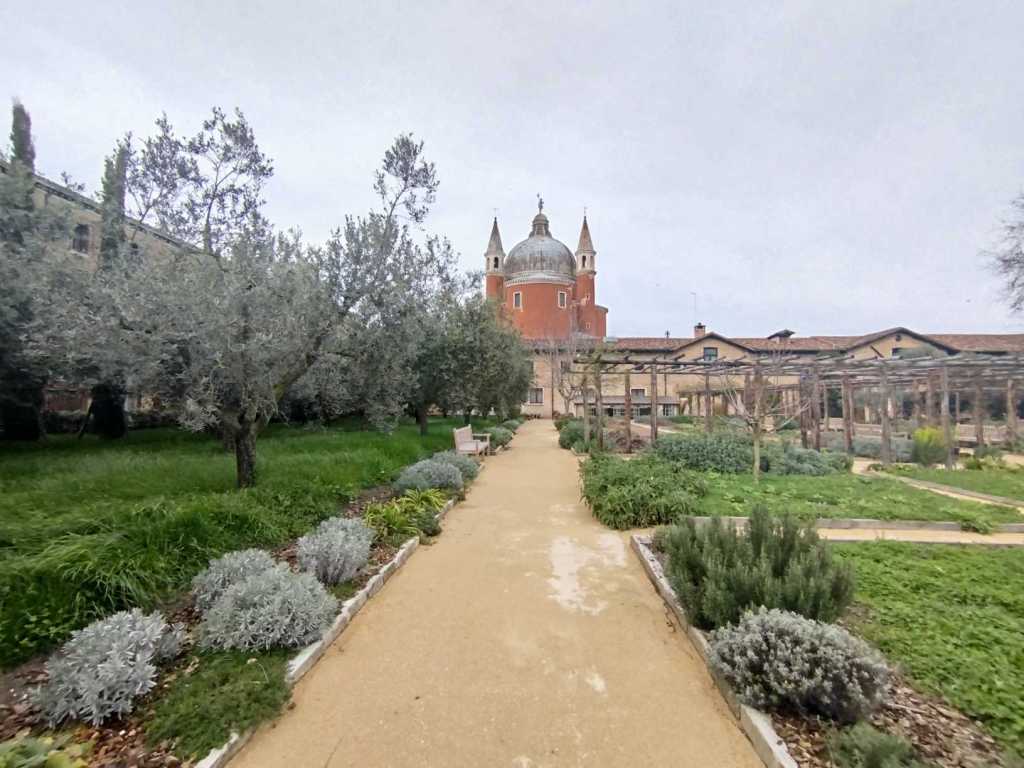
The event aimed to highlight the diverse approaches to landscape conservation, emphasizing the relationship between disciplines such as art, architecture, ecology, and spirituality. It also provided a platform for experts and caretakers to share their experiences in preserving and managing this extraordinary site.
Hortus Redemptoris: A Hidden Treasure on Giudecca Island
For five centuries, the garden of the Santissimo Redentore Convent on Giudecca Island remained a secluded sanctuary, accessible only to the Order of Friars Minor Capuchin. This enclosed space played a fundamental role in the self-sufficient monastic life, serving as a place of reflection, cultivation, and community support.
In May 2021, the Venice Gardens Foundation, renowned for the restoration of the Royal Gardens in Venice, was entrusted with the care of this remarkable site for 22 years. With authorization from the Holy See and the Superintendence of Venice, the foundation initiated a meticulous botanical and architectural restoration project to preserve and enhance the historical landscape while making it accessible to the public.
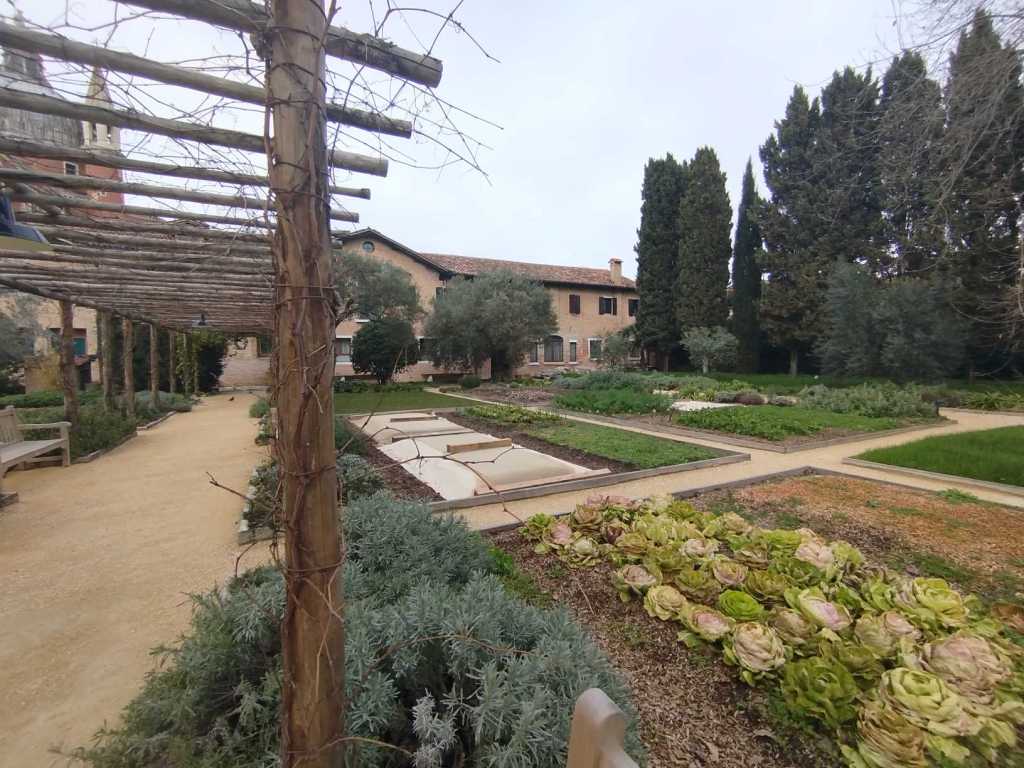
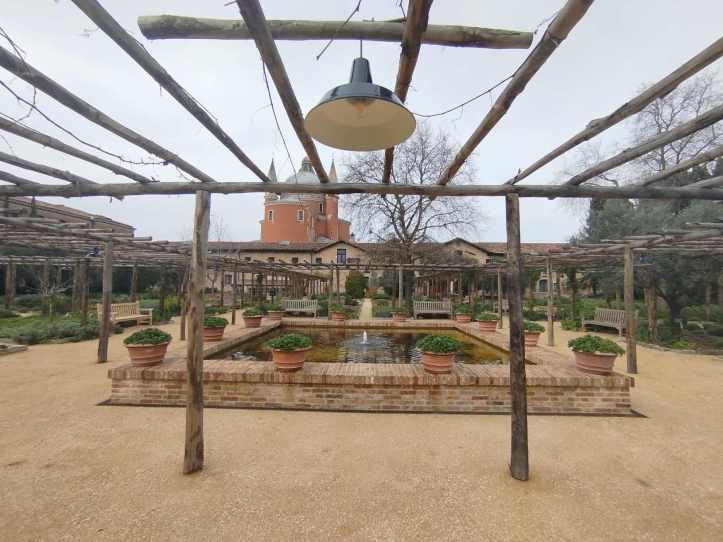
The horticultural restoration was led by architect Paolo Pejrone, while the architectural refurbishment of the convent’s historic structures, including the Ancient Workshops and two meditation chapels, was overseen by architect Alessandra Raso.
A Landscape of Tradition and Innovation
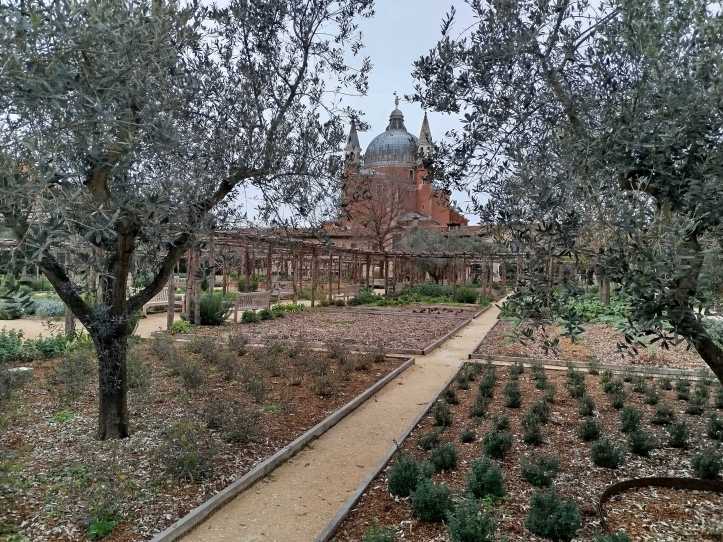
The design of Hortus Redemptoris reflects the traditional monastic garden layout, maintaining its original orthogonal structure and botanical diversity. Some key features include:
- A cross-shaped pergola covered with grapevines preserves the symbolic and functional elements of the original plan.
- A carefully restored network of cultivated plots ensures the continuation of traditional plant species.
- The conversion of 19th-century buildings and workshops—once used for woodworking, wool processing, and herbal distillation—into exhibition spaces.
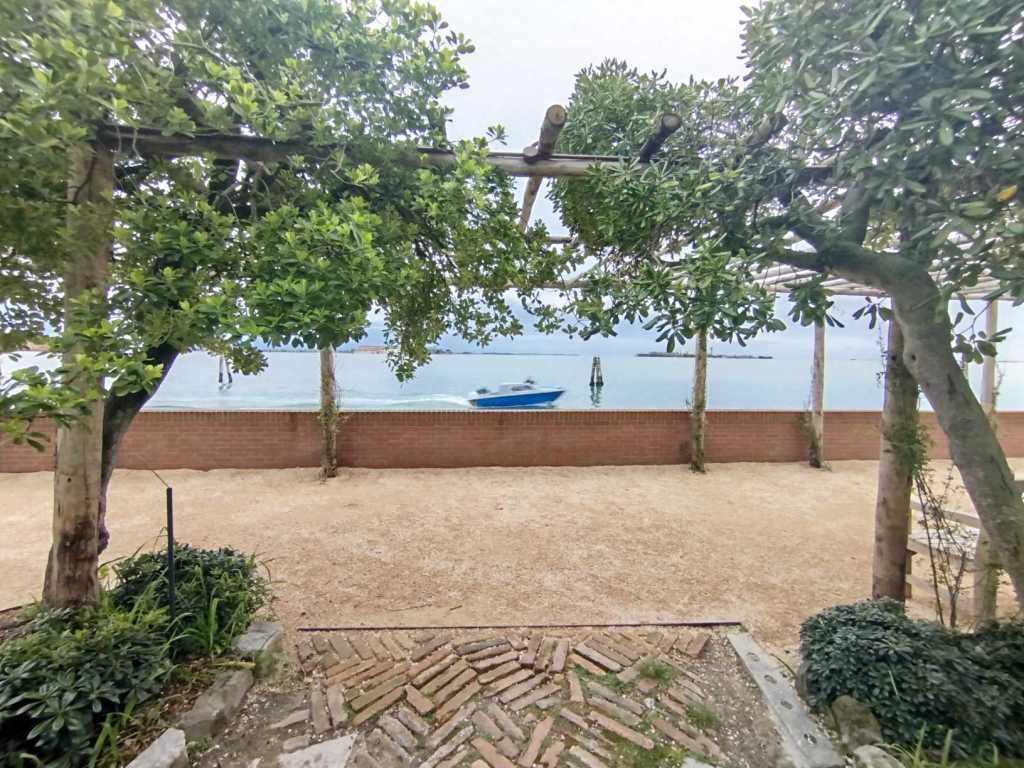
- A small garden of pittosporum and olive trees offering a breathtaking view of the Southern Lagoon.
The site now stands as a living testament to the historical and ecological significance of Venetian gardens, serving as both a cultural landmark and a center for environmental education and contemplation.
A Forum on Landscape Preservation
The National Landscape Day event at Hortus Redemptoris brought together experts, conservationists, and caretakers to discuss the challenges and successes in preserving and enhancing historic landscapes. Speakers included:
- Fabrizio Magani, Superintendent of Archaeology, Fine Arts, and Landscape for the Municipality of Venice and its Lagoon
- Anna Chiarelli, Landscape Official, Superintendence of Venice
- Adele Re Rebaudengo, President, Venice Gardens Foundation
- Edoardo Bodi, Head Gardener, Venice Gardens Foundation
- Mario Giacobbi and Renata Zanin, Volunteers, Venice Gardens Foundation
Their contributions emphasized how landscape preservation extends beyond maintenance and restoration, involving a spiritual and philosophical commitment to understanding the essence of nature. The event underscored the idea that gardens are not merely physical spaces but dynamic, living environments with deep-rooted cultural and symbolic meanings.
Looking to the Future: A Sustainable Legacy
The restoration of Hortus Redemptoris is a model project based on principles of knowledge, responsibility, sustainability, and self-sufficiency. Supported by the European Union’s NextGenerationEU program (PNRR), the Italian Ministry of Culture, and generous private patrons, the initiative seeks to:
- Preserve the historical integrity of the site while adapting it to contemporary needs.
- Promote environmental awareness through educational programs and public engagement.
- Ensure long-term sustainability through responsible landscape management.
By opening its gates, Hortus Redemptoris bridges past and future, offering a harmonious blend of tradition and innovation that reflects the evolving relationship between humans and nature.
 The Flora Journal