Il Mulino Publisher has recently released an intriguing new book in Italian, Faraoni e Fiori, (Pharaohs and Flowers), which explores the fascinating world of ancient Egyptian gardens. Written by the esteemed Egyptologist Divina Centore, this book offers readers an insightful journey into the botanical wonders of one of history’s most enigmatic civilizations.
A Lush Oasis in the Desert
The common perception of Egypt is that of an arid desert landscape dominated by the grandeur of pyramids and temples. However, Faraoni e Fiori challenges this notion by uncovering the remarkable horticultural practices of the ancient Egyptians. The book reveals how gardens played an essential role in both sacred and domestic settings through archaeological evidence, ancient texts, and exquisite wall paintings.
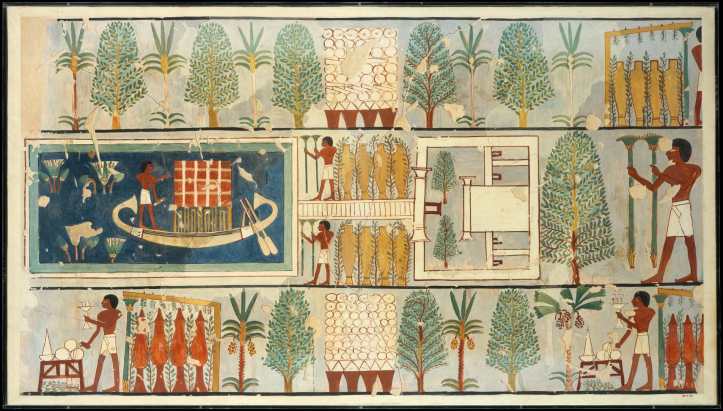
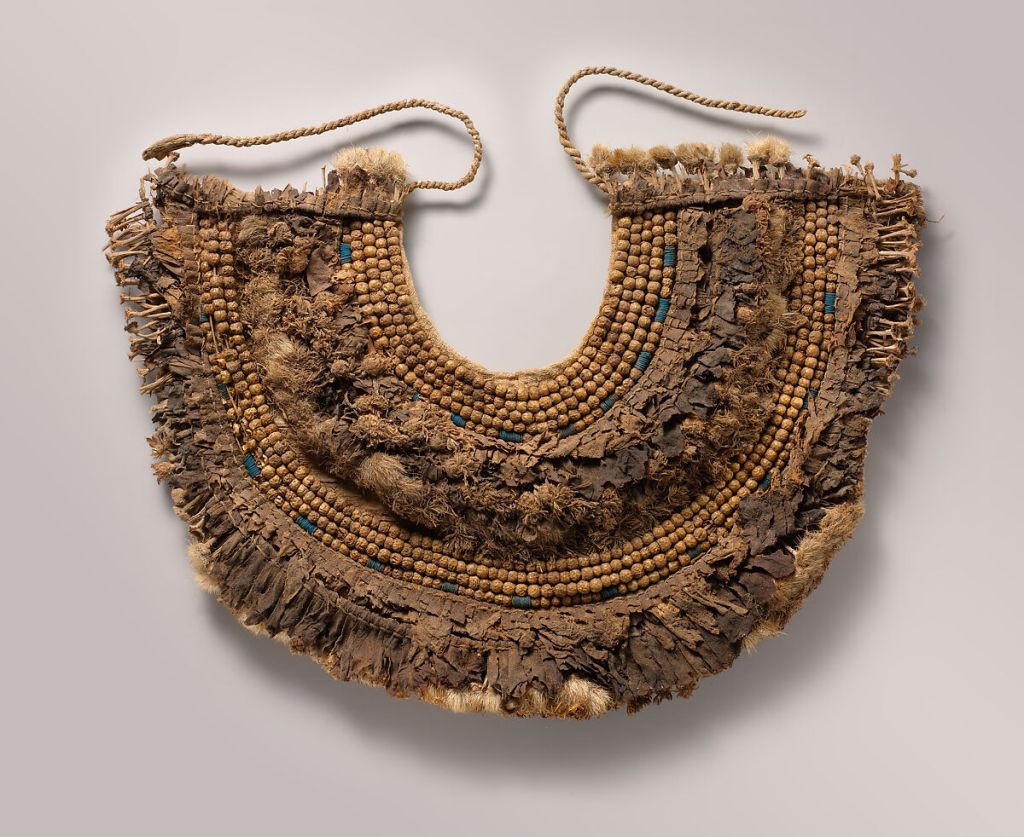
credit The Metropolitan Museum of Art, New York
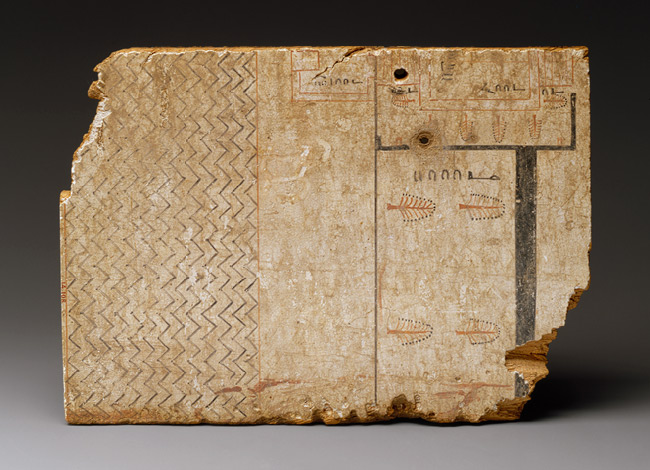
credit The Metropolitan Museum of Art, New York
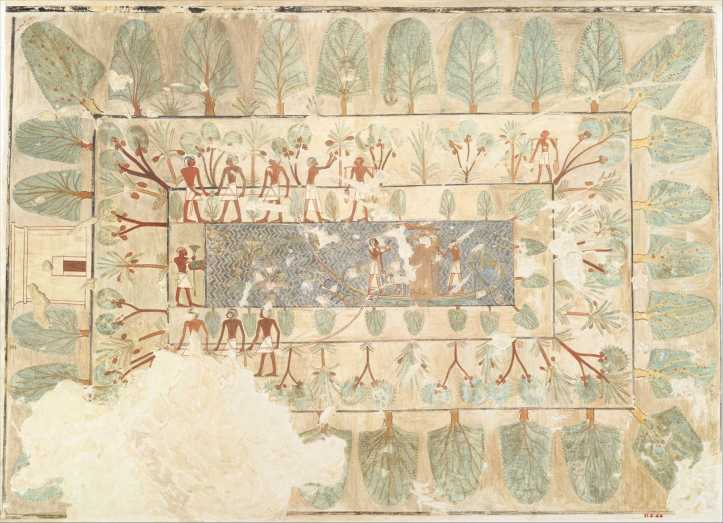
The book opens with a vivid depiction of the garden of Nebamun, a high-ranking official in Thebes around 1350 BCE. This lush sanctuary was filled with towering date palms, fig trees, Persea trees, blooming lotuses, and swaying papyrus. These verdant spaces were not merely ornamental; they reflected social status, provided essential resources, and carried profound symbolic meanings.
The Symbolism of Gardens in Egyptian Culture
Centore meticulously details the significance of gardens beyond their practical uses. Many Egyptian gardens were intricately linked to religious and mythological beliefs. Temples often had sacred gardens, where plants and flowers were cultivated for offerings to the gods. The Nile’s life-giving waters enabled the cultivation of these gardens, reinforcing the divine connection between nature and spirituality.
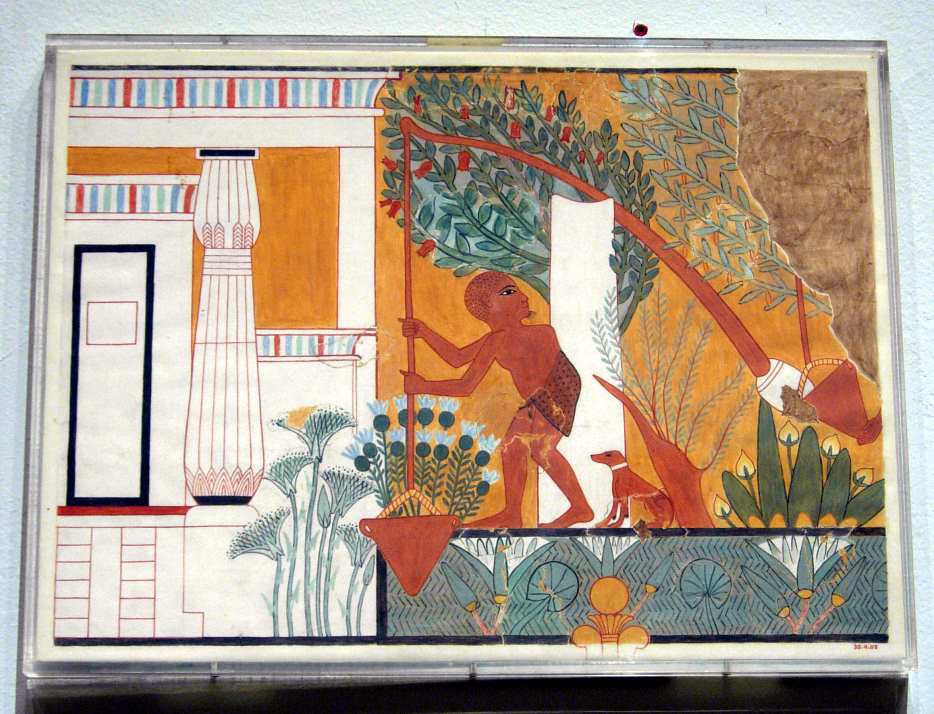
credit The Metropolitan Museum of Art, New York
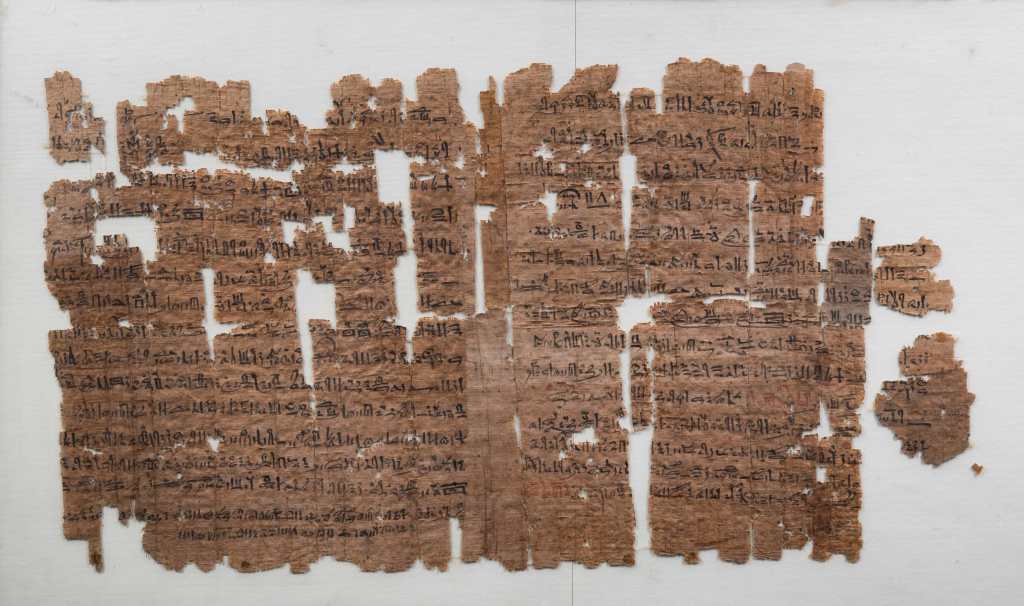
credit The Egyptian Museum,Turin
Private gardens were also a sign of prosperity and well-being. Elite residences often featured courtyards with ponds, serving aesthetic and functional purposes by maintaining cooler microclimates. These green havens were places of relaxation, meditation, and even inspiration for artistic expression.
The Role of the Gardener in Ancient Egypt
One of the most captivating sections of Faraoni e Fiori delves into the lives of ancient Egyptian gardeners. These skilled individuals were responsible for cultivating and maintaining the lush landscapes that adorned temples, palaces, and homes. Using rudimentary yet effective irrigation techniques, they ensured the survival of exotic flora despite Egypt’s challenging climate. The book highlights how their work was highly valued, often depicted in tomb paintings as a noble and vital profession.
Beyond Egypt: Mediterranean Influences
The book also explores how Egyptian horticultural traditions influenced and were influenced by neighbouring Mediterranean cultures. Centore traces the exchange of plants and gardening techniques between Egypt, Mesopotamia, and the classical world, demonstrating the interconnectedness of ancient civilizations through botanical knowledge.
A Comprehensive and Engaging Read
Divina Centore’s expertise shines through in Faraoni e Fiori, making it a valuable addition to the study of ancient Egypt. The book is well-structured, offering a blend of historical analysis, cultural insights, and botanical studies. Its accessible language makes it engaging for both scholars and casual readers interested in ancient history and gardening traditions.
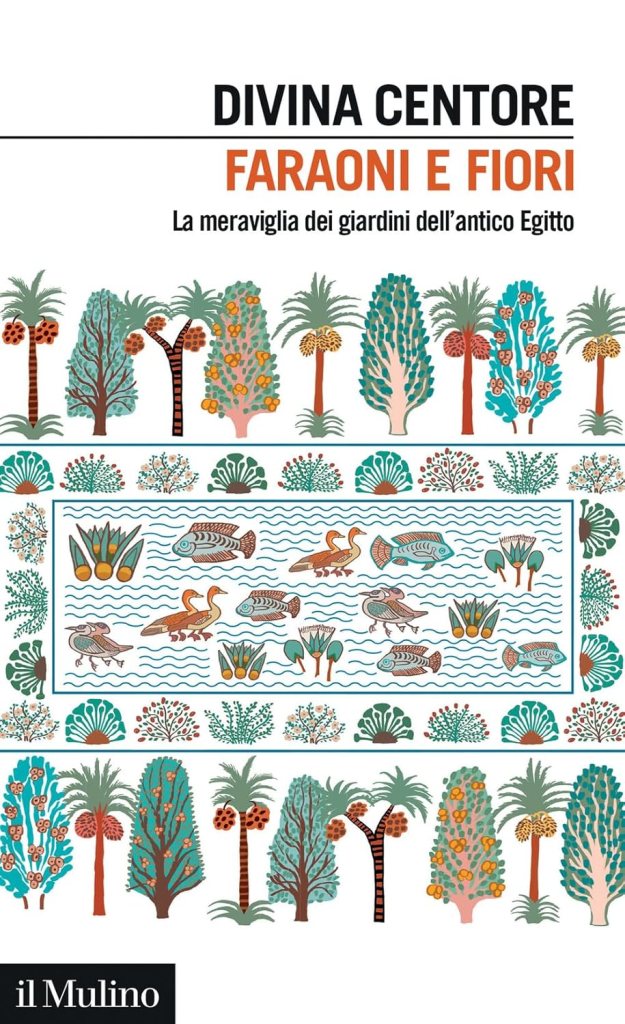
credit Il Mulino Publisher
 The Flora Journal