On 12 April 2025, Kew Gardens opens the doors to The Power of Trees, a new exhibition that brings history, science and art together in a sweeping celebration of the world’s most enduring giants. Held in the Shirley Sherwood Gallery of Botanical Art until 14 September 2025, the show marks the centenary of the Bedgebury National Pinetum and pays homage to William Dallimore, the pioneering horticulturist who helped ensure the survival of Britain’s conifer collection.
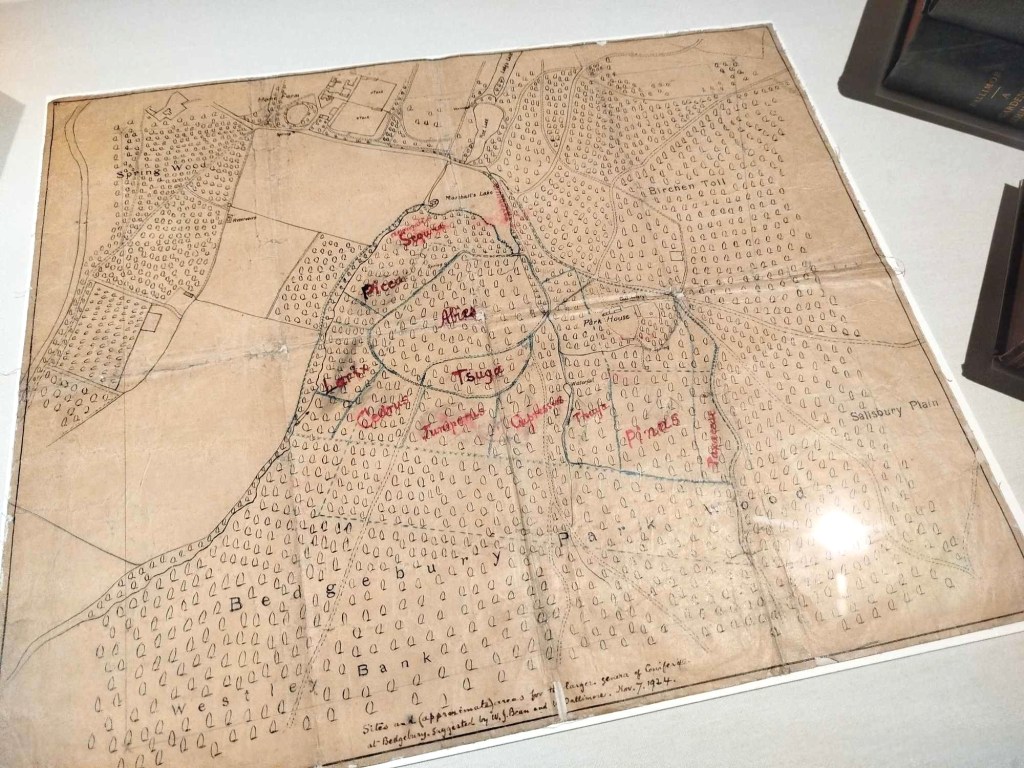
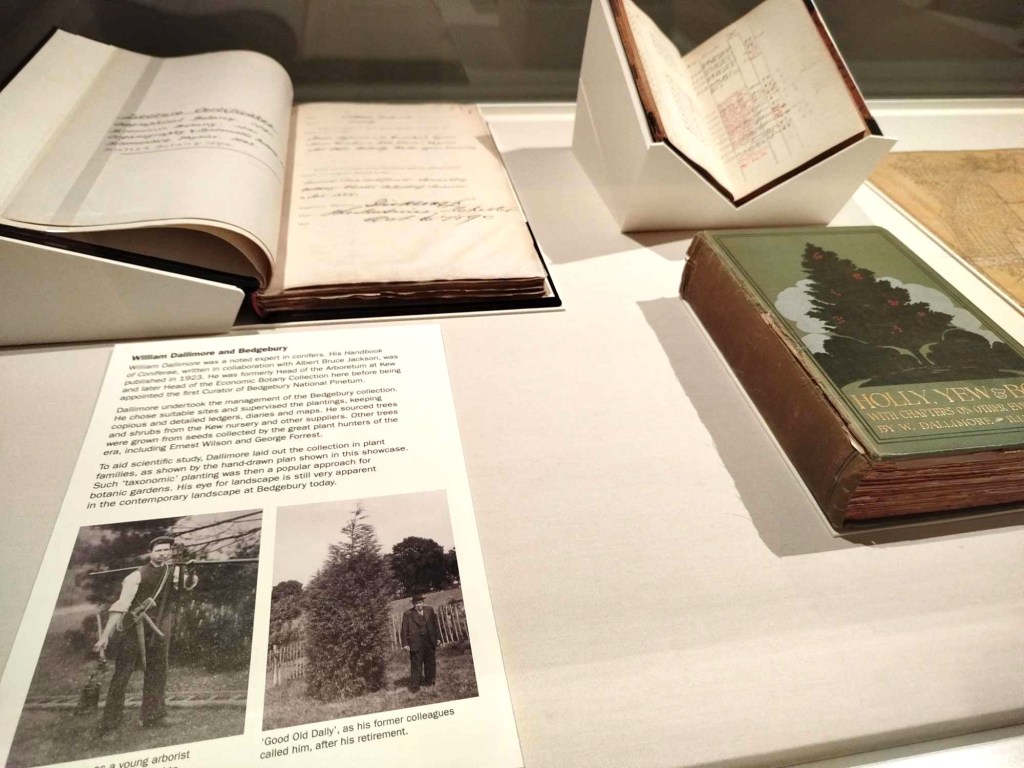
Dallimore, who began his career as a student gardener at Kew in 1891, saw firsthand the toll that London’s increasing industrial pollution was taking on the Gardens’ prized conifer trees. By the early 1920s, he had concluded that the city’s “atmospheric conditions make it impossible to cultivate any kind of Conifers.” Realising the rarity and fragility of the collection, he set out to find a new home for these botanical treasures.
His search led him to Bedgebury in Kent, where the varied topography and soil types provided an ideal setting. In 1925, the first trees grown at Kew were planted there, launching what would become the world’s most extensive pinetum. Today, Bedgebury is home to nearly 12,000 trees and remains a global centre for conifer conservation and research.
At the heart of the exhibition is Dallimore’s legacy. Through previously unseen letters, planting plans, photographs and personal notes, The Power of Trees explores his groundbreaking work and his central role in establishing a conservation ethos that still guides Kew and Bedgebury today.
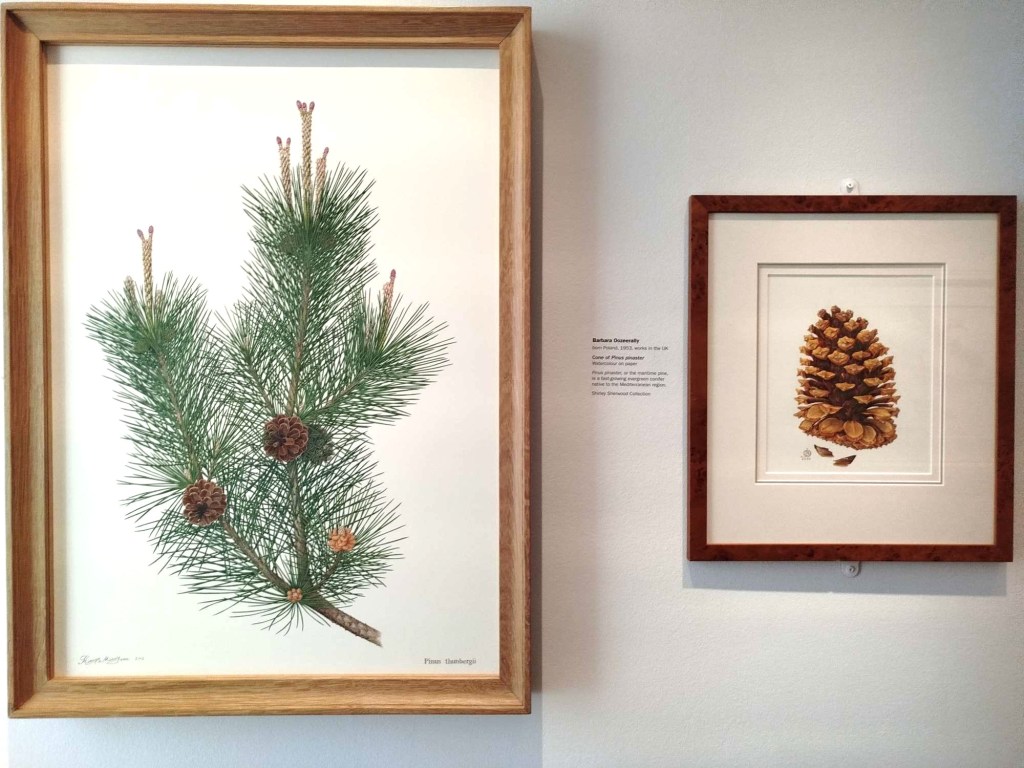
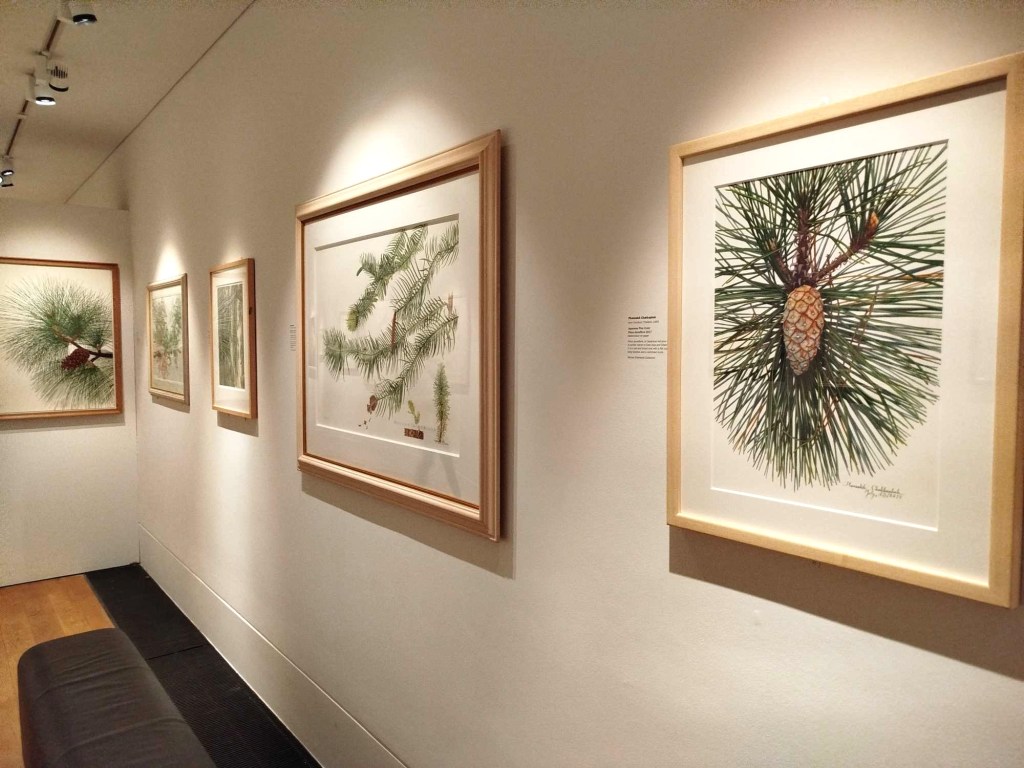
But the exhibition also looks beyond the past. Twenty newly commissioned botanical artworks from the Bedgebury Pinetum Florilegium Society are being unveiled to the public for the first time. Each intricately rendered piece represents one of the trees planted at Bedgebury in 1925, combining scientific precision with artistic beauty. The result is a living archive that supports both botanical research and visual storytelling.
“William Dallimore was a true visionary,” says Dan Luscombe, Curator of Forestry England’s Bedgebury Pinetum. “He understood the value of long-term planning and environmental stewardship, long before those ideas were mainstream. This exhibition celebrates his foresight and the enduring collaboration between Kew and Bedgebury.”
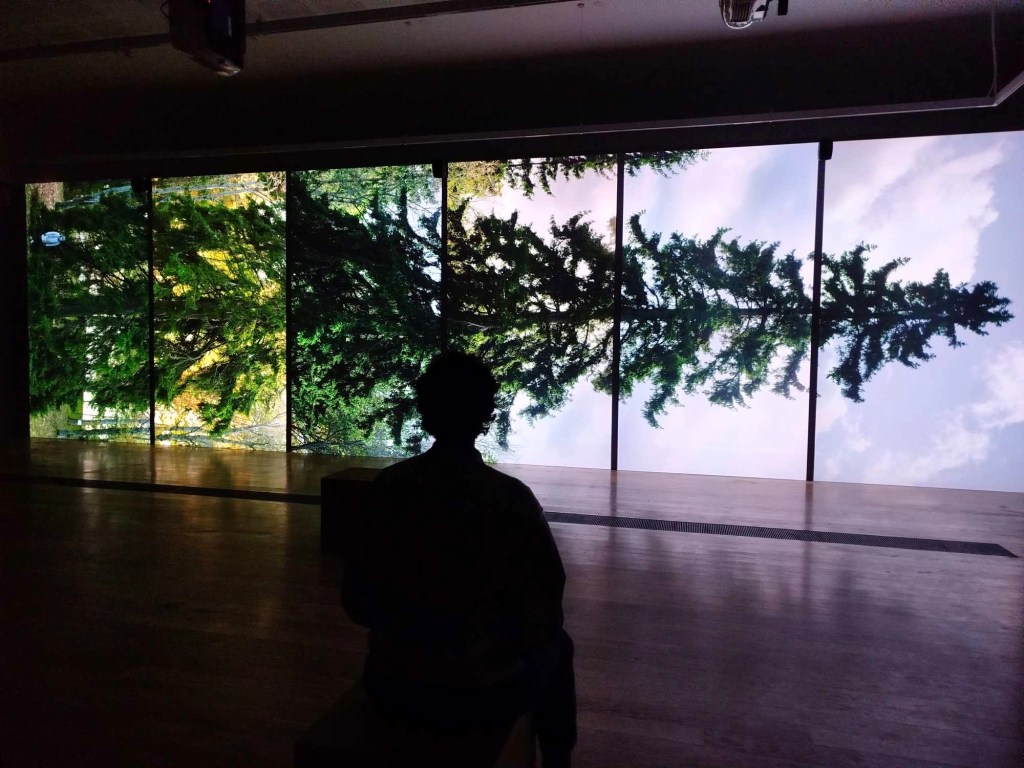
Adding a contemporary edge to the show is Finnish artist Eija-Liisa Ahtila’s striking video installation Horizontal – Vaakasuora. Displayed across six vertical screens, the work is a cinematic portrait of a single 30-metre spruce in the boreal forest of Finland. The piece challenges viewers to consider how we see and experience nature, while also reflecting on the scale, resilience and vulnerability of individual trees.
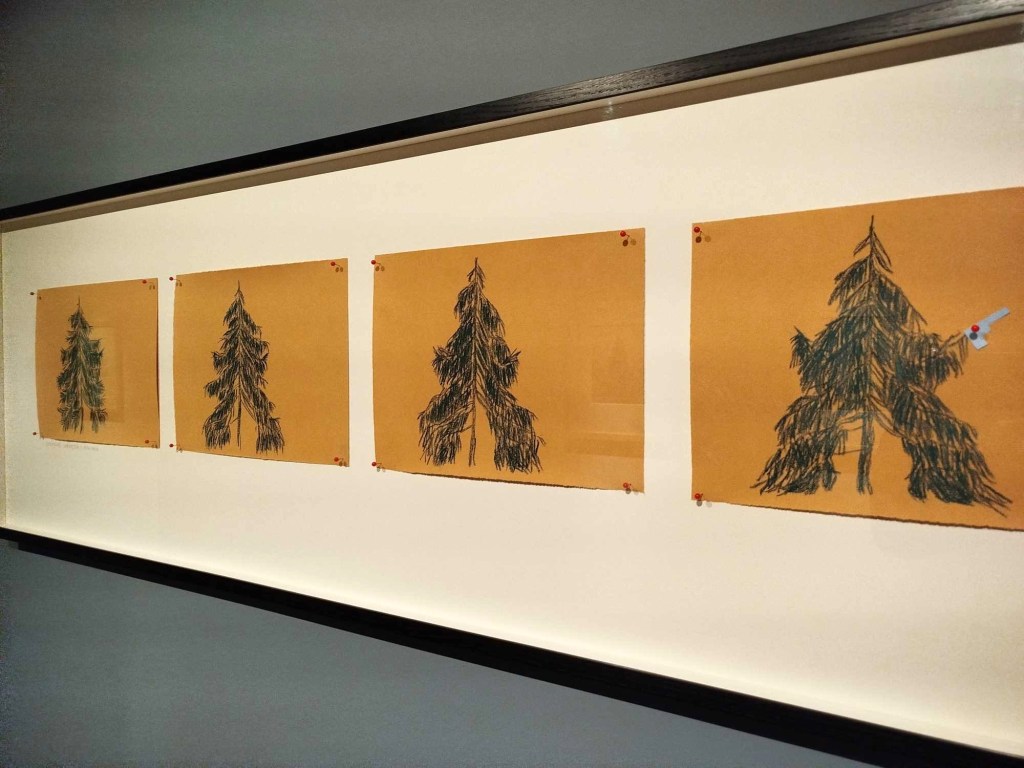
Alongside the video, Ahtila’s preparatory drawings—ANTHROPOMORPHIC EXERCISES IN FILM—are also on display, exploring how non-human subjects can be represented through human cinematic techniques.
Maria Devaney, Kew’s Galleries and Exhibition Leader, believes the exhibit could not come at a better time. “As we face an accelerating biodiversity crisis, it’s crucial to recognise how trees have shaped our world and how deeply they continue to inspire us. This exhibition brings together conservation, art and history to tell a story that’s both urgent and uplifting.”
Visitors can explore The Power of Trees with standard admission to Kew Gardens, which also includes access to the gardens’ new Remarkable Trees trail, as well as an immersive installation, Of the Oak, launching in May. A complementary exhibition, Woodlands and Forests, opens April 25 in the Marianne North Gallery and delves deeper into the diversity and ecological role of woodland species.
As climate change and deforestation threaten ecosystems worldwide, The Power of Trees is a timely reminder of what we stand to lose—and what visionaries like Dallimore have fought to protect.
 The Flora Journal