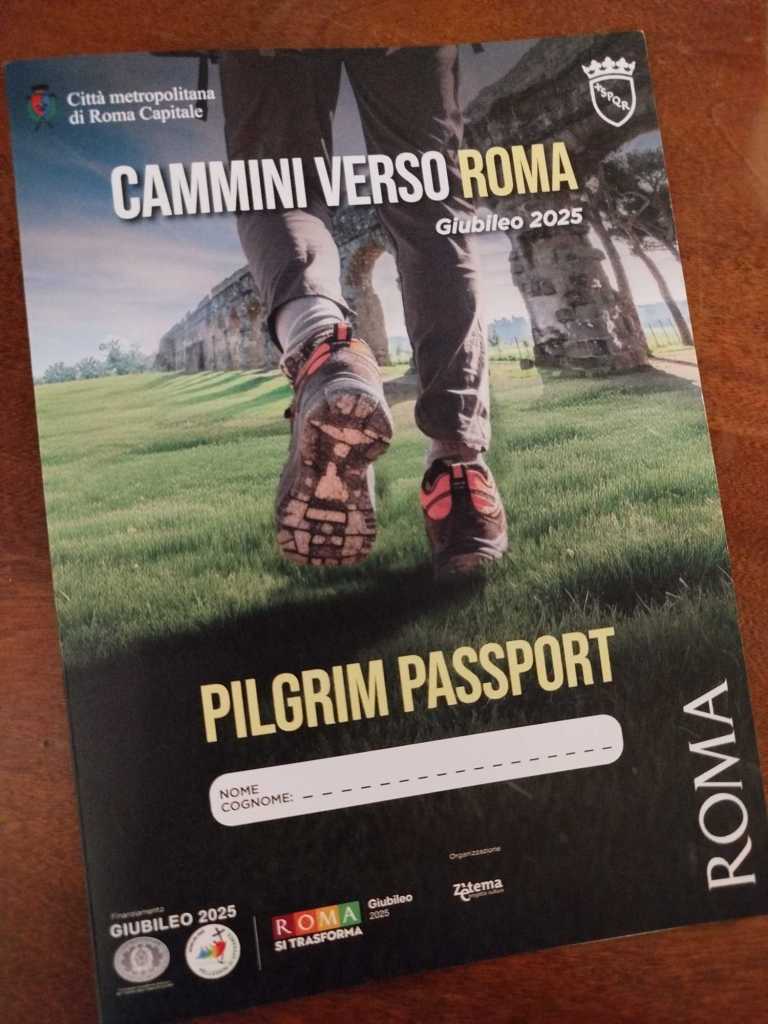
The project Cammini verso Roma (Walks towards Rome), organised by Zètema Progetto Cultura in Italy, around the Capital, is much more than a tourist itinerary: it is a living synthesis of nature, culture, spirituality, and architecture. At a time when slow travel is gaining increasing popularity, this route becomes a regenerative experience that connects walking with a deeper appreciation of the territory. In 2024, slow tourism in Italy recorded impressive figures, including a 29% increase in the number of walkers compared to 2023. Due to the Jubilee 2025, which brings with it the great themes of the environment, sustainability and care of the planet, the number is increasing.
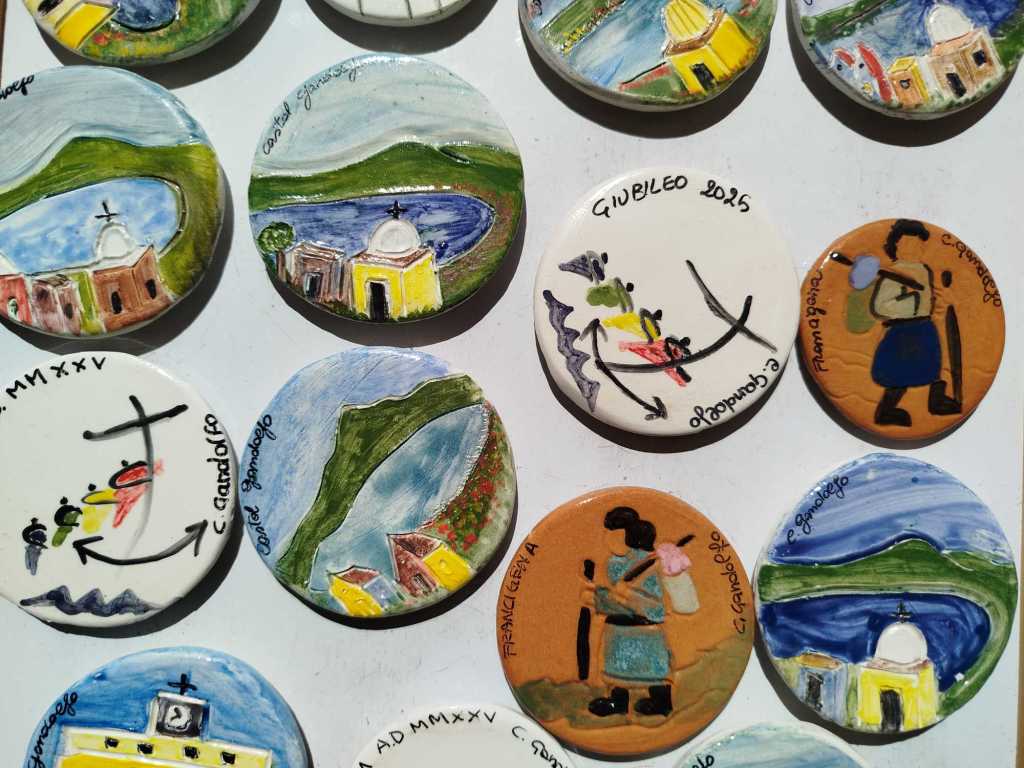
about the Via Francigena and the Jubilee in Castel Gandolfo
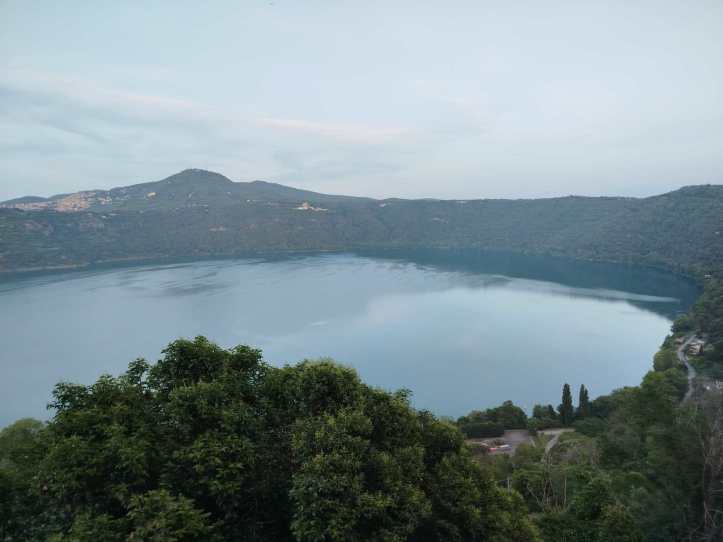
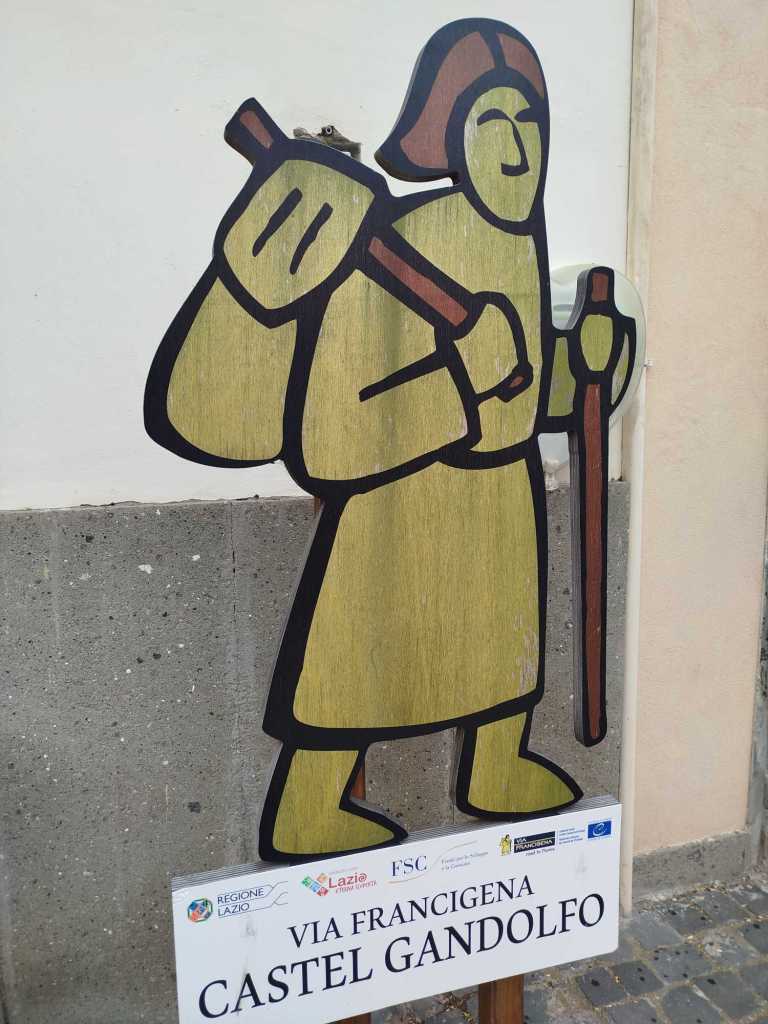
in Castel Gandolfo
Italy is crisscrossed by a network of historic pilgrimage and trade routes leading to the capital. Three of these paths: the southern Via Francigena, the Via di Francesco (St. Francis Way), and the final stretch of the northern Via Francigena, offer travellers a comprehensive experience of breathtaking landscapes, historic architecture, and authentic hospitality, especially through local food and wine.
Via Francigena (south): among volcanic lakes and timeless traditions
The second stage of the Via Francigena, towards the south and the ports in the direction of the Holy Land, begins in the heart of the Castelli Romani area, starting from Castel Gandolfo, a former papal summer residence overlooking Lake Albano, the deepest volcanic lake in Italy. The village welcomes walkers with a well-preserved historic centre and spectacular views. Essential stops include the Apostolic Palace, now a museum, and the Borgo Laudato Sì Gardens, where Roman ruins merge with manicured natural surroundings, a place where temporal power and spirituality intertwine.
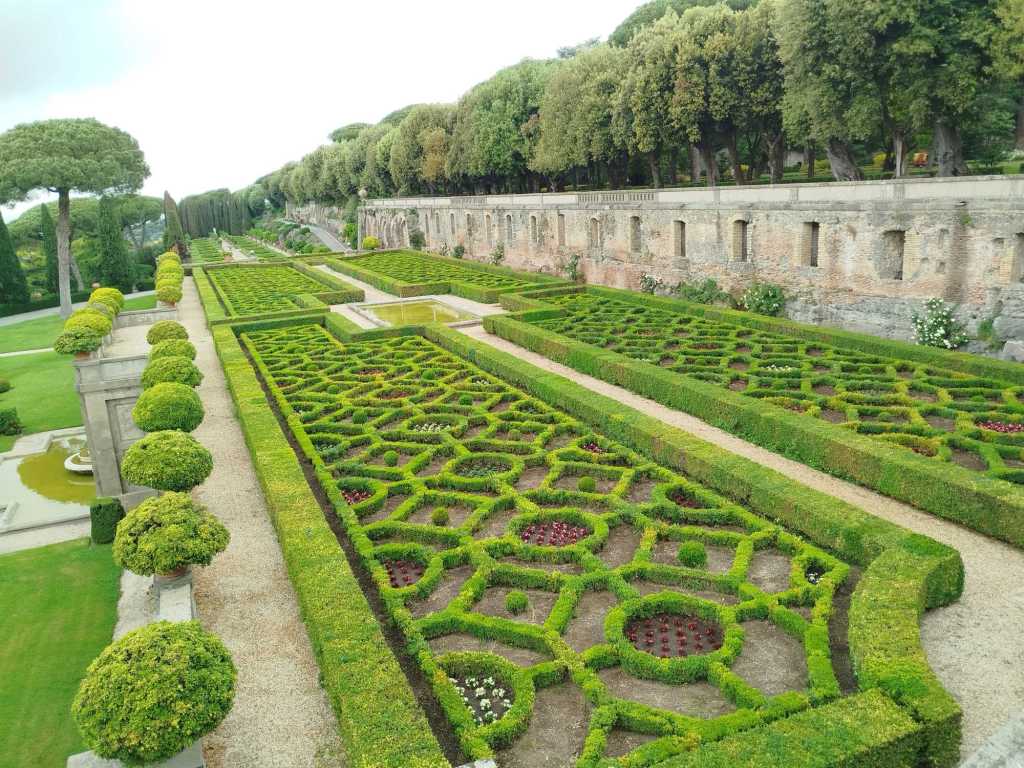
in Castel Gandolfo
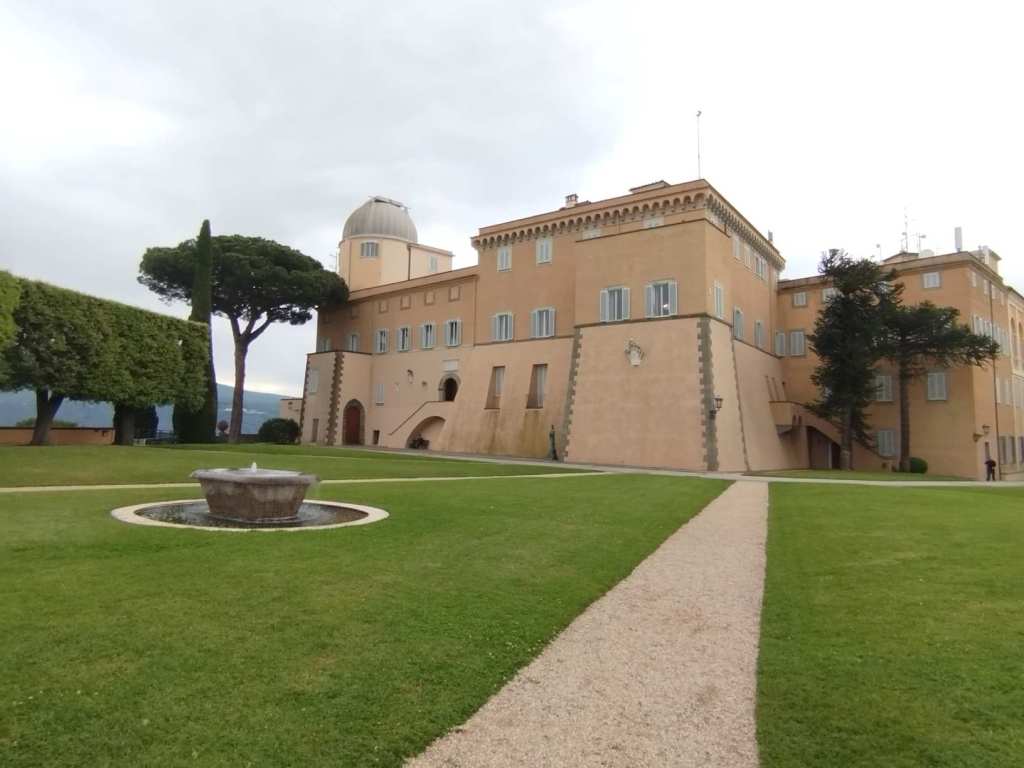
in Castel Gandolfo
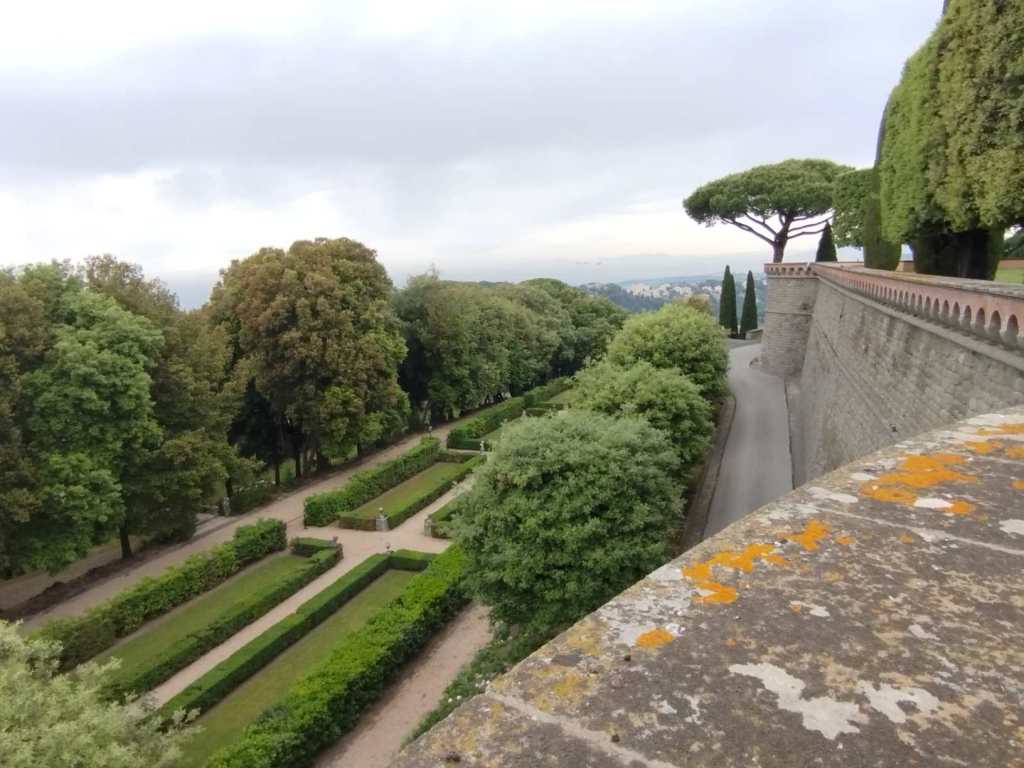
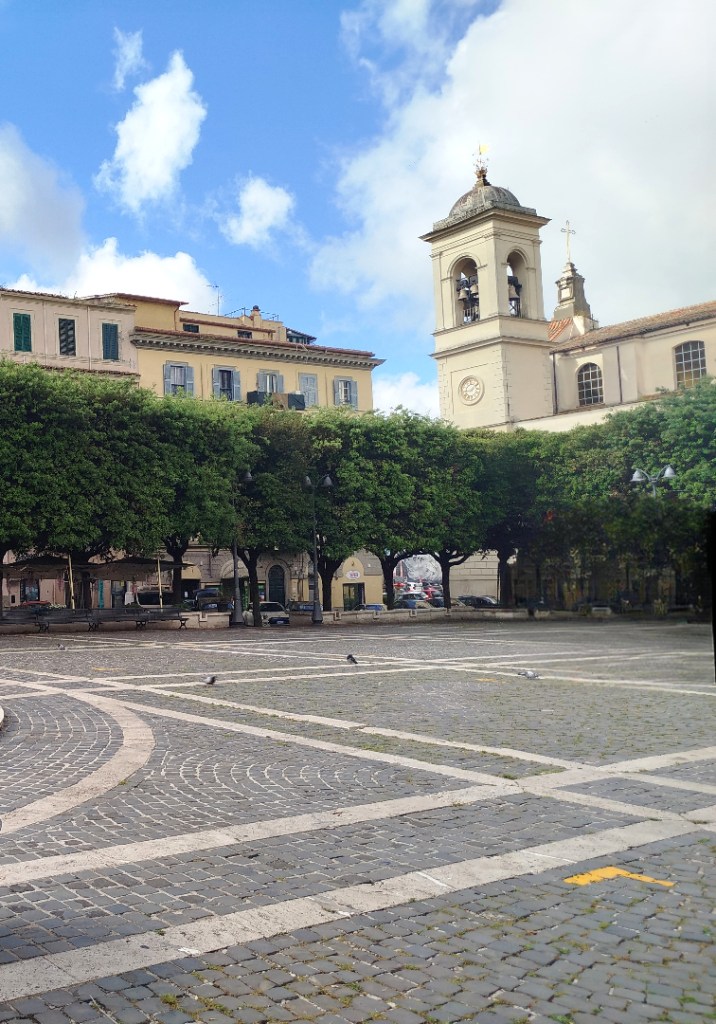
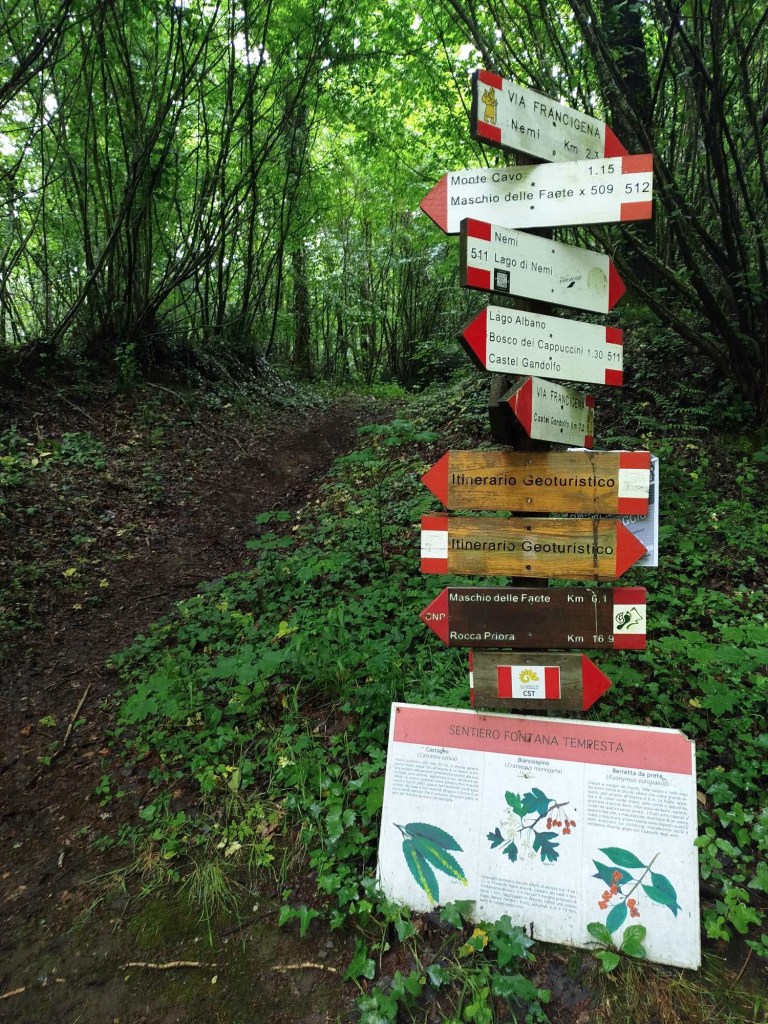
From Castel Gandolfo, the route continues along the southern Via Francigena, passing through Albano Laziale, home to an ancient amphitheatre, and then enters the Castelli Romani Regional Park. Shaded woodland trails, rich with chestnut trees and shrubs like holly and viburnum, lead to Nemi, a medieval gem known for its tranquil lake and wild strawberries, whose festival is held annually at the beginning of June. The colourful cobblestone alleys lead toward Palazzo Ruspoli, with sweeping views of the Roman Ship Museum, the Temple of Diana, and strawberry farming.
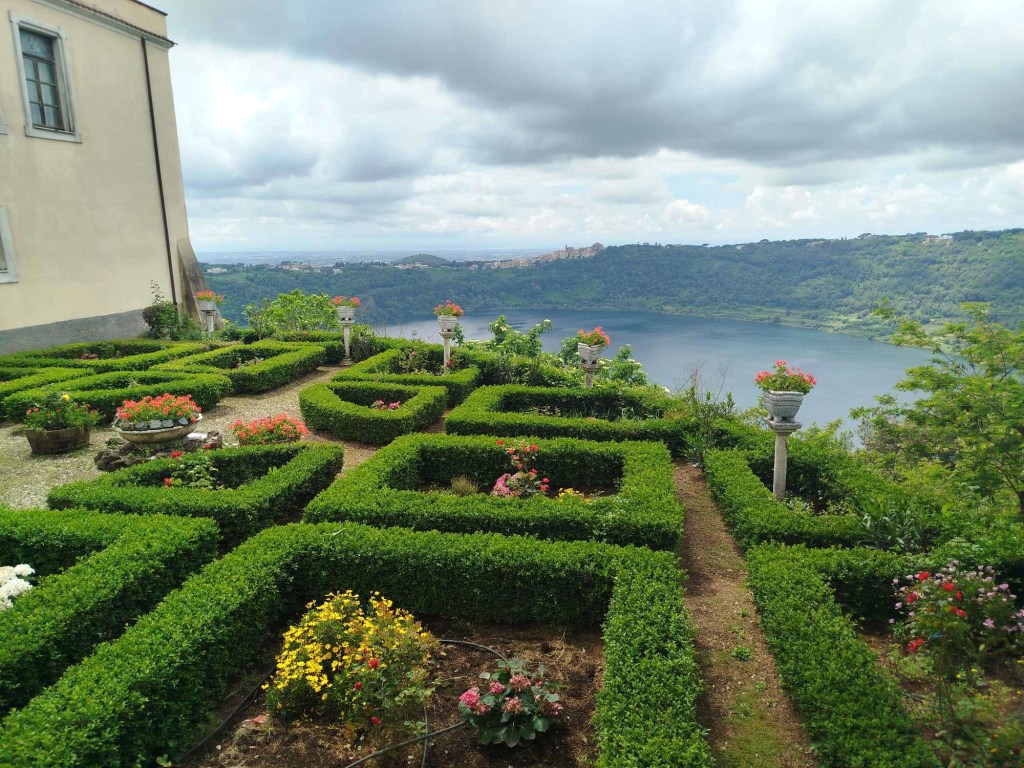
from the roses garden
Approaching Velletri, the trail reveals vineyards nurtured by volcanic soil. This region is home to Colle di Maggio, one of Italy’s most renowned wineries, which produces globally acclaimed wines using historic techniques. Velletri itself, a city rich in museums and cultural events, hosts the Camellia Festival, which is held annually at the end of March, thanks to its mineral-rich soil that favors these blooms.
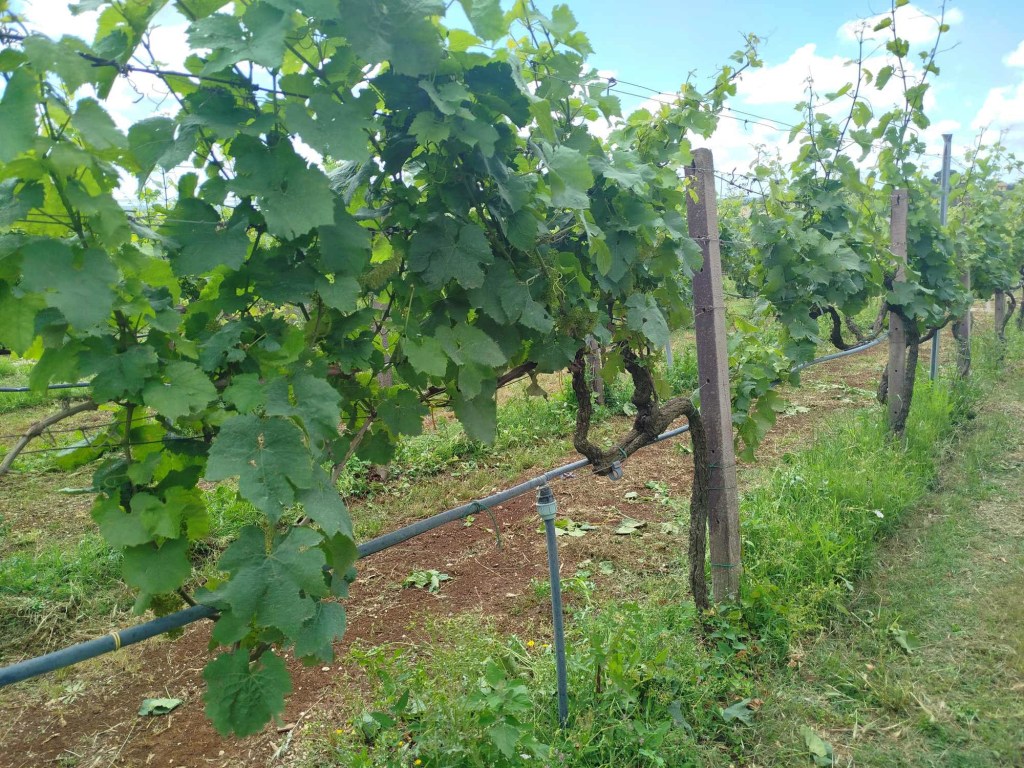
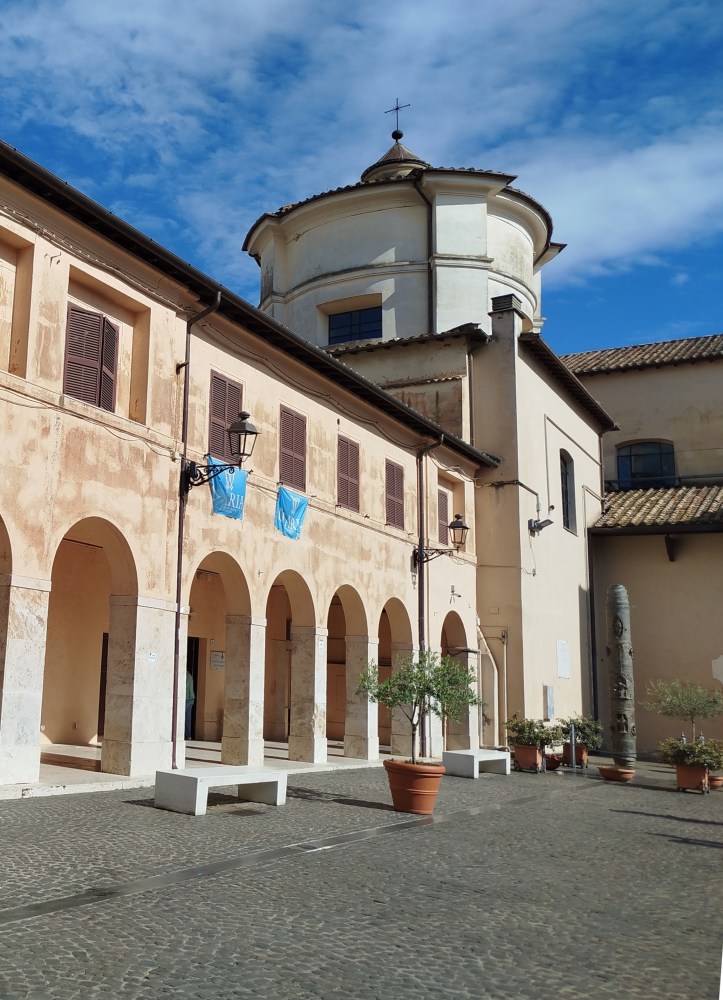
in Velletri
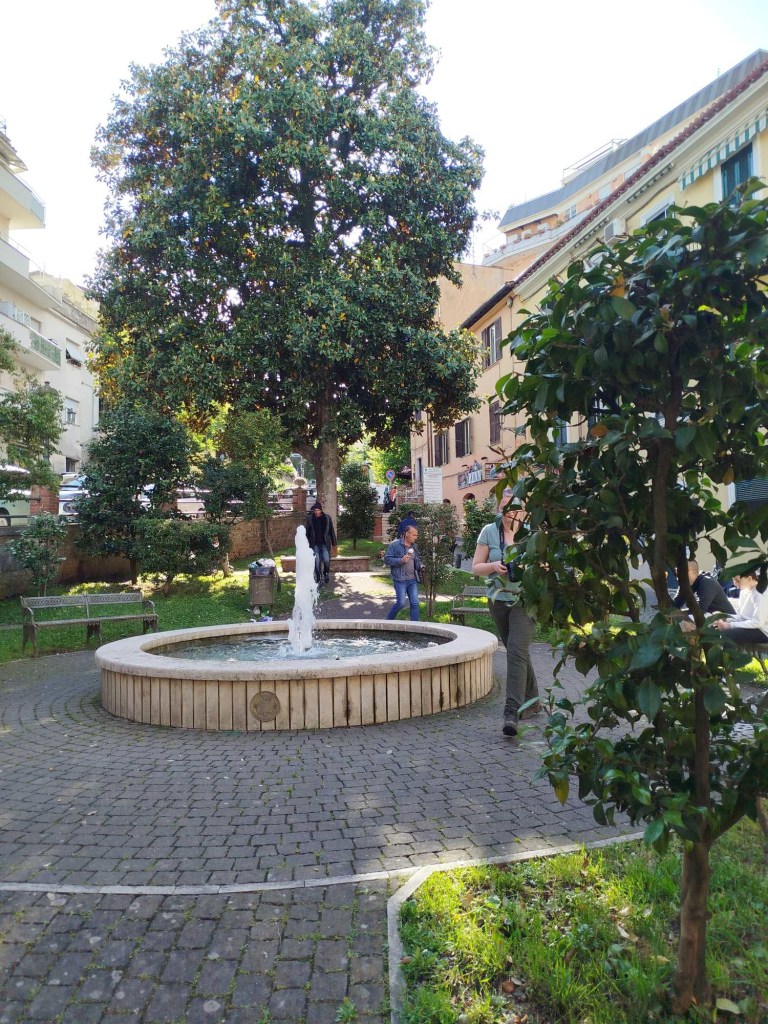
Via di Francesco: spiritual reflection and modern architecture
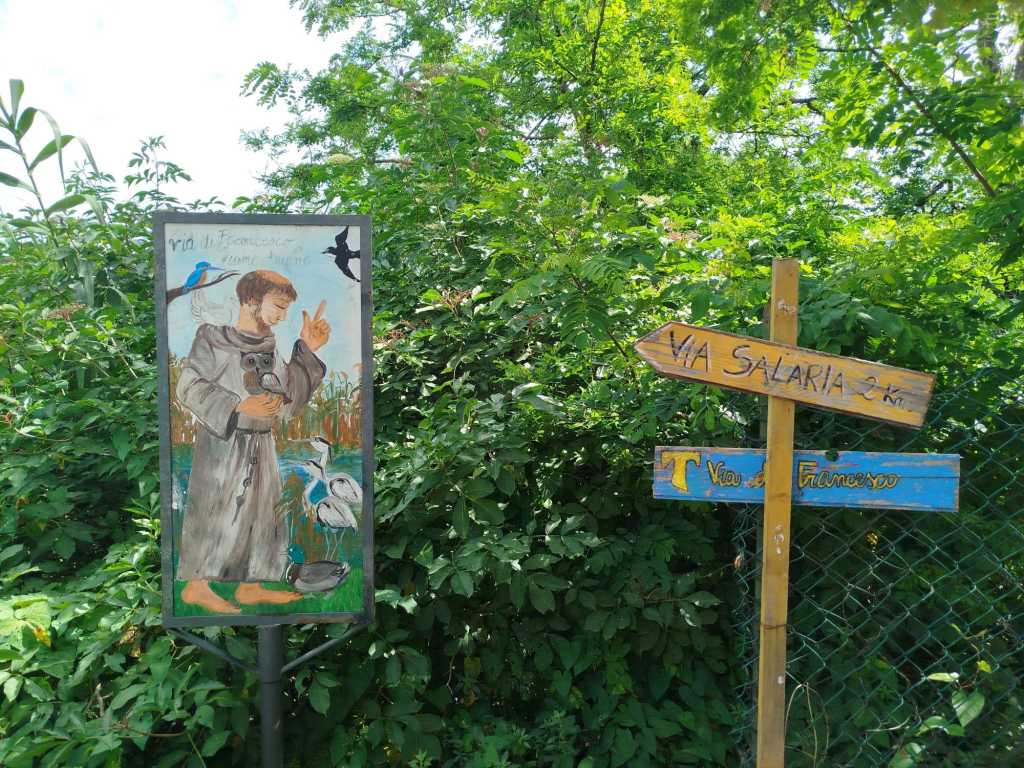
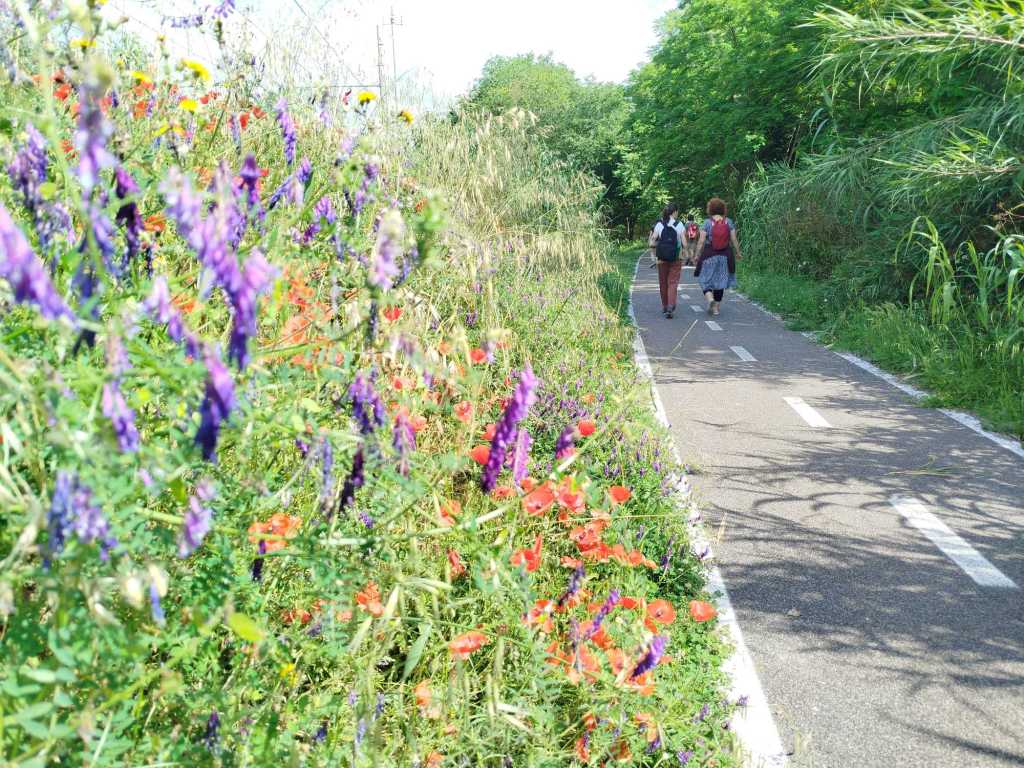
The Via di Francesco or Cammino di Francesco, which connects Florence to Assisi, then Assisi to Rome, blends spiritual heritage with natural beauty. In its final urban section through Rome, the path follows the Aniene River, through neighbourhoods famous in Italian neorealism movies, and showcases the city’s modern architectural icons.
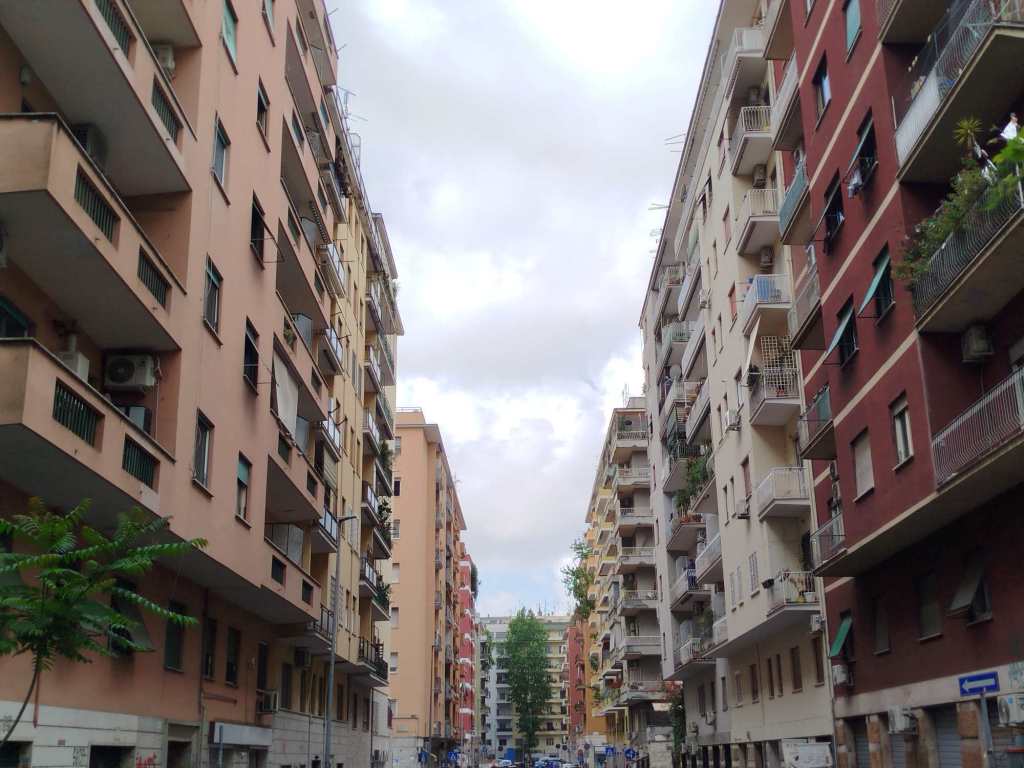
Landmarks, designed by famous architects, include the Grand Mosque of Rome by Paolo Portoghesi, whose outer columns resemble trees in an imaginary forest; Renzo Piano’s Auditorium Parco della Musica Ennio Morricone, inspired by ancient amphitheatres and home to an indoor archaeological garden; the Palazzetto dello Sport by Pier Luigi Nervi, a modern reinterpretation of the Pantheon; and Zaha Hadid’s MAXXI, the National Museum of 21st Century Arts, with its futuristic lines. The walk offers a stunning view of Monte Mario from the Ponte della Musica Armando Trovajoli bridge.
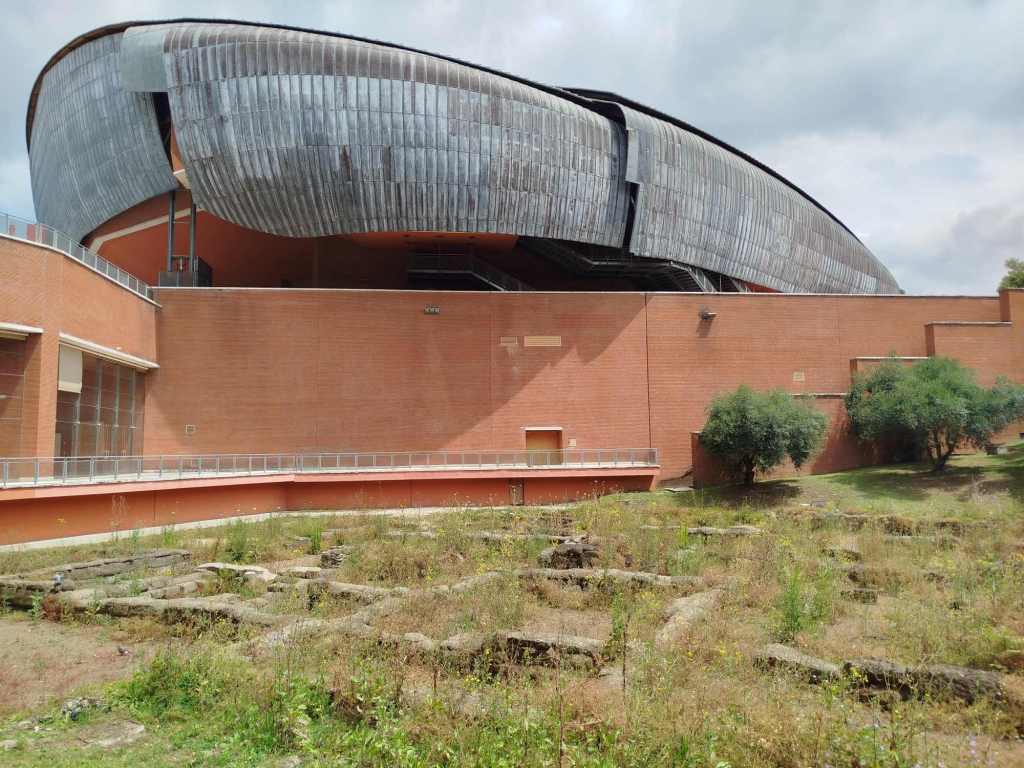
at the Parco della Musica Auditorium by arch. R. Piano
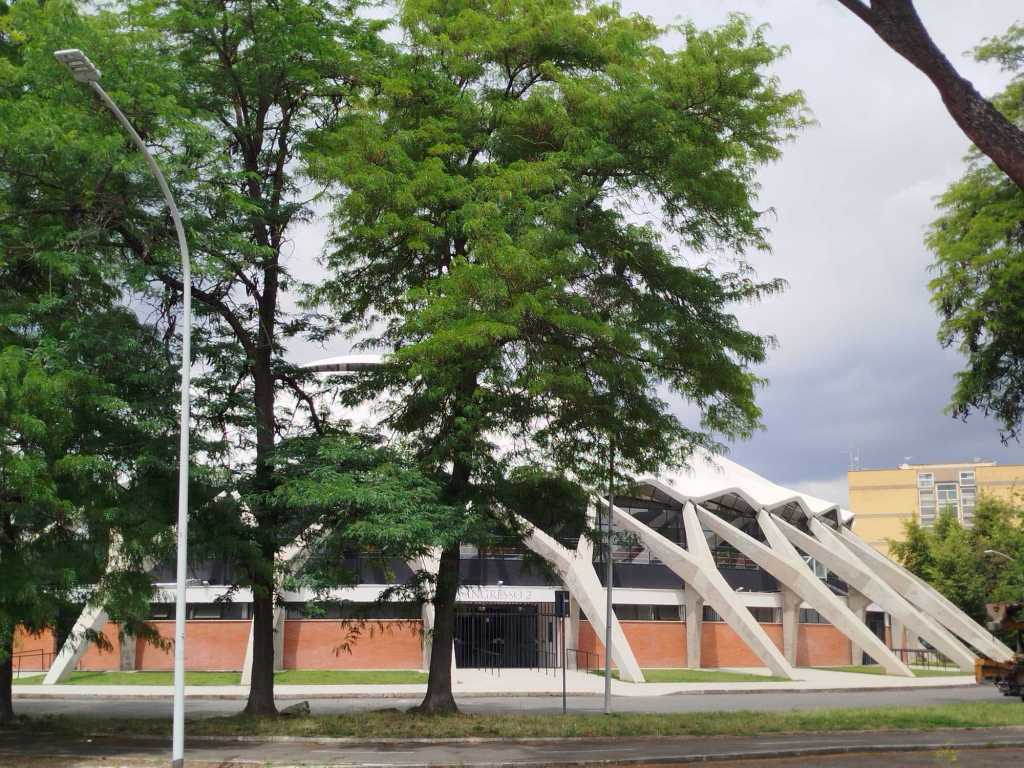
by ing. P. Nervi
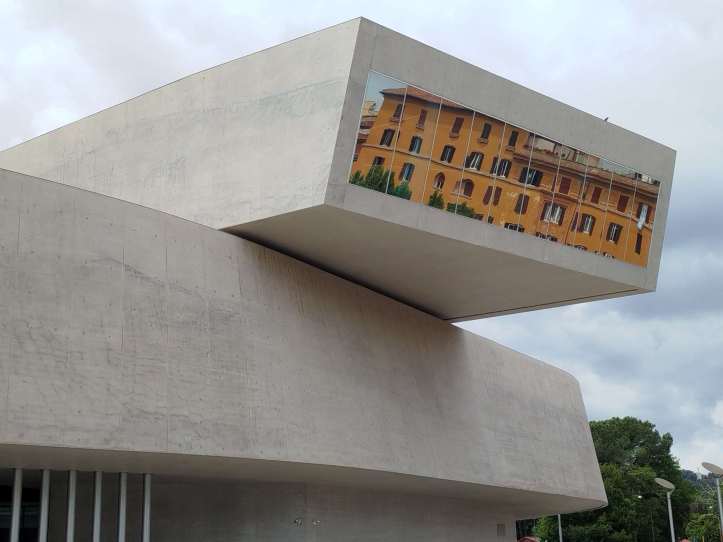
by arch. Z. Hadid
The route then follows the Tiber River, nestled in the silence of high embankment walls. It passes rowing clubs and historical sites like the Ara Pacis, before culminating at St. Peter’s Basilica, where pilgrims can receive the Testimonium, a certificate of completion.
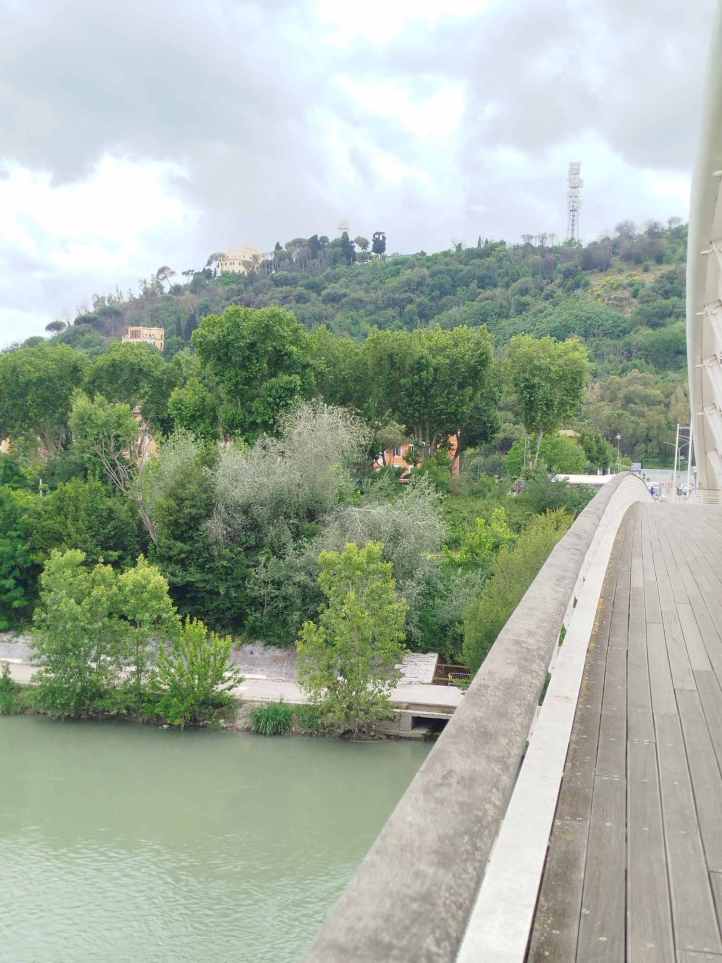
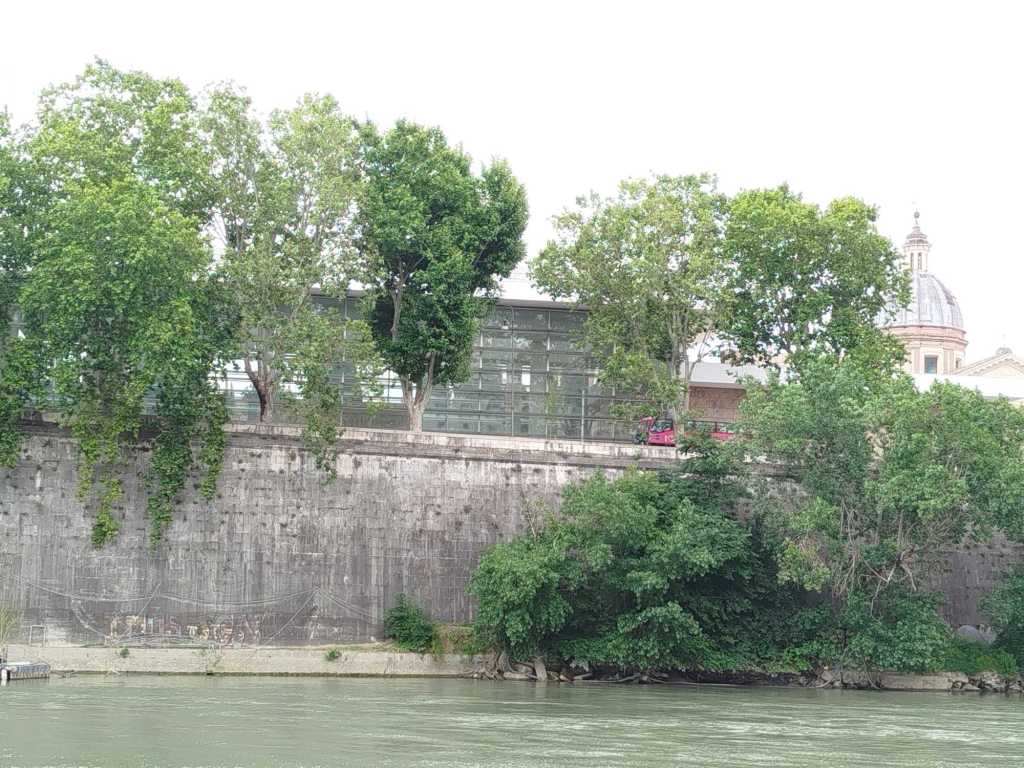
along Tiber river
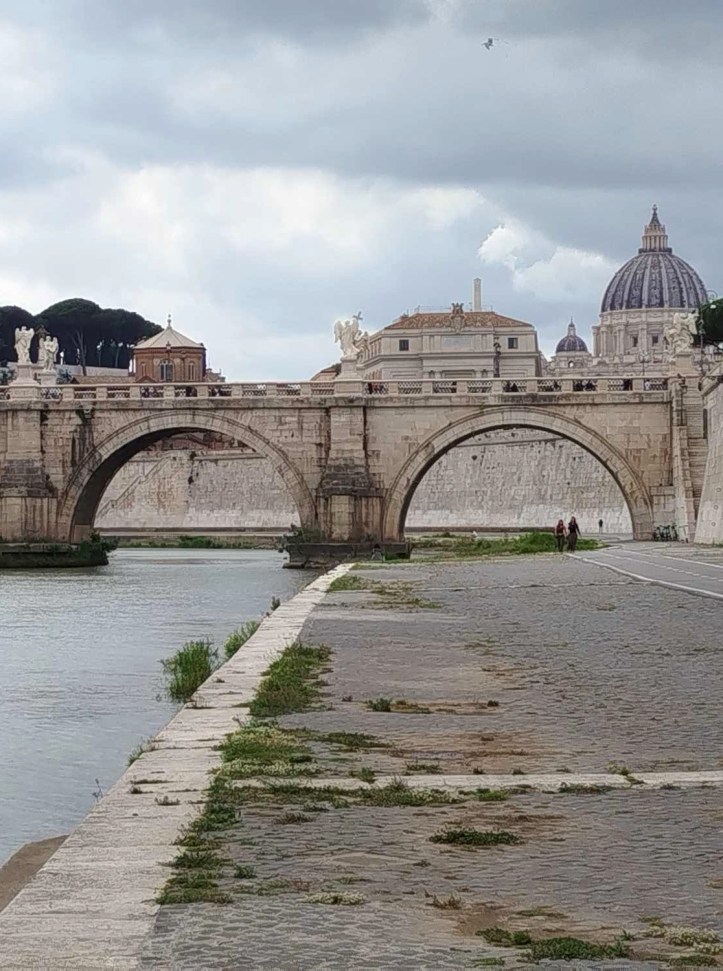
along Tiber river
Via Francigena (north): the joy of arrival
The final stretch of the northern Via Francigena provides a moment of surprise and emotion. Walkers cross the Insugherata Nature Reserve, a 700-hectare green corridor teeming with wildlife and archaeological remains, a peaceful, natural environment just kilometres from St. Peter’s dome, designed by Michelangelo.
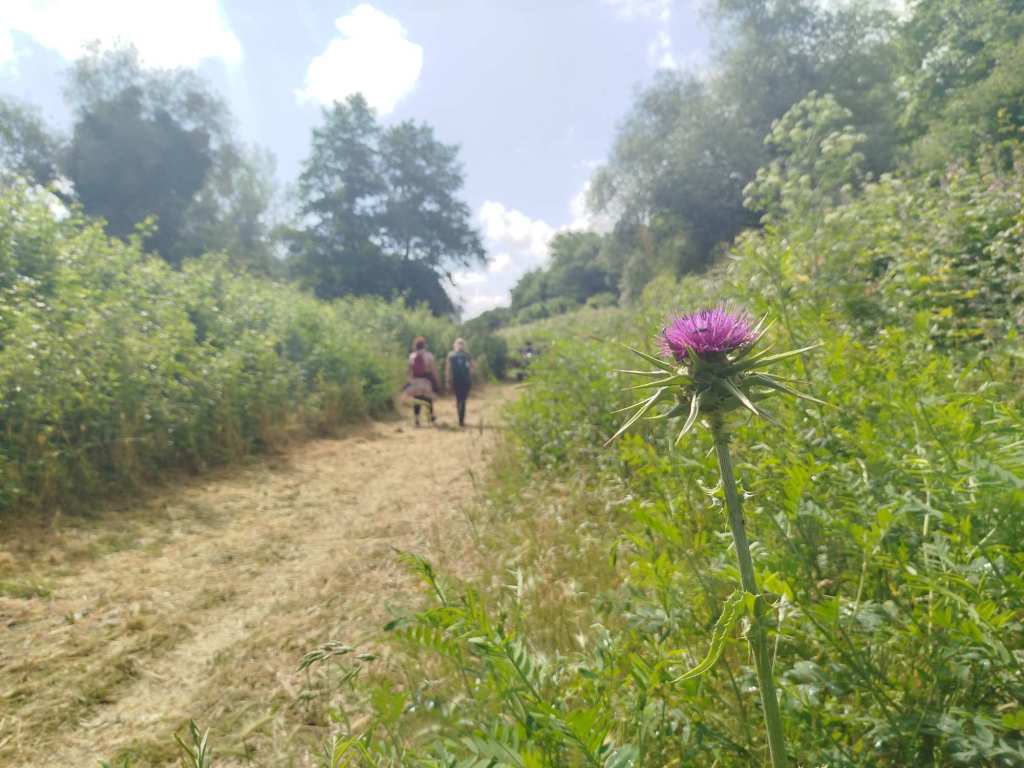
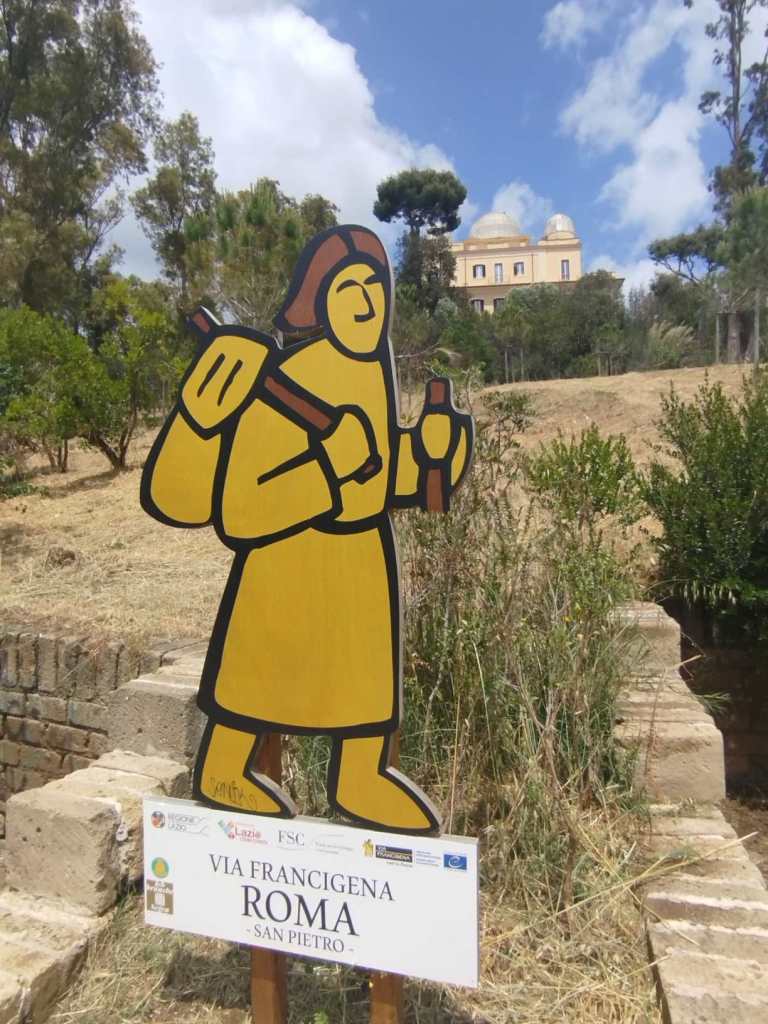
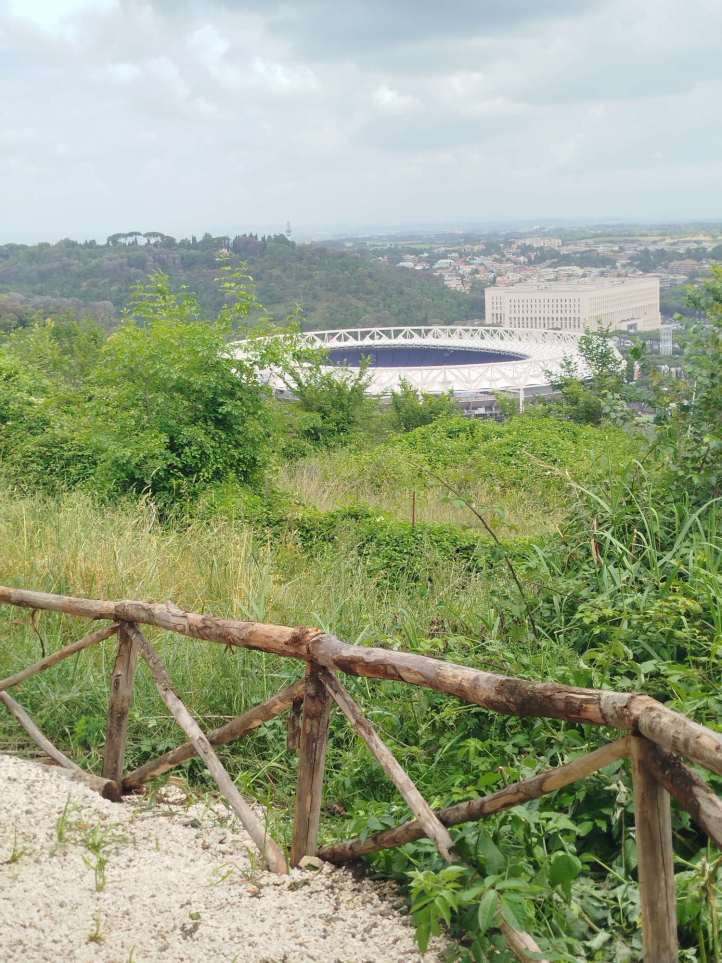
From there, the path ascends to Monte Mario, historically known as Mons Gaudii or “Mount of Joy,” where medieval pilgrims caught their first glimpse of Rome. The Monte Mario Reserve features Mediterranean vegetation, panoramic trails, and landmarks like Italian National Institute for Astrophysics (INAF), Foro Italico and Palazzo della Farnesina.
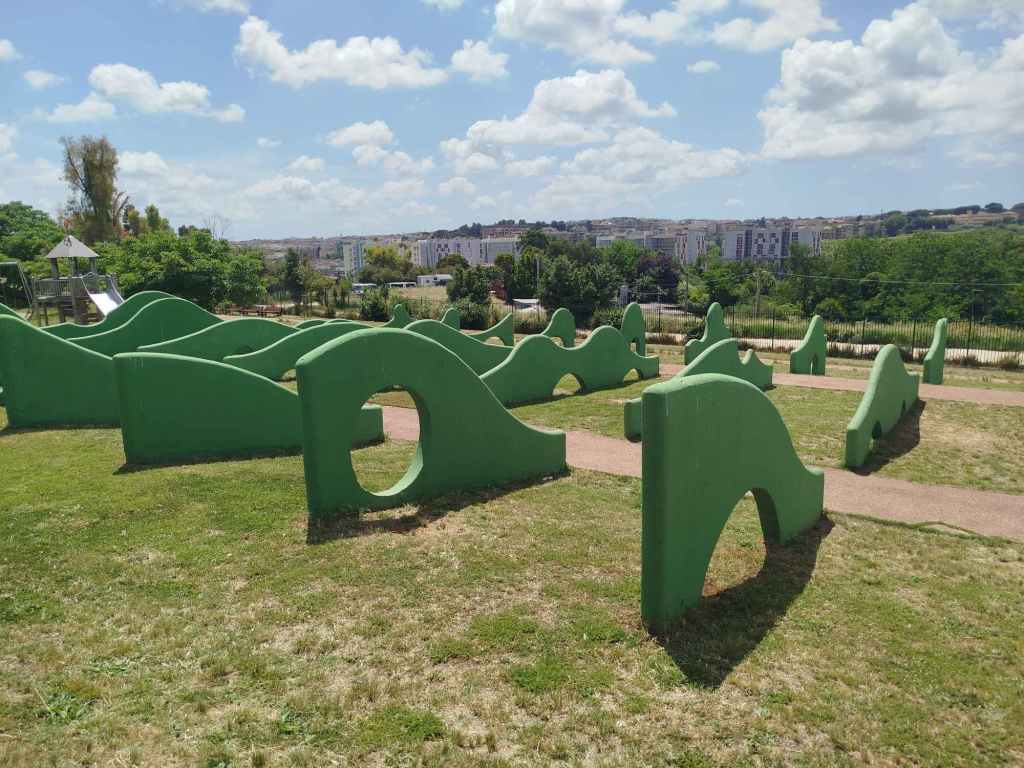
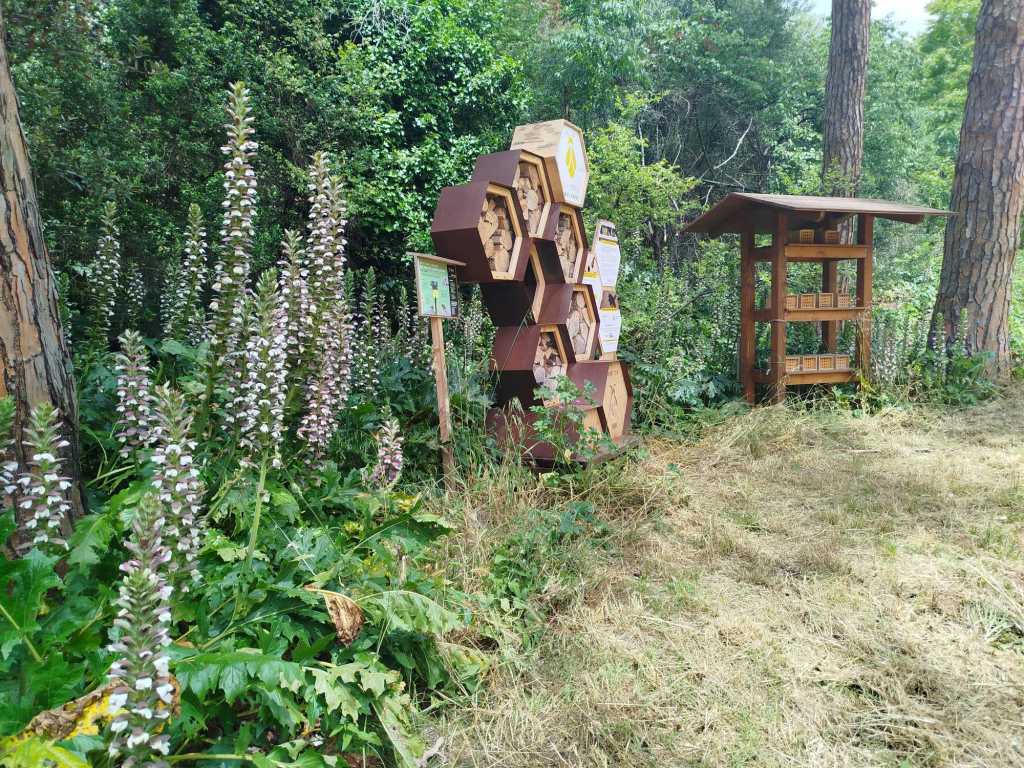
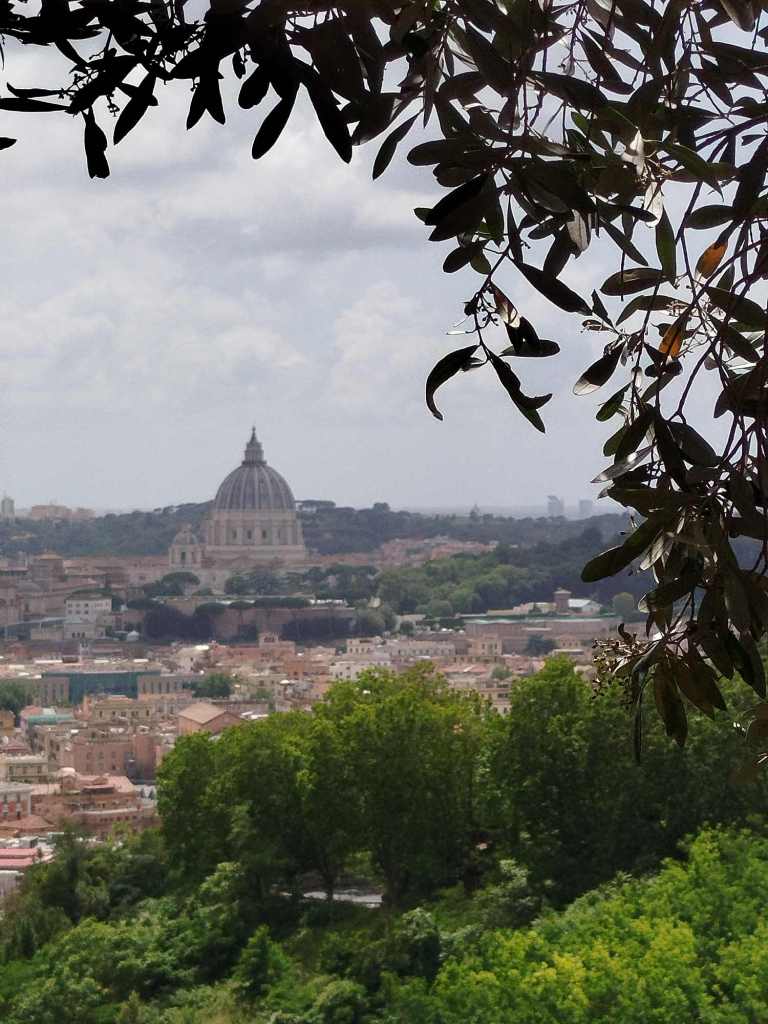
From the Belvedere in the renovated Monte Ciocci Park, one can enjoy sweeping views of the Vatican and its gardens, accessible via a new pedestrian bridge leading to the Passeggiata dei Gelsomini (Jasmine Promenade), just behind St. Peter’s Square, Gian Lorenzo Bernini‘s masterpiece.
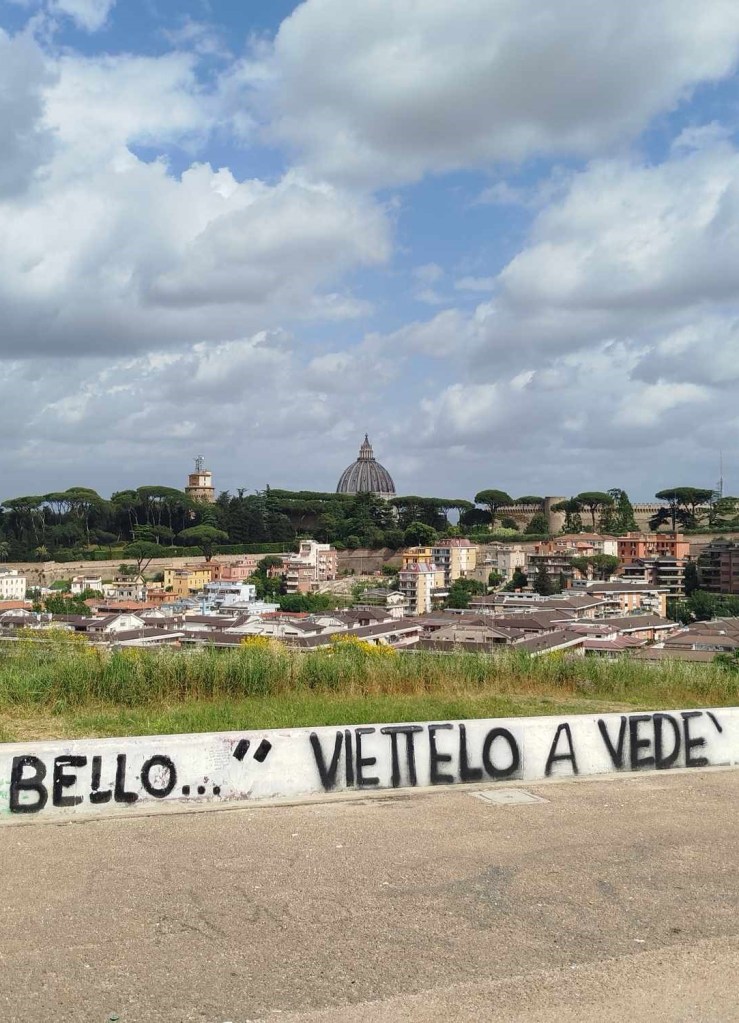
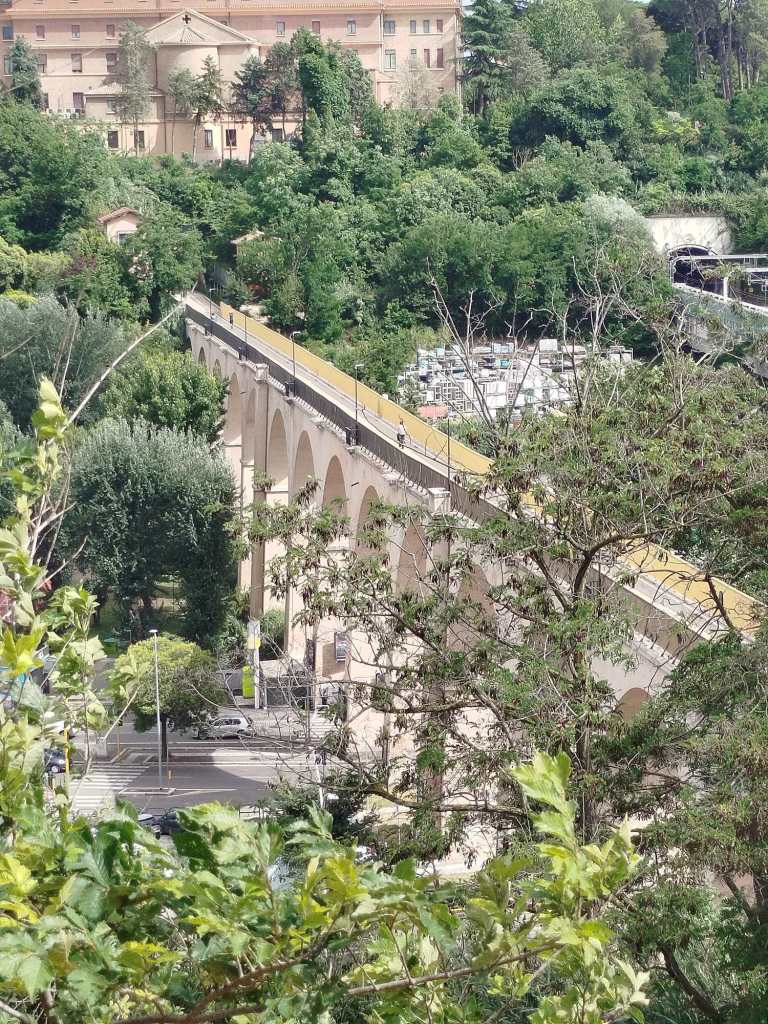
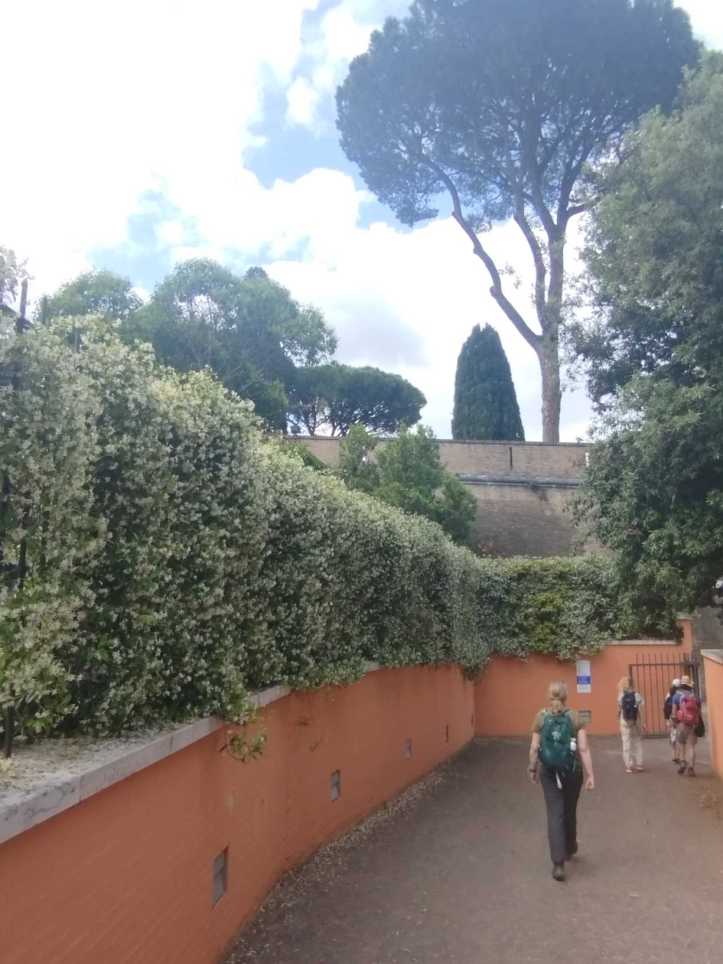
to Saint Peter’s square
These walking routes to Rome are not merely physical paths, but multisensory experiences that weave together nature, art, spirituality, and taste. Each step tells a story; each view inspires reflection; and every shared meal celebrates the unique identity of the land. In a world that moves ever faster, these roads offer the chance to slow down, observe, and rediscover the beauty of what truly matters.
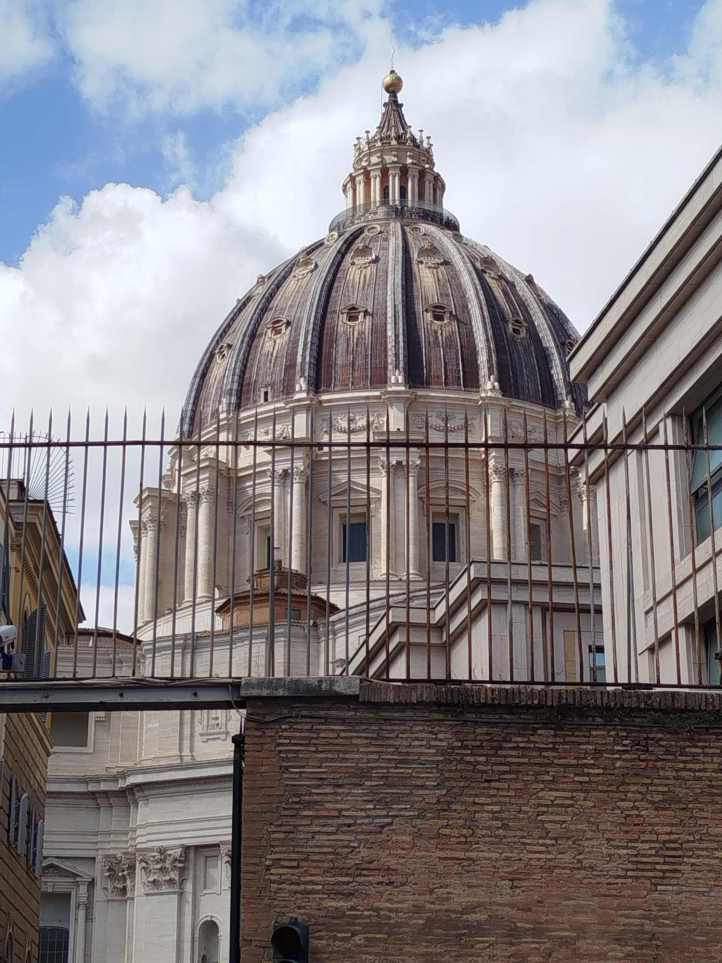
along the Jasmine promenade
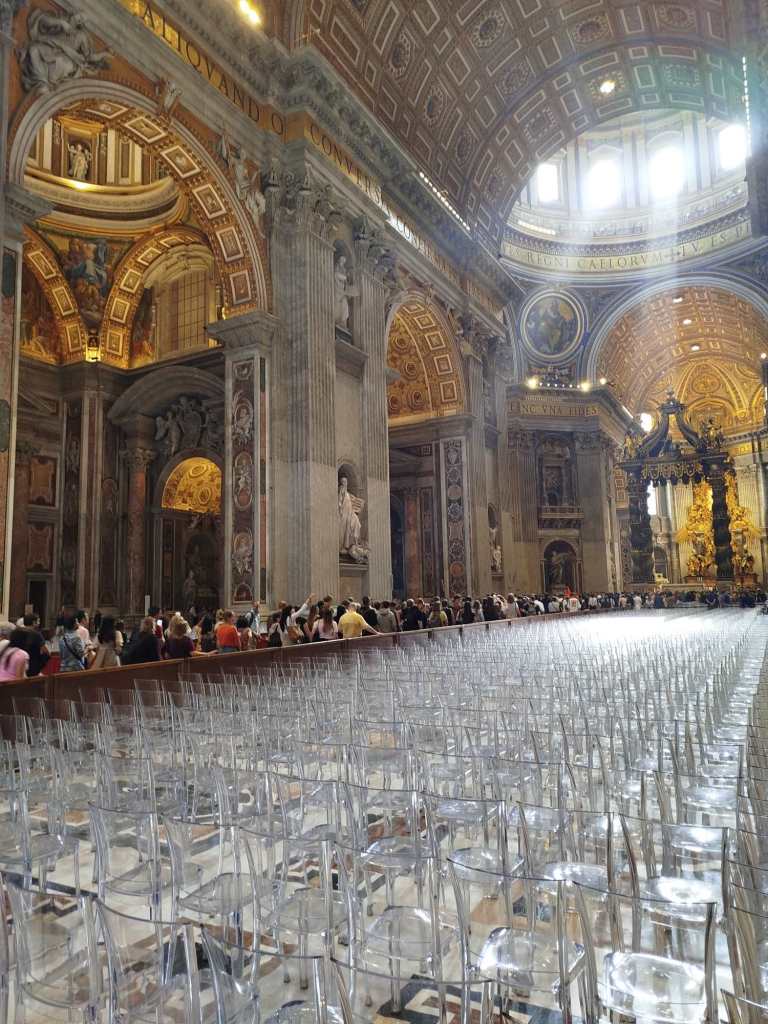
Jubilee 2025
 The Flora Journal