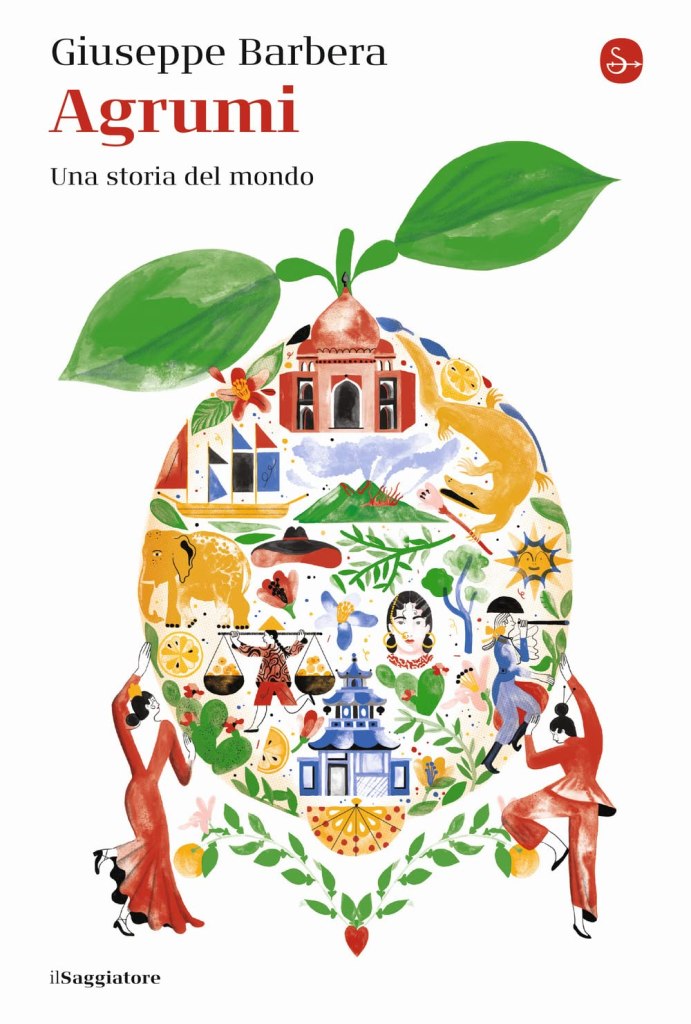
In the (italian) book Agrumi. Una storia del mondo (Citrus fruits, a history of the world) published by Il Saggiatore, the author Giuseppe Barbera offers a dazzling exploration of citrus fruits—not merely as botanical specimens or culinary staples, but as powerful agents of historical transformation. Lemons, oranges, citrons, and mandarins become in Barbera’s hands the protagonists of a vast and unexpected global narrative.


credit Van Sterbeeck

From the golden apples guarded by the Hesperides in ancient Greek myth to the imperial orchards of ancient China, citrus fruits have always held a rare and symbolic power. Barbera traces their long journey across centuries and continents: revered in religious texts, central to ancient mythologies, and instrumental in maritime history. The book highlights how citrus fruits helped cure scurvy thanks to the insights of James Lind in the 18th century, thereby saving countless lives and ensuring the success of long sea voyages.
Yet Agrumi is not only a history of fruit, it is a story of landscapes, trade, disease, empire, poetry, and human longing. With scholarly rigor and poetic sensitivity, Barbera reconstructs a twenty-million-year saga that is as much about the evolution of ecosystems as it is about civilization itself. His reflections extend beyond the past, suggesting that in the careful cultivation of the earth’s bounty, and in the aesthetics of landscape and garden, we might find essential wisdom for facing the future.
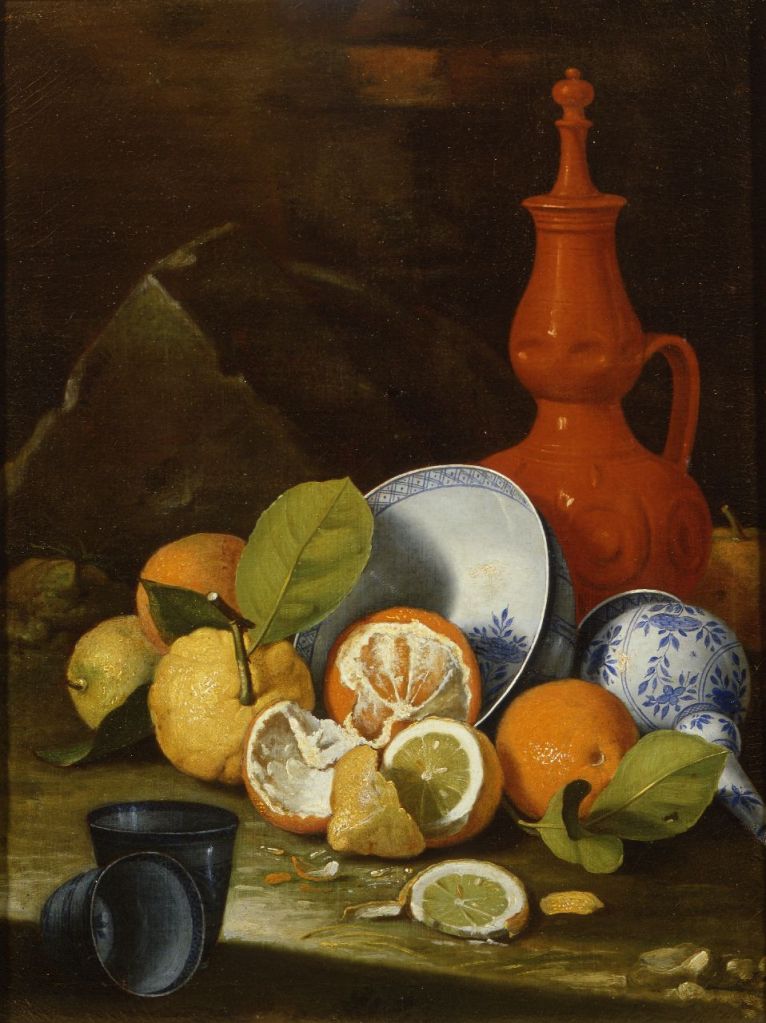
credit Complesso Monumentale della Pilotta, Parma

credit Musée d’Orsay
Barbera, a distinguished agronomist and professor, brings his expertise and passion to every page. His work is a rich blend of botany, history, and cultural studies, illuminating how something as seemingly simple as a lemon can hold within it the imprint of worlds.
Agrumi is a luminous and deeply engaging work for anyone interested in nature, history, or the surprising ways in which the smallest things, like the twist of a citrus peel, can reshape the world.
 The Flora Journal