A vibrant new exhibition at Philip Mould & Company explores the living legacy of British artist and plantsman Cedric Morris through a selection of his exuberant floral paintings. Titled Garden to Canvas: Cedric Morris and Benton End, the show runs until 18 June 2025 and is guest-curated by James Horner, Head Gardener at Benton End, Morris’s former home and creative haven in Suffolk.
Far more than a celebration of botanical art, this exhibition traces the extraordinary dialogue between Morris’s painting and the ongoing restoration of the historic garden he once tended. Many of the works on view depict flowers that Morris himself cultivated, varieties which Horner and his team have been painstakingly reintroducing to the grounds of Benton End over the past two years.
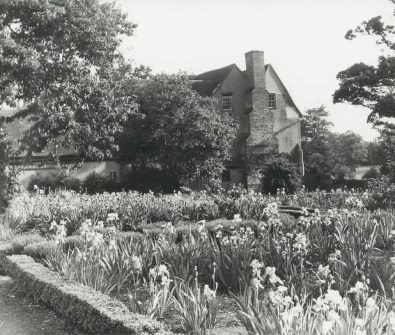
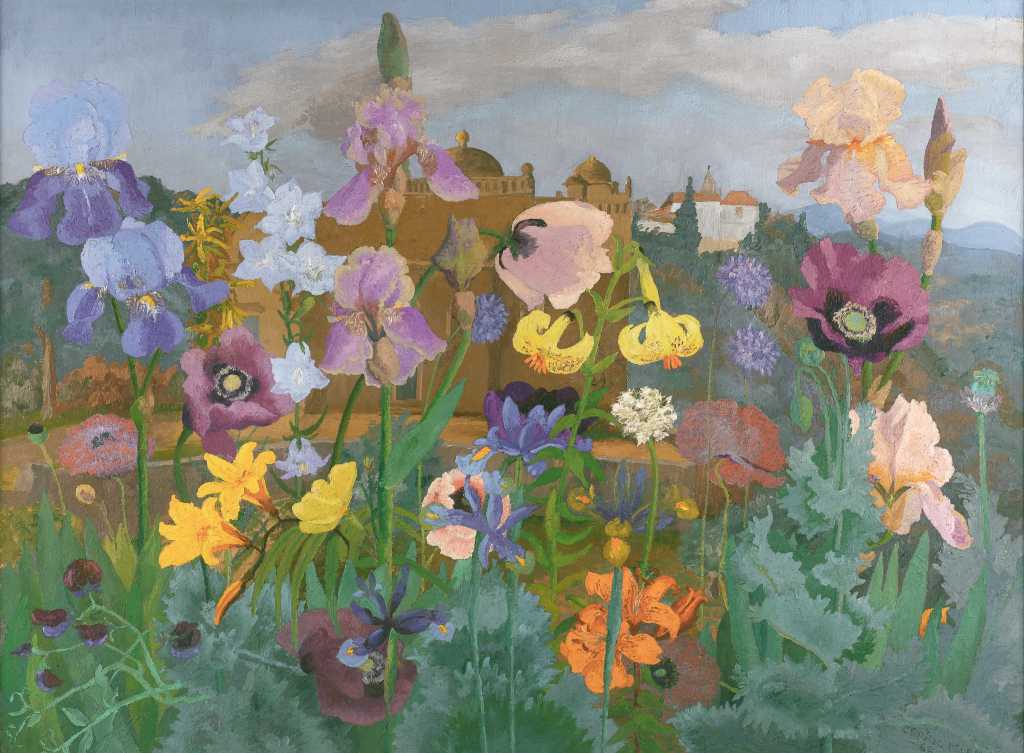
The result is an exhibition rooted as much in horticultural revival as in artistic heritage. Paintings like Foxglove (1932), Summer Garden Flowers (1944), and Flowers in a Portuguese Landscape (1968) do more than capture floral beauty—they are archival documents of a unique garden aesthetic, guiding the physical restoration of the space Morris shaped.
Morris (1889–1982), along with his partner Arthur Lett-Haines, made Benton End a centre of creativity where the East Anglian School of Painting and Drawing flourished. The house and garden became a community, a studio, and a sanctuary. In 2021, Benton End was gifted to the Garden Museum, marking the beginning of a new restoration chapter. Now, with Benton End’s garden set to reopen to the public in 2026, Horner’s curatorial insight brings Morris’s dual identity—as artist and gardener—sharply into focus.
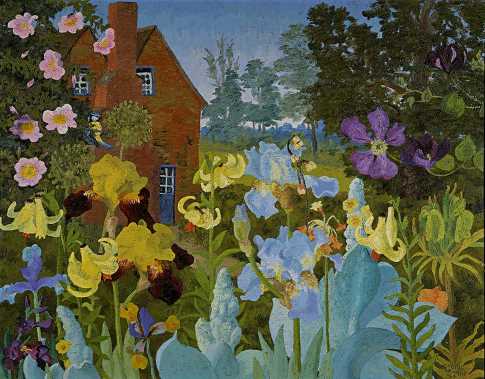
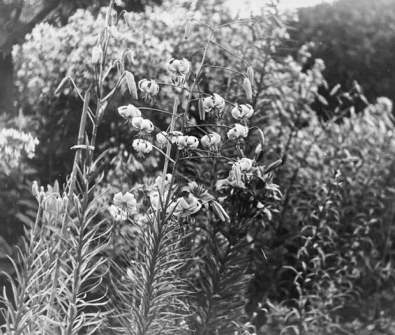
The exhibition coincides with the RHS Chelsea Flower Show 2025, offering timely insight into how Morris’s practice aligned with early ideas of sustainable gardening. He was a passionate critic of pesticides and an advocate for biodiversity and naturalistic planting principles that remain strikingly relevant today. His artistry extended to the soil: he bred over 90 varieties of bearded iris, many prefixed ‘Benton,’ several of which are being cultivated anew.
According to Horner, works like Natura Morta (1947) have even aided in identifying and sourcing lost plant species: “Some of these paintings have been instrumental in shaping how and what we plant. It’s incredibly moving to see Morris’s vision come alive again.”
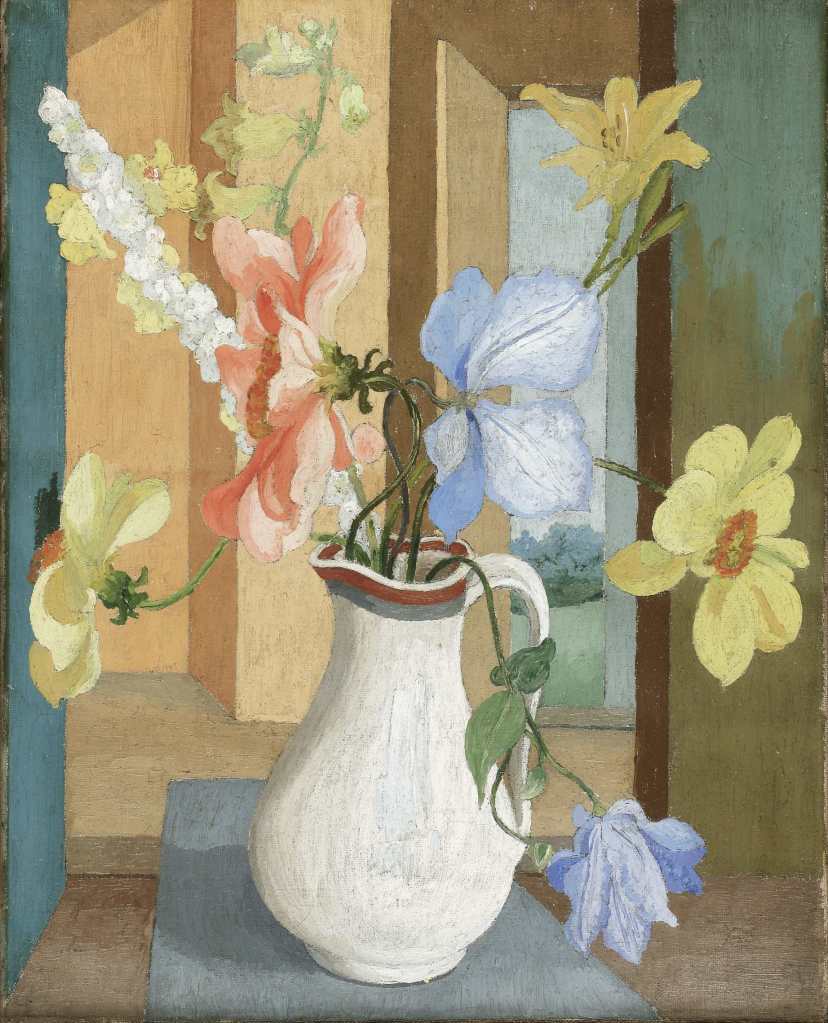
credit Philip Mould
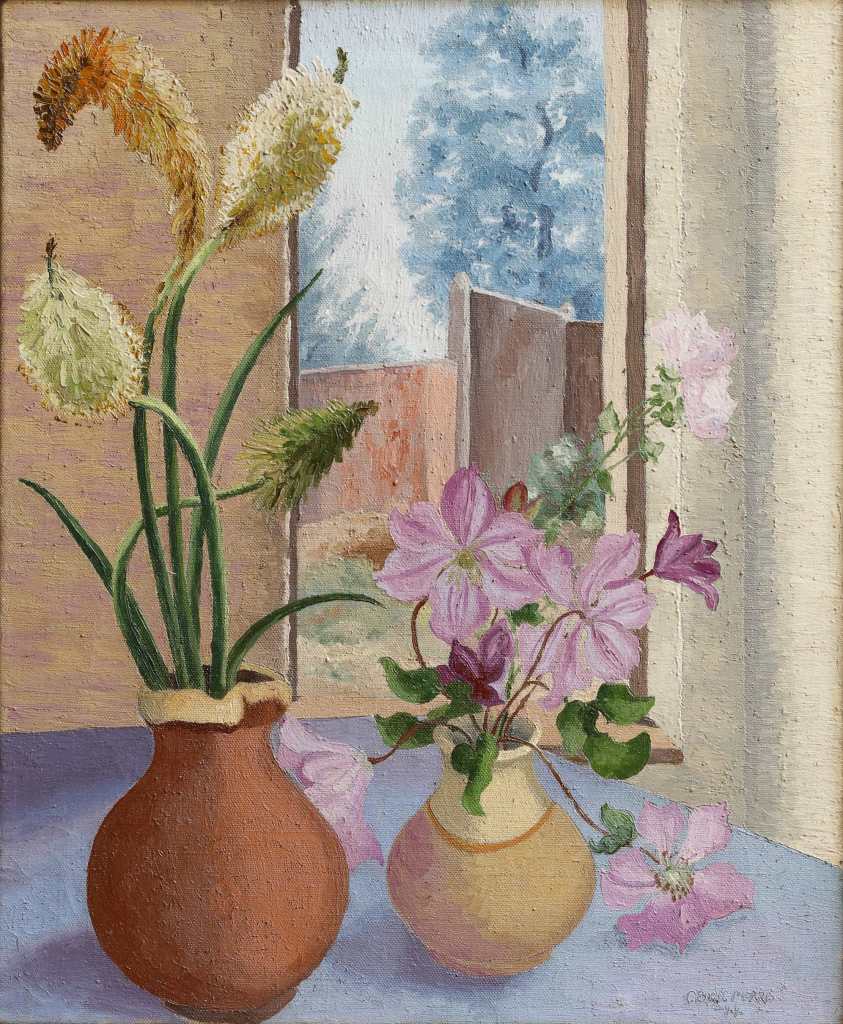
credit Philip Mould
Beatrice Prosser-Snelling, Project Director at Benton End, views the exhibition as a vital milestone in the broader restoration effort: “James’s careful work in the walled garden is laying the foundation for everything that follows. His curation helps bridge the historical with the living.”
Philip Mould adds: “Through James’s lens, Morris’s paintings transform once again—this time into a visual autobiography of a life that wove together botany, beauty, and innovation.”
Garden to Canvas ultimately reveals Morris not just as a painter of flowers, but as someone who planted them with purpose and whose blooms are still inspiring new growth today.
 The Flora Journal