Russell Page’s The Education of a Gardener, first published in Italian in 1994 and now reprinted by Allemandi Publisher in its prestigious Gran Riserva series, stands as a landmark work in the world of landscape and garden design. It continues to serve as an essential reference for designers, horticultural enthusiasts, and anyone who appreciates the profound and vital bond between humanity and nature.
Page, recognised as one of the most celebrated garden designers of the twentieth century, shares in these pages not only practical insights but also the philosophy behind his extraordinary approach to shaping green spaces. Written in a clear, spontaneous, and sincere style, this book guides the reader through the foundations of Page’s design thinking. It is a revealing journey into the mind of an autodidact artist whose gardens still inspire awe today.

credit Allemandi Publisher

credit Allemandi Publisher
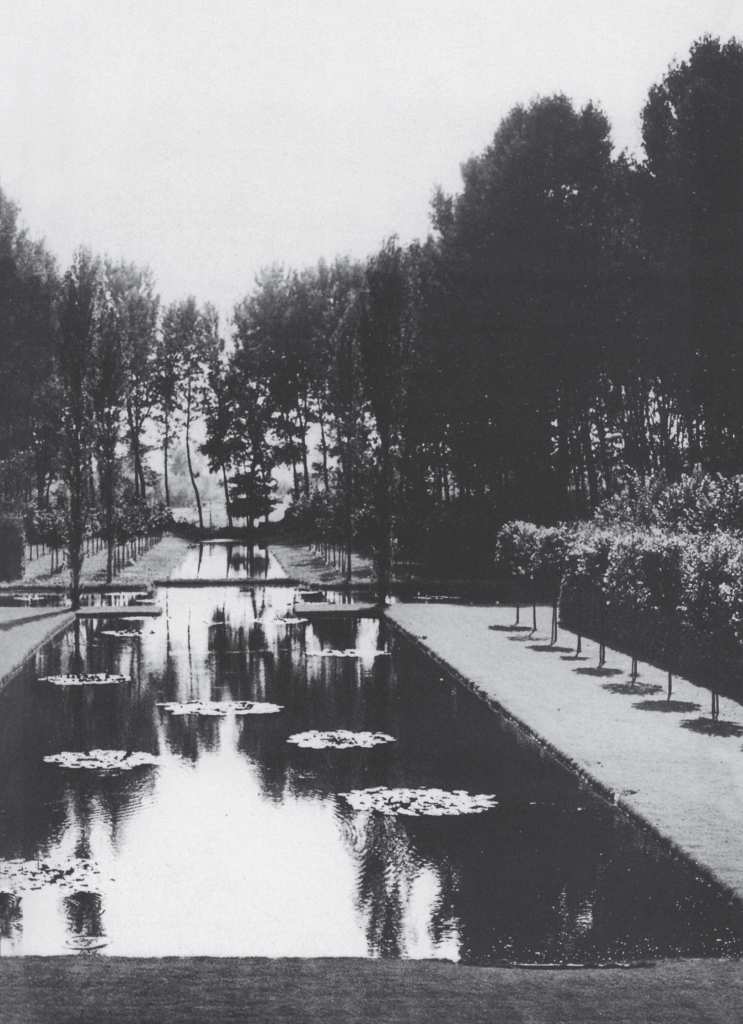
credit Allemandi Publisher
Throughout the volume, Page unveils his knowledge of botanical techniques and compositional secrets, while also placing these within a broader cultural and historical framework spanning the late nineteenth to the twentieth century. He explores the richness of the English cultural scene as well as the classicist French garden tradition he studied in depth. However, his perspective did not stop there: Page was a curious, eclectic designer who drew inspiration from many sources. From the Renaissance Italian garden, he absorbed the ability to sculpt nature into harmonious forms; from Japanese gardens, he adopted their informal, balanced compositions; and from Islamic gardens, he admired and incorporated their simple, repetitive geometric motifs.


Page’s early training as a painter deeply influenced the way he approached garden making. He saw the relationship between elements — be they woodlands, fields, water, stones, trees, shrubs, or groups of plants — as essential, like the brushstrokes on a canvas. His objective was to build compositions balanced in mass, texture, foliage colour, bark, and paving, in the manner of a true work of art. Page himself wrote:
“When I compose a landscape or create a garden, even when I place a vase of flowers on a windowsill, I face the same problem as a painter; that is, I concern myself with the relationship between the objects composing the picture, whether they are woods, fields, water, stones, trees, shrubs and plants, or groups of plants.”
This painterly sensibility resonates throughout the book, revealing how Page’s artistic training helped him read a landscape as a living composition, full of rhythm and harmony.
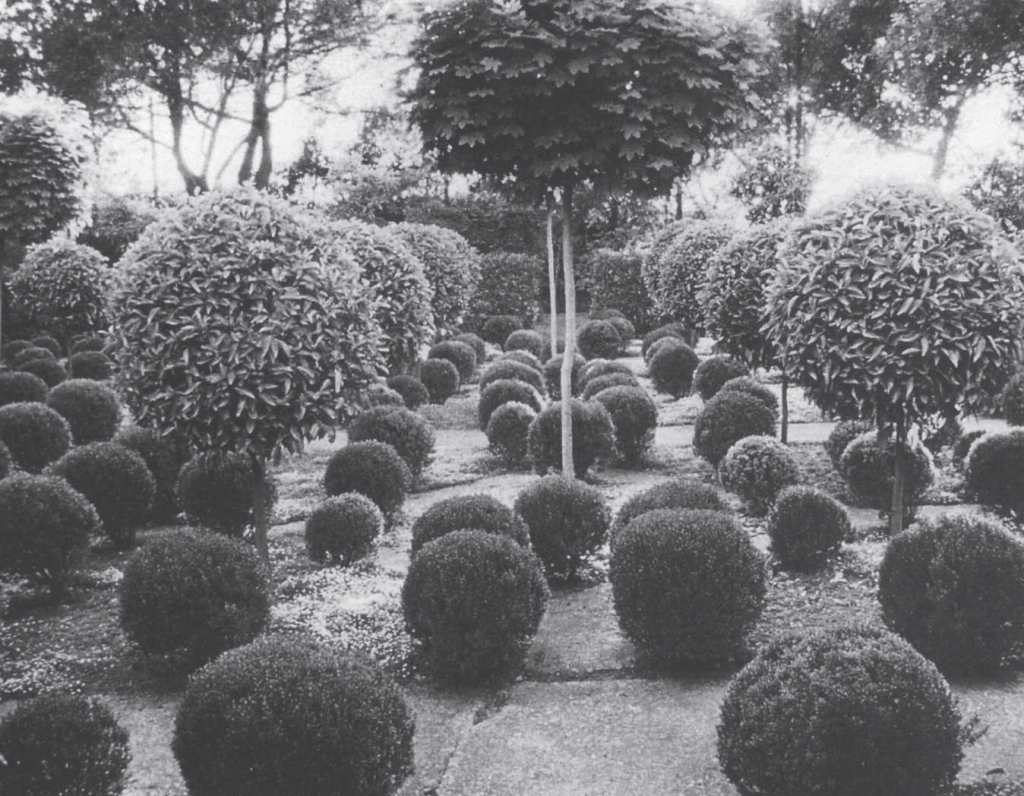
credit Allemandi Publisher

credit Allemandi Publisher
Russell Page (1906–1985) developed his passion for gardening early in life, working in gardens during his summer holidays. His formal education as a painter, begun in Lincolnshire and later continued in Paris, proved invaluable. In Paris, he met André de Vilmarin, whose family had been in the seed and plant trade for centuries. Their collaboration launched Page’s dedication to garden art. In 1932, he returned to England, where he devoted himself fully to landscape design, even working for a period alongside the renowned Geoffrey Jellicoe.
The Education of a Gardener is more than a manual; it is a window into the creative mind of a master, offering lessons that remain fresh, relevant, and deeply inspiring to anyone who dreams of cultivating beauty in harmony with nature.

 The Flora Journal