This summer, the Garden Museum in London, UK will present Cecil Beaton’s Garden Party, the first major exhibition dedicated to exploring Sir Cecil Beaton’s passion for gardens and flowers. Running until 21 September 2025, the show reveals how horticulture inspired Beaton’s work as a world-renowned photographer, set and costume designer, painter, and illustrator.
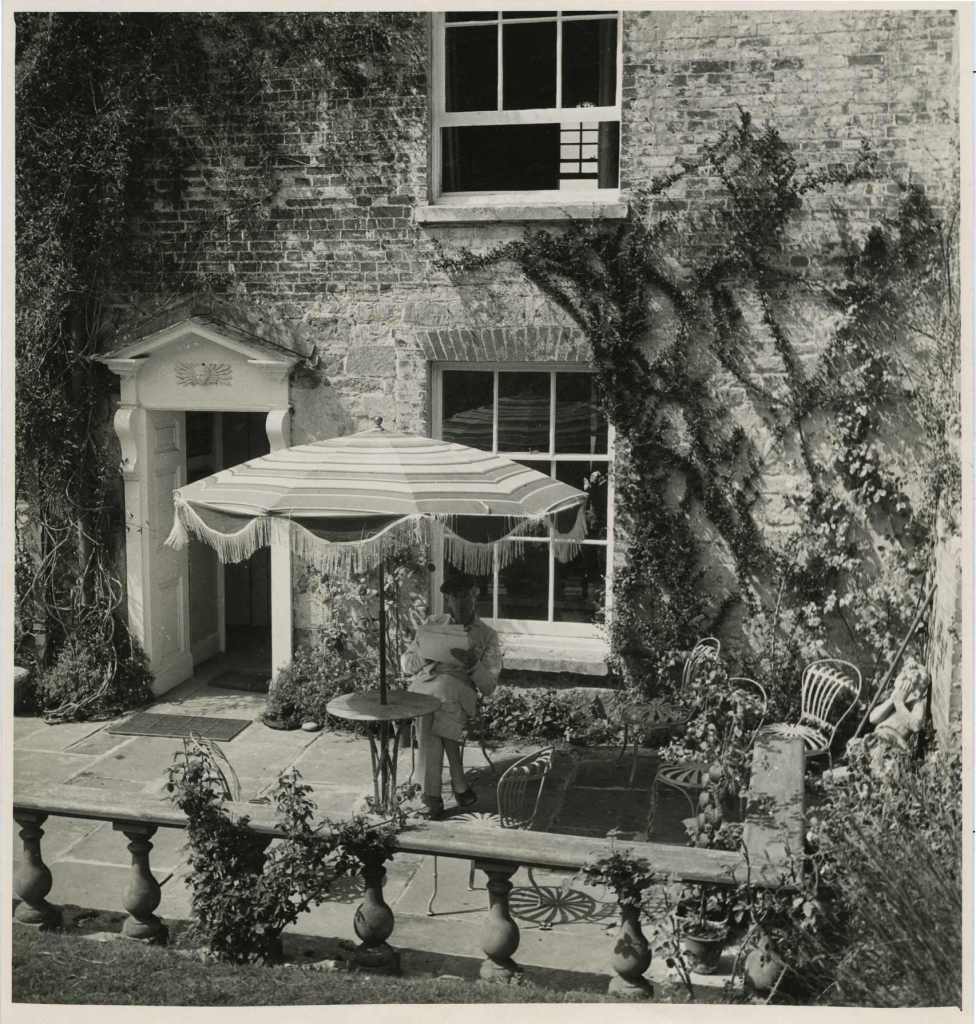
While Beaton (1904–1980) is best remembered for his iconic fashion photography and glamorous portraits of the British Royal Family, this exhibition uncovers a different story: the profound influence of gardens on his creativity. From his early floral displays to the meticulously designed gardens at Ashcombe House and Reddish House, Beaton’s love of flowers shaped his artistic vision.


Visitors will see a stunning collection of photographs, costume designs, paintings, and personal diaries—many never before exhibited. Highlights include images from Beaton’s legendary Vogue shoots, where he pioneered the use of fresh flowers as backdrops, such as his portrait of model Penelope Tree (1970). His approach transformed royal portraiture, introducing natural outdoor settings and floral arrangements to iconic images of Queen Elizabeth II, the Queen Mother, and Princess Margaret.
Beaton’s passion extended beyond photography to stage and film. As a celebrated costume and set designer, he created botanical-inspired designs for ballet and opera. The exhibition features his original costume sketches for Frederick Ashton’s ballets, alongside pieces like the headdress worn by Margot Fonteyn in Apparitions. Beaton’s fascination with flora even influenced his work on Puccini’s Turandot, inspired by bamboo gardens in China, on display through rare models and illustrations from the Royal Opera House archives.

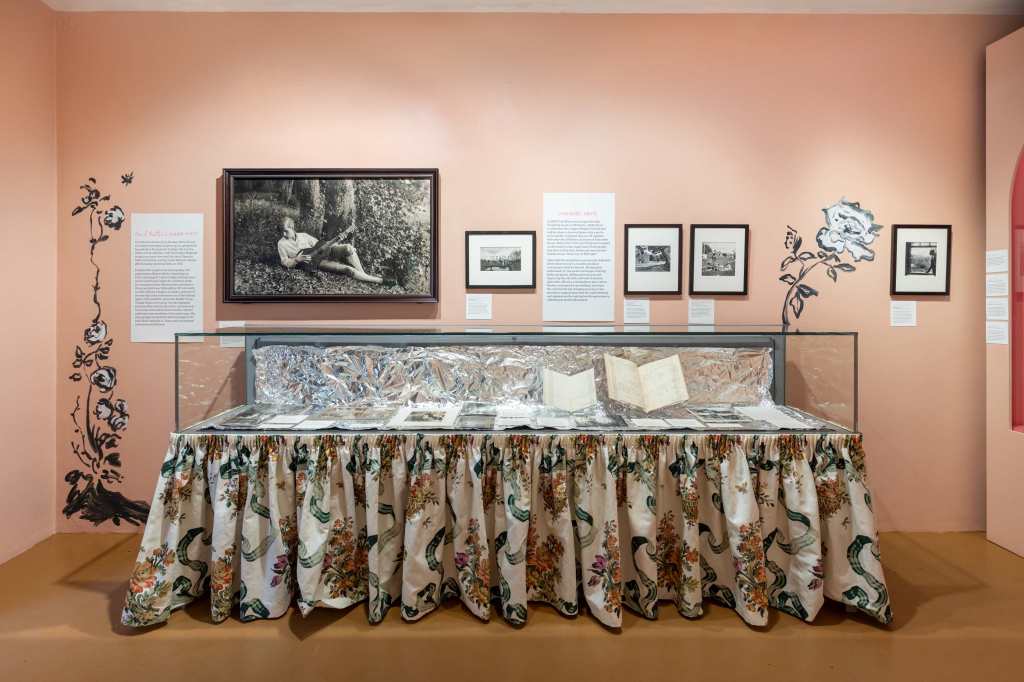
No exploration of Beaton’s world would be complete without his legendary social life. The exhibition revisits his extravagant Fête Champêtre of 1937, a theatrical garden party at Ashcombe House attended by 300 guests, including the “Bright Young Things.” Visitors will see the surreal rose-covered coat he designed and wore as host, exhibited alongside photographs from the National Portrait Gallery and Condé Nast archives.
At Reddish House, where Beaton lived from 1947 until his death, he continued to cultivate grand gardens, hosting countless celebrity friends and photographing them among the blooms—most famously Bianca Jagger.
Curated by Emma House and designed by artist Luke Edward Hall, Cecil Beaton’s Garden Party promises an immersive journey into Beaton’s floral world.
 The Flora Journal