Earlier this year, Scotland played host to Botanica Scotia, part of a worldwide botanical art exhibition that united 30 countries in a celebration of biodiversity. The theme—heritage crops—focused on plants cultivated for over fifty years, many of which are disappearing from modern agriculture.
The message behind this event is critical. Climate change, a growing global population, and intensive monoculture farming have left our food systems vulnerable. As droughts, floods, pests, and plant diseases increase, diversity in crops becomes essential for resilience. Heritage vegetables, heirloom fruits, and foraged plants—often richer in flavor and hardier than modern varieties—could hold the key to a sustainable future.
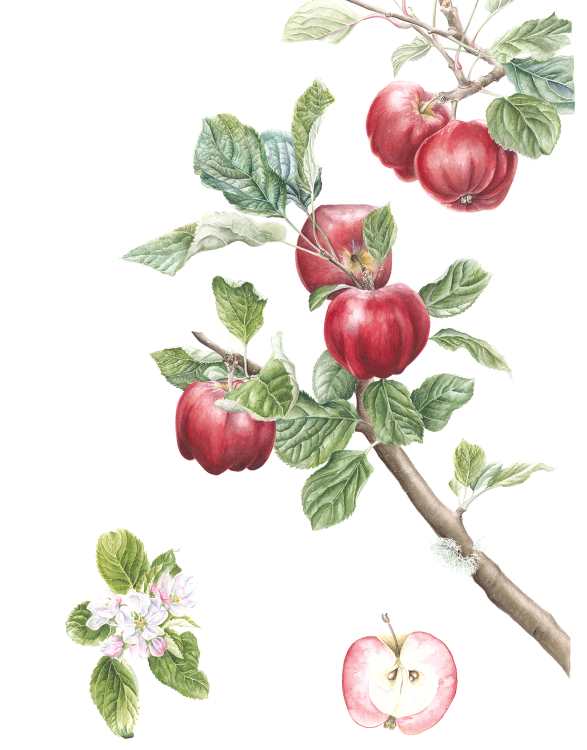
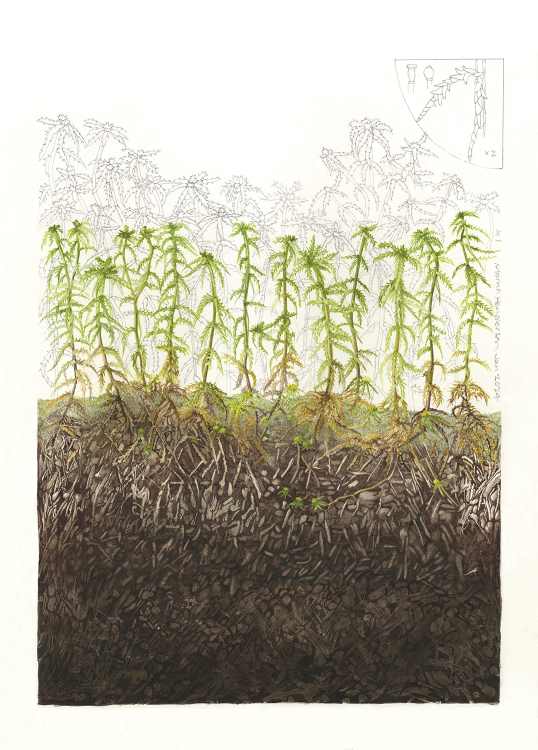
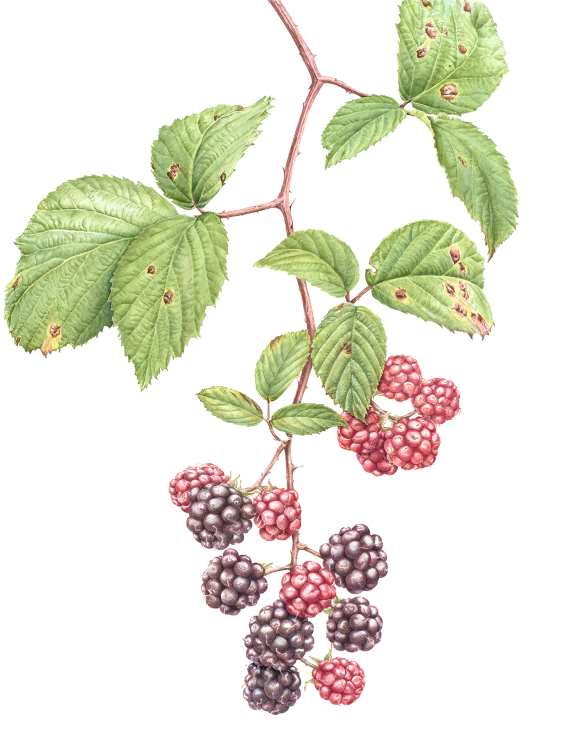
From May 15th to 20th, the Customs House Gallery in Leith showcased stunning botanical illustrations capturing these heritage crops in exquisite detail. Each piece combined scientific accuracy with artistic elegance, bringing to life the plants that have nourished humanity for centuries. Following its Leith debut, the exhibition moved to the V&A Dundee in July, until 28 July 2025. While artworks from other countries were presented digitally, visitors could still explore an impressive global tapestry of fruits, vegetables, and herbs through an engaging slideshow.
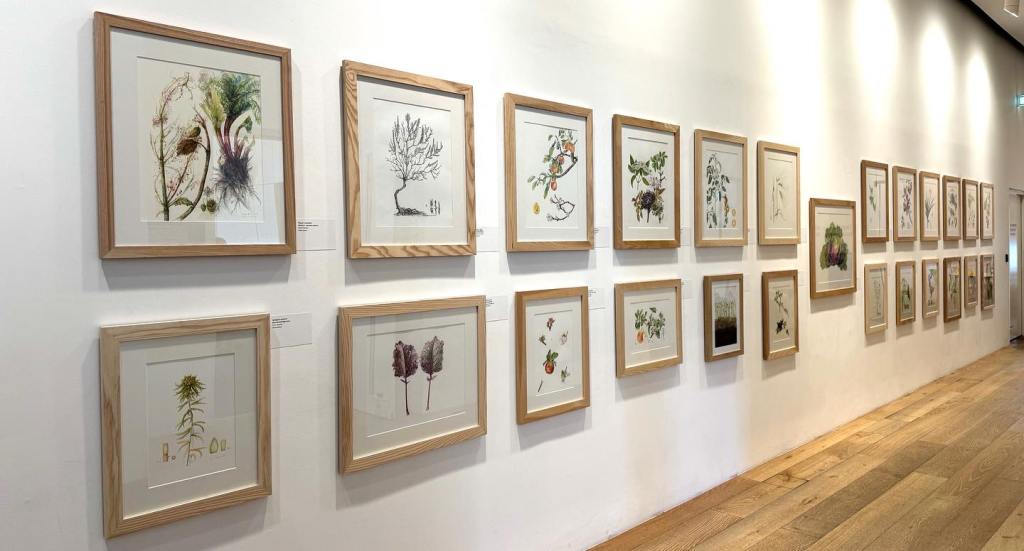
credit Scottish Society of Botanical Artists
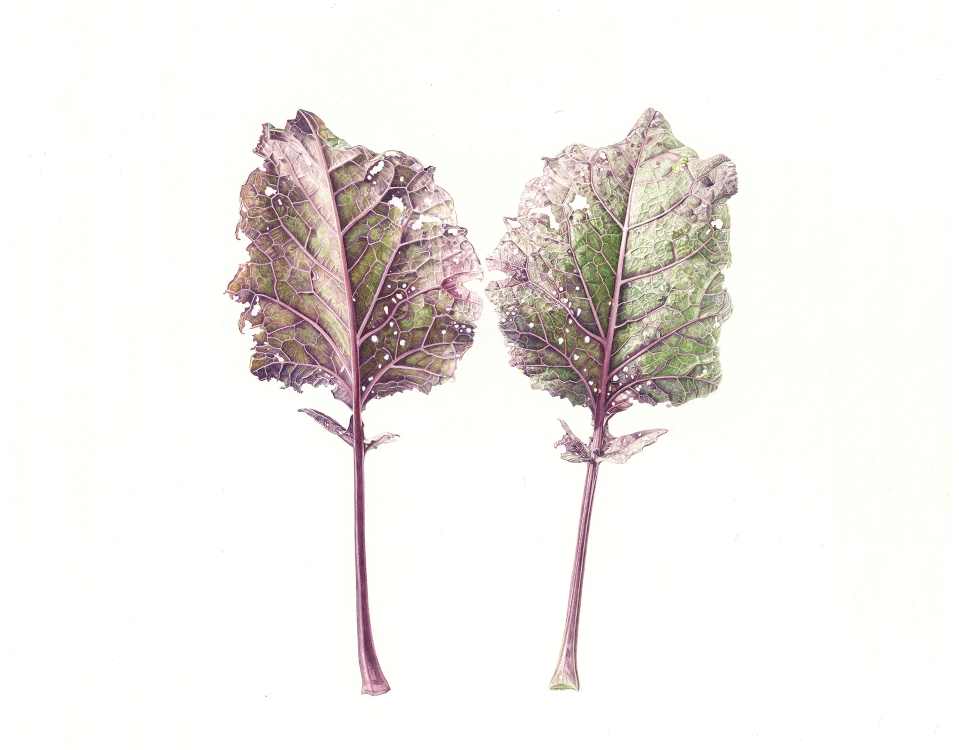
Running alongside was the annual exhibition of the Scottish Society of Botanical Artists, an organisation dedicated for over a decade to preserving Scotland’s botanical painting tradition. Initially developed as a scientific practice to document medicinal plants, botanical illustration has since evolved into an art form that balances accuracy with beauty. Unlike photography, it reveals the intricate details and character of each plant, elements crucial for identification and appreciation.
Though Botanica Scotia has ended, its message endures: crop diversity is vital for food security, ecological balance, and cultural heritage. Whether you’re a gardener, a food enthusiast, or simply an art lover, this exhibition invites us to rethink what we grow—and why. By celebrating our botanical heritage, we can take steps toward a more resilient and flavorful future.
 The Flora Journal