Author, educator, and curator specialising in environmental subjects and the representation of nature in art, Giovanni Aloi’s Botanical Revolutions: How Plants Changed the Course of Art is an ambitious and illuminating exploration of the often-overlooked role of the vegetal world in shaping artistic expression. Published by Getty Publications, this visually striking and intellectually compelling book challenges readers to rethink the deep-rooted connections between humans, plants, and art throughout history.
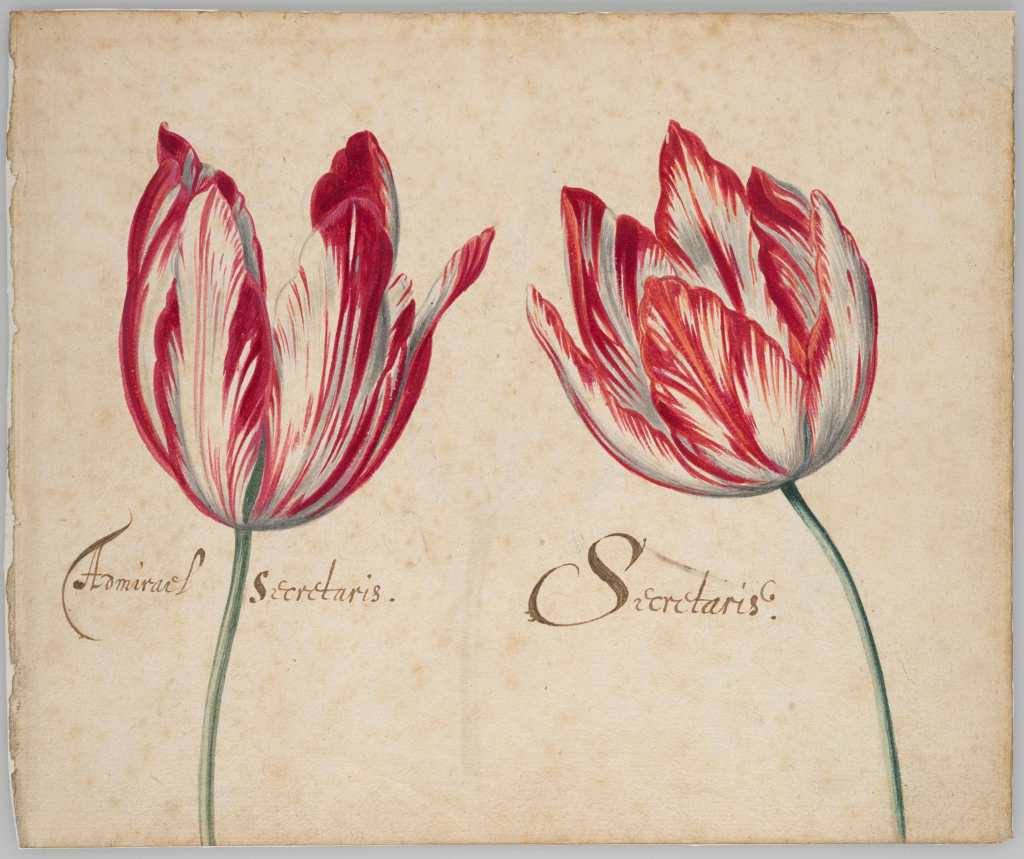
credit Los Angeles, J. Paul Getty Museum
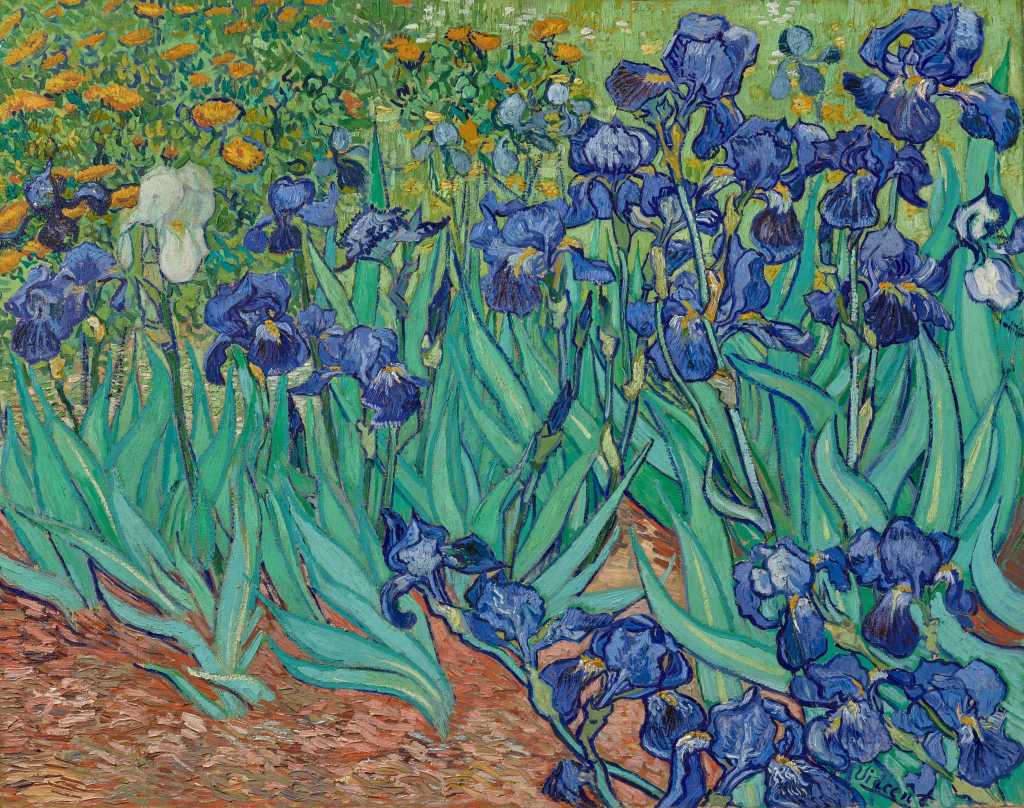
From the outset, Aloi positions plants as active agents in the narrative of art history rather than mere decorative elements. While flowers, leaves, and trees have long adorned paintings, sculptures, and textiles, their influence extends far beyond aesthetics. As Aloi argues, plants have sparked entire artistic movements, informed material innovations, and offered conceptual frameworks that transformed how artists see and represent the world. This assertion forms the backbone of the book’s central thesis: the botanical realm has not been a passive backdrop to human creativity, but rather a vital force that has shaped it.
The text unfolds through a global lens, tracing key moments where botanical knowledge and imagery intersected with artistic breakthroughs. These include the Renaissance fascination with naturalism, which relied on meticulous botanical studies, and the modernist embrace of plant forms as catalysts for abstraction. Aloi also examines contemporary art practices that engage directly with ecological concerns, positioning plants as collaborators in art-making rather than subjects alone.

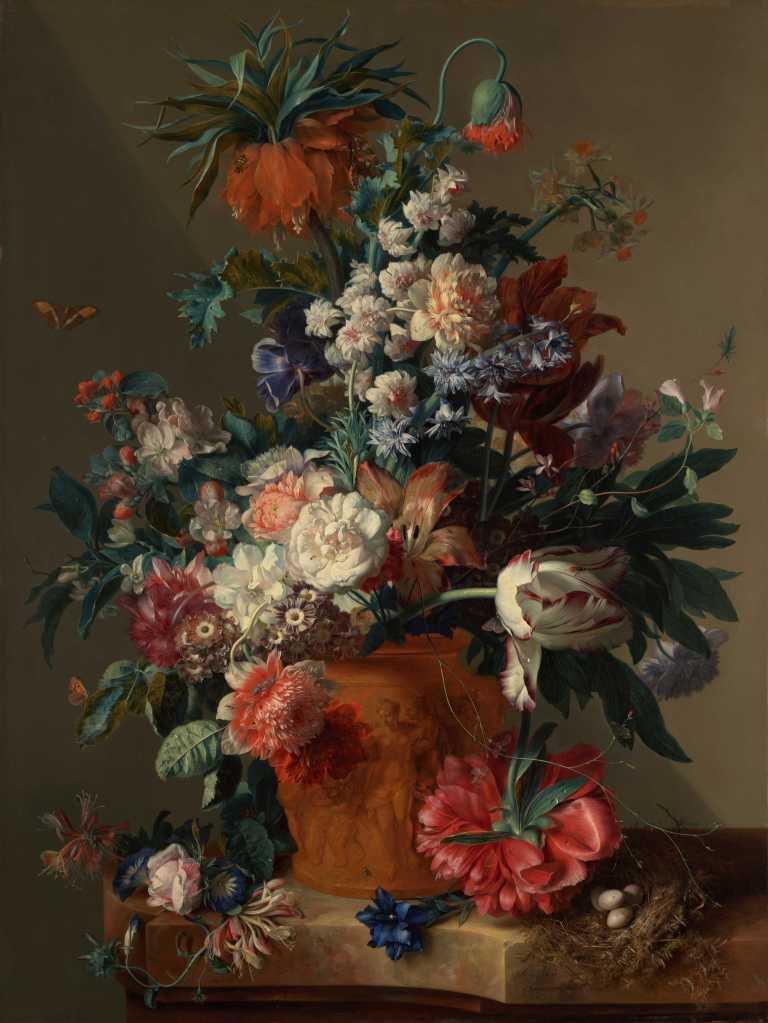
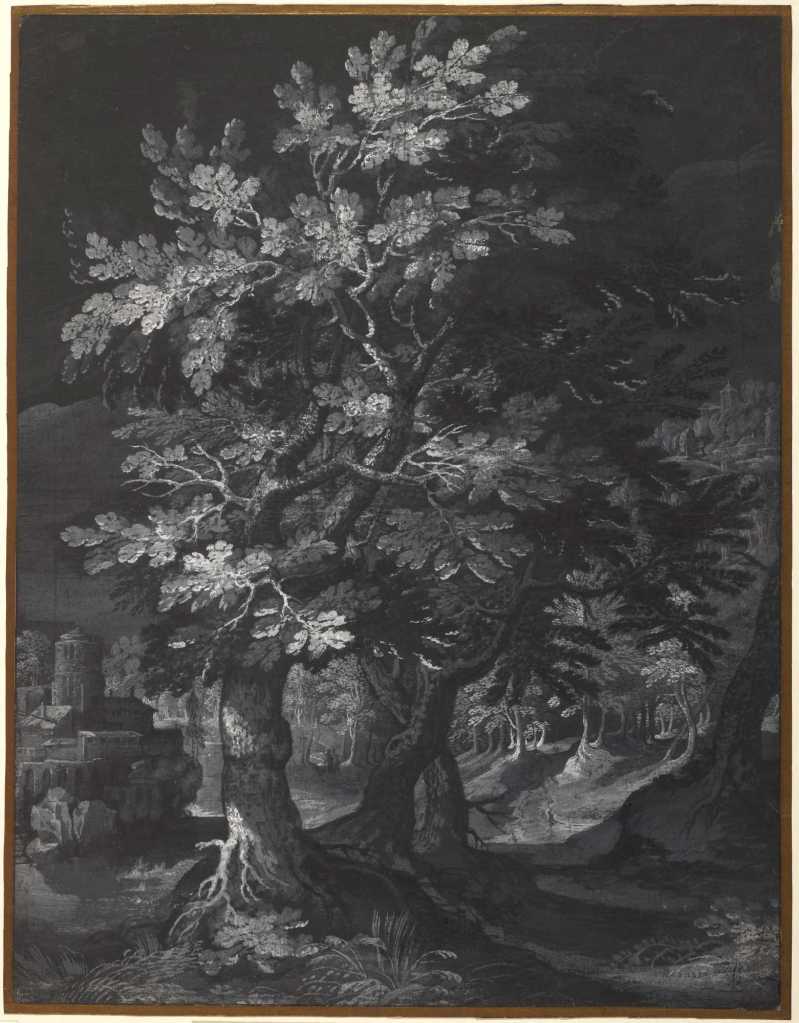
One of the book’s most compelling contributions lies in its call for a paradigm shift in art history and criticism. Despite plants’ profound material and symbolic contributions, they have largely been marginalised in scholarly discourse. Aloi addresses this omission by integrating perspectives from the environmental humanities, emphasising relationality and interdependence. This approach not only recuperates forgotten histories but also resonates with current ecological anxieties, making the book timely and urgent.
The volume’s design enhances its intellectual rigour with visual splendour: 172 colour and 13 black-and-white illustrations accompany the text, offering readers a feast of images that underscore the arguments. These illustrations serve as more than mere supplements; they invite readers to see familiar works anew and appreciate the vegetal threads woven through them.
While Botanical Revolutions is scholarly in tone, it remains accessible to a broad audience. Aloi writes with clarity and passion, avoiding jargon while introducing complex ideas about representation, agency, and sustainability. For art historians, the book offers a refreshing alternative narrative; for artists, it provides fertile ground for inspiration; for general readers, it cultivates wonder about the profound entanglement of human and plant life.
In an age marked by environmental crisis, Botanical Revolutions does more than chart an alternative art history—it gestures toward an ethic of care and reciprocity. By foregrounding plants as co-creators, Aloi invites us to reconsider our place within a more-than-human world. This is not just a book about art; it is a manifesto for reimagining relationships, creativity, and the future of life on Earth.

credit Getty Publications
 The Flora Journal