Museum De Lakenhal’s exhibition, in Leiden, The Netherlands, Floris Verster – At Home in the Green, Thuis in het groen, on view until August 24, 2025, is a luminous meditation on nature in its most familiar and unpretentious form. For the first time, the museum has brought together the work of the celebrated Leiden painter Floris Verster (1861–1927) with creations by three contemporary artists: Annelies Dijkman, Esther Hoogendijk, and Seet van Hout. The result is a rare dialogue between past and present, united by a shared love for the everyday beauty of the natural world.
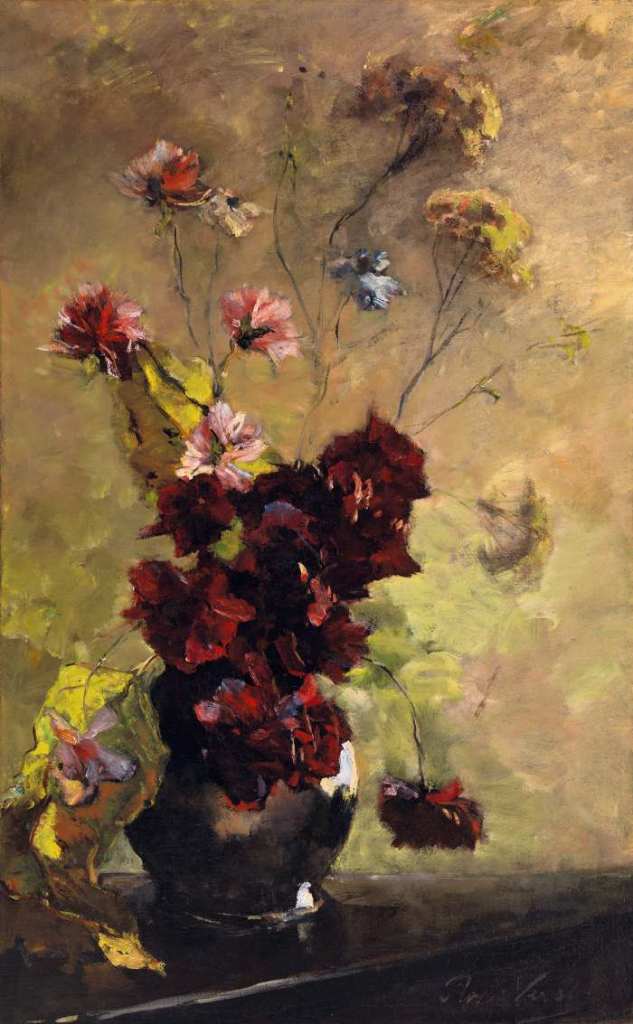
credit Singer Laren Collection
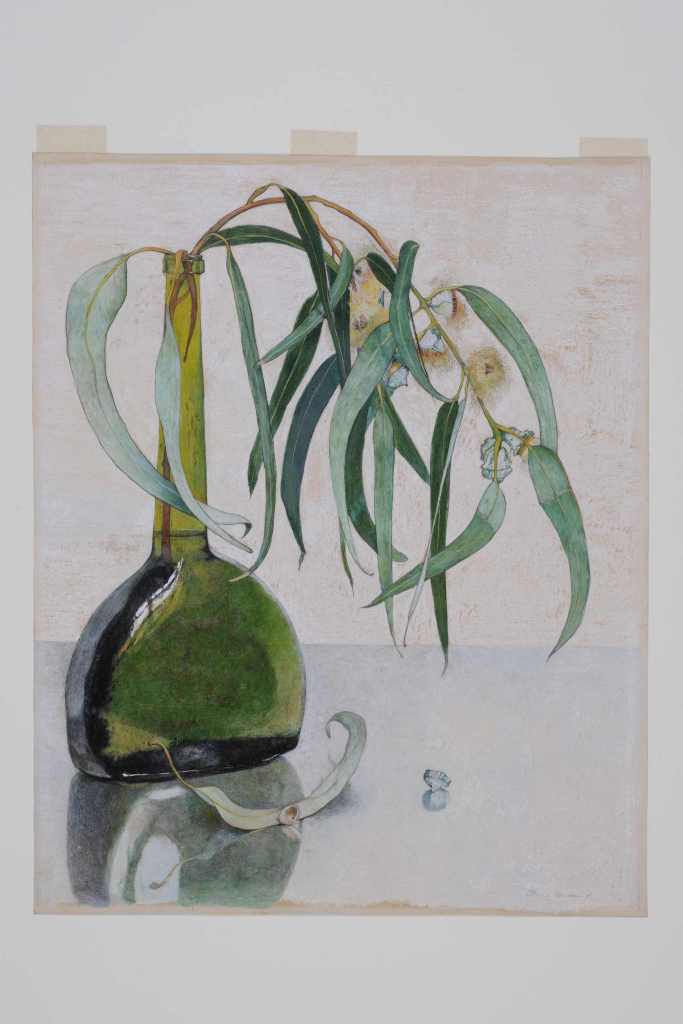

Verster is regarded as a revolutionary in the history of Dutch floral still life. While his predecessors largely sought out the exotic, rare blooms and cultivated perfection, Verster turned his gaze toward wildflowers, grasses, and what many might dismiss as weeds. In his compositions, these modest plants are not merely decorative but vibrant and dignified, their irregularities and imperfections celebrated rather than hidden. Many of the works on view were inspired by the flora in his own garden on the Groenoord estate in Leiden, offering a deeply personal perspective on nature’s changing moods.
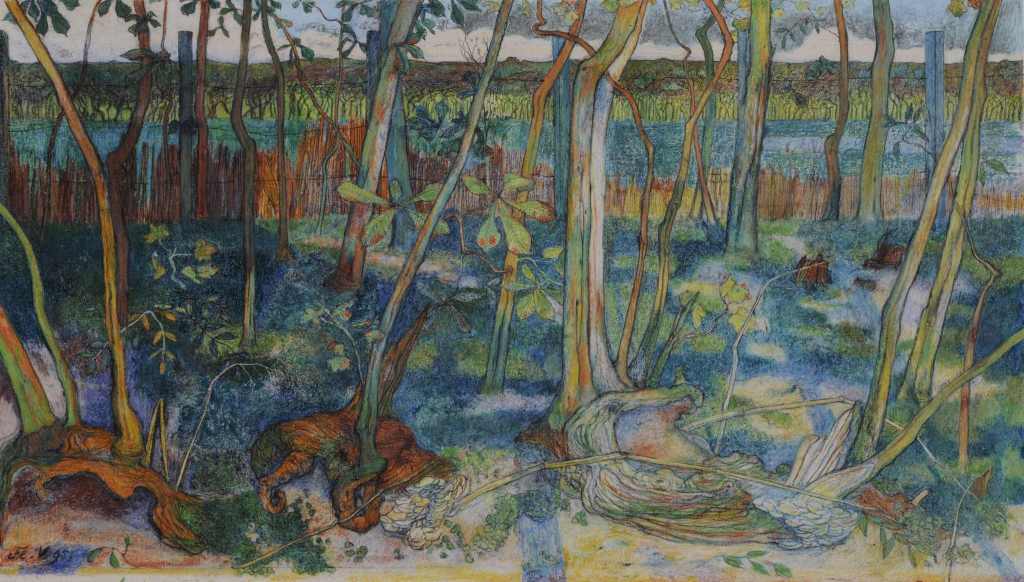
credit Collection Museum De Lakenhal
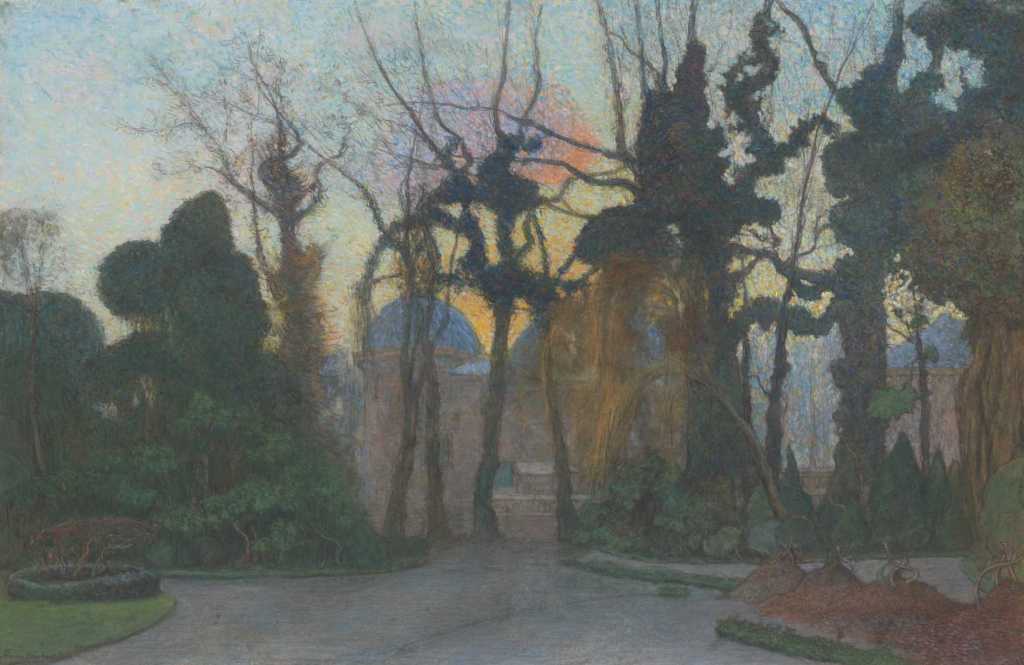
credit Kröller Müller Museum Collection
The exhibition draws on the museum’s own holdings as well as significant loans from the Rijksmuseum, the Stedelijk Museum Amsterdam, the Kröller-Müller Museum, and Naturalis. The breadth of the selection allows visitors to appreciate Verster’s range: from delicate, detailed drawings to grand, immersive canvases that almost overwhelm with their abundance of foliage and bloom.
What makes At Home in the Green especially compelling is the way the curators have paired Verster’s works with contemporary responses. Annelies Dijkman, both an artist and a gardener, has created a natural flower garden in the museum’s 17th-century forecourt. Here, visitors are encouraged to touch, smell, and experience plants as living companions, blurring the line between art object and sensory encounter.
Esther Hoogendijk’s sculptural works are equally alive. Composed of seeds, sprouts, grasses, plaster, and clay, they change over time, mirroring the cycles of germination, growth, and decay. Her large clay sculptures, inspired by the shapes of vases in Verster’s paintings, bring a tactile dimension to the floral tradition, grounding it in the physicality of earth and handwork.
Seet van Hout’s contribution takes a more interpretive approach. Working with poured paint and punctured paper, she abstracts the beauty and fragility of flowers, drawing on motifs from Verster’s work without imitating them. Her pieces capture both the exuberance of blooming and the inevitability of fading, themes that resonate powerfully with Verster’s own sensibility.
Taken together, the historical and contemporary works form a conversation about our relationship with the natural world — a relationship marked by intimacy, fragility, and continual renewal. Floris Verster – At Home in the Green is not just a display of botanical art; it is an invitation to pause, to look closely, and to recognise the extraordinary within the ordinary. It is a reminder that beauty is not always found in the exotic or the rare, but often in what grows quietly at our feet.
 The Flora Journal