Catherine Powell-Warren’s Maria Sibylla Merian is a beautifully written and visually rich book that shines new light on one of early modern Europe’s most fascinating women. Published in the United States by Getty Publications and in the United Kingdom by Lund Humphries, this volume is part of the Illuminating Women Artists series, which highlights the overlooked yet extraordinary contributions of women throughout art history.
Maria Sibylla Merian (1647–1717) was an artist, naturalist, teacher, collector, and entrepreneur. For centuries, she has been celebrated either as a pioneer in science or as a remarkable woman in art, but these stories have often kept her contributions in separate boxes. Powell-Warren’s book breaks down those barriers. She shows how Merian’s art and science were always intertwined; her delicate illustrations of plants, insects, and animals are as scientifically meaningful as they are visually stunning.
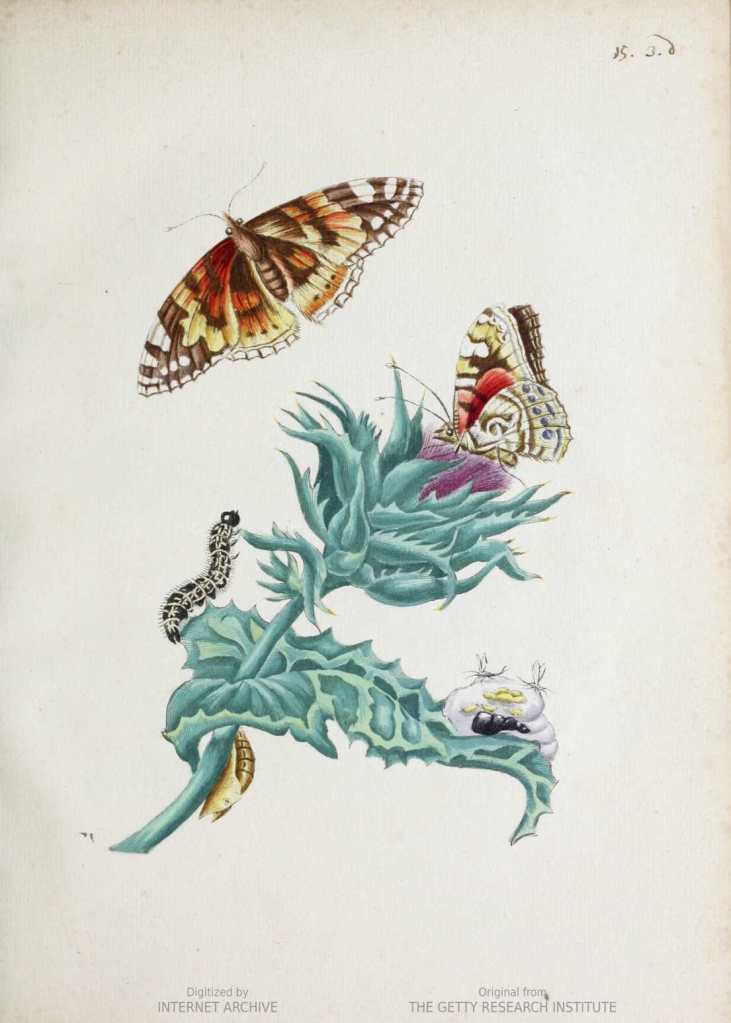
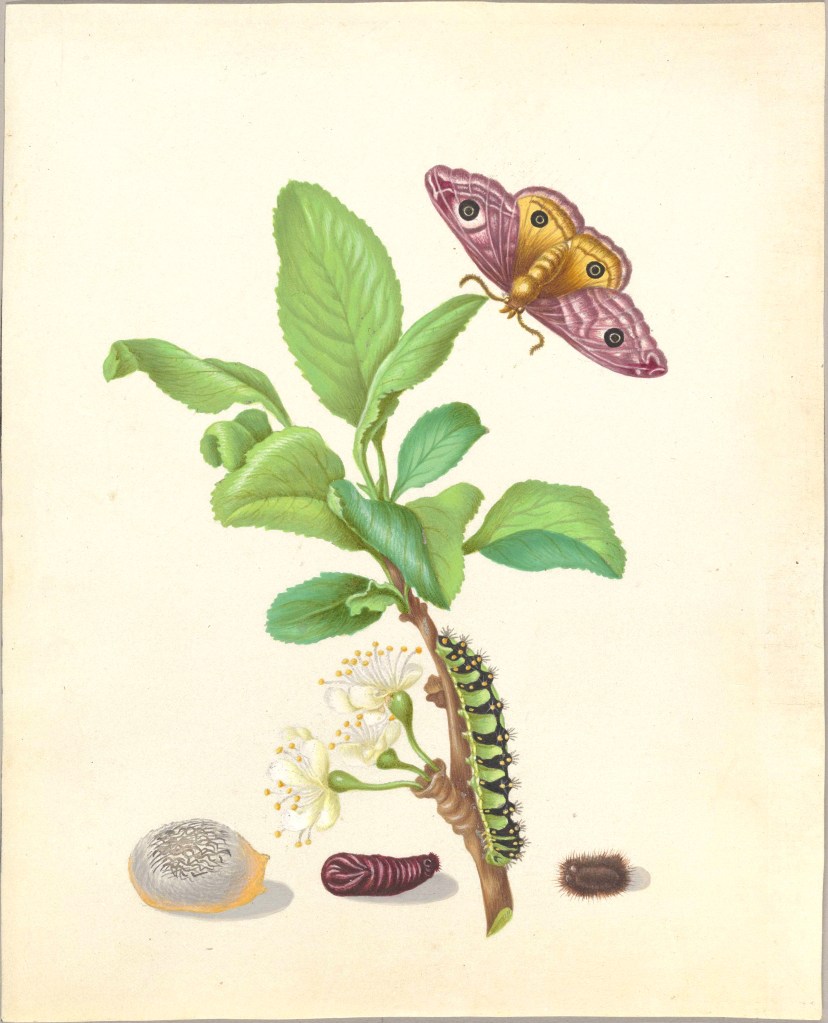

credit Getty Research Institute, Los Angeles
Rather than judging Merian only by the accuracy of her observations, the book celebrates the artistry of her work, its composition, colour, and attention to detail, while also situating her in the vibrant networks of trade, knowledge, and creativity that defined her world. At a time when women were largely excluded from formal institutions, Merian built her own path, relying on her family, patrons, and collaborators to thrive as both an artist and an entrepreneur.
Powell-Warren also brings out the personal side of Merian’s life. She was not just an accomplished illustrator and observer of nature but also a mother, stepdaughter, ex-wife, and the leader of a family business run entirely by women. These aspects of her story highlight her resilience, resourcefulness, and determination in a period when opportunities for women were scarce.

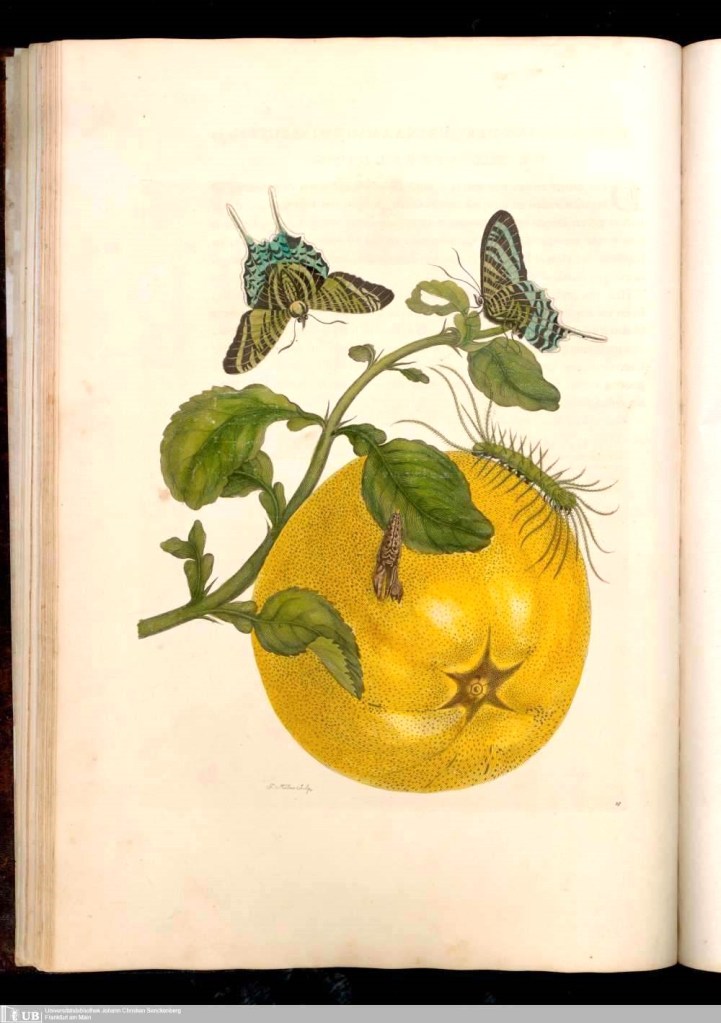

The book itself is beautifully produced, featuring 89 colour illustrations that allow readers to see Merian’s art in vivid detail. It is accessible to general readers but also rich enough in research to be of value to students and specialists. The result is a book that is both informative and inspiring, one that captures the complexity of Merian’s life while also celebrating her achievements.
The scholarly community has already recognised its importance. Claudia Swan, Professor of Art History at Washington University in St. Louis, praises it as “an engaging, thoughtfully composed, and beautifully produced study” that will become an indispensable reference for anyone interested in Merian. Similarly, Katlijne Van der Stighelen, Emeritus Professor at KU Leuven, notes that the book “does justice to her versatile talent, her scientific absorption and her undaunted curiosity,” while also emphasising her extraordinary role as a daughter, wife, mother, and leader of a women-run enterprise.
In short, Maria Sibylla Merian is more than a biography; it is a vivid reintroduction to a woman whose art and science cannot be separated. Powell-Warren restores Merian to her rightful place, not as an isolated genius, but as a central figure in the cultural and intellectual life of her time.

credit Lund Humphries
 The Flora Journal