In an age of rapid urbanisation and accelerating climate change, a new exhibition at the Architekturmuseum der TUM in the Pinakothek der Moderne, in Munich, Germany, until 14 September 2025, asks the planet to slow down and look to one of nature’s oldest teachers: trees. “Trees, Time, Architecture! Design in Constant Transformation” is not just an art and architecture exhibition. It is a call to rethink how we build, how we design cities, and how we coexist with living ecosystems.
The exhibition takes a bold step in presenting trees not as background greenery but as active agents in architecture and urban planning. From cooling overheated city streets to offering biodiversity and cultural meaning, trees hold the potential to reshape how we imagine sustainable living. Yet they are also at risk—battered by drought, storms, and disease. The exhibition examines this double role, where trees are both solution and victim in the climate crisis.
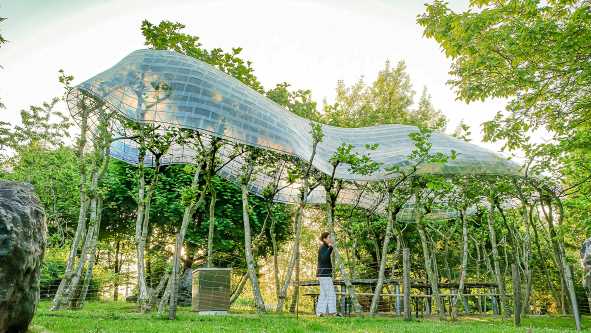
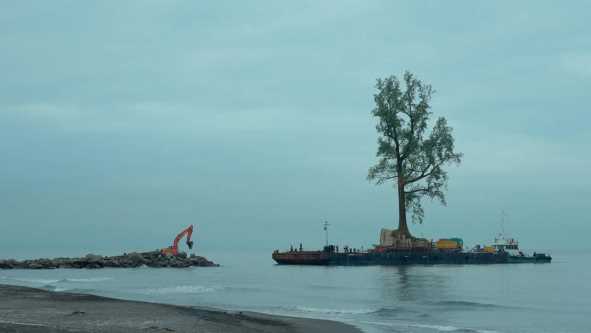
Curated by Ferdinand Ludwig and Kristina Pujkilović with Andjelka Badnjar Gojnić and Andres Lepik, the exhibition unfolds across three major sections. “Tree, Time, and Human” sets the stage with a sweeping narrative that stretches from prehistoric dwellings built of wood to the living forests that once dominated Earth’s carbon cycle. Visitors are reminded that trees operate on time scales vastly longer than our own, challenging us to expand architectural thinking beyond the short lifespan of human projects.
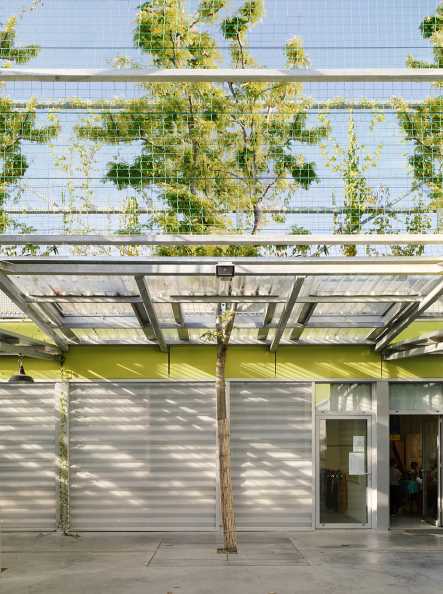
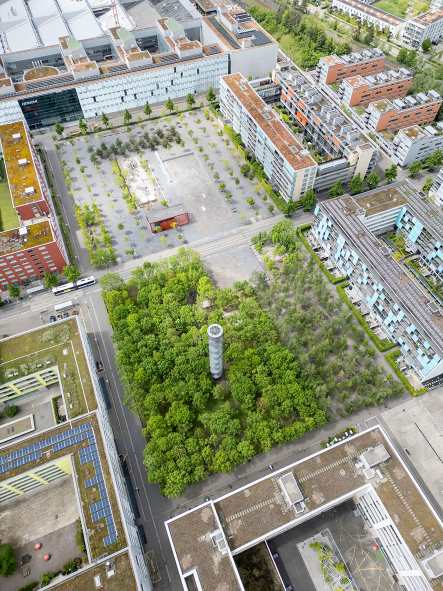
The section “Tree and Architecture” showcases 30 design projects and research studies that demonstrate the many ways trees can become integral to urban life. Some designs frame trees as objects of beauty or shade, while others embrace the full cycle of growth, decay, and renewal. The result is a fascinating dialogue: Should architecture freeze nature in time, or should it embrace the slow but inevitable transformations of living systems?
credit Ilkka Halso
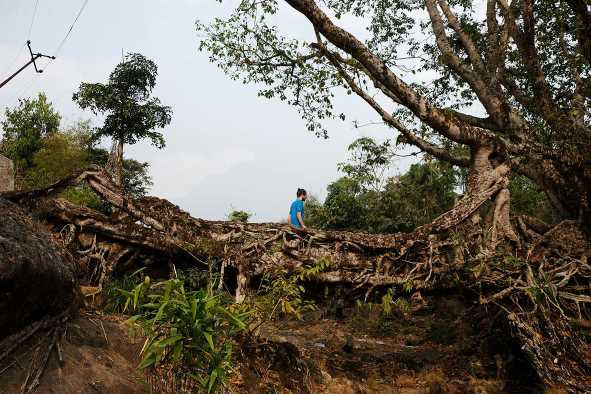
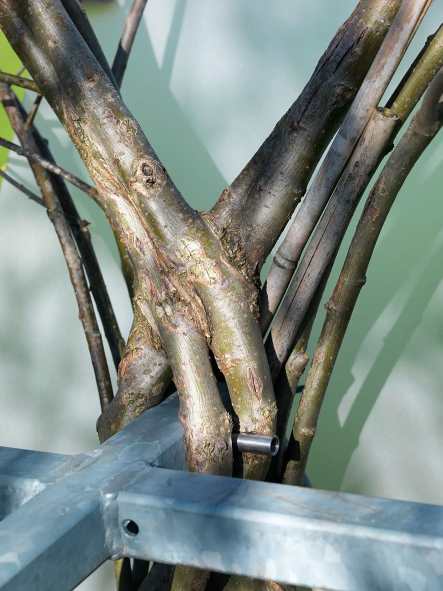
The final section, “Tree as Architecture,” introduces the emerging discipline of Baubotanik, in which trees are guided to grow into structural forms. Imagine buildings that evolve, adapt, and even repair themselves—living architecture that merges engineering with botany. Though it sounds futuristic, the exhibition points to centuries-old precedents, such as India’s living root bridges, proving that humans have long experimented with architecture that grows.
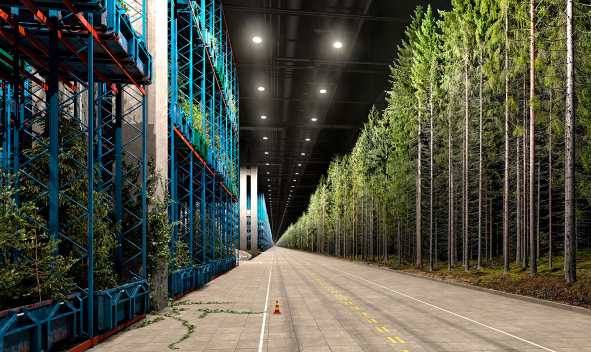
Outside the museum, visitors encounter Baumlager, a striking installation of 22 hornbeams arranged in a high-bay warehouse. The piece highlights the tension between the slow, organic rhythm of tree growth and the speed of industrial production—a metaphor for our broader environmental predicament.
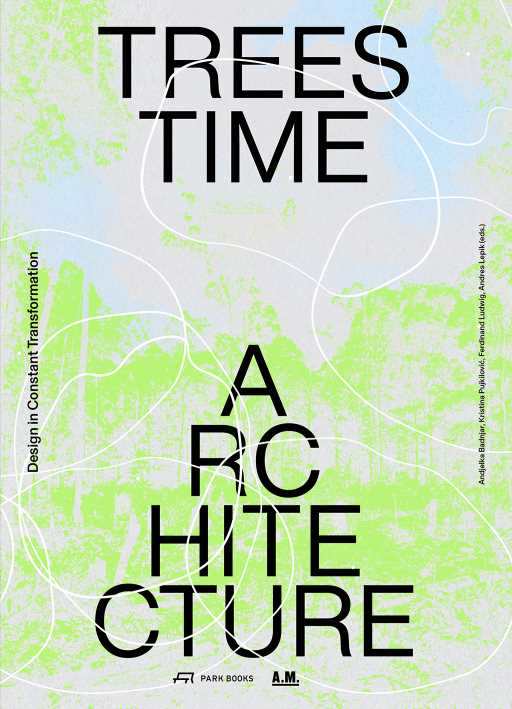
Accompanying the exhibition is a richly designed catalogue published by Park Books. Edited by Ludwig, Pujkilović, Badnjar Gojnić, and Lepik, “Trees, Time, Architecture! Design in Constant Transformation” gathers essays, photographs, conversations, and case studies into a magazine-style volume. Contributors include architects, scientists, artists, and indigenous knowledge holders, fostering a global conversation about how trees and architecture can collaborate.
Ultimately, both the exhibition and its catalogue underline a crucial shift: moving from static design toward process-based architecture that accepts growth, change, and decay as essential elements. At a moment when sustainability is no longer optional, “Trees, Time, Architecture!” offers not just inspiration but a blueprint for reimagining the future of cities—rooted in collaboration with the natural world.
 The Flora Journal