The city of Copenhagen, Denmark, will witness a groundbreaking cultural event when two of Denmark’s leading art museums – Ordrupgaard and The Hirschsprung Collection – join forces for the first time in a joint exhibition. Plant Fever. The World on the Windowsill opens on September 3, 2025, and runs until January 11, 2026, unfolding across both museums in a unique exploration of one of Denmark’s quietest yet most pervasive cultural phenomena: the houseplant.
Denmark holds the global record for the highest number of houseplants per person, making this exhibition not only timely but deeply rooted in everyday life. While houseplants are often regarded as mere decorations, Plant Fever reveals their complex histories, cultural significance, and artistic representations, shedding light on stories that have long been overlooked in Danish art history.

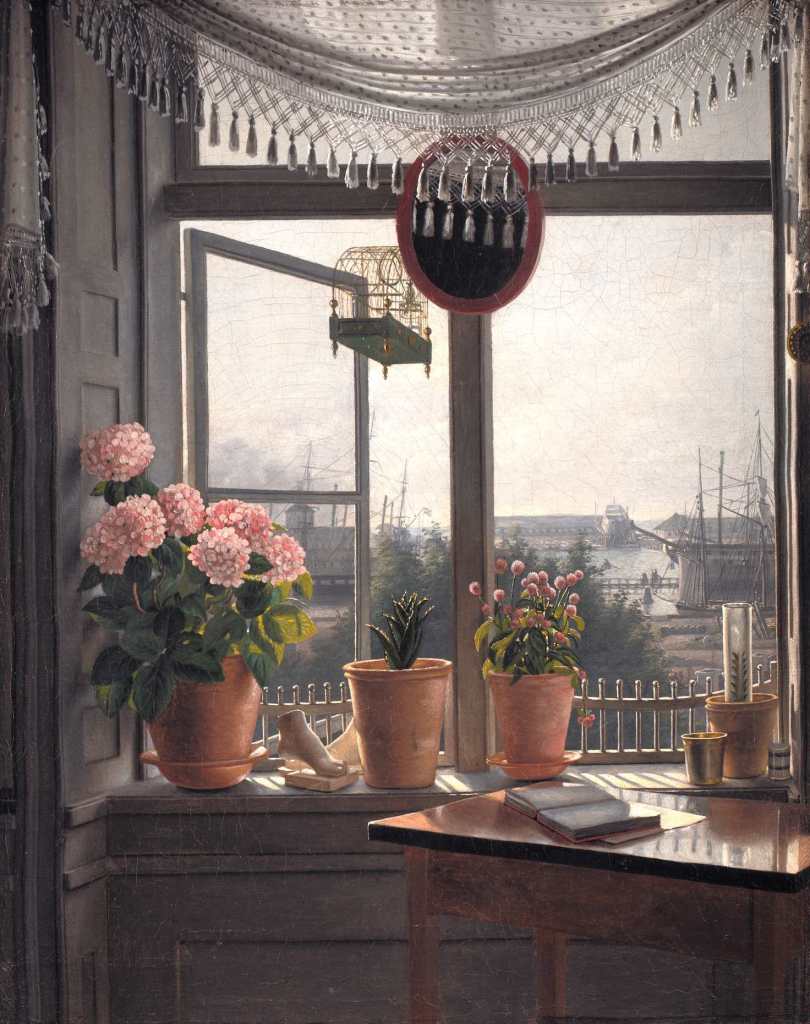

credit Ribe Kunstmuseum
The exhibition traces the remarkable journey of exotic plants into Danish homes during the nineteenth century. Imported from far-flung corners of the globe, these plants were once seen as rare luxuries before sparking a nationwide craze. Paintings and drawings from the period reveal their ubiquitous presence, yet the global origins and hidden narratives of these plants have rarely been examined. By focusing on this intersection of art, nature, and history, the exhibition highlights how colonial plant transfers reshaped both European interiors and the world’s ecosystems.
Houseplants are presented as silent witnesses to the entangled histories of colonial expansion, environmental change, and cultural exchange. Many species that thrived in Danish parlours were simultaneously endangered in their native habitats, underscoring the contradictions of global plant circulation. Yet these plants also fostered intimate bonds between people and nature—relationships that continue to inspire more mindful and sustainable ways of living today.

credit Skagens Kunstmuseer
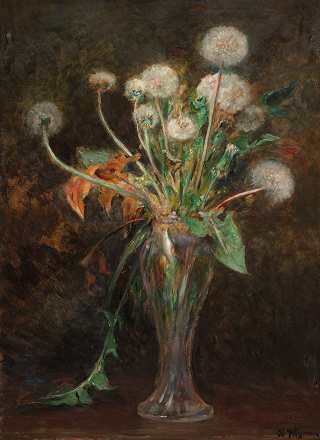
credit Ole Akhøj

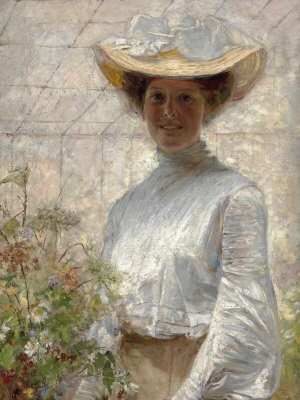
Visitors to Ordrupgaard and The Hirschsprung Collection will encounter a rich spectrum of artworks. Nineteenth-century masters such as Christen Købke, Bertha Wegmann, Peder Severin Krøyer, Anna Ancher, Christine Swane, Martinus Rørbye, Kristian Zahrtmann, and Anna Syberg depict the quiet elegance of houseplants in domestic spaces. Complementing these historical works, contemporary artists provide new perspectives. Ordrupgaard presents pieces by Camilla Berner, Jesper Christiansen, and the duo Randi & Katrine, while The Hirschsprung Collection showcases newly commissioned works by Jeannette Ehlers, Viktoria Wendel Skousen, and Shëkufe Tadayoni Heiberg, each reinterpreting the plant-human relationship in fresh and thought-provoking ways.
Plant Fever is part of the wider research initiative Hidden Plant Stories, developed in collaboration with Aarhus University and funded by the Velux Foundation. The project investigates the cultural and ecological histories of houseplants, culminating in a scholarly catalogue to be published by Aarhus University Press. A companion podcast, produced by Besyv and featuring insights from curators, directors, and researchers, will accompany the exhibition, offering audiences another way to engage with its themes.
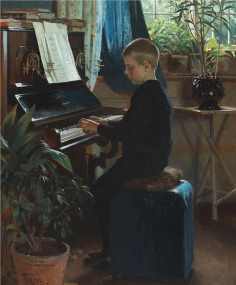
credit Bruun Rasmussen Kunstauktioner
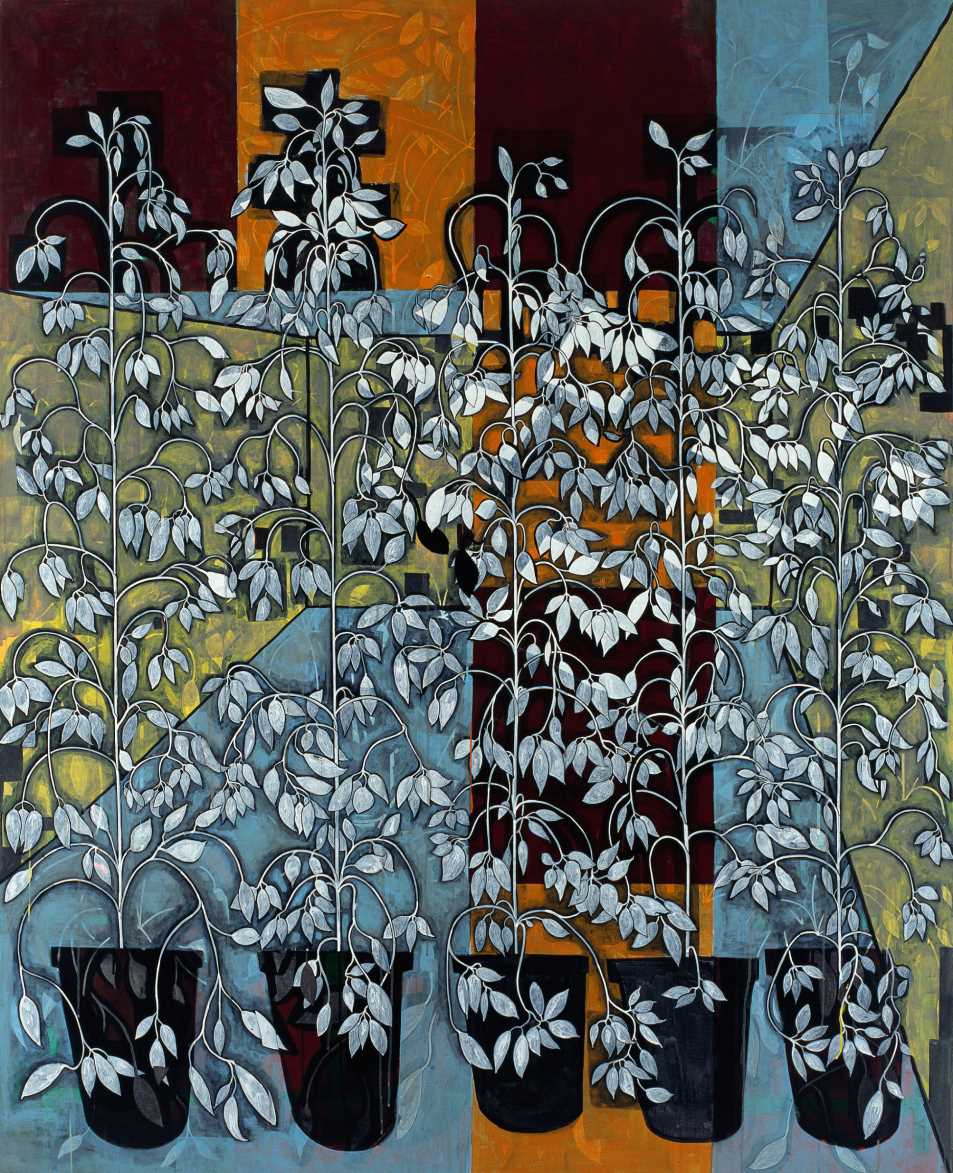
The exhibition design, crafted by scenographer Anne Schnettler, ensures a unified yet distinctive experience across both venues. At Ordrupgaard, curator Rikke Zinck Jensen and art historian Pernille Leth-Espensen lead the project, while at The Hirschsprung Collection, Gry Hedin shapes the narrative. Together, their collaboration marks a historic moment for Danish museums.
Supported by numerous foundations, as The Aage and Johanne Louis-Hansen Foundation, The Augustinus Foundation, The Axel Muusfeldt Foundation, The Knud Højgaard Foundation, The New Carlsberg Foundation, Plant Fever. The World on the Windowsill is more than an exhibition—it is an invitation to reconsider the greenery on our windowsills as carriers of history, culture, and global connection.
 The Flora Journal