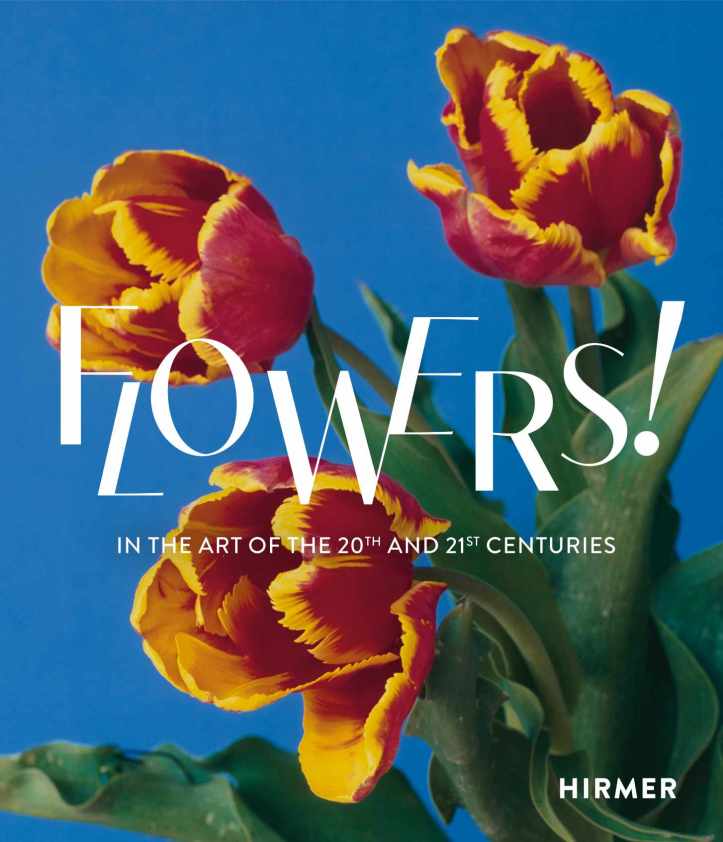
The volume Flowers! – In the Art of the 20th and 21st Centuries, written by Regina Selter and Stefanie Weißhorn-Ponert and published by Hirmer Verlag, provides a comprehensive investigation of floral motifs in modern and contemporary art. This catalogue was published on the occasion of the exhibition “Flowers! Blumen in der Kunst des 20. und 21. Jahrhunderts / Flowers! Flowers in the Art of the 20th and 21st Centuries”, held at Dortmunder U, Dortmund, Germany, in 2022. It includes approximately 120 works spanning painting, photography, video, and installation. Its 272 pages, with 160 colour illustrations, present a broad panorama of artistic engagement with flowers across the twentieth and twenty-first centuries.
The motif of the flower, historically associated with themes of transience and mortality in Baroque art, is here reconsidered through a wide range of modern and contemporary practices. The volume demonstrates how floral imagery continues to oscillate between aesthetic fascination and symbolic depth, functioning not only as a vehicle of beauty but also as a marker of decay, temporality, and existential reflection. This duality forms the conceptual backbone of the catalogue.
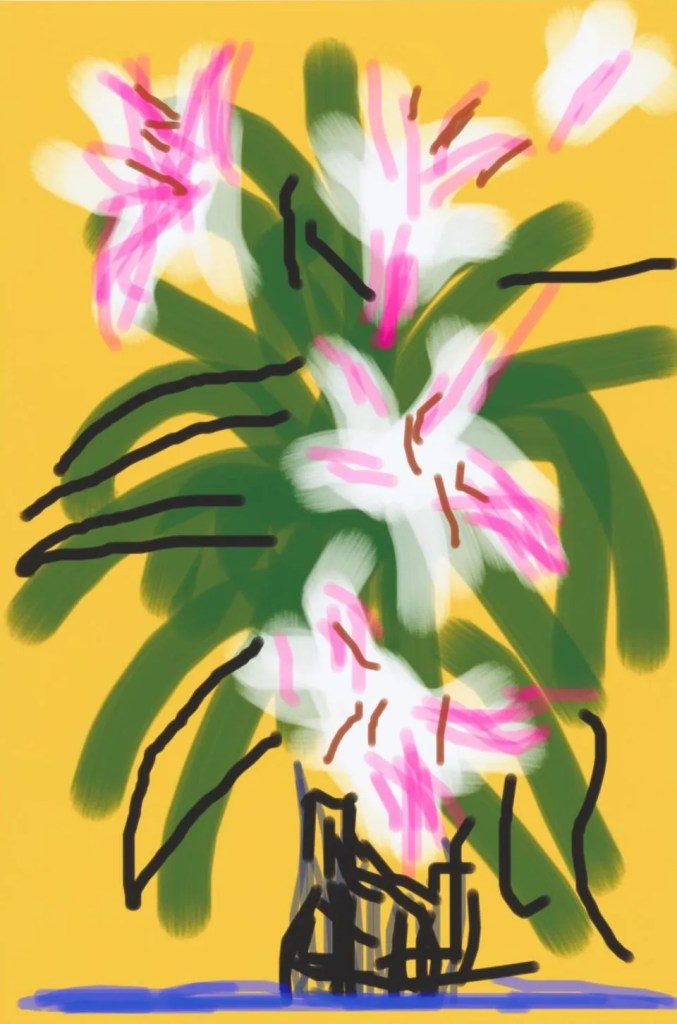
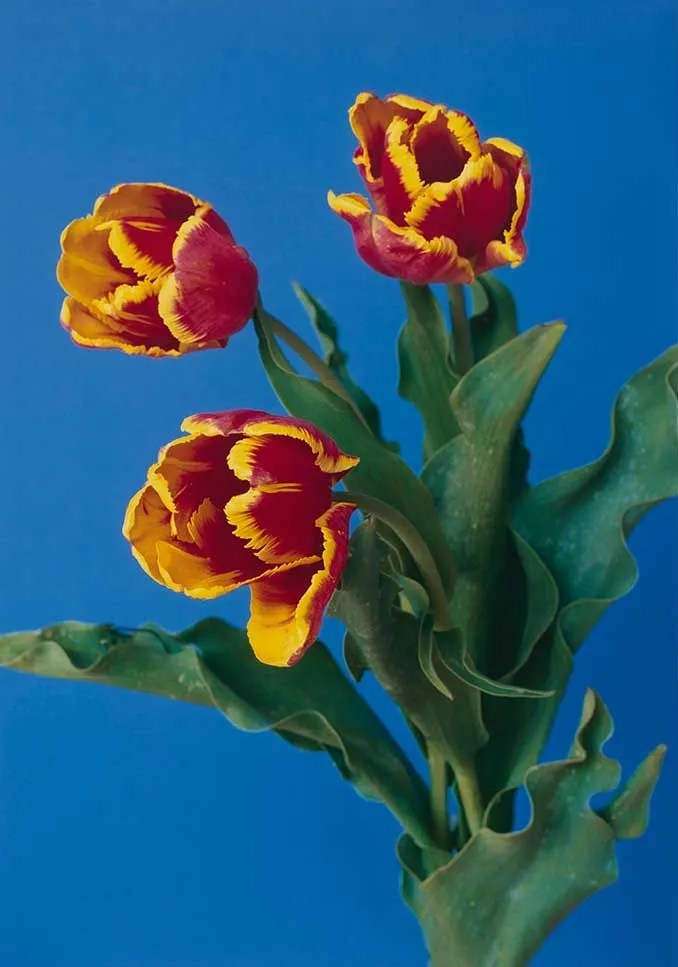
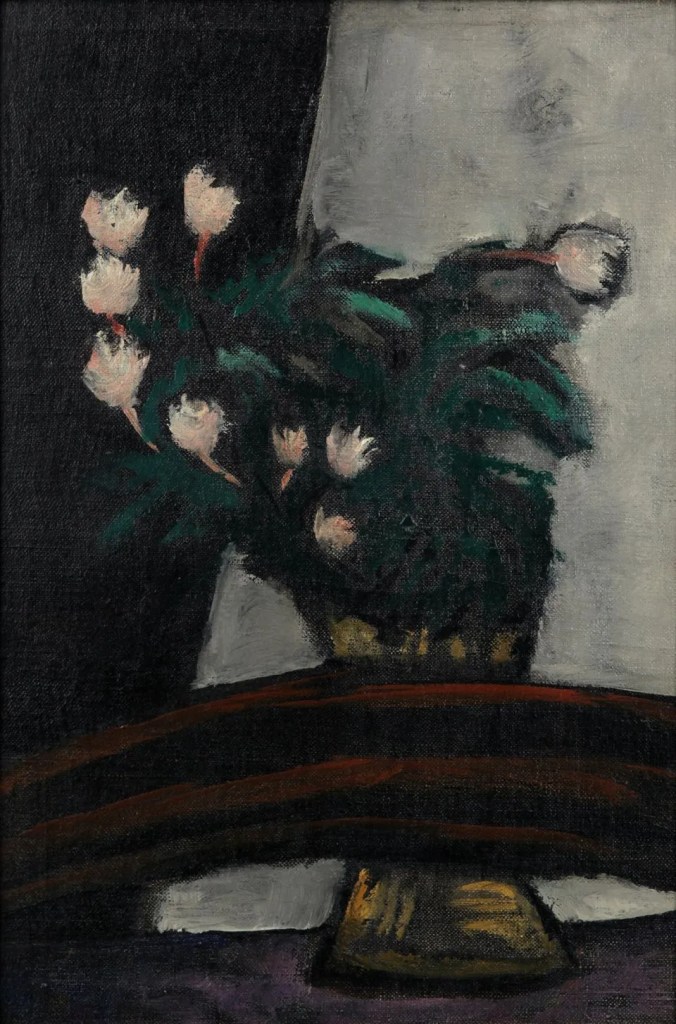
Structured thematically, the book examines several key aspects of floral representation. Flowers appear as a medium of colour and form, as allegories of gender and identity, and as signs within socio-political discourse. Further sections consider their role in ecological and environmental debates, their presence in everyday culture, and their intersection with new media and technology. Essays and art-historical analyses situate individual works within these larger contexts, thereby expanding the interpretative field beyond formal description.
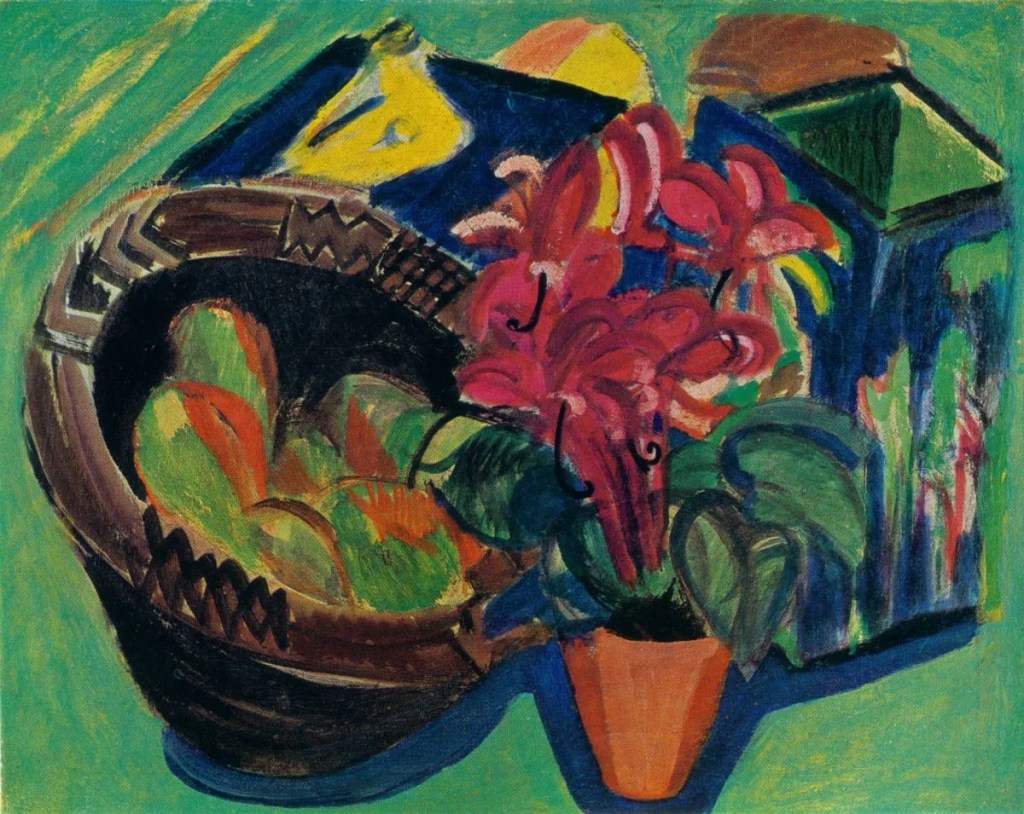
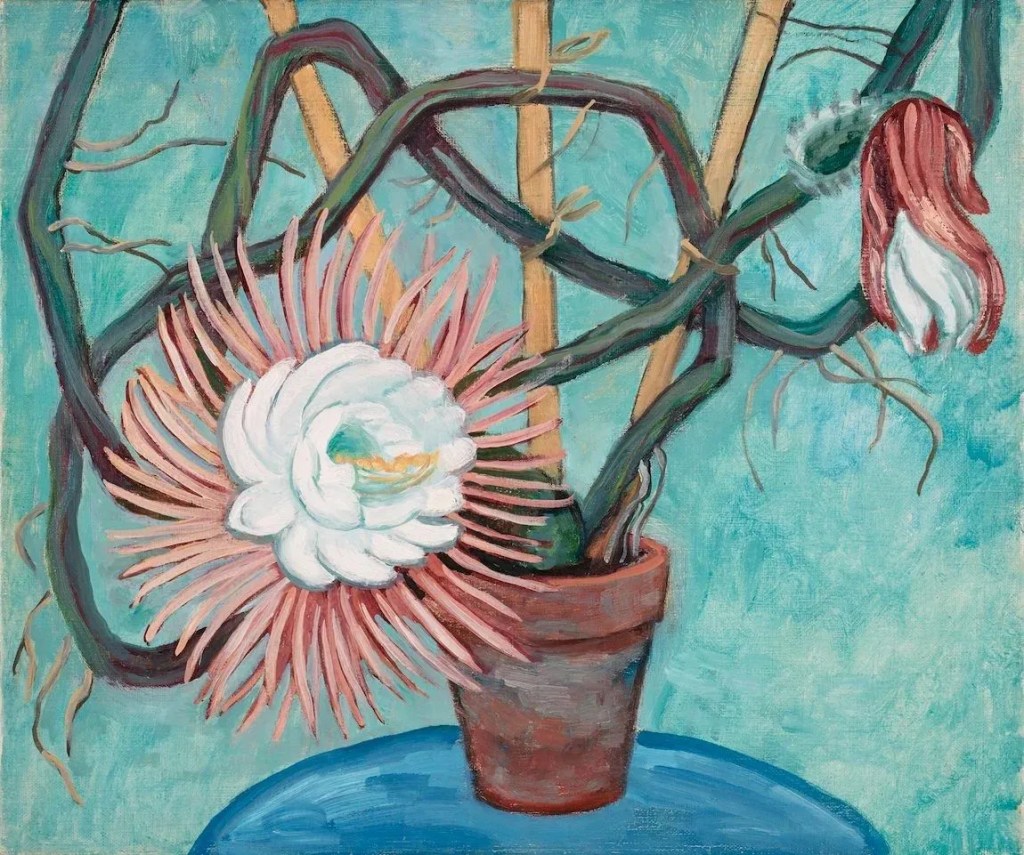
The selection of artists underscores the breadth of this inquiry. Figures such as Max Beckmann, Max Ernst, Hannah Höch, Joseph Beuys, Andy Warhol, Robert Mapplethorpe, Gerhard Richter, Pipilotti Rist, Martha Rosler, and Hito Steyerl exemplify the diversity of approaches taken to the floral motif. Their works, spanning avant-garde experimentation, conceptual practices, and pop aesthetics, reflect how the flower persists as both a formal challenge and a cultural signifier. The inclusion of such a wide spectrum of artistic positions demonstrates the resilience of this subject matter across distinct artistic movements and generations.
The catalogue’s visual material reinforces its thematic arguments. The illustrations provide detailed access to the works, allowing readers to trace formal strategies and symbolic resonances. By juxtaposing canonical artists with contemporary practitioners, the book highlights both continuities and shifts in the representation of flowers over the course of more than a century.
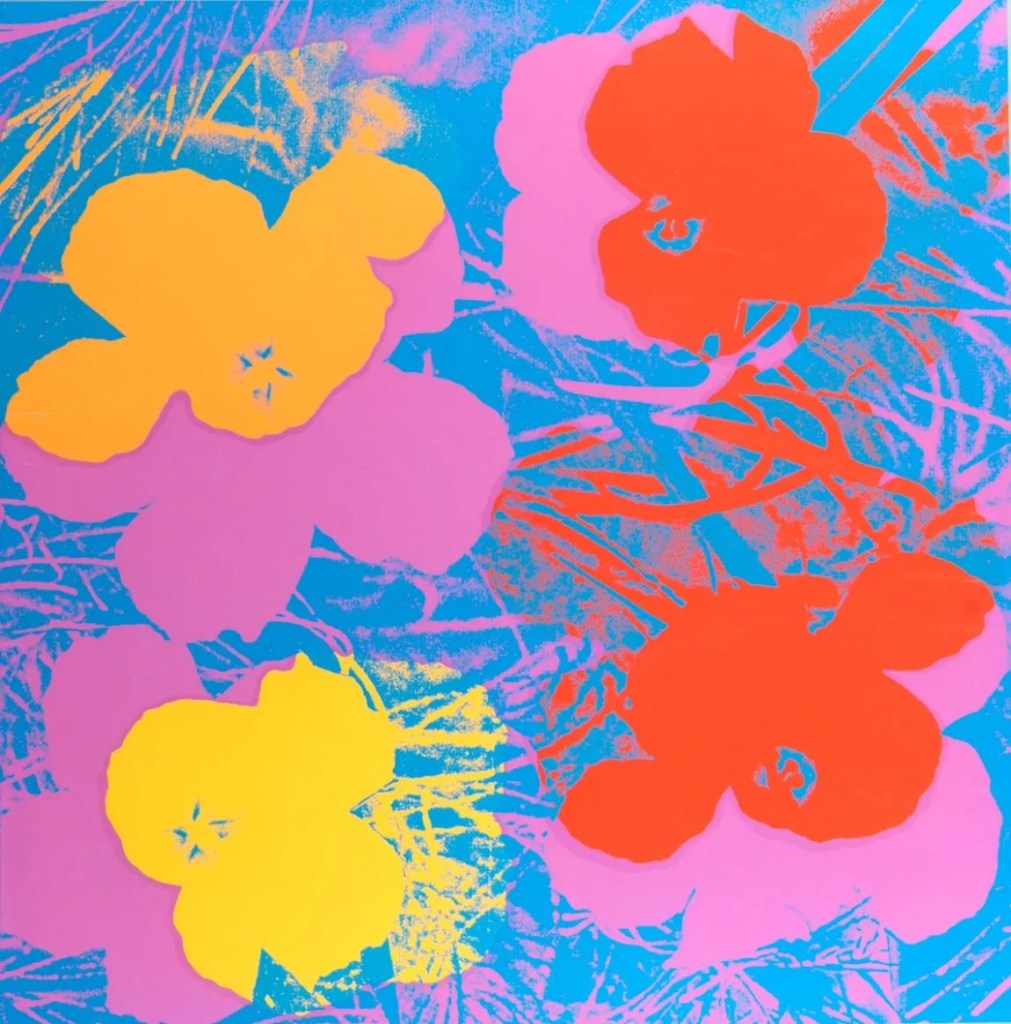
credit Klüser Collection, Munich
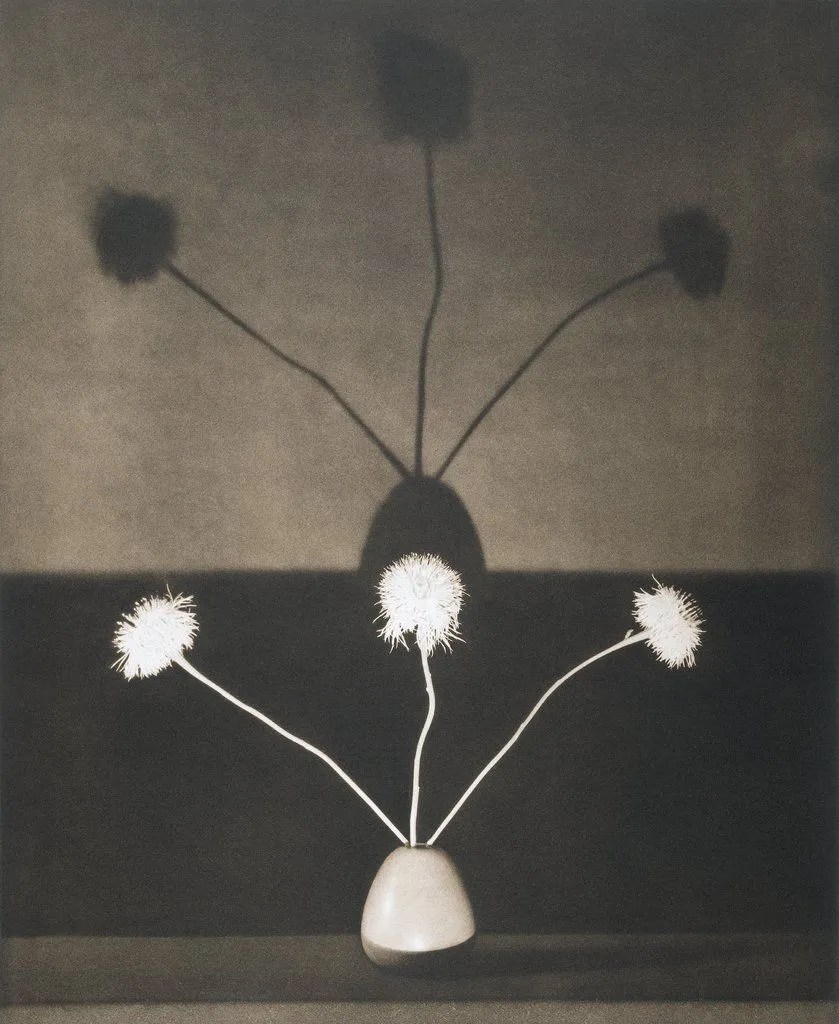
Equally significant are the essays that accompany the images. These contributions address, among other topics, the political dimension of flowers, their semiotic functions, and their role in shaping social practices. The analytical framework integrates art history, cultural studies, and visual theory, situating floral imagery within a wider network of meanings. The result is a multifaceted examination that bridges scholarly discourse with visual documentation.
Materially, the publication reflects the standards of a scholarly exhibition catalogue. Its large format and high-quality reproductions support both academic use and visual appreciation. The bilingual presentation in German and English further extends its accessibility to an international readership.
Flowers! – In the Art of the 20th and 21st Centuries thus offers a rigorous and expansive exploration of one of the most persistent motifs in visual culture. By integrating historical continuity with contemporary innovation, and by balancing visual documentation with critical analysis, the volume provides an essential resource for scholars of modern and contemporary art as well as for those interested in the cultural significance of botanical imagery.
 The Flora Journal