In the quiet study room of the Liberna collection at the Draiflessen Collection in Mettingen, Germany, the exhibition A Garden of Flowers: Lilla Tabasso & Crispijn de Passe, curated by Iris Ellers and Guido Scholten, stages an evocative dialogue between two artists separated by more than three centuries. Running through November 2, 2025, the show connects the meticulous engravings of the seventeenth-century Dutch master Crispijn de Passe the Younger (1594–1670) with the delicate, hyperrealistic glass sculptures of the contemporary Italian artist Lilla Tabasso. What unites them is a shared fascination with the beauty, fragility, and transience of flowers.
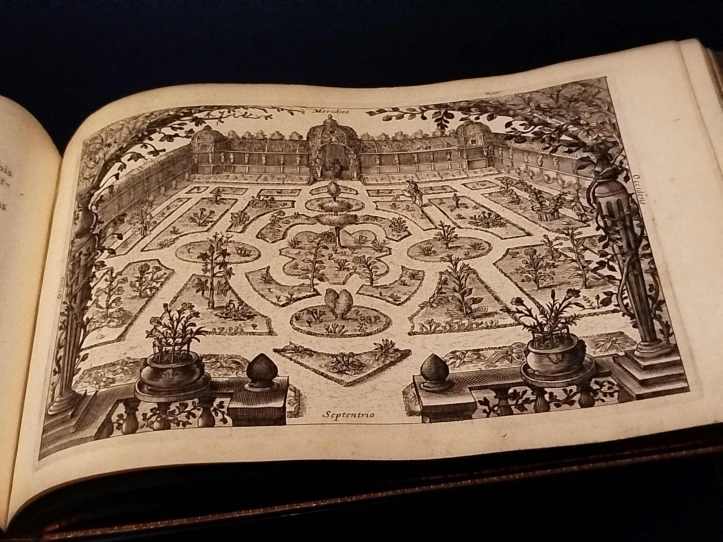
De Passe, a member of a renowned dynasty of engravers, was a key figure in the early modern intertwining of art and science. His Hortus Floridus, a collection of 166 copperplate engravings published in the early seventeenth century, catalogued an extraordinary variety of plants and flowers, influenced by the botanical garden in Leiden. Each plate demonstrates both scientific precision and artistic grace, reflecting the spirit of discovery that defined the era. His work bridges observation and imagination, showing a reverence for the natural world that transcends time.
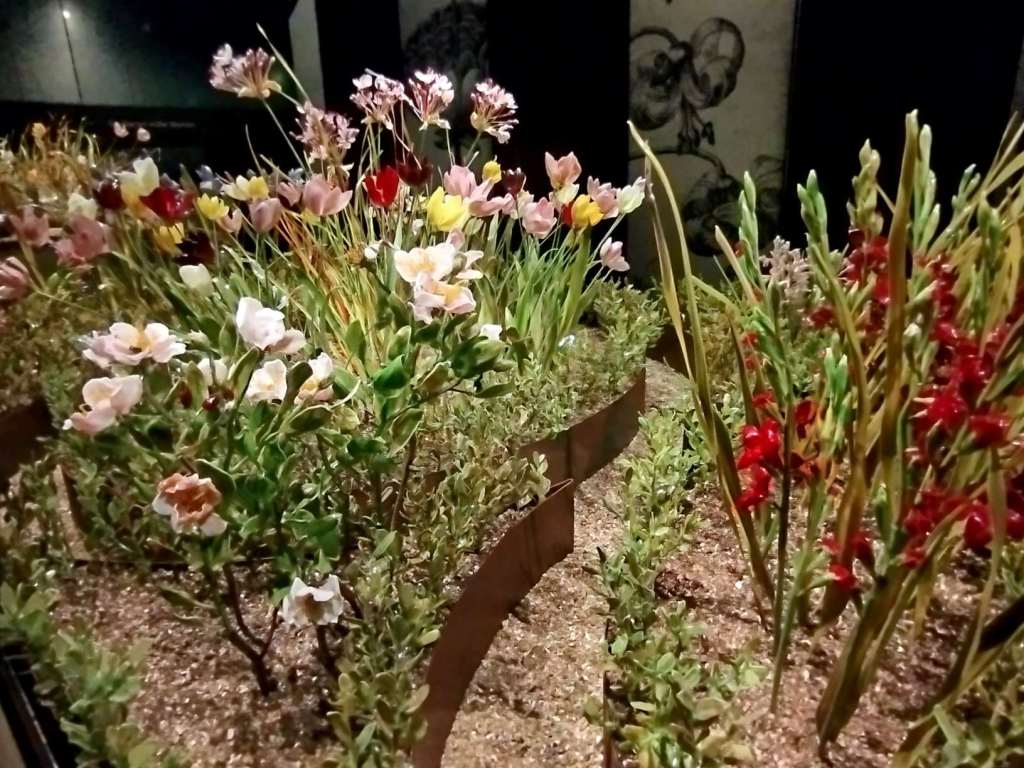
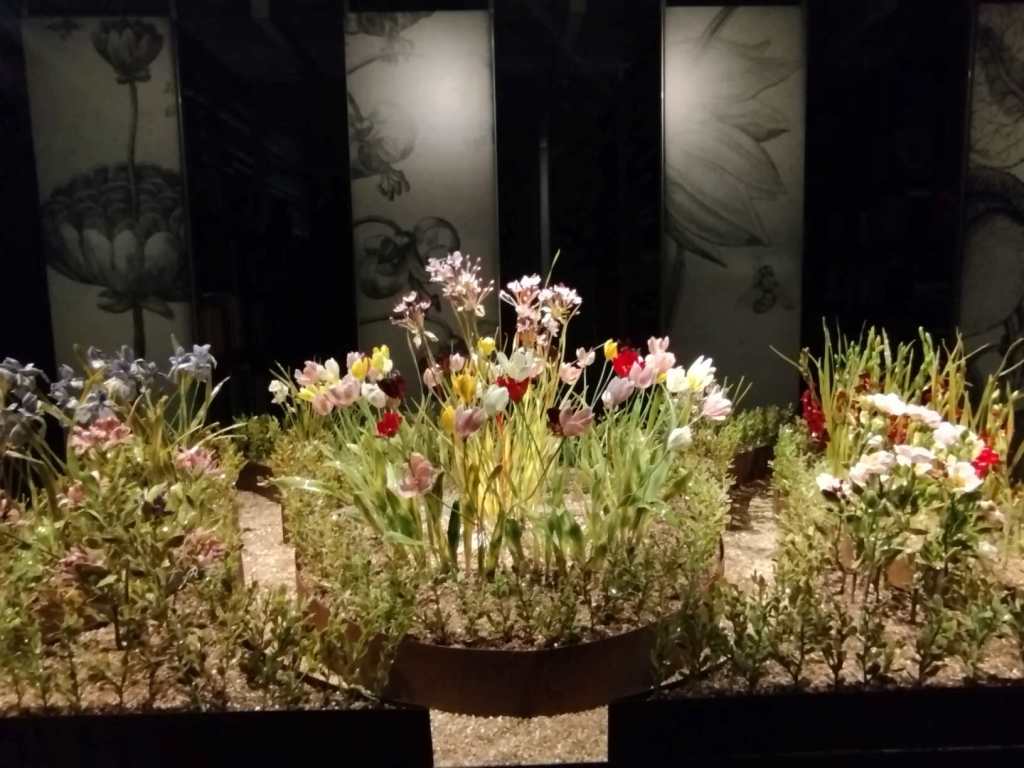
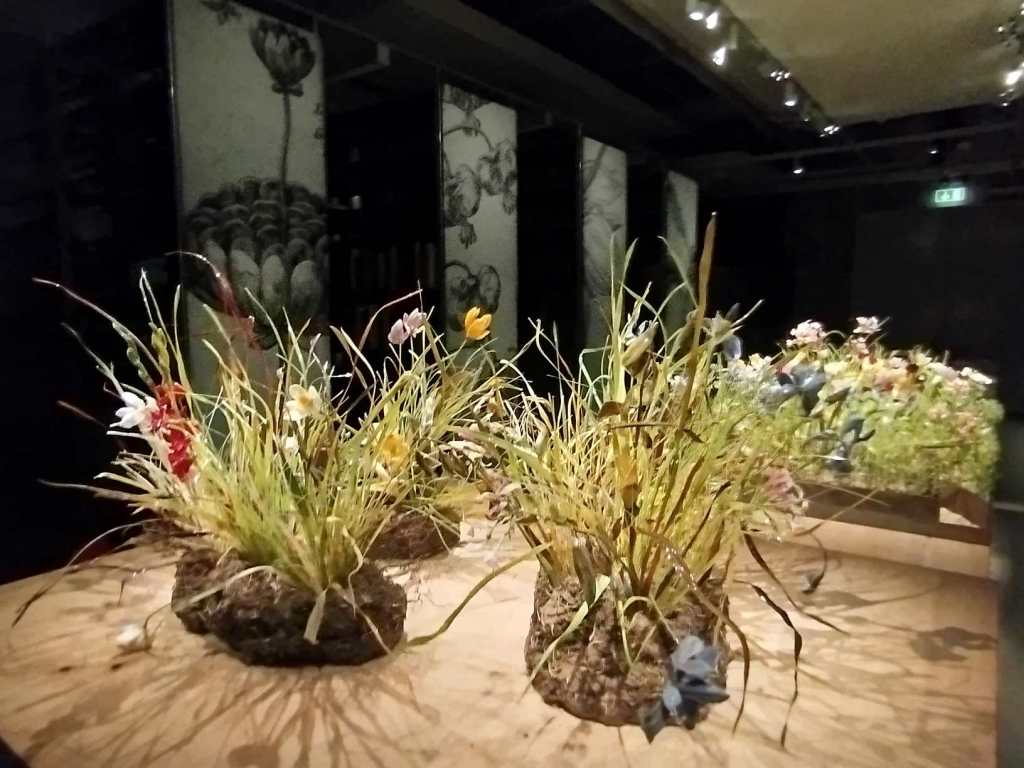
Lilla Tabasso brings this heritage into the present through the luminous medium of Murano glass. Known for her astonishingly lifelike floral sculptures, she transforms De Passe’s monochrome engravings into vibrant three-dimensional compositions. Her flowers appear as if plucked from nature, their colors radiant yet delicate, their forms faithful down to the smallest imperfection. Yet Tabasso’s art also embraces decay: stems bend, petals curl, and leaves lose their luster. In doing so, she recalls the seventeenth-century vanitas tradition, where beauty and mortality coexist in a single gesture. Through glass, simultaneously fragile and enduring, she turns stillness into a meditation on time itself.
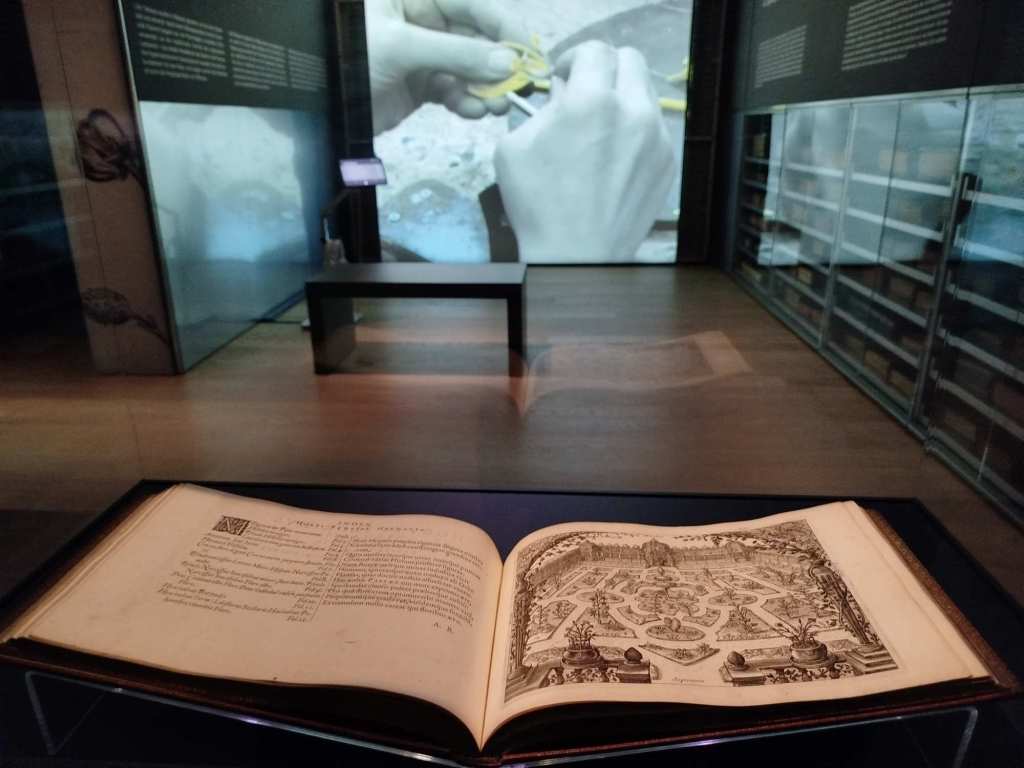
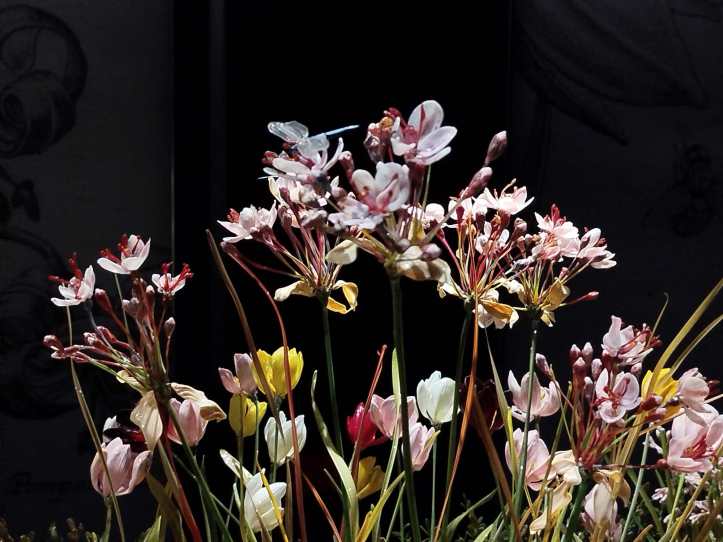
The encounter between De Passe and Tabasso unfolds as a visual conversation between precision and emotion, intellect and intuition. On one side, the engraved line captures the taxonomy of life; on the other, the sculpted glass breathes it back into being. The dialogue between black and white and the explosion of color underscores not opposition, but continuity: a centuries-long fascination with how nature can be both studied and celebrated through art.
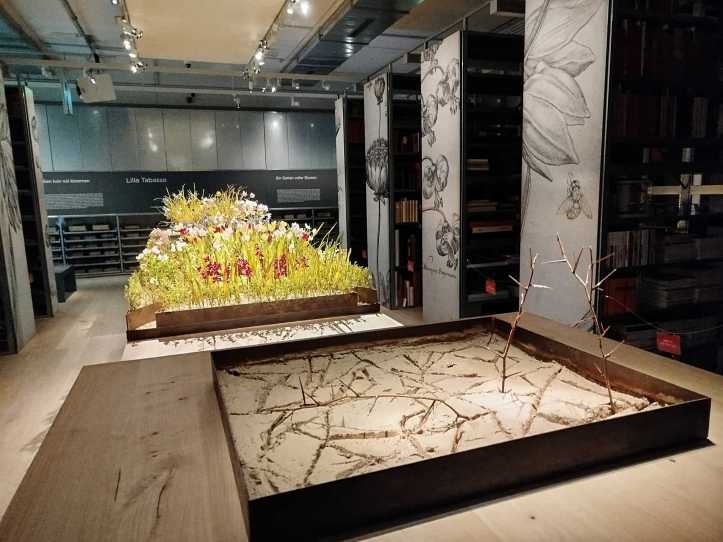
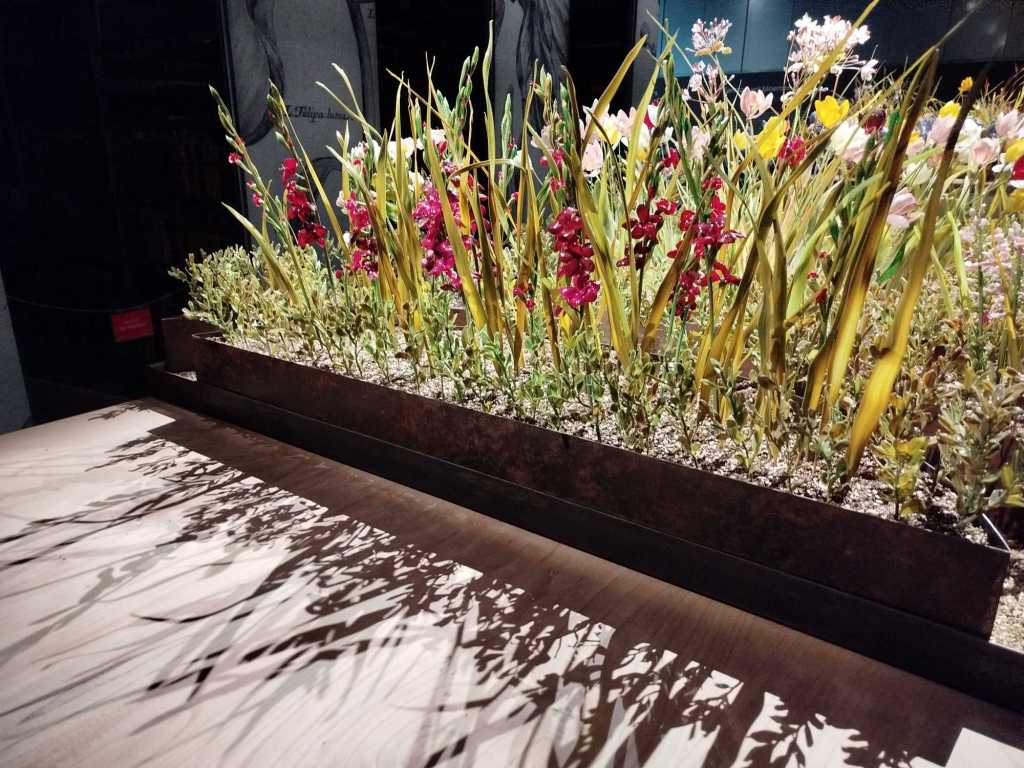
Ellers and Scholten’s curatorial approach enhances this exchange by situating the works within the Liberna collection’s study room: an environment steeped in knowledge and quiet reflection. The setting encourages visitors to slow down, to read each image and sculpture as both document and dream. Accompanied by a trilingual catalogue in German, English, and Dutch, the exhibition extends its conversation beyond time and language.
A Garden of Flowers is more than a pairing of two artists. It is an exploration of how art can preserve and reinvent the natural world, reminding us that even the most fleeting bloom can find permanence through human creativity. It invites us to see how observation can evolve into wonder and how, in every era, flowers continue to speak the universal language of beauty and impermanence.
 The Flora Journal