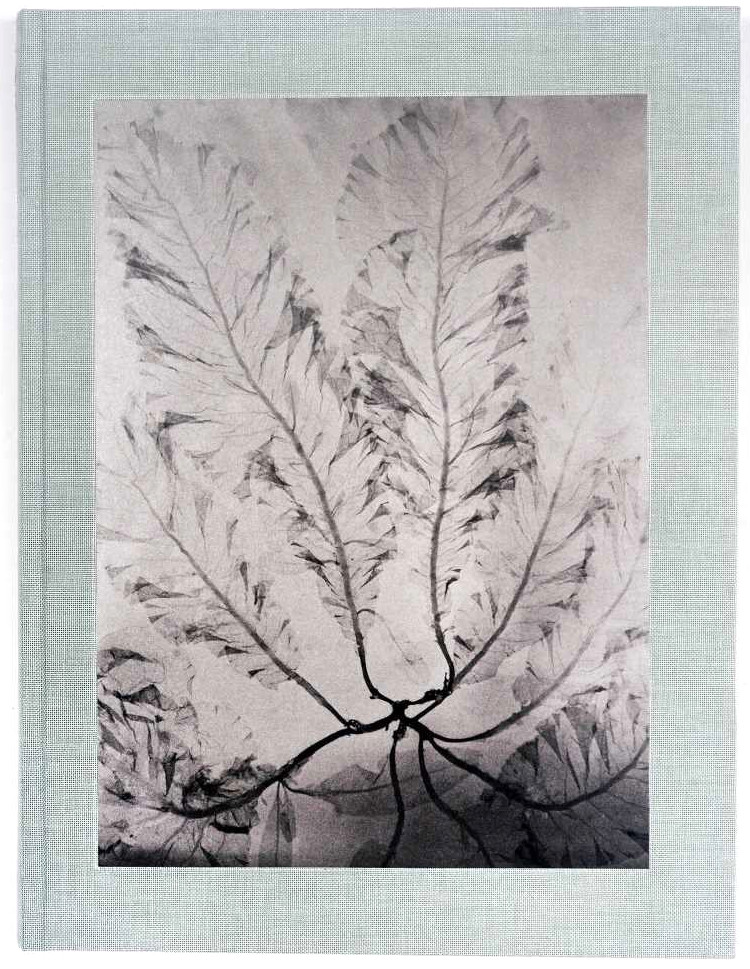
Wakame, the artist’s book by German photographer Steffen Diemer, is a luminous intersection of art, science, and poetry. At its heart lies a 19th-century herbarium of algae, an anonymous collector’s delicate archive, meticulously assembled between 1866 and 1869. Each specimen bears precise notes on its location, species, and date of collection. More than a historical curiosity, this herbarium became the seed for Diemer’s meditation on time, memory, and the fragile beauty of life suspended between existence and decay.
credit the(M) éditions et Ira Stehmann Fine Art
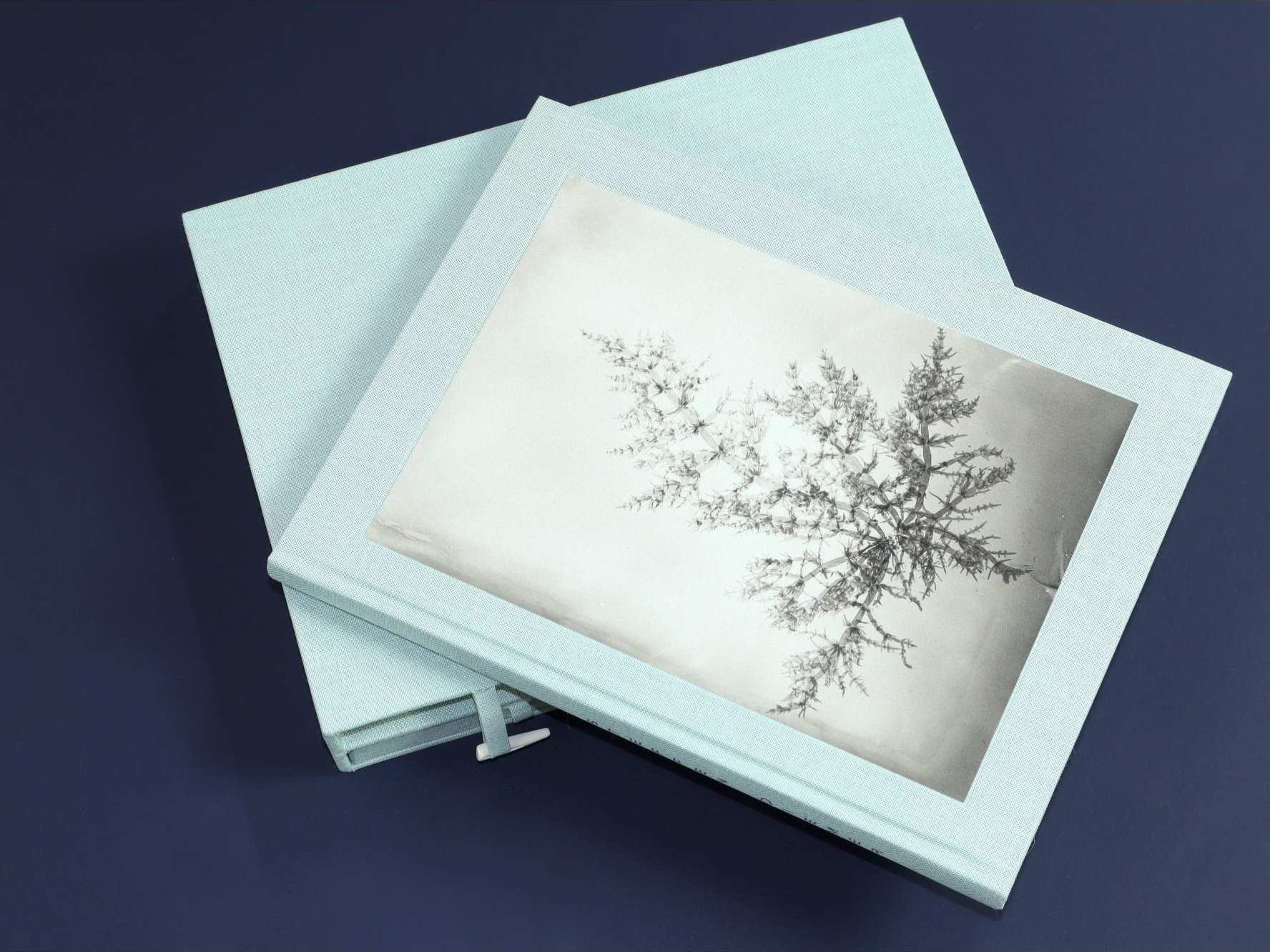
The title Wakame refers to the edible seaweed revered in Japanese culture, where algae are deeply entwined with ritual, literature, and daily life. Diemer’s years in Japan left a lasting impression, and it was the discovery of a long poem (Chōka) by the 7th-century poet Kakinomoto no Hitomaro, who used algae as a metaphor for eternal love, that unlocked the emotional core of the project. Through this poetic lens, the algae of the forgotten herbarium began to speak again, linking human emotion with the rhythms of the natural world.
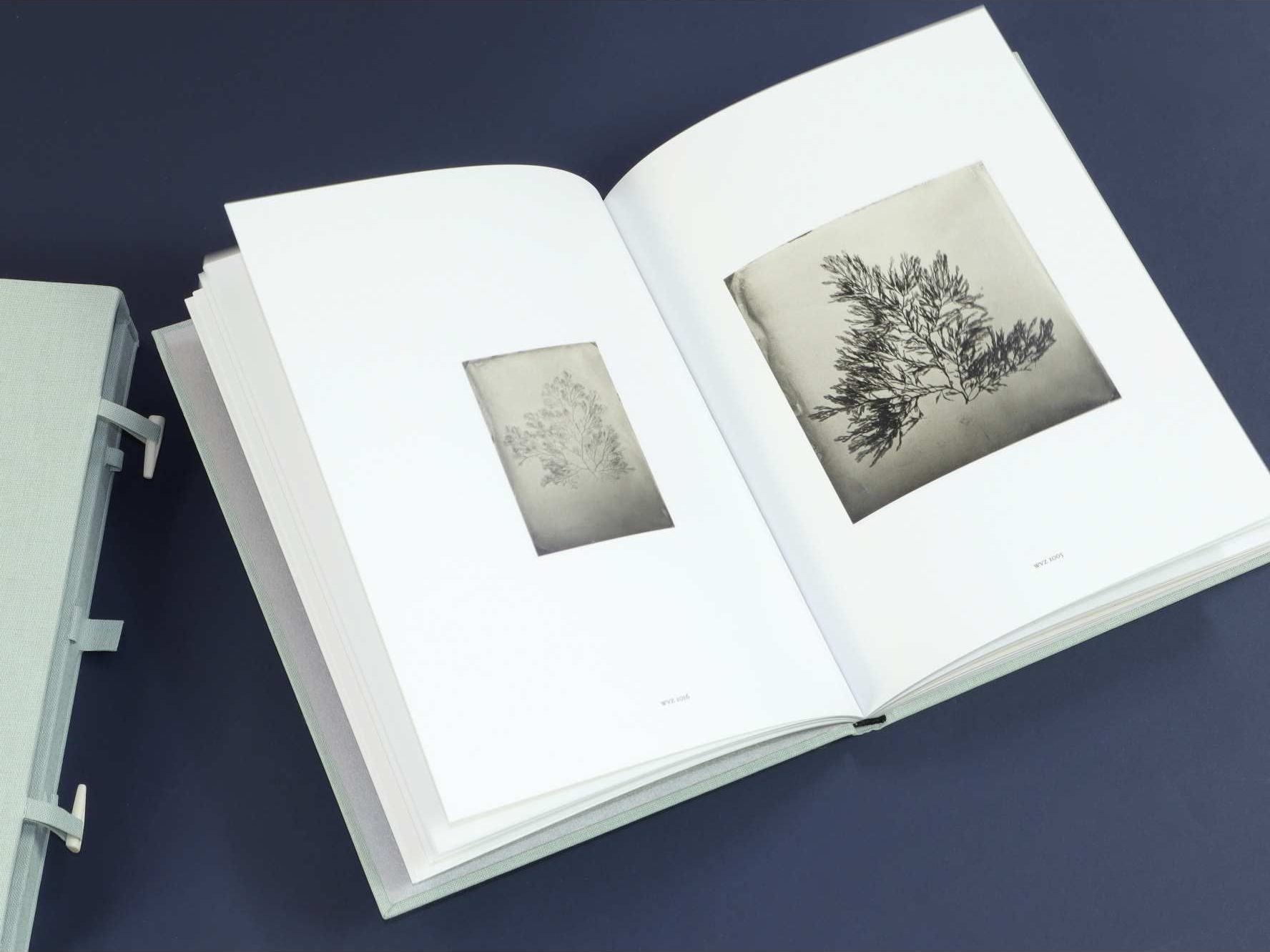
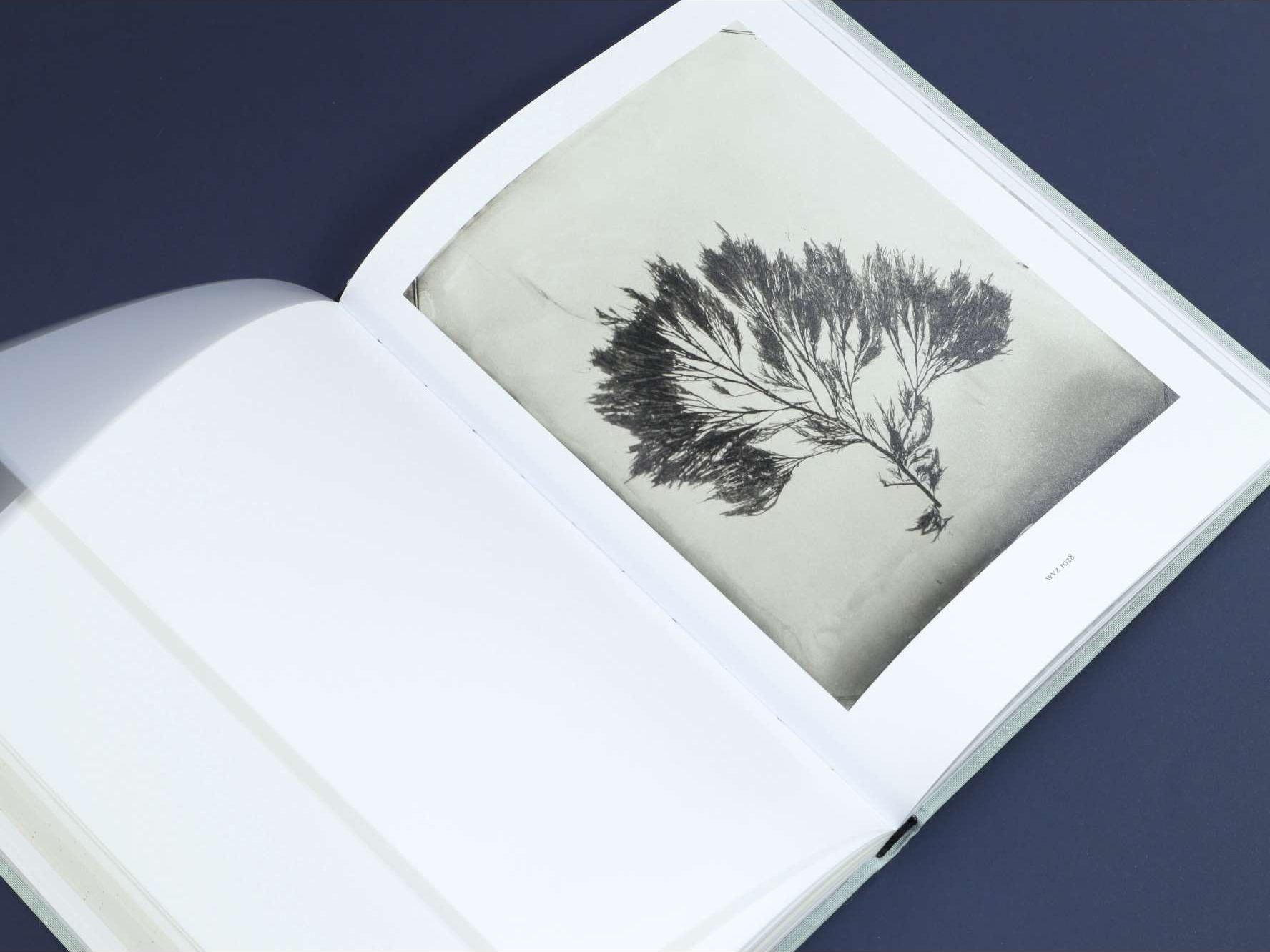
Diemer approached the material with reverence and experimentation. Employing a 170-year-old photographic process, he created unique ambrotypes, images produced on specially prepared black glass using the wet plate collodion method. The Greek root of the word “ambrotype,” ambrotos, means “immortal,” an apt description for works that breathe new, enduring life into once-dead specimens. Through subtle lighting and long exposures, Diemer transforms brittle fragments of seaweed into glowing, sculptural forms. Each photograph becomes both a scientific document and a work of quiet transcendence.
credit the(M) éditions et Ira Stehmann Fine Art
credit the(M) éditions et Ira Stehmann Fine Art
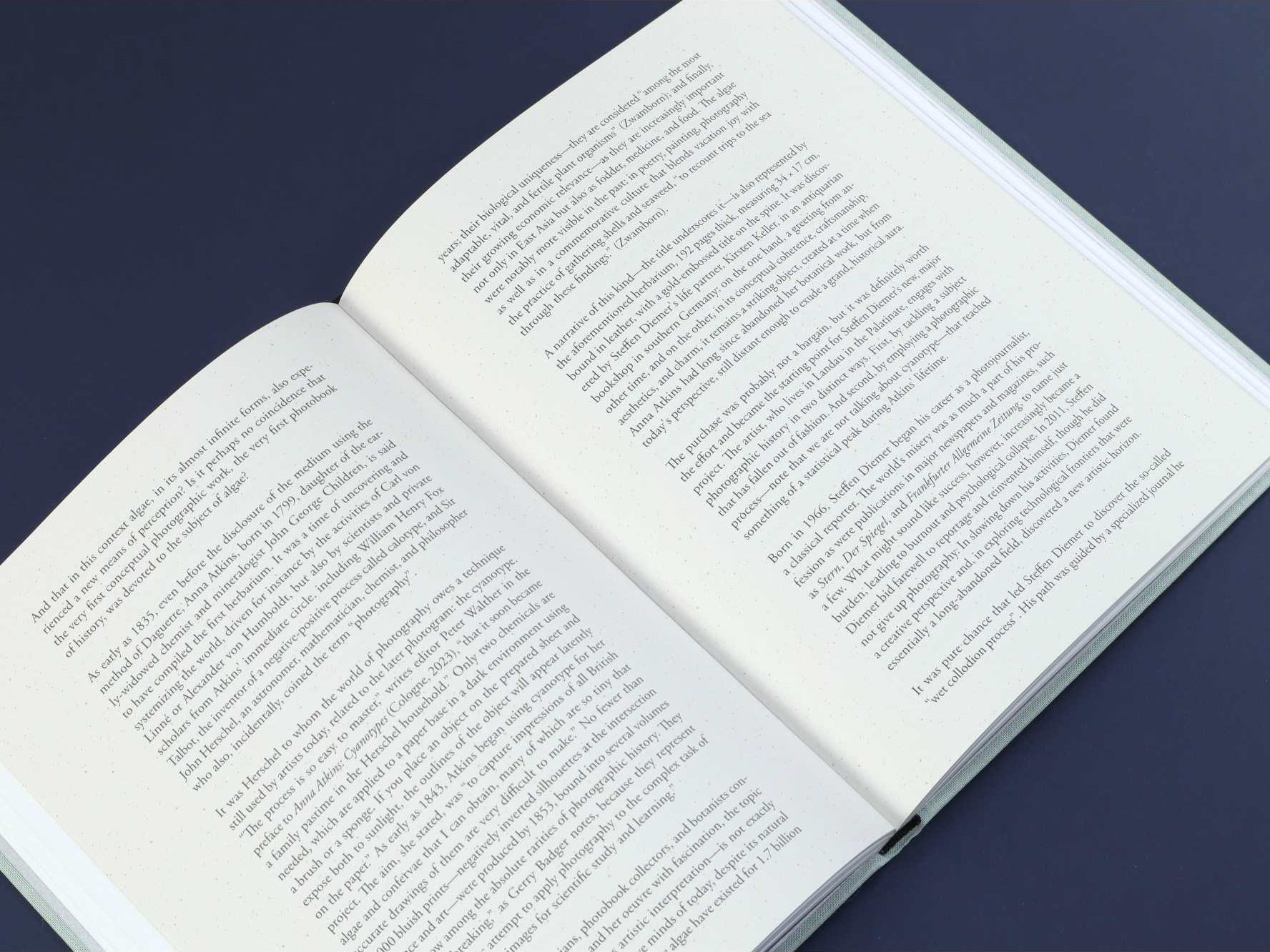
Published by the(M) éditions in collaboration with Ira Stehmann Fine Art, Wakame is a carefully crafted volume designed by Joana Bravo. The book includes a text by Hans-Michael Koetzle, whose writing situates Diemer’s work within a broader dialogue between photography and natural history. The edition is limited to 200 copies, with 10 special editions that each include a unique ambrotype, reinforcing the artist’s commitment to individuality and material authenticity.
Beyond its visual splendor, Wakame invites reflection on the intertwined histories of art and science. Algae, as Diemer reminds us, are not only aesthetic wonders but also the silent architects of life on Earth, organisms that transformed the planet’s atmosphere and made animal existence possible. By reimagining these humble life forms through antique photographic techniques, Diemer constructs a bridge across centuries: between the anonymous 19th-century collector and the modern viewer, between scientific curiosity and artistic devotion.
Selections from Wakame, along with the original herbarium, are currently exhibited at the Bundeskunsthalle in Bonn as part of the show Expedition Weltmeere. In 2025, the project will also be presented at Paris Photo, the world’s leading fair dedicated to photographic art, further affirming its resonance within contemporary photographic discourse. There, Diemer’s glass images will shimmer like relics of a lost oceanic world, testifying to the enduring power of nature and art to transcend mortality. Wakame stands as a meditation on preservation, transformation, and the eternal dialogue between life and its representation.
credit the(M) éditions et Ira Stehmann Fine Art
 The Flora Journal