In the heart of Austria’s Salzkammergut region, renowned for its ecological richness, Lake Wolfgang (Wolfgangsee) offers in autumn a remarkable botanical spectacle. As temperatures drop and daylight shortens, the plant communities surrounding the lake undergo a vivid chromatic and physiological transformation, creating a landscape where light, water, and forest interact in perfect harmony. On the lake’s eastern shore, in the village of Strobl, the Hotel Stroblerhof serves as an ideal base for exploring the area’s nature trails, with convenient access to the regional public transport network provided by the Guest Mobility Ticket.
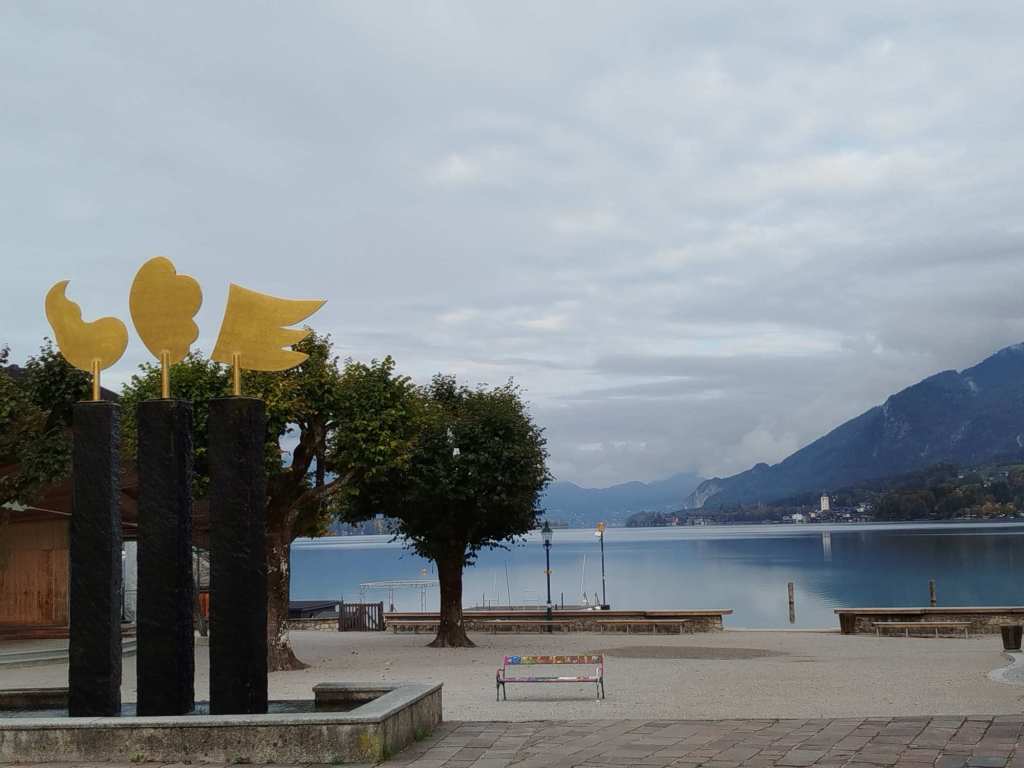
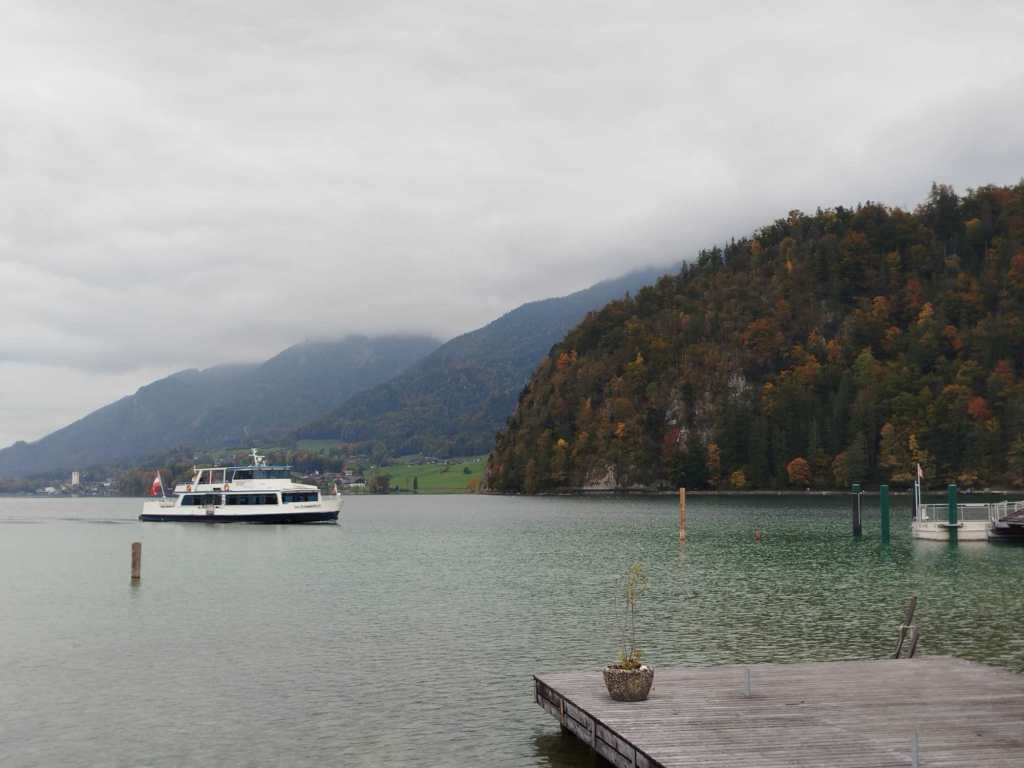
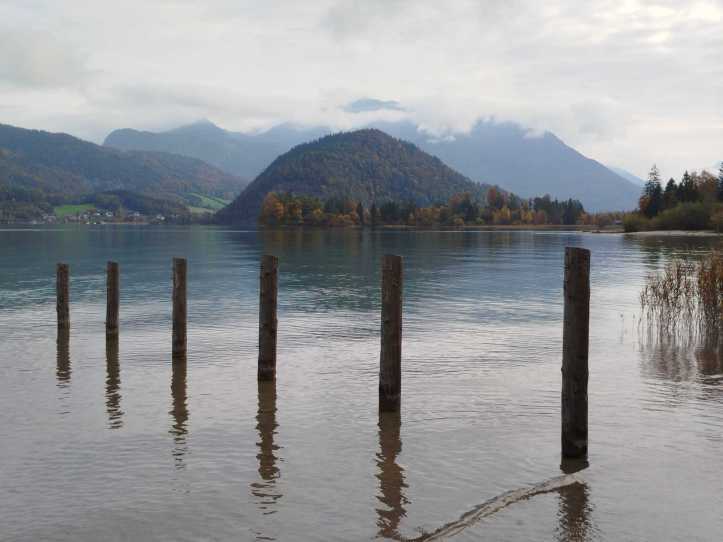
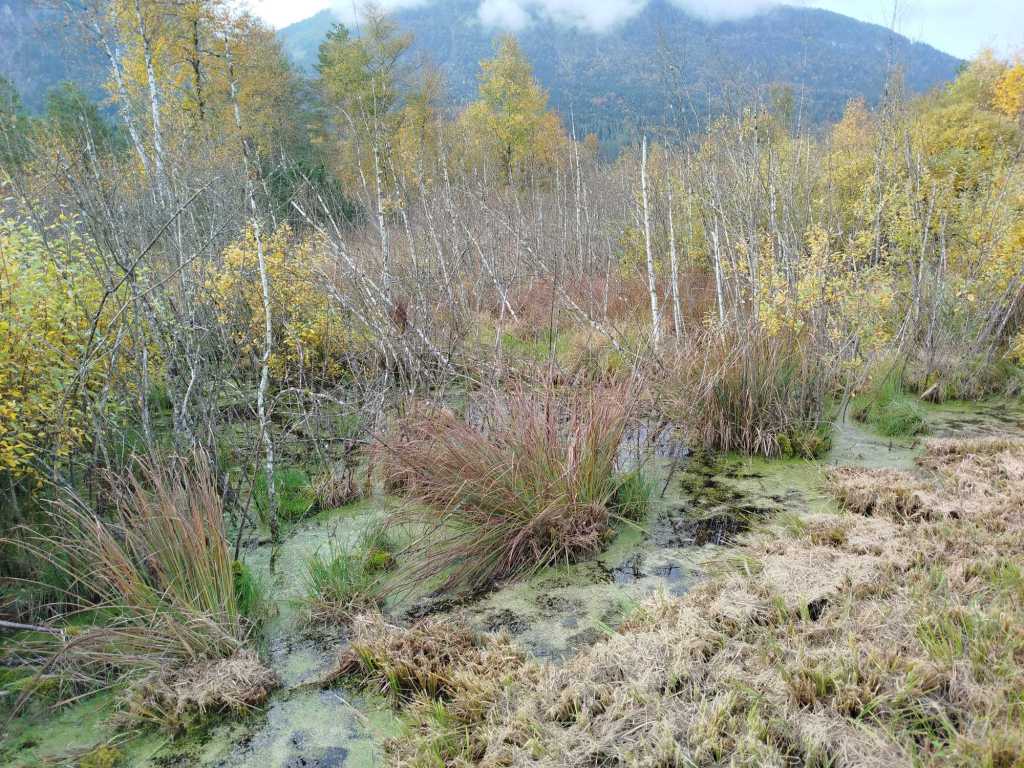
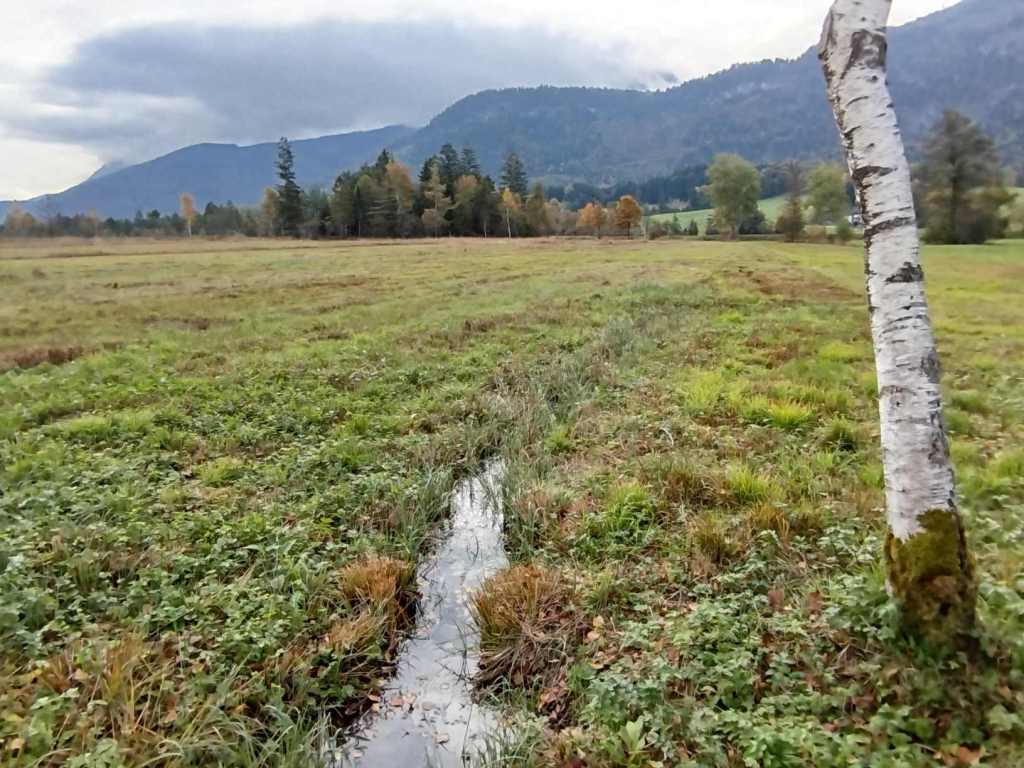
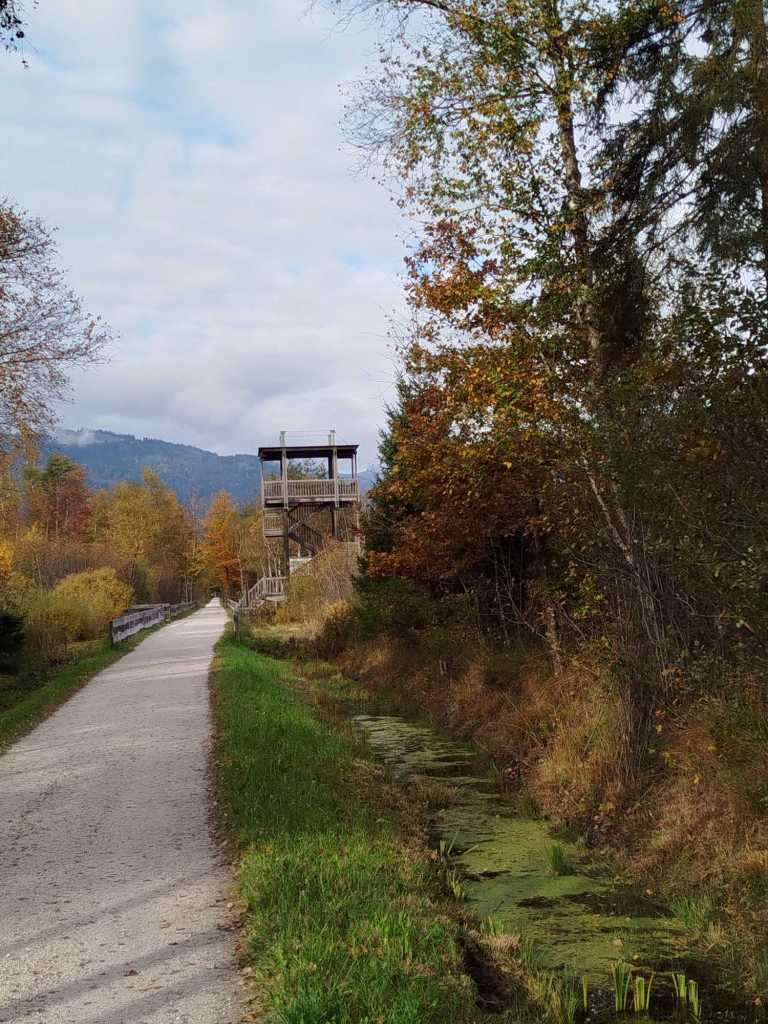
The Blinklingmoos Loop Trail introduces visitors to the ecological complexity of lacustrine wetlands. The Blinklingmoos Nature Reserve is a habitat of European importance for the conservation of both plant and bird species. In October, stands of Phragmites australis and Carex sedges turn golden, while the foliage of white willows (Salix alba) and black alders (Alnus glutinosa) glows against the clear sky. Across the moist meadows, the final blooms of Gentiana asclepiadea add a deep blue accent to the ochre landscape. Migratory birds such as grey herons (Ardea cinerea) and common coots (Fulica atra) can often be observed among the reeds. The path, level and hushed, reveals the subtle transition between the vitality of summer and the dormancy of winter. The walk culminates in the village square of Strobl, where the Gasthof Kirchenwirt offers traditional alpine cuisine: pumpkin soup, roasted venison, and locally foraged chanterelles, embodying the flavours of the season.
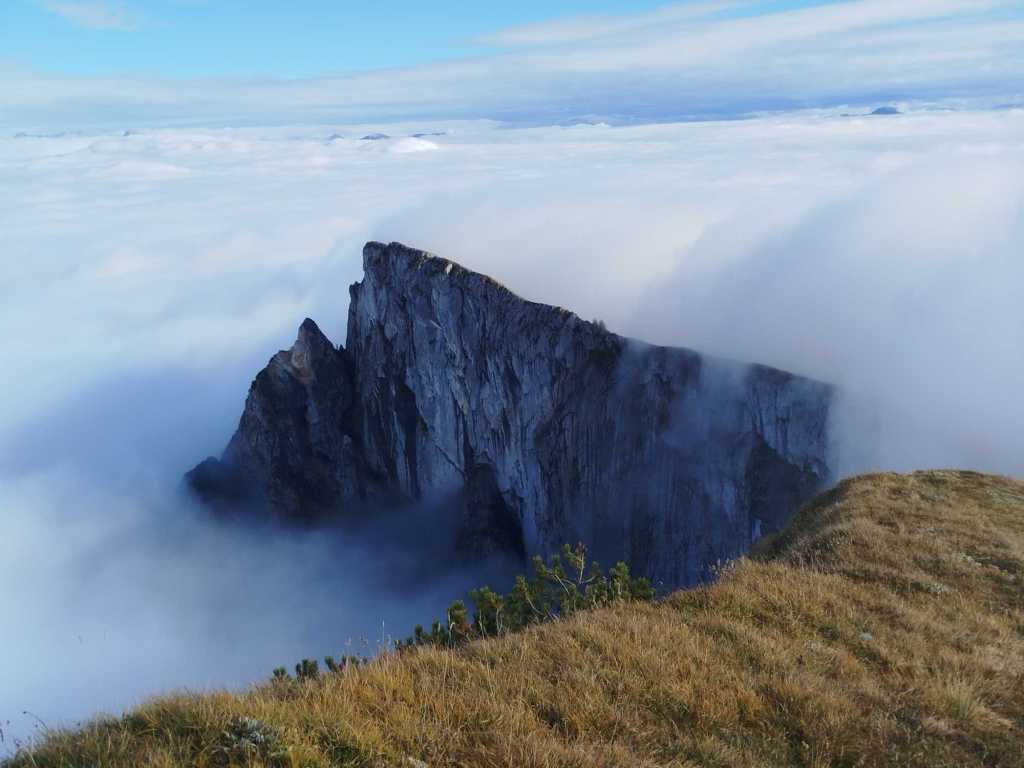
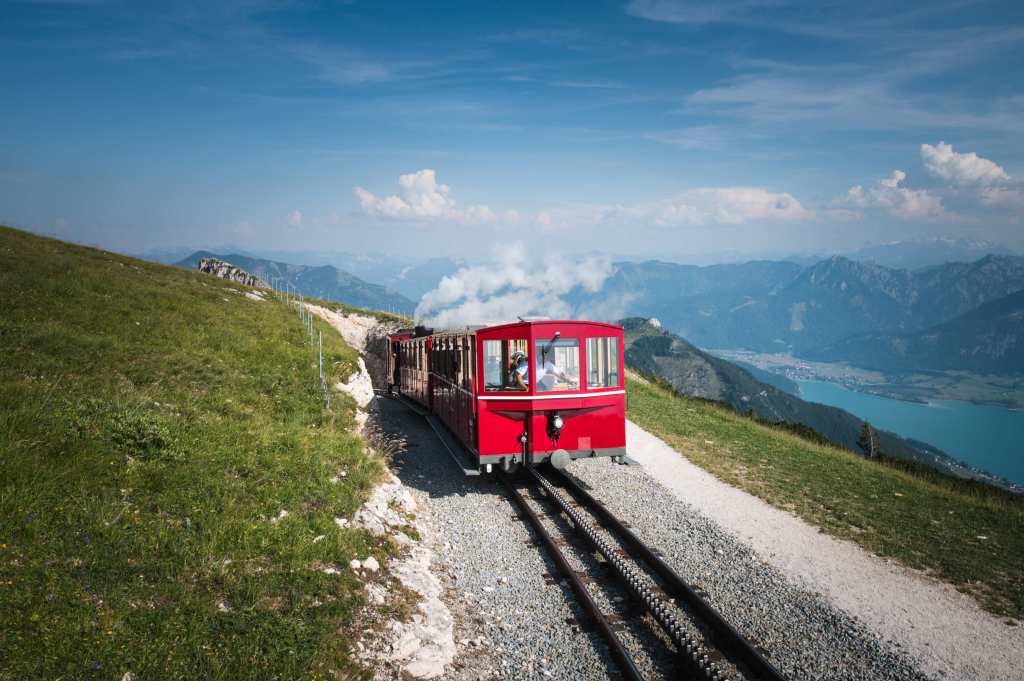
From Strobl’s pier, a short boat ride leads to St. Wolfgang, gateway to the historic Schafbergbahn, Austria’s steepest cogwheel railway. As the train climbs, the vegetation gradually shifts: mixed forests of European beech (Fagus sylvatica) and Norway spruce (Picea abies) give way to mountain larch stands (Larix decidua), their needles turning a brilliant amber. Above 1,500 meters, alpine meadows appear, populated by Dryas octopetala, Gentiana clusii, and cushion plants such as Silene acaulis. From the summit, the vista extends toward Lakes Attersee and Fuschlsee: a mosaic of aquatic and montane habitats in ecological equilibrium. At the summit, visitors often pause at the Himmelspforte Mountain Hut, aptly named “Gate of Heaven”, where warm apple strudel and herbal tea are served against a backdrop of vast alpine silence.
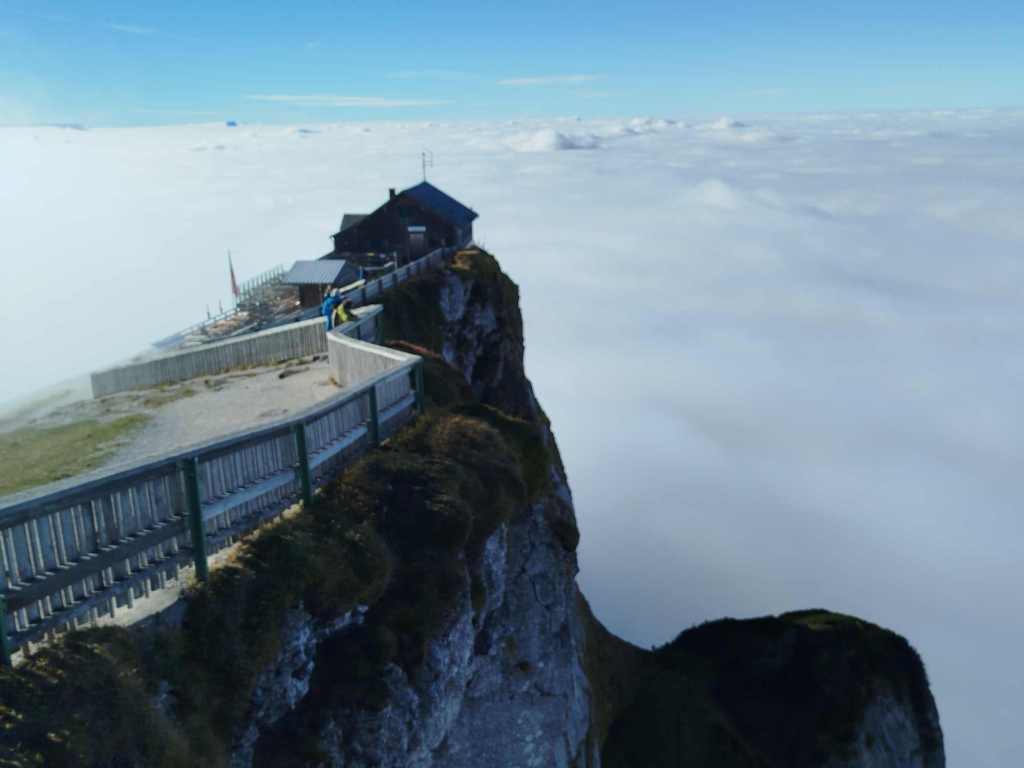
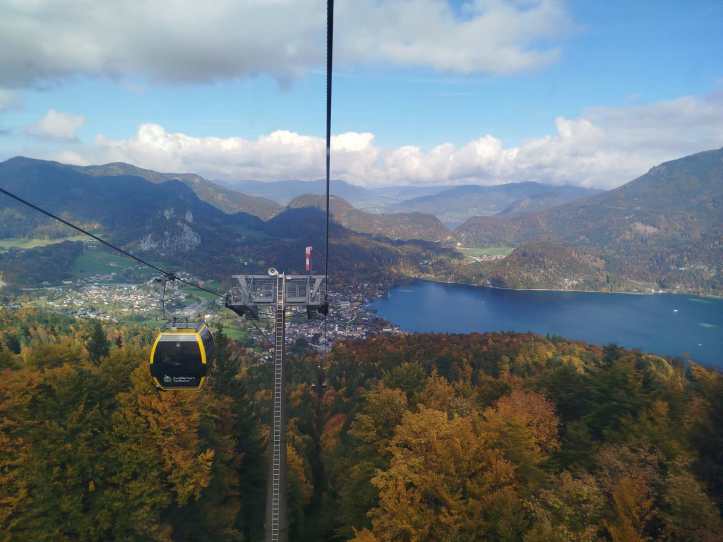
The following day invites exploration of St. Gilgen, easily reached by the regional bus network. The Zwölferhorn Cable Car glides above mixed forests of birch (Betula pendula) and Scots pine (Pinus sylvestris), revealing the brilliant hues of October. The Pillstein Panorama Trail offers sweeping views of the Wolfgangsee below, its shores ringed with beech forests now burning in shades of copper and wine-red. After a gentle walk, the mountain restaurant Das Zwölfer provides a perfect pause: local cheese dumplings (Kasnocken) paired with alpine herbs and honey from nearby apiaries. The descent to the Plombergstein Trail leads through the limestone formations of the Steinklüfte, where Asplenium trichomanes and Polypodium vulgare cling to shaded rock faces alongside Cladonia lichens, bioindicators of the area’s pristine air quality.
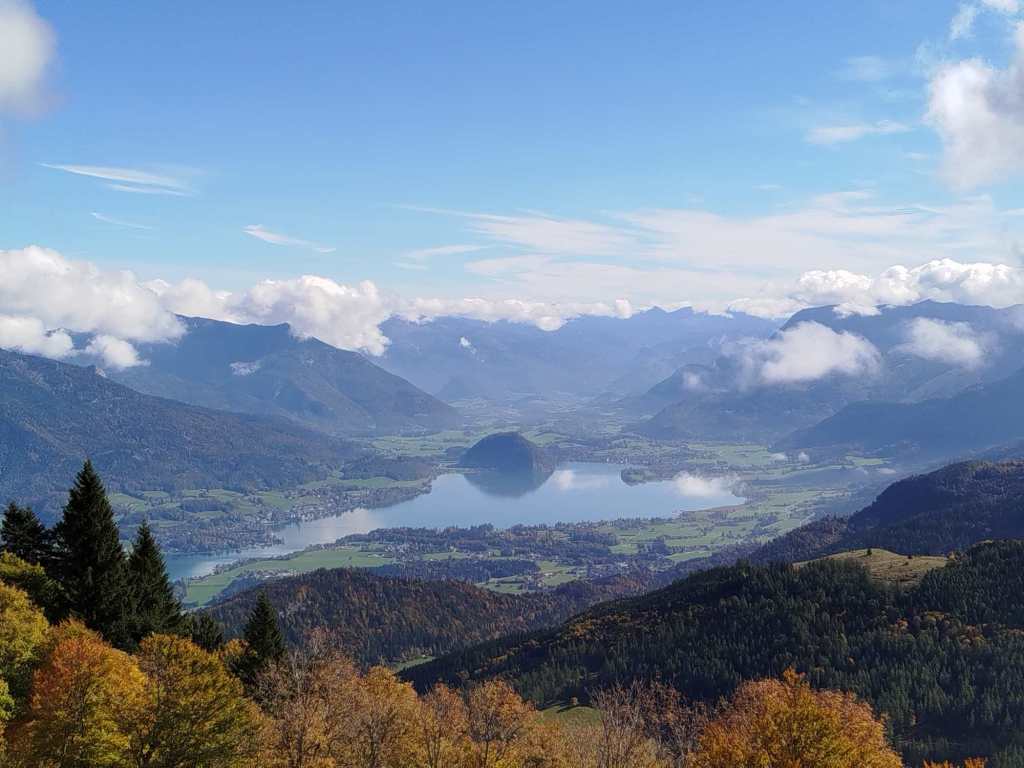
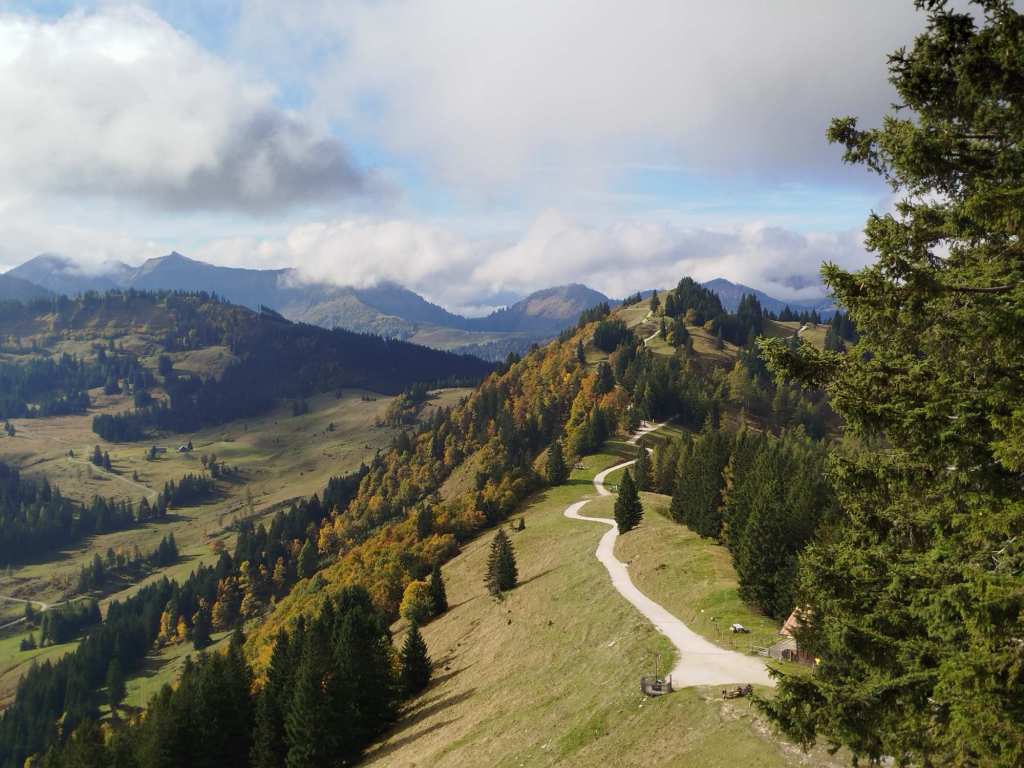
Finally, the Bürglstein Loop near Strobl concludes the exploration with a tranquil lakeside walk. Among silver birches (Betula pendula), beeches, and wild rose (Rosa canina) shrubs, the landscape mirrors the season’s warm hues on the water’s surface. In autumn, Lake Wolfgang becomes an open-air laboratory of plant ecology and landscape transition, where every tonal variation reflects the adaptation of species to light cycles and temperature shifts.
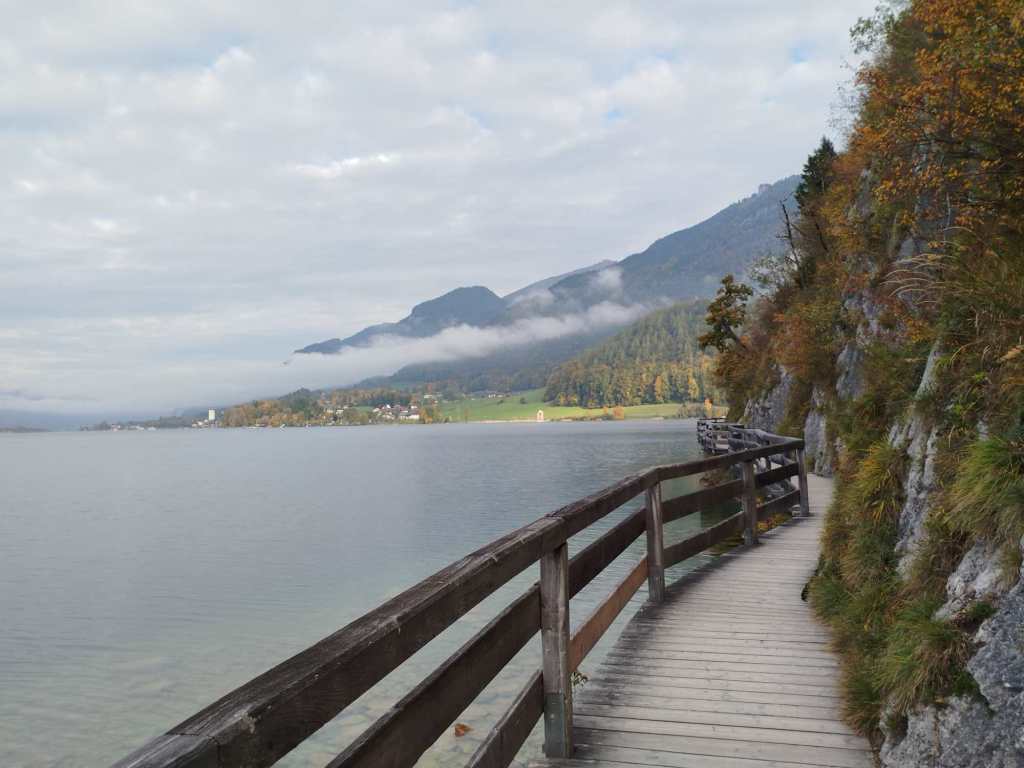
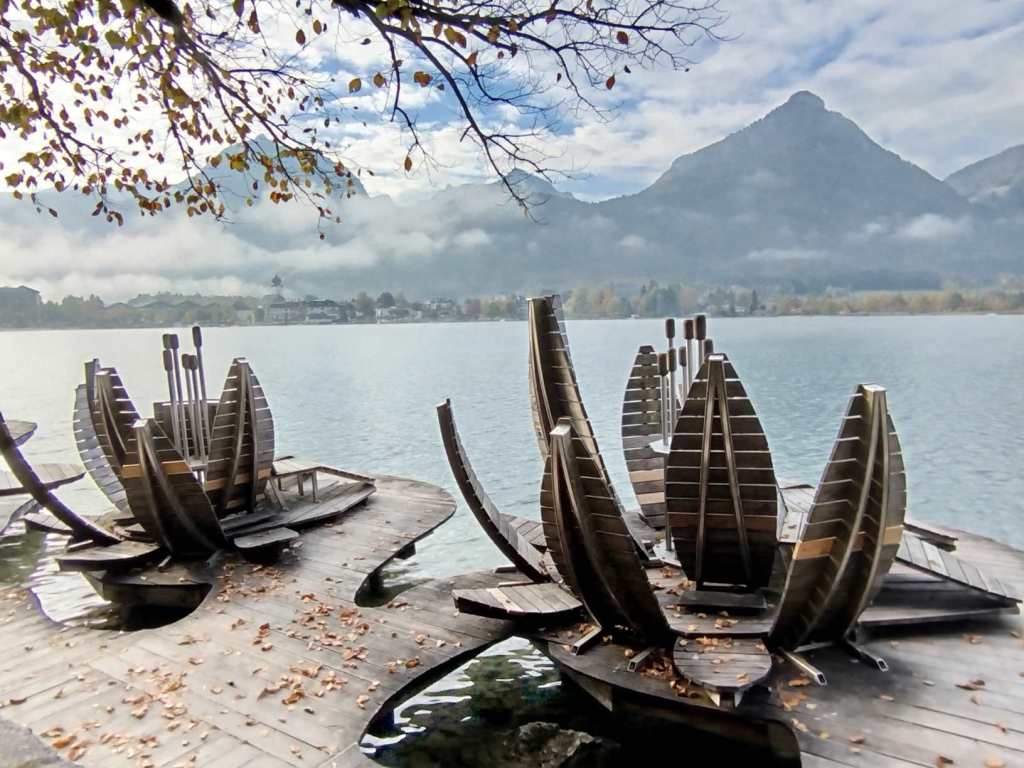
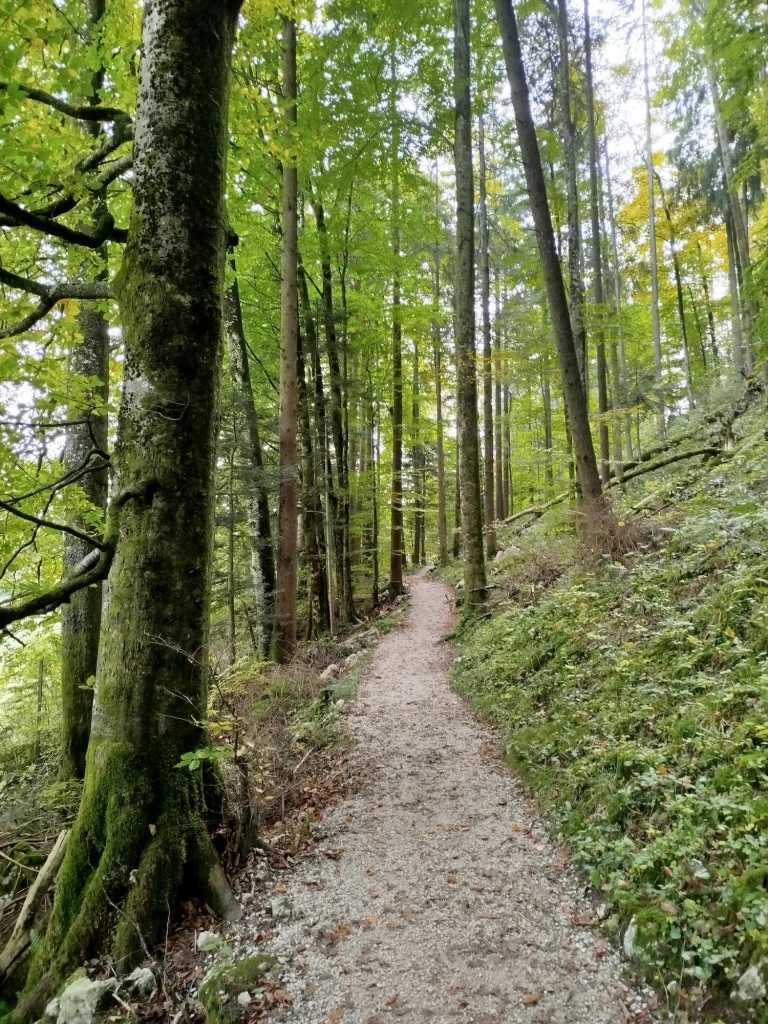
Here, autumn is more than a season: it is the visible manifestation of the ongoing dialogue between climate, flora, and terrain: a fragile yet magnificent balance that the Salzkammergut preserves with both grace and scientific precision.
 The Flora Journal