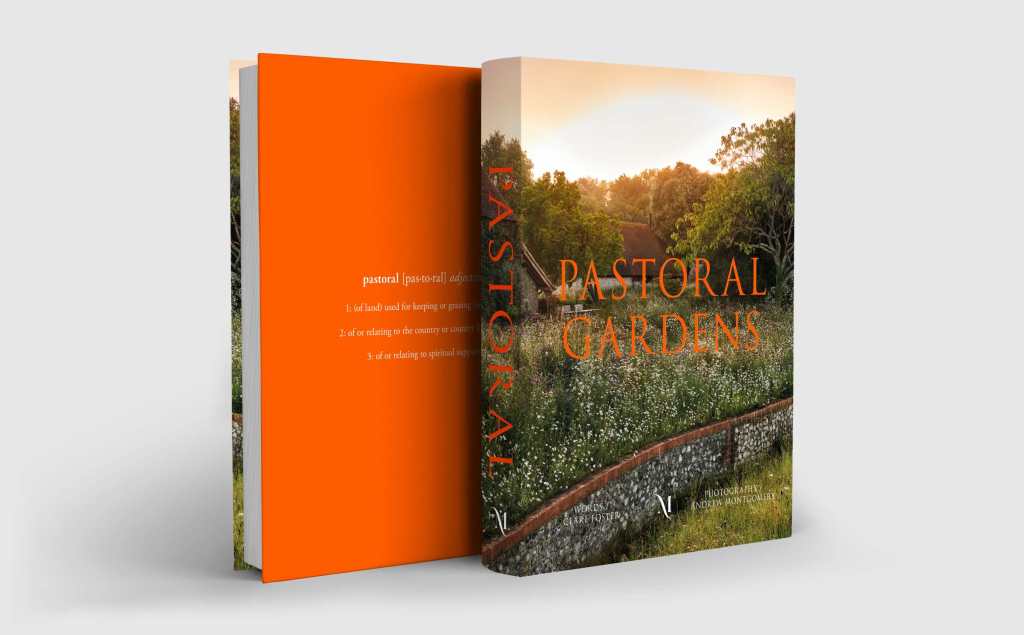
Pastoral Gardens, published by Montgomery Press is a striking exploration of how contemporary garden designers are redefining the relationship between cultivated landscapes and the natural world. At a time when climate change is reshaping ecosystems across the globe, the book presents a compelling vision: gardens that do not resist these shifts, but embrace them, drawing from the spontaneity and beauty of wild habitats. The pastoral garden is built on a rich contradiction, evoking an untouched rural idyll while simultaneously challenging traditional notions of manicured design.
The book documents 20 extraordinary gardens, each demonstrating how designers are responding creatively to ecological uncertainty. These spaces, located in rural, urban, and international contexts, embody a philosophy of gardening grounded in biodiversity, informality, and a profound respect for place. With over 250 photographs by Andrew Montgomery and illuminating text by Clare Foster, Pastoral Gardens is both a visual and intellectual exploration of what it means to garden in the 21st century.
credit Montgomery Press
credit Montgomery Press
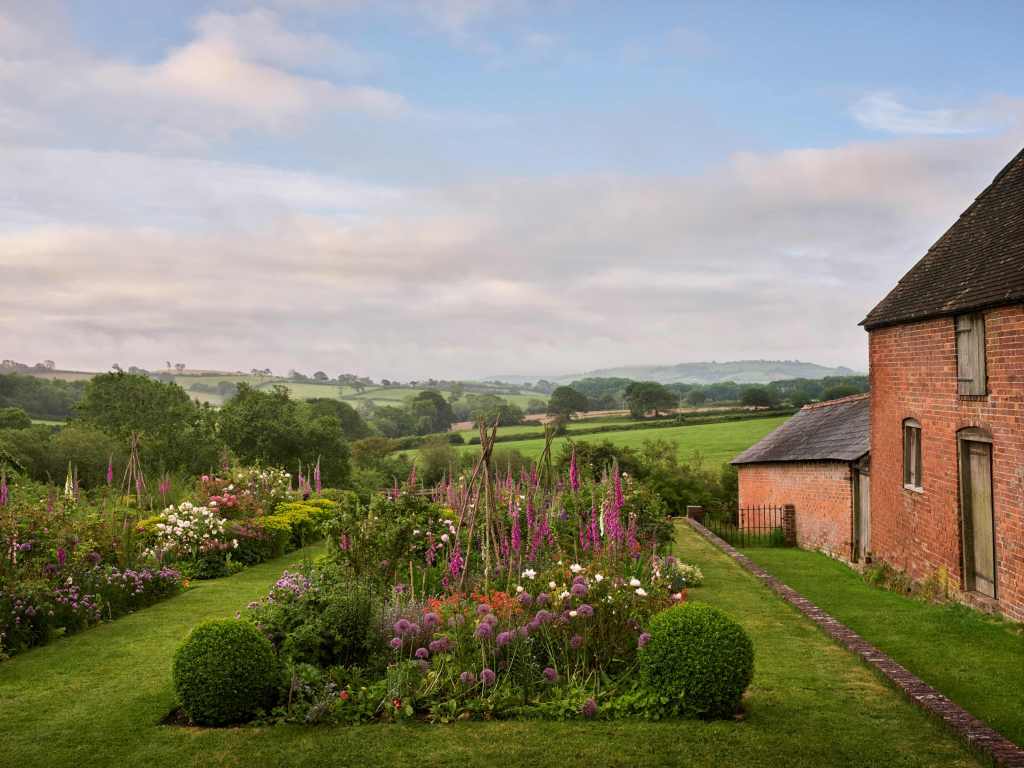
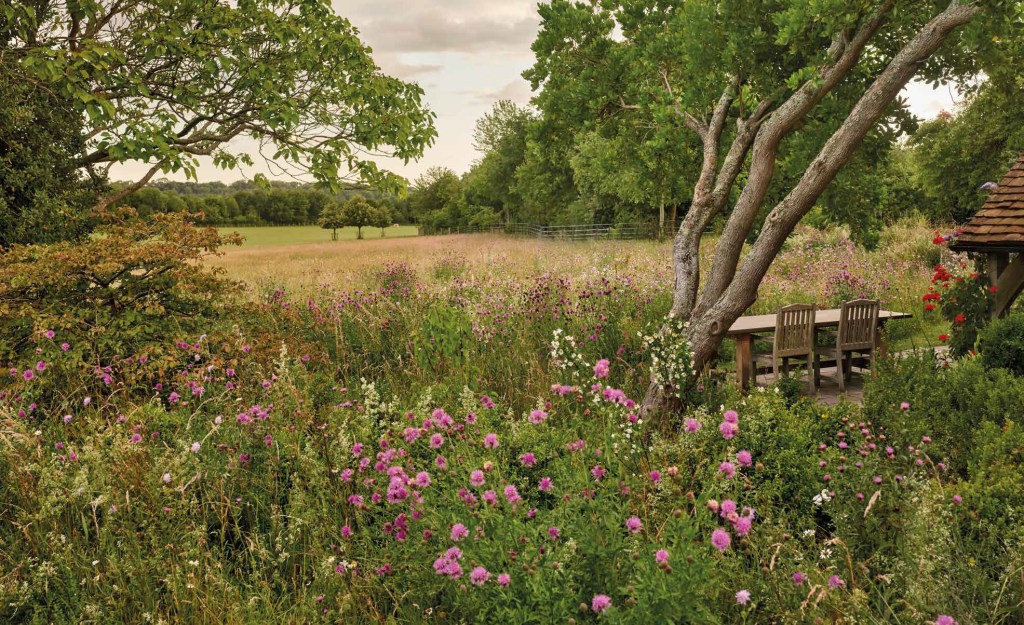
The volume is structured around four thematic chapters that highlight distinct expressions of pastoral gardening. The first, Informality, focuses on gardens whose beauty stems from abundance rather than rigid structure. These plant-rich spaces echo natural plant communities, inviting wildlife and celebrating fluidity over formality. Examples include the flower-filled Ashington Manor designed by Isabel and Julian Bannerman and Sarah Price’s evocative walled garden at her own.
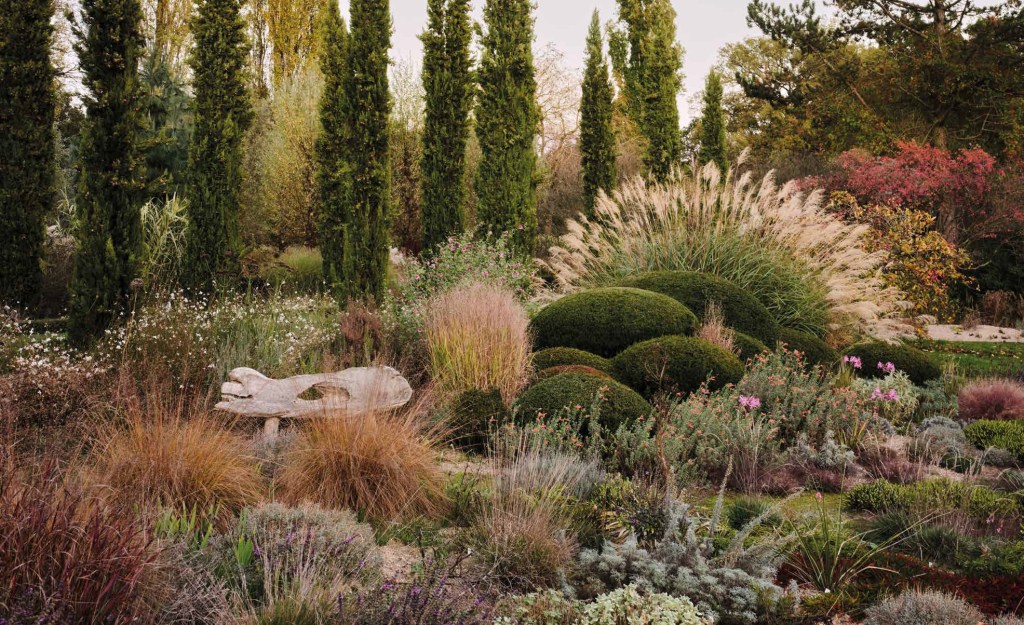
The second chapter, Sanctuary, highlights gardens conceived as refuges, for both humans and wildlife. Often located within cities or towns, these spaces create microcosms of wild landscapes in unexpected places. Notable examples include Nigel Dunnett’s Beech Gardens at the Barbican, as well as intimate urban sanctuaries by designers such as Emily Erlam and Tom Massey.
credit Montgomery Press
credit Montgomery Press
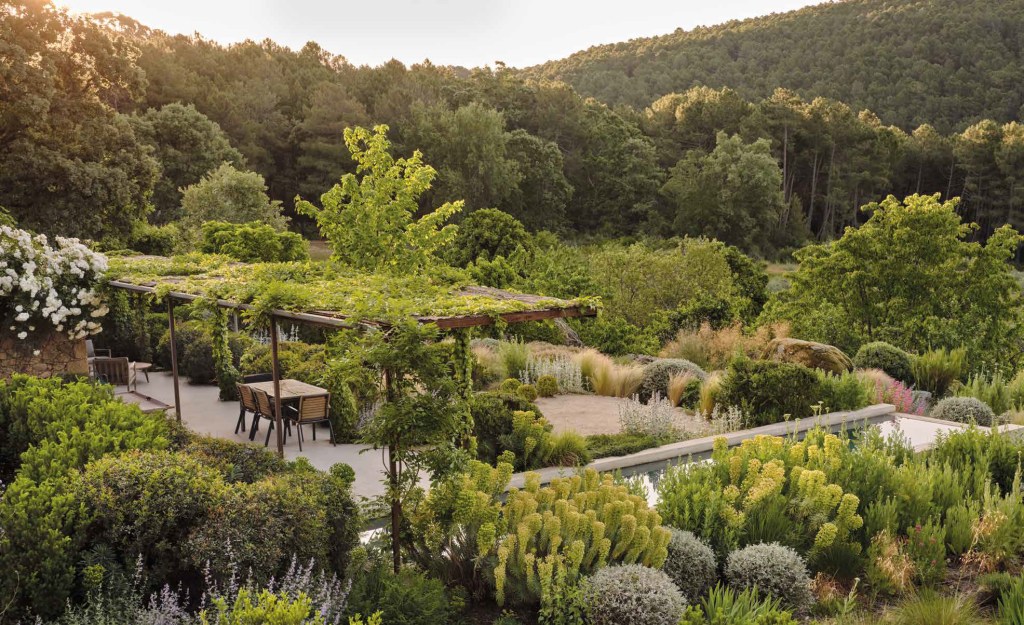
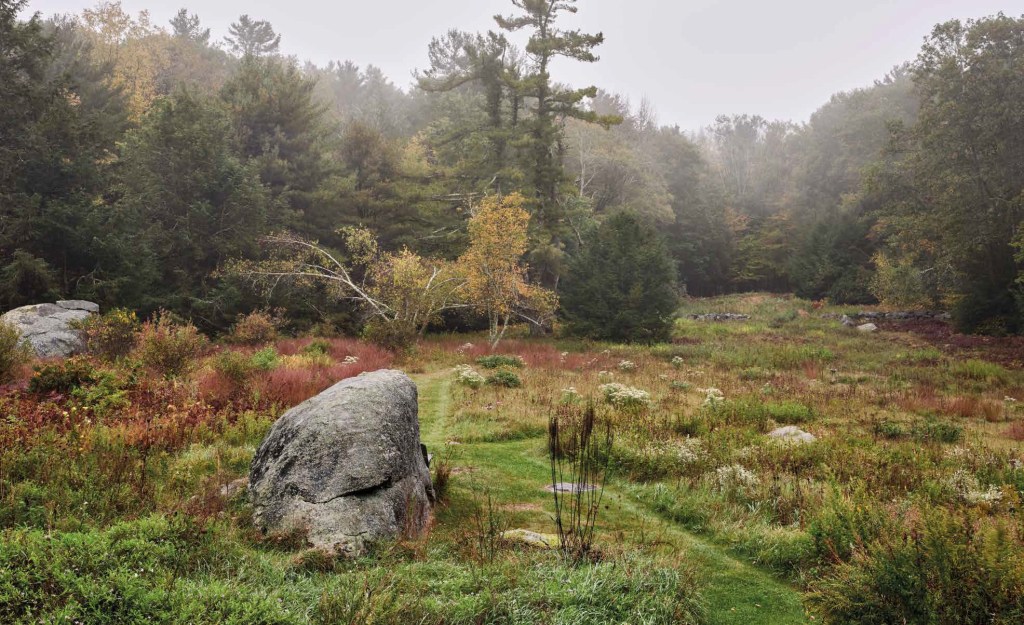
In Landscape, the book turns to gardens deeply integrated with their surroundings. These sites dissolve the conventional boundaries between garden and environment, hosting grazing animals or merging seamlessly into vast vistas. Designers like Kim Wilkie, Jinny Blom, Pip Morrison, and Umberto Pasti demonstrate the power of working not merely with the land, but as part of it, a philosophy that results in gardens with an unmistakable sense of place.
The final chapter, Habitat, presents gardens where ecology is the guiding force. Here, the aim is not ornament but environmental regeneration. Whether through experimental planting schemes or by allowing nature to “take the driving seat,” these projects challenge traditional horticultural control. Tom Stuart-Smith’s walled garden at Knepp Castle stands out as a bold example of rewilding principles applied within a designed space.
Beyond its featured gardens, Pastoral Gardens reflects the collaborative vision of author Clare Foster and photographer Andrew Montgomery. Their shared commitment to producing beautiful, high-quality art books is evident in every page, aligning with Montgomery Press’s mission to create books that honour craft and artistic integrity in an increasingly digital world.
Ultimately, Pastoral Gardens is not just a catalog of inspiring spaces; it is a meditation on how we might reconnect with the natural landscapes around us. It invites readers, gardeners, designers, artists, and nature lovers alike, to reconsider the boundaries between the cultivated and the wild, and to imagine gardens that breathe, evolve, and belong to the ecosystems they inhabit.
 The Flora Journal