At the Kadriorg Art Museum in Tallinn, Estonia, the exhibition ‘Garden of Delights: The Seventeenth Century in Bloom’ unfolds as an ambitious and visually arresting exhibition that reconsiders the genre of flower and still life painting in the seventeenth century. Organised in collaboration with The Phoebus Foundation (Antwerp), Belgium the exhibition presents more than 300 works from the Foundation’s collection, many of them rarely exhibited outside Belgium. Closing on 25 January, it represents one of the most significant old-master exhibitions shown in Estonia in recent years.
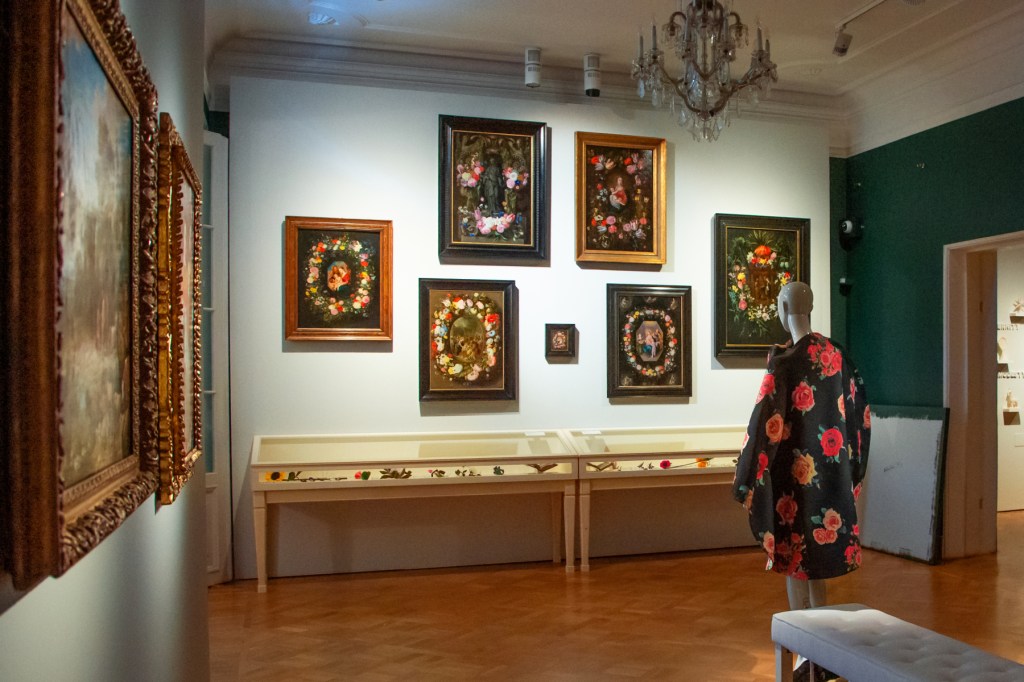
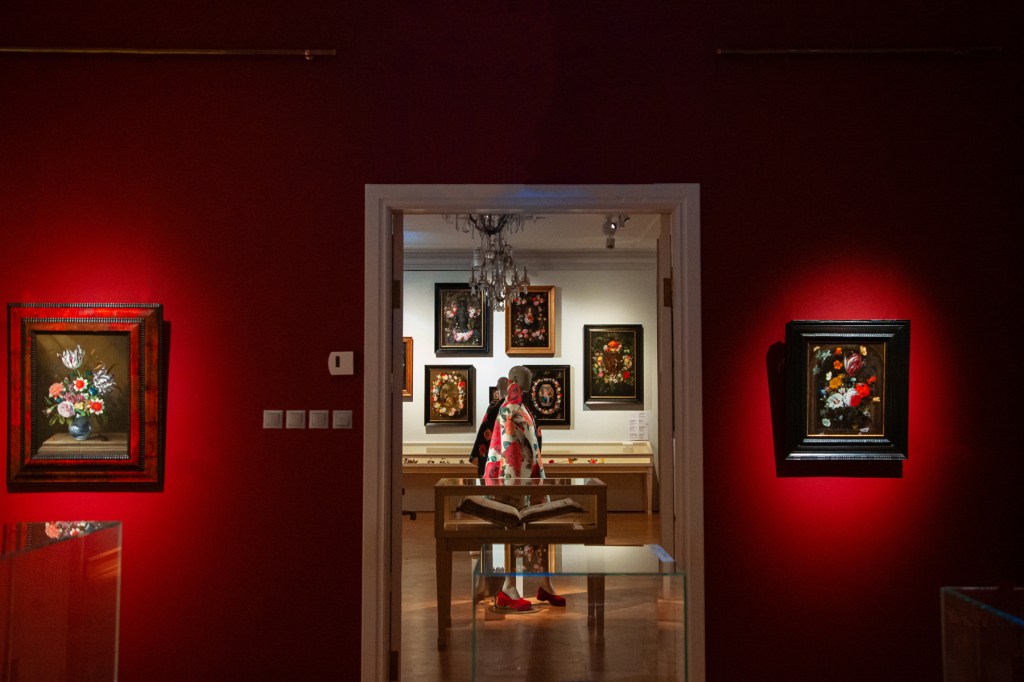
This is the fourth collaboration between the Art Museum of Estonia and The Phoebus Foundation, following From Memling to Rubens and Crazy about Dymphna (2021), and History and Mystery: Latin American Art and Europe (2024). Once again, the partnership brings exceptional Flemish and Dutch paintings to a Baltic audience, while embedding them within a broader European narrative of artistic exchange, scientific inquiry, and cultural ambition.
The exhibition features masterpieces by Jan Brueghel the Elder, Clara Peeters, Anna Maria Janssens, Jan Davidsz. de Heem, and Daniël Seghers. Far from treating flower painting as a purely decorative genre, Garden of Delights reveals its complexity and intellectual depth. Floral still lifes emerge as sites of experimentation and storytelling, shaped by global trade, botanical research, religious symbolism, and social status. Beneath their apparent beauty lie stories of smuggled tulip bulbs, scientific observation, female artistic agency, and the tension between earthly pleasure and spiritual reflection.
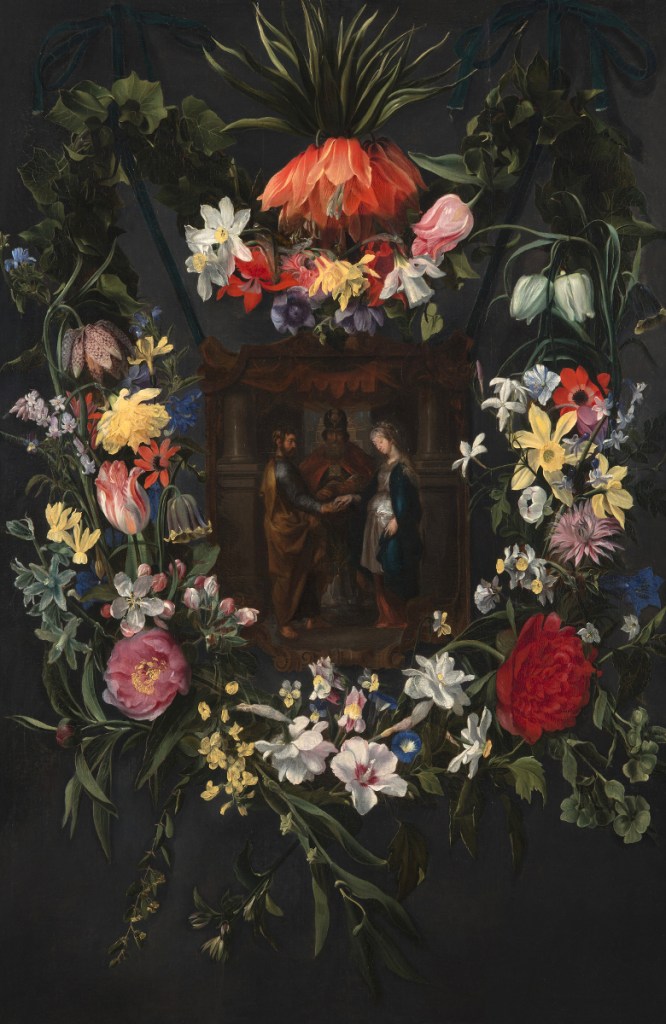
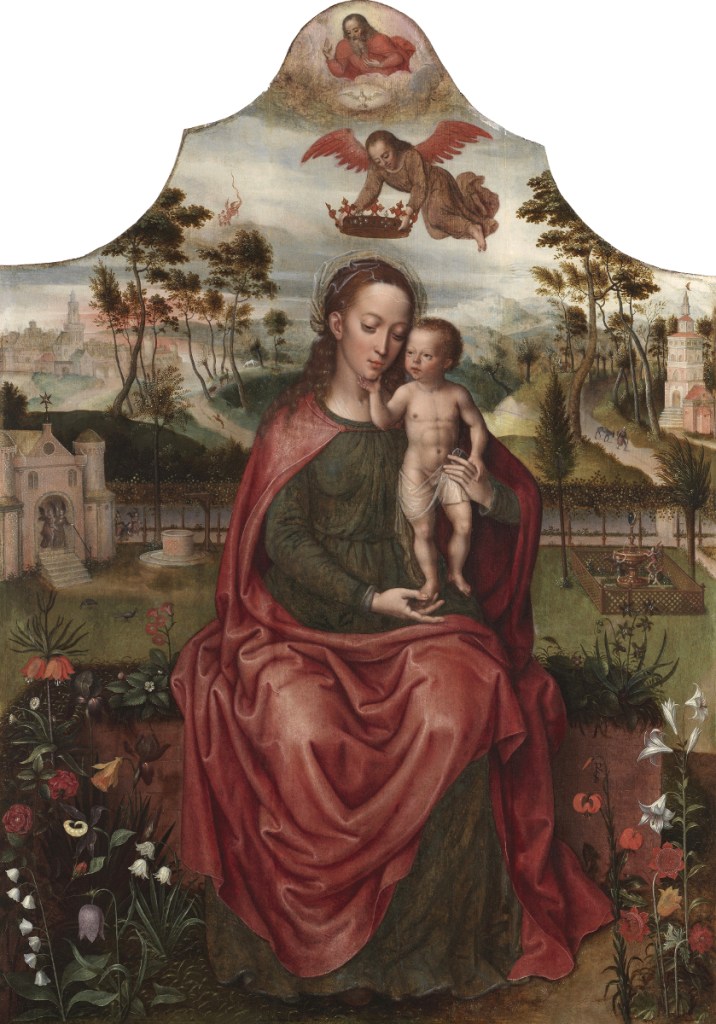
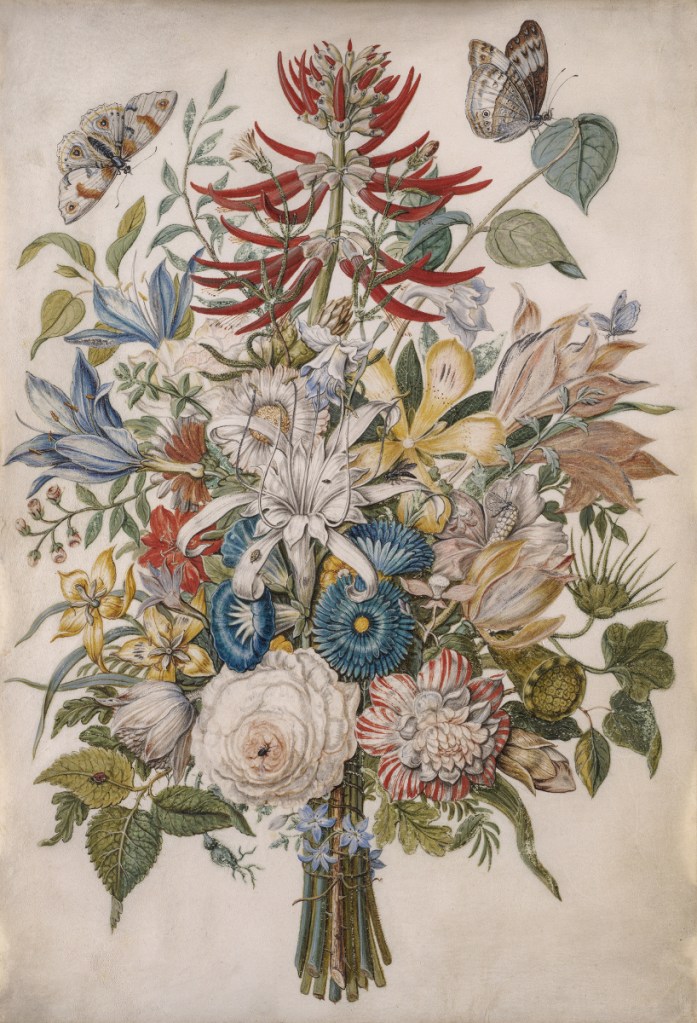
Curator Dr Katharina Van Cauteren reframes the genre with refreshing clarity, describing flower painting as anything but tame. Her approach is reinforced by extensive technical research carried out at The Phoebus Foundation’s conservation studio under the direction of Sven Van Dorst. Using advanced imaging and analytical techniques alongside reconstructions of historical methods, the research uncovers hidden layers beneath the paint surface: abstract underpaintings, concealed bouquets, pressed butterfly wings, and unexpected compositional changes. These findings offer rare insight into the working processes of seventeenth-century painters and fundamentally enrich the visitor’s understanding of the works.
The exhibition’s scenography, designed by Belgian fashion designer Walter Van Beirendonck, introduces a bold contemporary counterpoint. Oversized sculptural flowers, specially designed carpets, and silhouettes by Dries Van Noten, Comme des Garçons, Richard Quinn, and Van Beirendonck himself create a striking dialogue with the old masters. Rather than competing with the paintings, the fashion elements highlight their timeless visual impact and reinforce the exhibition’s central theme: beauty as a shared and enduring pursuit.
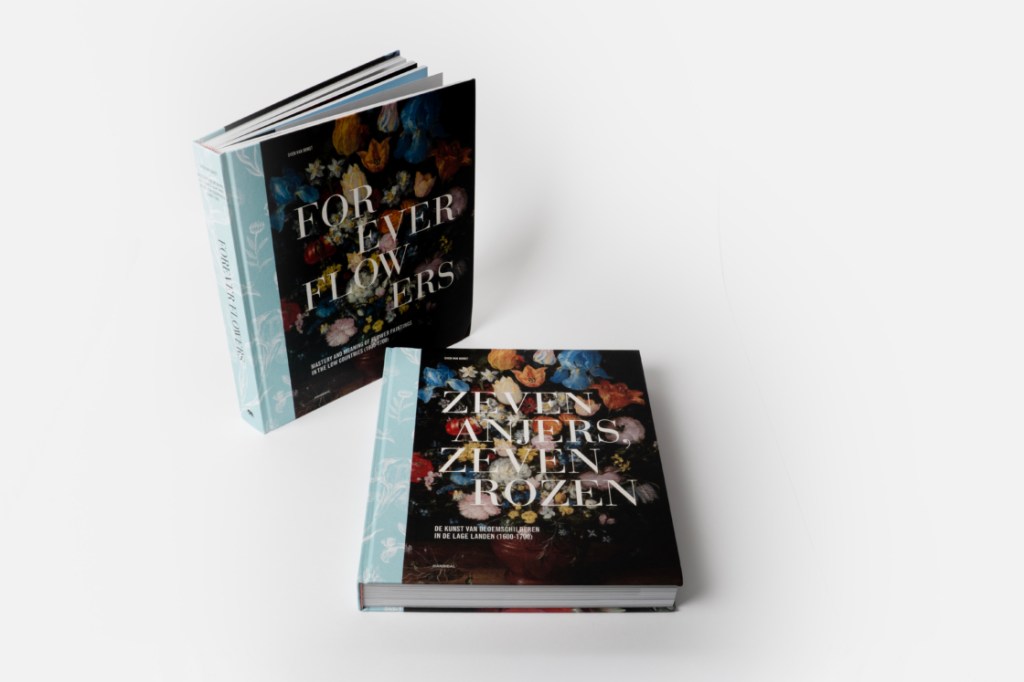

Accompanying the exhibition is the catalogue ‘Forever Flowers‘, available in English and Flemish, which stands as a scholarly work in its own right. Written by conservator Sven Van Dorst, the book offers an in-depth study of eight key flower still lifes from The Phoebus Foundation’s collection. Richly illustrated with razor-sharp detail images, it reveals astonishing discoveries, exotic flowers, hidden symbols, butterfly wings, and even a llama, while decoding the layered meanings embedded within these seemingly serene compositions. Each painting becomes a narrative of perilous journeys, love and loss, fear of death, and humanity’s search for knowledge in a constantly changing world. As Van Dorst convincingly demonstrates, flowers do indeed speak, and through this catalogue, their voices resonate long after the exhibition visit.
Set within the historic halls of the Kadriorg Art Museum, ‘Garden of Delights: The Seventeenth Century in Bloom‘ succeeds in bridging past and present, scholarship and spectacle. As its closing date approaches, it remains an unmissable experience for anyone interested in the hidden power of still life painting and the enduring relevance of seventeenth-century art.
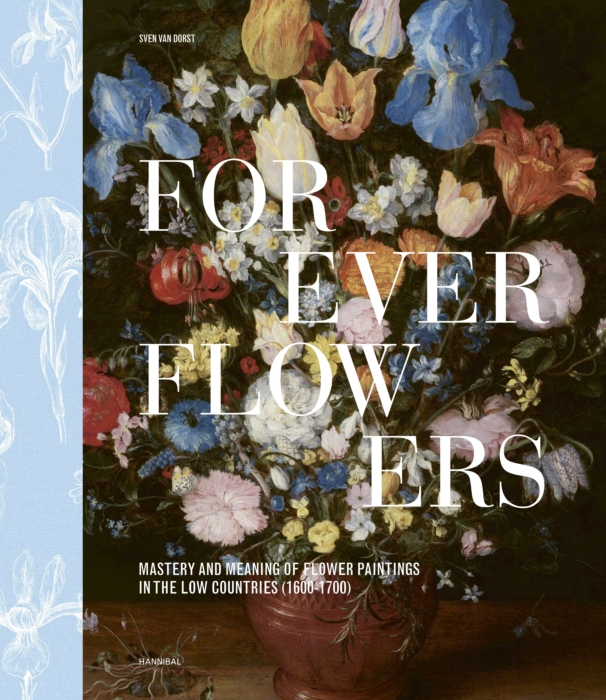
credit Hannibal Books
 The Flora Journal