‘Cactus‘, the exhibition currently on view at the Nouveau Musée National de Monaco (NMNM), in the Principality of Monaco comes to a close on 11 January, marking the final opportunity to experience a project that has captivated visitors with its rare combination of botanical science, art history, and contemporary creation. Curated by botanist Marc Jeanson and museum director Laurent Le Bon, the exhibition offers an expansive and poetic exploration of cacti and succulent plants, tracing their journey from natural specimens to powerful cultural and artistic symbols.
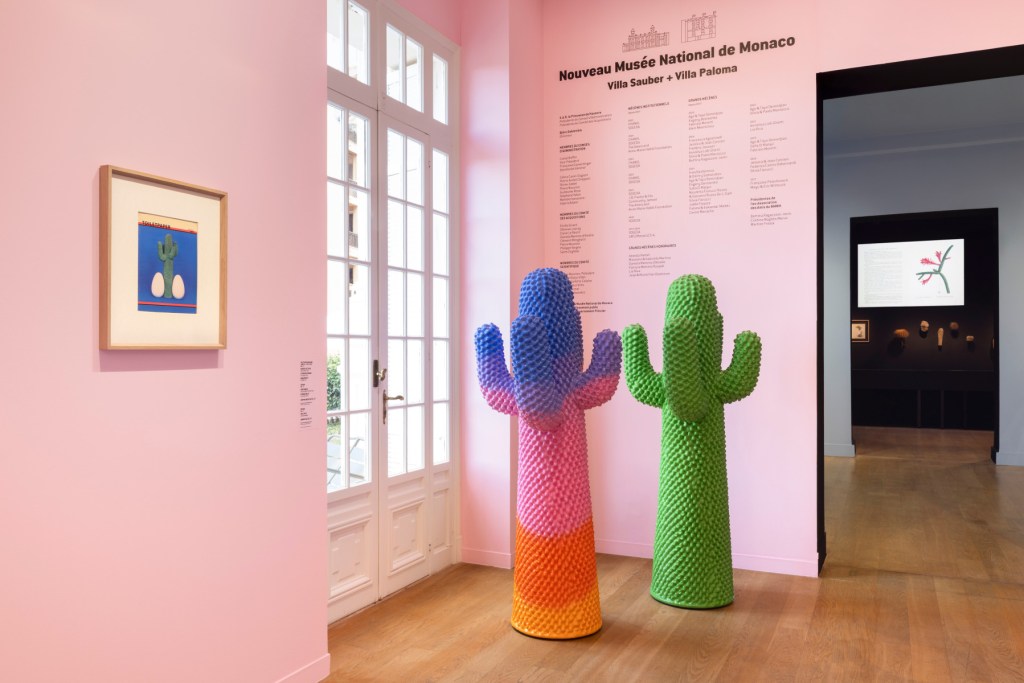
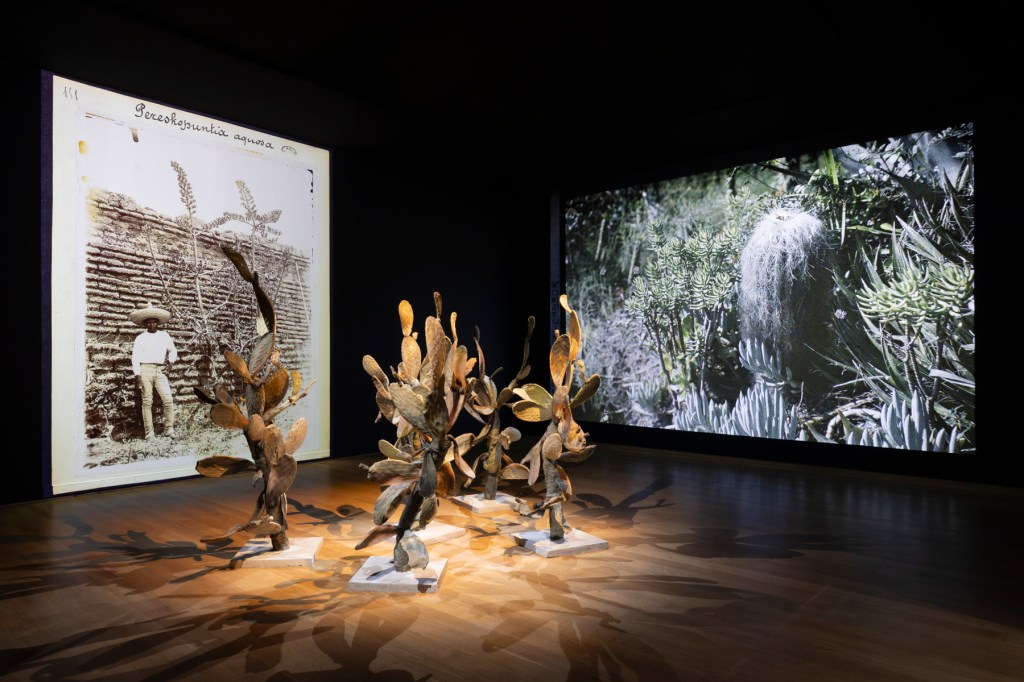
Developed in collaboration with the Jardin Majorelle – musée Yves Saint Laurent Marrakech, Cactus approaches its subject from multiple perspectives. It examines the botanical origins of these plants, almost entirely native to the Americas, while also charting their migration to Europe through exploration, colonial exchanges, and the horticultural enthusiasm of the nineteenth century. In Monaco, a territory shaped by exotic gardens and Mediterranean climates, the cactus finds a particularly resonant setting.
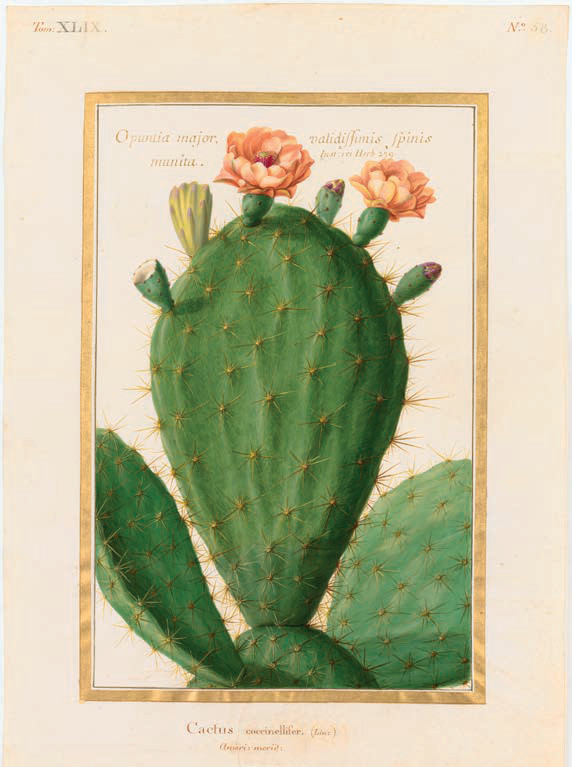
Inside the Villa Sauber, the exhibition unfolds through a rich constellation of artworks, historical documents, photographs, films, and design objects. Early scientific illustrations and herbarium specimens sit alongside modernist photography, surrealist cinema, and contemporary installations. Works by figures such as Brassaï, Man Ray, Fernand Léger, David Hockney, Albert Renger-Patzsch, Wolfgang Tillmans, and Philippe Chancel reveal how the cactus has fascinated artists for more than a century. Its sculptural forms, sensual surfaces, and paradoxical nature, at once hostile and alluring, have made it an enduring visual motif.
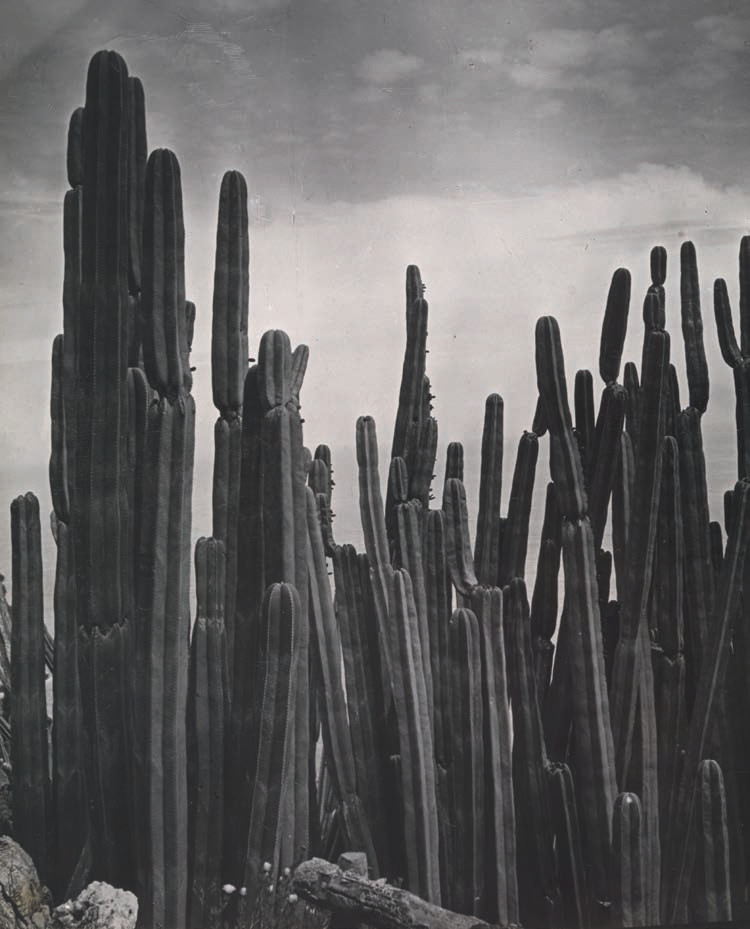
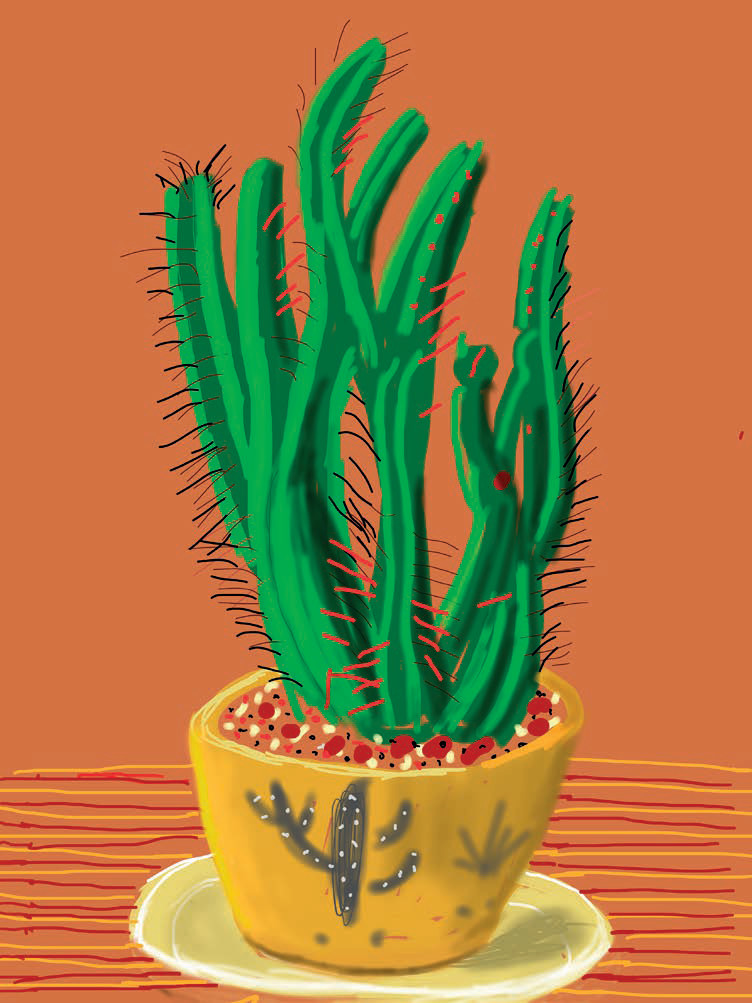
The exhibition extends beyond the museum’s walls into the gardens of Villa Sauber, transformed for the occasion into a temporary cactus garden with the support of the Jardin Exotique de Monaco. This outdoor dimension reinforces the exhibition’s dialogue between living plants and artistic interpretation, allowing visitors to encounter cacti as both biological organisms and aesthetic forms.
Far from being a purely historical survey, Cactus also engages with urgent contemporary themes. Several works address ecological fragility, climate change, border politics, and the vulnerability of ecosystems. Cacti emerge as symbols of resilience and adaptation, but also as indicators of environmental imbalance and cultural displacement. In this sense, the exhibition resonates strongly with current debates on sustainability and the future of living systems.
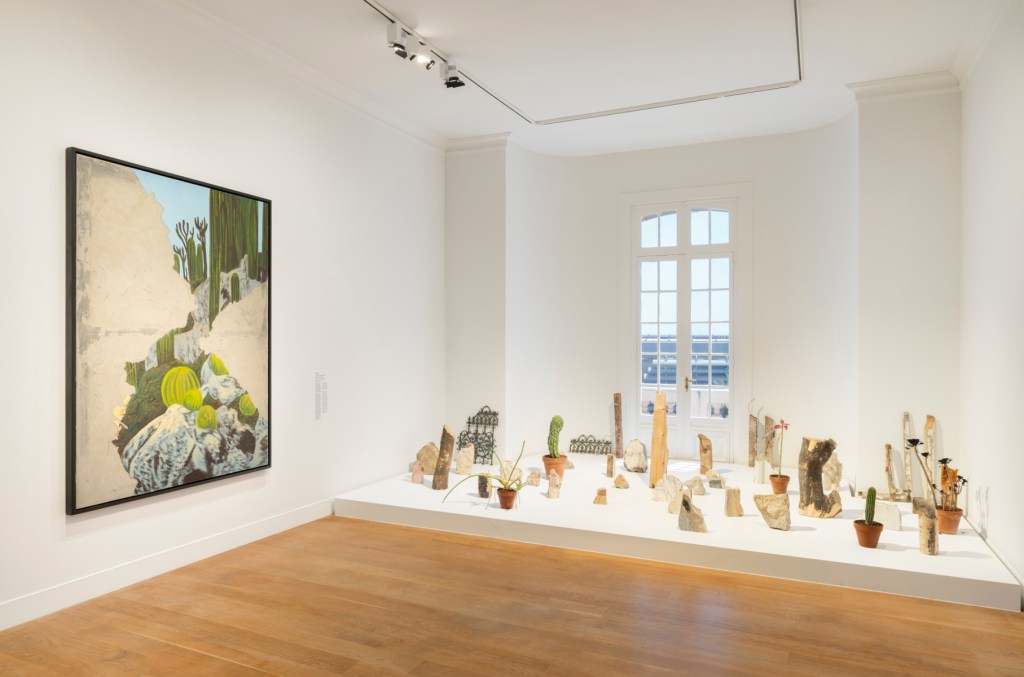
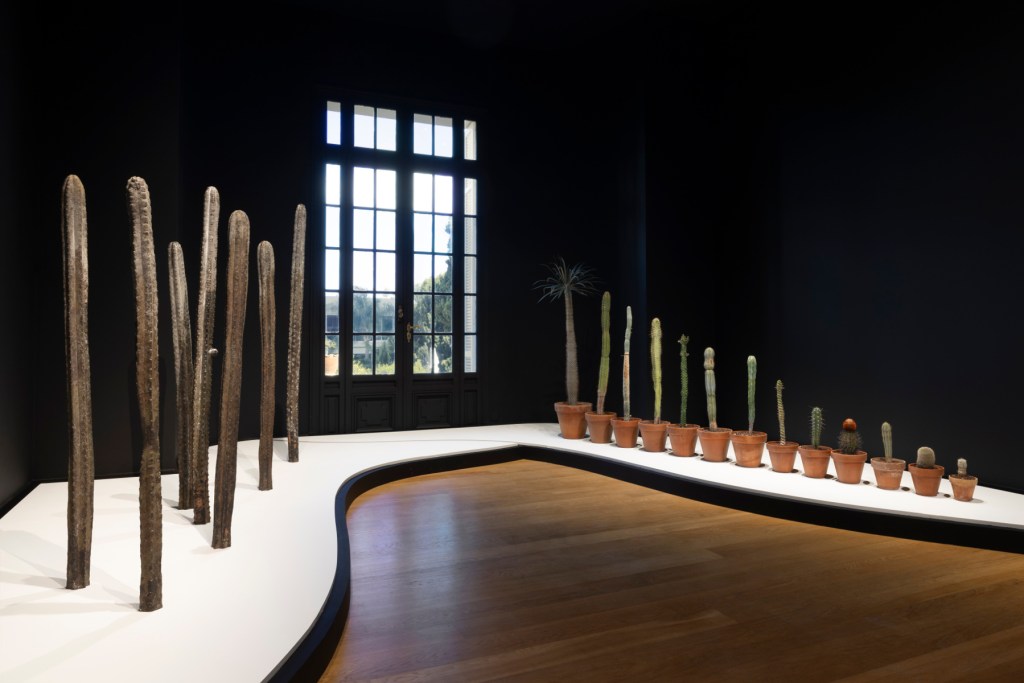
Accompanying the exhibition is a substantial bilingual catalogue in French and English, published by NMNM/Flammarion. Extending the intellectual scope of the show, the publication brings together essays by botanists, art historians, curators, and writers, including Jeanson and Le Bon themselves. Richly illustrated, the catalogue functions not only as a record of the exhibition but as an independent reference work, weaving together scientific knowledge, visual culture, and critical reflection. Forewords by H.R.H. The Princess of Hanover and Björn Dahlström further situate the project within Monaco’s cultural landscape.
As Cactus approaches its closing date, it leaves behind the impression of an exhibition that successfully transcends disciplinary boundaries. By transforming a familiar plant into a prism through which to view art, history, and ecology, NMNM offers a compelling meditation on how humans observe, collect, and imagine the living world.
 The Flora Journal