The exhibition Impressionism in Germany: Max Liebermann and His Times, presented at the Museum Frieder Burda, Baden Baden, Germany, until February 8, 2026, offers a sweeping overview of German Impressionism while placing special emphasis on one of its most poetic and symbolic motifs: the garden. At its center stands Max Liebermann (1847–1935), the leading pioneer of the movement in Germany, whose garden paintings in Wannsee became both a culmination of his artistic vision and a deeply personal refuge.
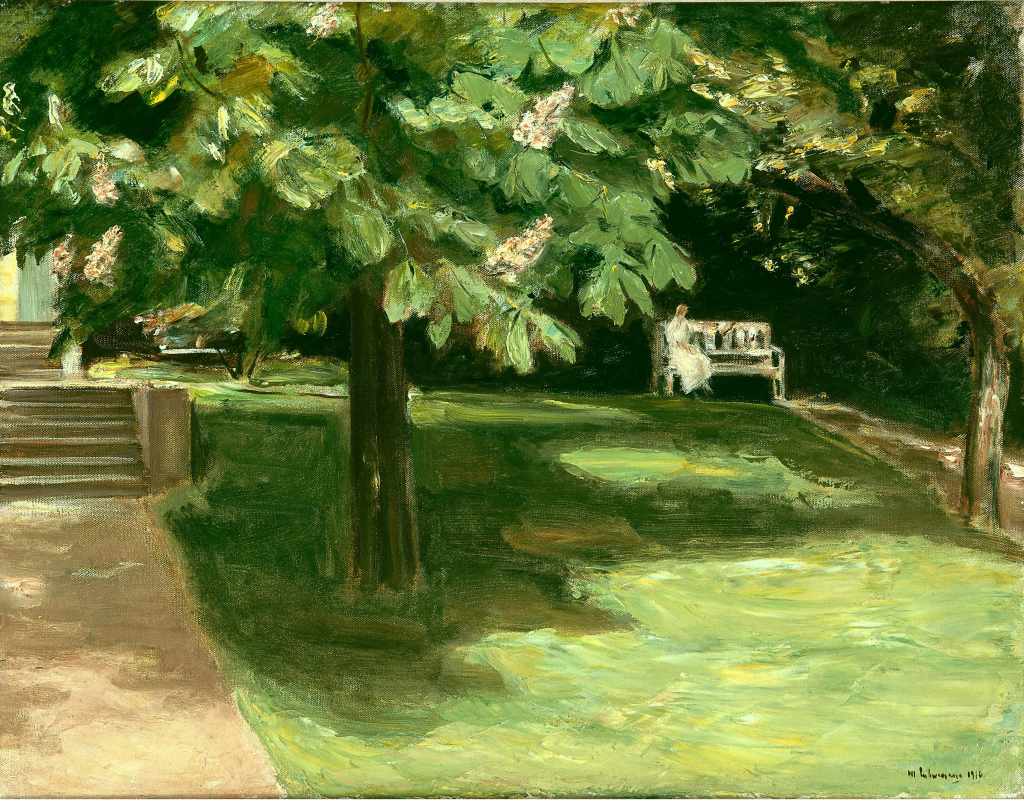
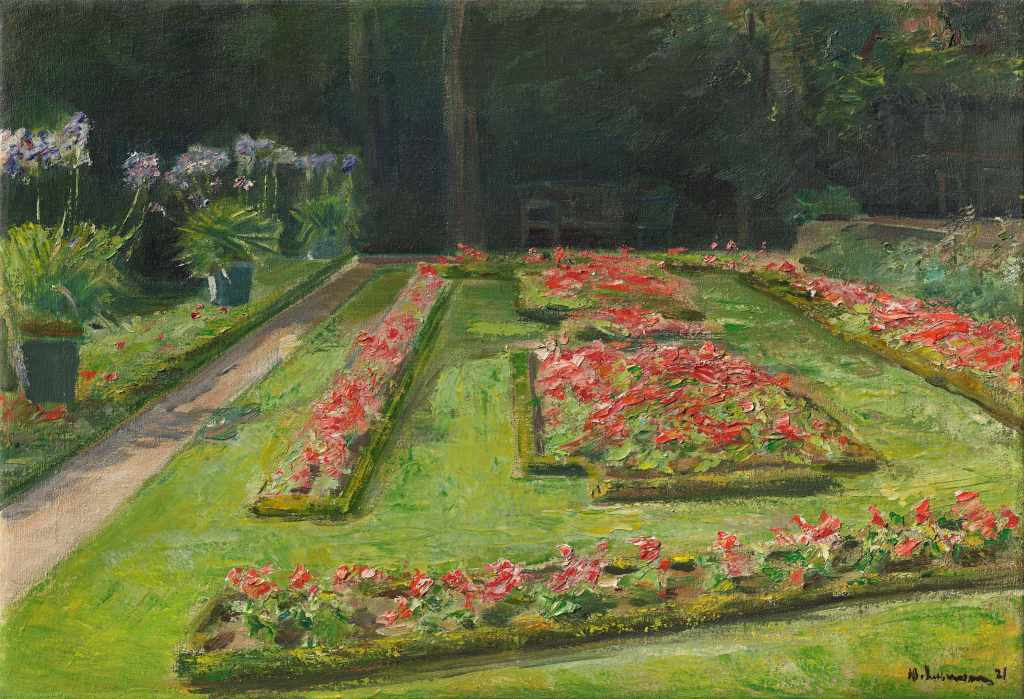
Featuring 108 works from more than sixty international collections, the exhibition traces the development of German Impressionism from the 1880s to the 1920s. Inspired by French artists such as Claude Monet and Pierre-Auguste Renoir, German painters adopted luminous colors and spontaneous brushwork, yet adapted these techniques to local themes and social realities. Liebermann played a decisive role in this process, translating the ideals of French Impressionism into a German context shaped by modern urban life, bourgeois leisure, and political tension.
The exhibition is structured into eight thematic chapters, ranging from genre scenes and urban spectacles to portraits, still lifes, and landscapes. Among these sections, Liebermann’s garden at Wannsee occupies a central position. After acquiring his lakeside property in 1909, the artist designed an elaborate garden that would dominate his late work. Painted directly from nature, these canvases depict flowerbeds, hedges, terraces, and birch groves in nuanced shades of green, animated by flashes of red, blue, and violet. Like Monet’s garden in Giverny, Liebermann’s Wannsee garden became an open-air studio and a lifelong source of inspiration.
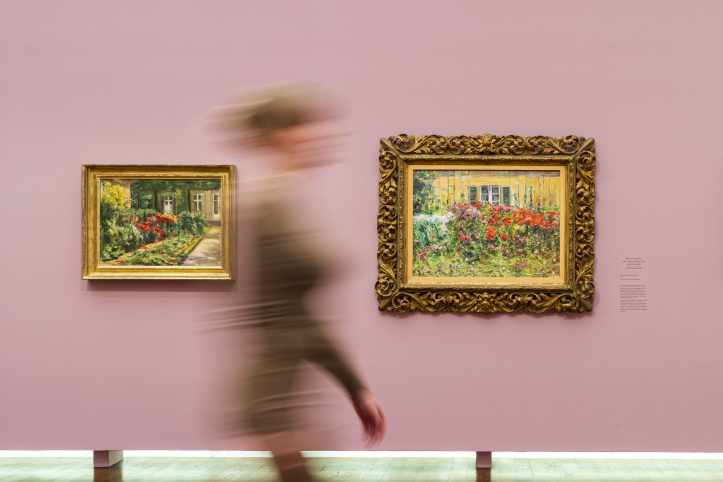

Yet the garden was more than a formal experiment. As antisemitism and nationalism intensified in Germany, Liebermann, who was Jewish and increasingly marginalized, found in his garden a space of withdrawal and inner freedom. “The exhibition not only explores Max Liebermann’s role as a pioneer of German Impressionism,” explains curator Dr. Daniel Zamani, “but also illuminates the deep cultural interconnections between Germany and France.” This cross-border dialogue is particularly evident in the garden paintings, which merge French Impressionist aesthetics with a distinctly German sense of order and introspection.
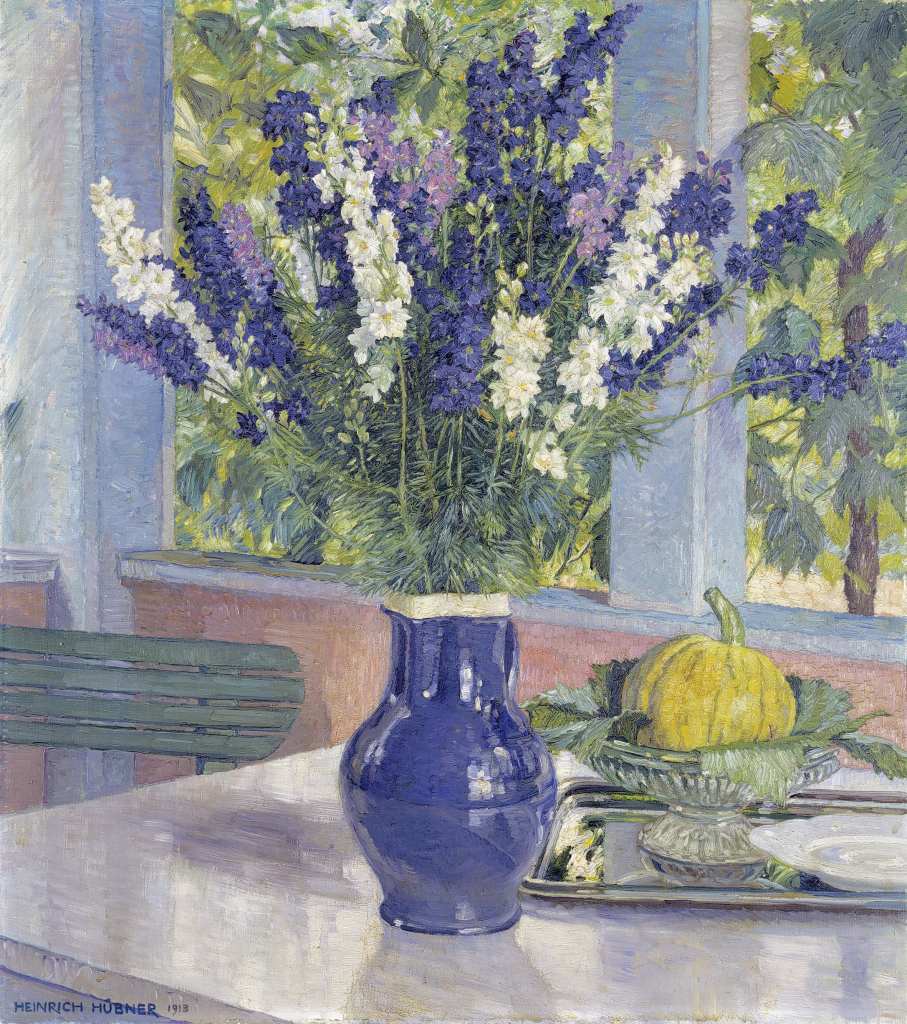
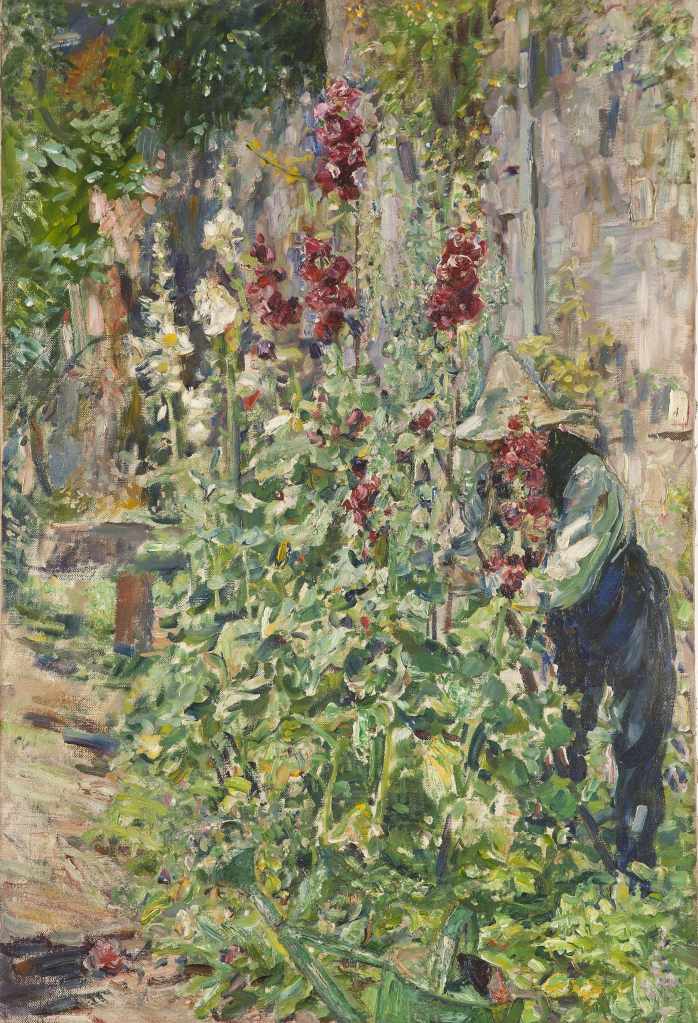
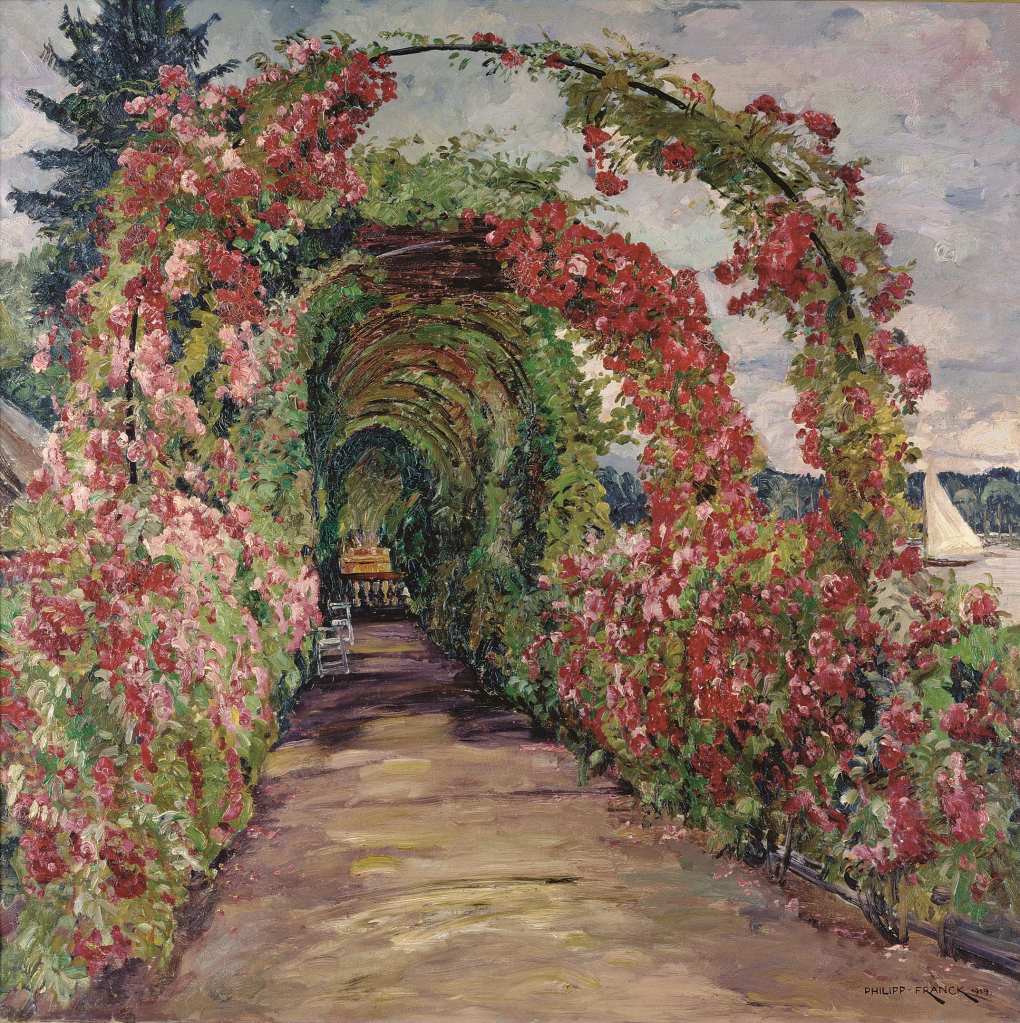
Alongside Liebermann, the exhibition features major works by artists such as Lovis Corinth, Max Slevogt, and Fritz von Uhde, as well as rediscovered contributions by women painters including Dora Hitz and Sabine Lepsius. Together, they reveal how Impressionism in Germany was not a mere imitation of Parisian models, but a diverse and socially engaged movement.
As Florian Trott, Managing Director of the Museum Frieder Burda, notes, “The show focuses on Max Liebermann as a pioneer of German Impressionism and at the same time sheds light on the complex artistic and socio-political environment that influenced him.” In this context, Liebermann’s garden emerges as a powerful symbol: a cultivated paradise of color and light, but also a fragile sanctuary in a time of growing intolerance.
 The Flora Journal