For decades, Carl Schuch (1846–1903) lived in the periphery of art history, known only to a small circle of connoisseurs despite his remarkable talent. The exhibition ‘Carl Schuch and France’, on view at the Städel Museum in Frankfurt am Main, Germany through February 1, 2026, seeks to challenge that obscurity by placing Schuch’s work in direct conversation with French realist and modernist masters.
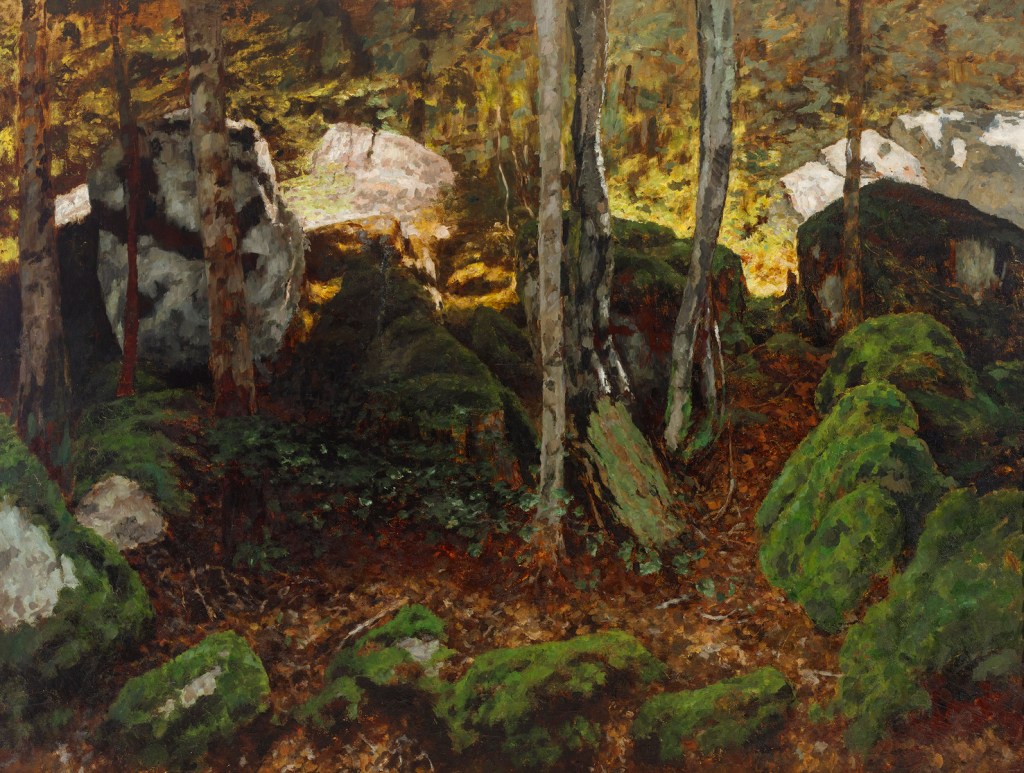
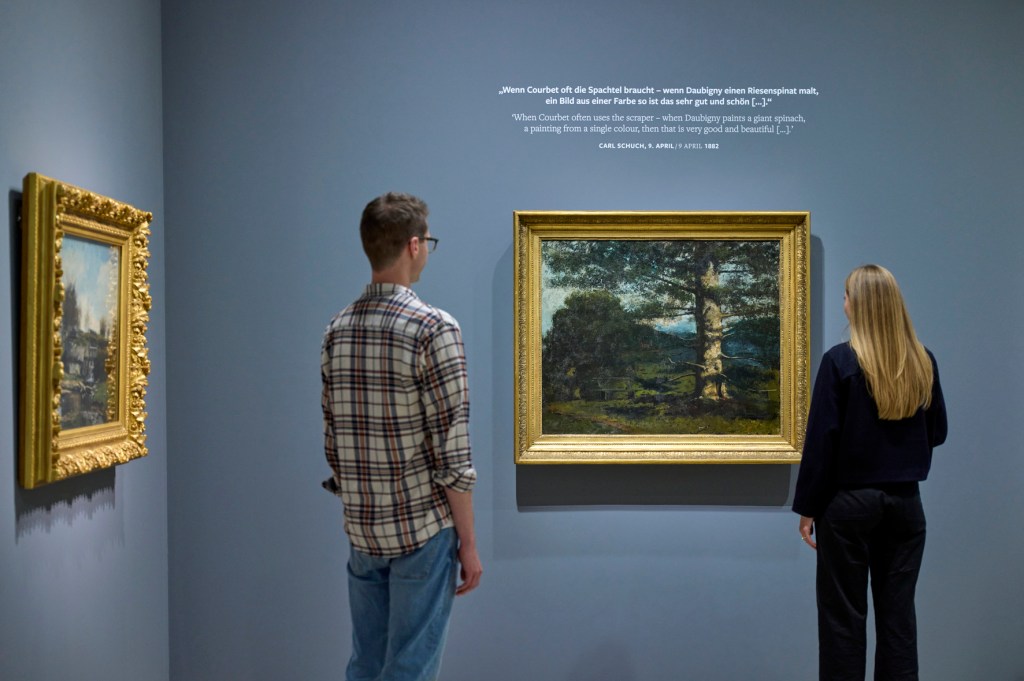
credit Städel Museum
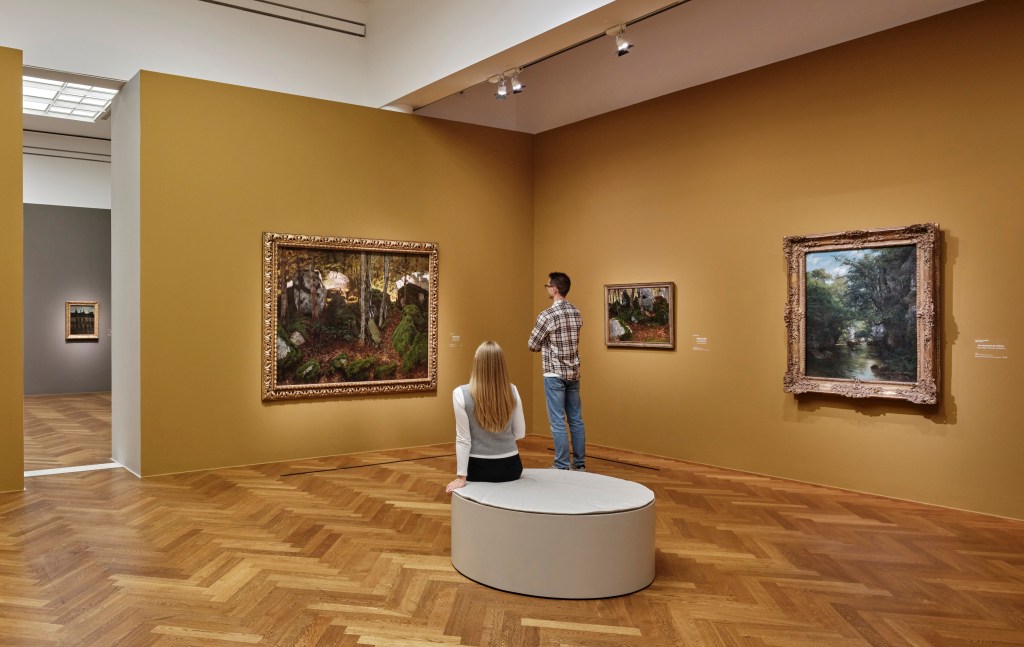
The show brings together some seventy paintings by Schuch alongside roughly fifty works by giants such as Paul Cézanne, Camille Corot, Gustave Courbet, Édouard Manet, and Claude Monet, illuminating Schuch’s engagement with French art at a time of intense transformation in European painting.
Philipp Demandt, Director of the Städel Museum, frames the exhibition with a clear sense of purpose: “With ‘Carl Schuch and France’, we are presenting an artist who devoted his entire life to studying French painting. His paintings hold their own effortlessly alongside works by Courbet, Manet and Cézanne. This exhibition is much more than a tribute. Carl Schuch’s painting is a discovery.”
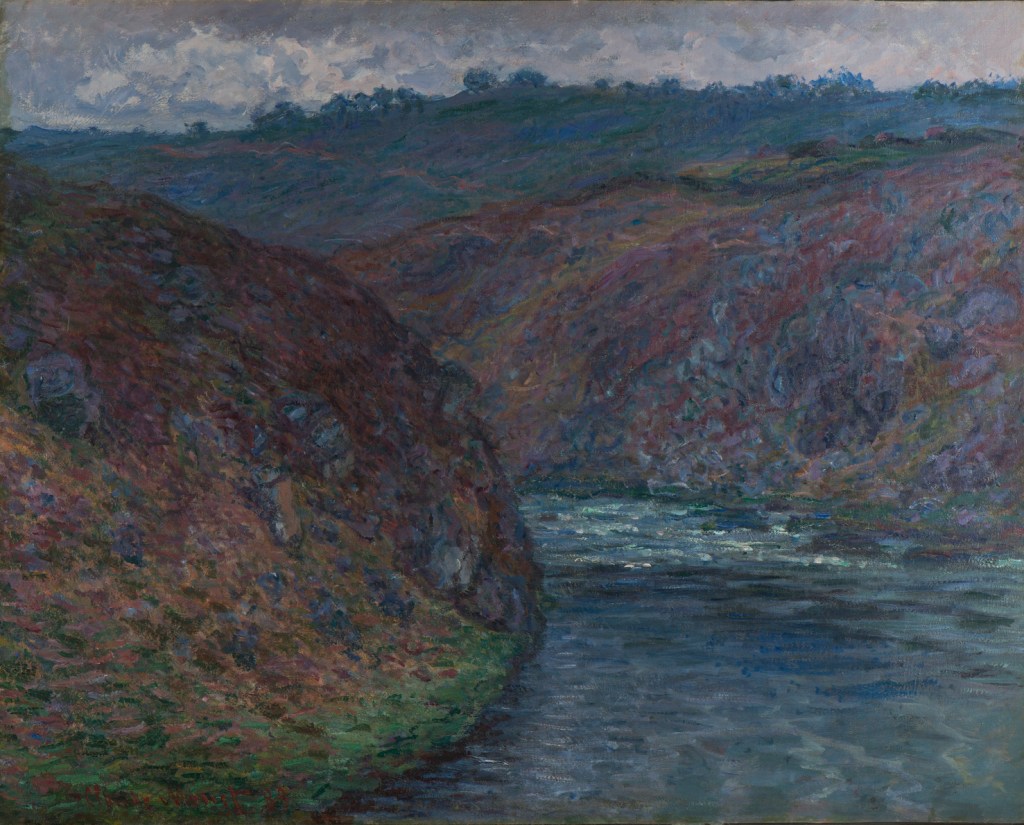
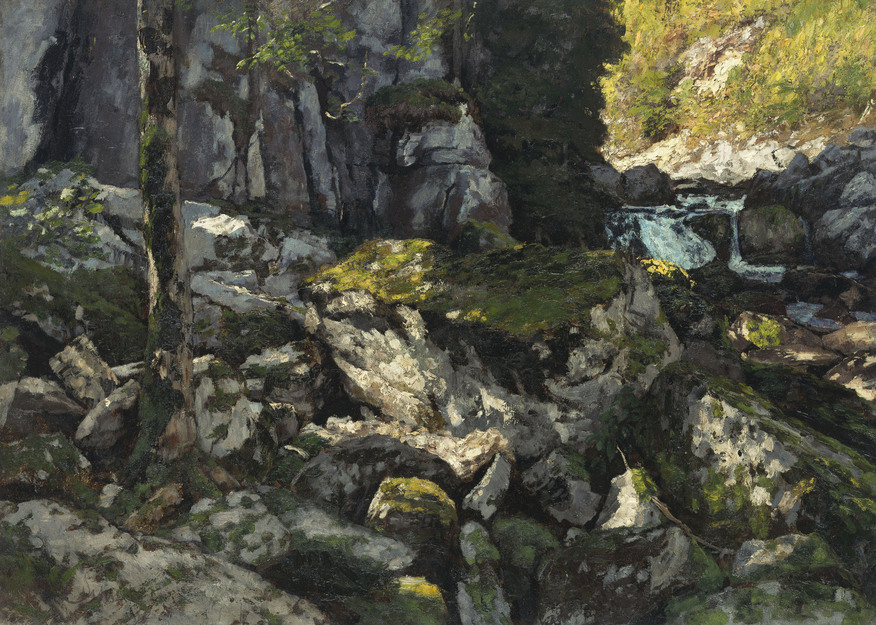
Schuch was never one to follow trends. Born in Vienna, he traveled across Europe but found Paris, the epicenter of artistic innovation in the late 19th century, especially formative. Between 1882 and 1894, he immersed himself in the Parisian art world, studying the works of his contemporaries, absorbing their innovations, and forging a uniquely personal visual language.
The exhibition underscores this independent spirit. In still lifes and landscapes alike, Schuch pursues “a quiet yet impressive power,” marked by subtle colour harmonies and an intense sensitivity to light and atmosphere. His paintings refuse easy classification, reflecting a lifelong quest for artistic truth rather than fleeting acclaim.
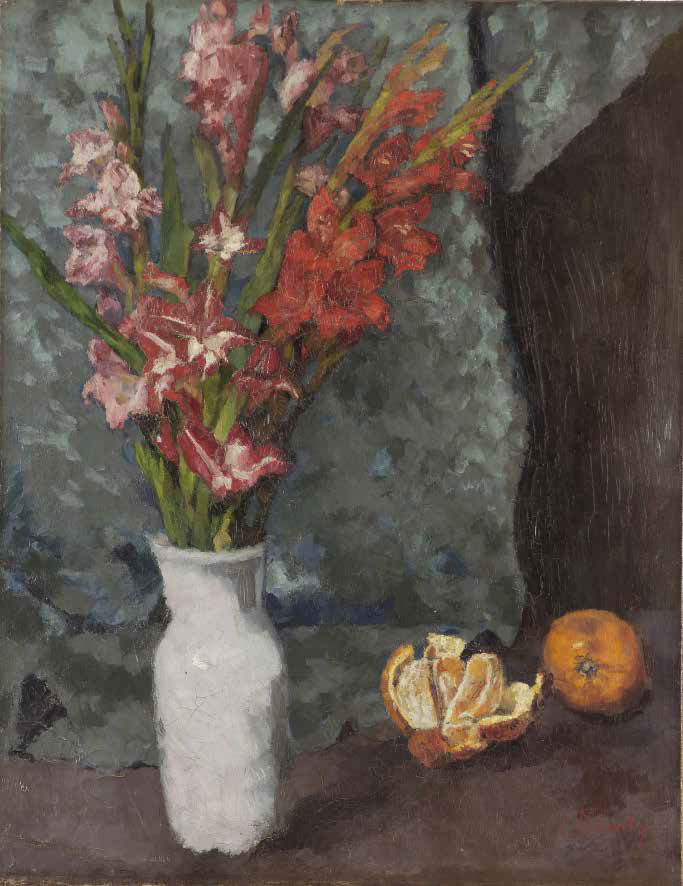
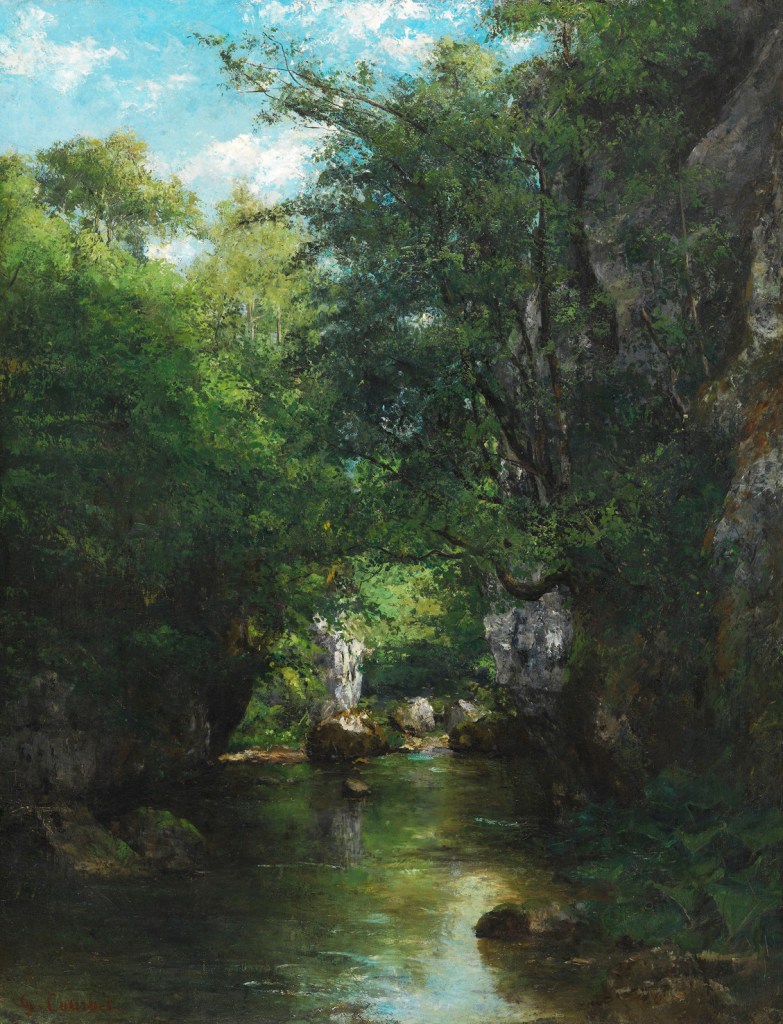
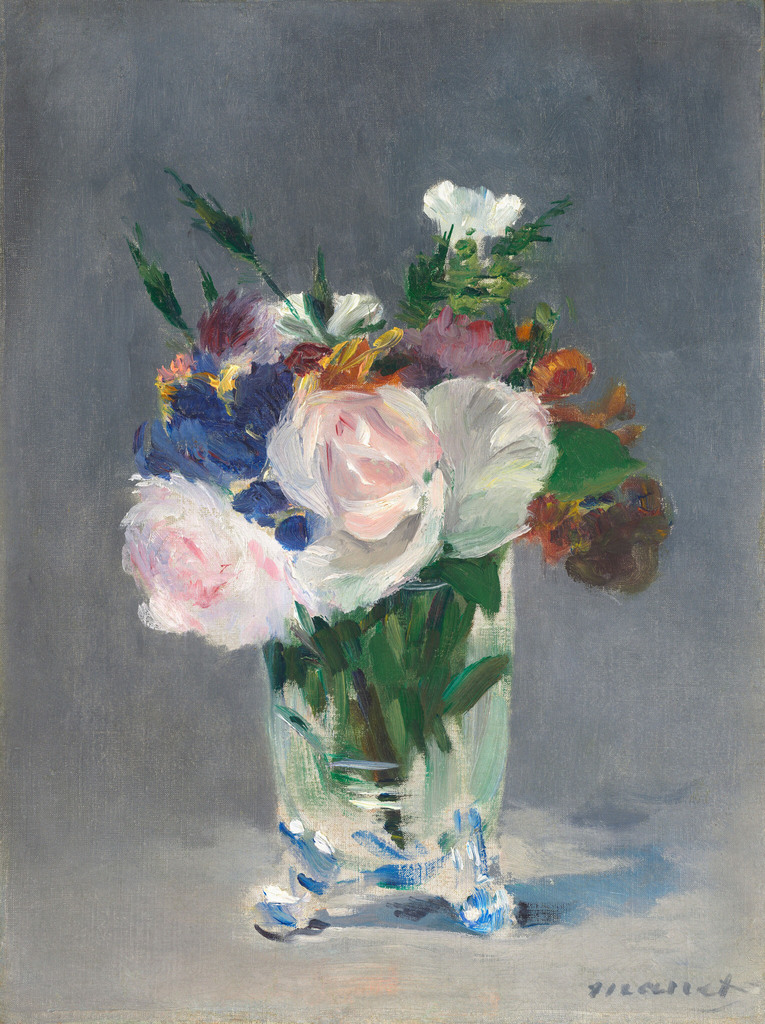
Curators Alexander Eiling, Juliane Betz, and Neela Struck emphasize Schuch’s perseverance and individuality: “Carl Schuch pursued his artistic path with great perseverance” they affirm, highlighting his unwavering dedication to exploring colour, form, and perception on his own terms.
One of the most compelling aspects of Carl Schuch and France is how it frames Schuch not as a mere follower of French modernism but as an interlocutor with it, someone deeply influenced by Paris yet resolutely self-directed. The exhibition places his works beside French masterpieces not to diminish them but to reveal how, even in direct comparison, Schuch’s canvases command attention through quiet depth and refined skill.
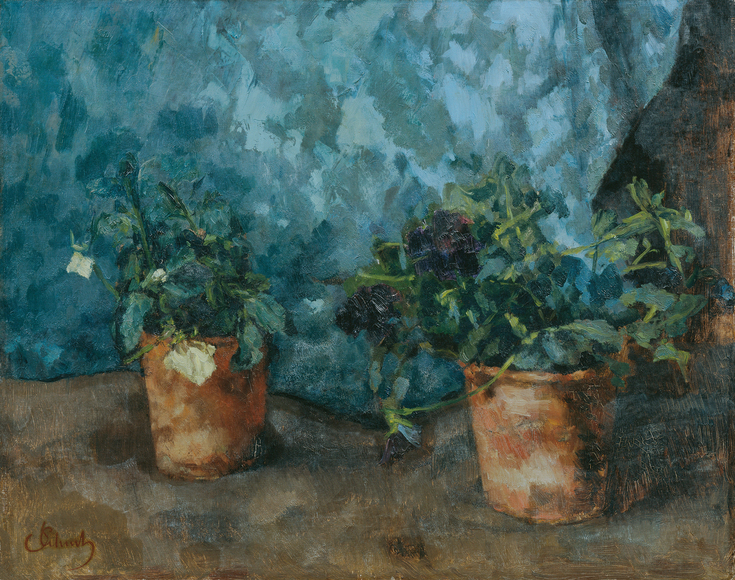
credit Belvedere, Vienna
credit Städel Museum
The catalogue and accompanying installations further illuminate Schuch’s working methods, revealing a painter who explored his subjects with analytical precision, often reworking canvases and experimenting with colour relationships. This technical research enriches the viewer’s understanding of his process and underlines his commitment to “an intense search for artistic truthfulness.”
Ultimately, ‘Carl Schuch and France‘ reframes an overlooked artist as a central participant in the artistic dialogues of his time. By juxtaposing his work with that of celebrated French painters, the exhibition invites visitors to experience a rediscovery: not only of Schuch’s art but of the broader, interconnected landscape of European modernism. What emerges is a story of artistic devotion, quiet innovation, and a painter whose vision resonates far beyond the margins of history.
 The Flora Journal