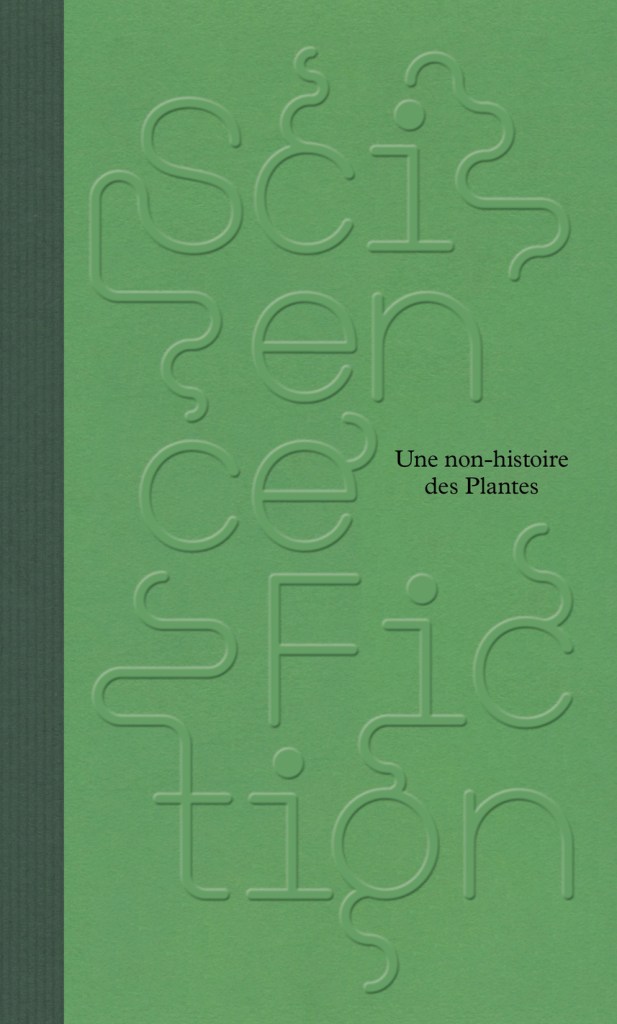
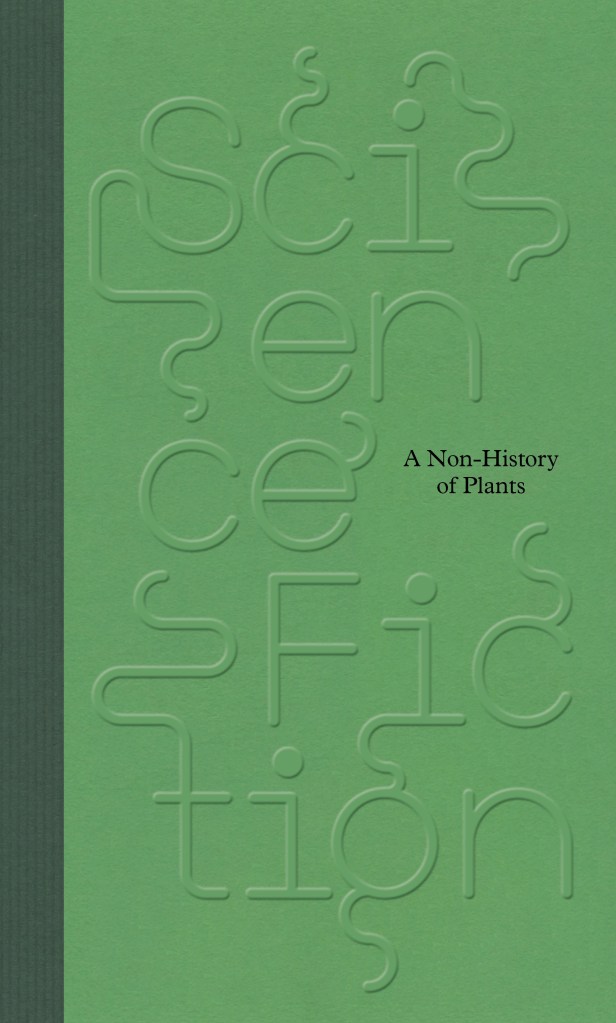
Science/Fiction: A Non-History of Plants, published by Spector Books in conjunction with the exhibition of the same name presented by the Maison Européenne de la Photographie and later shown at FOTO ARSENAL WIEN, positions itself as an autonomous and deeply speculative editorial project. Far more than a traditional exhibition catalogue, the book functions as a visual essay that extends and rearticulates the questions raised in the exhibition space, using photography, technological imagery, and narrative frameworks drawn from both science and fiction to rethink our relationship with the vegetal world.
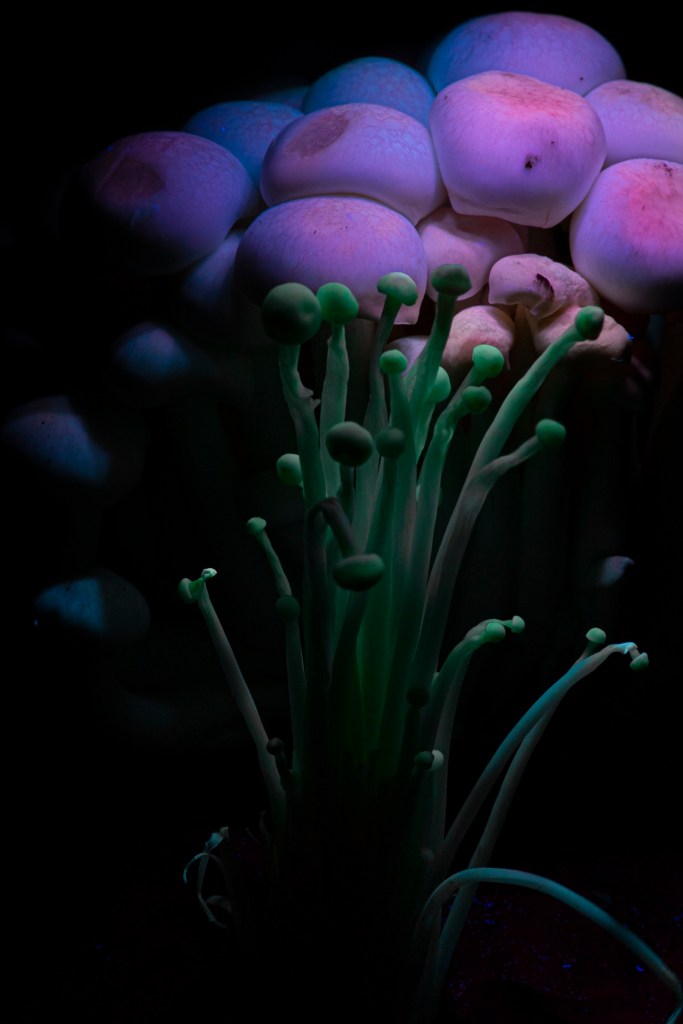
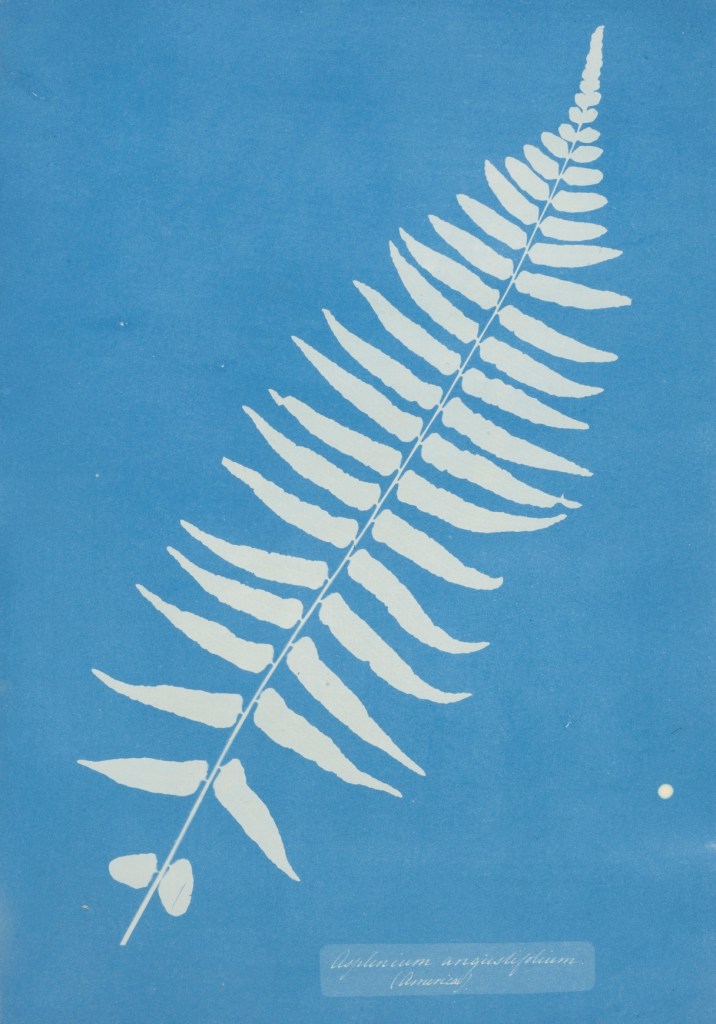
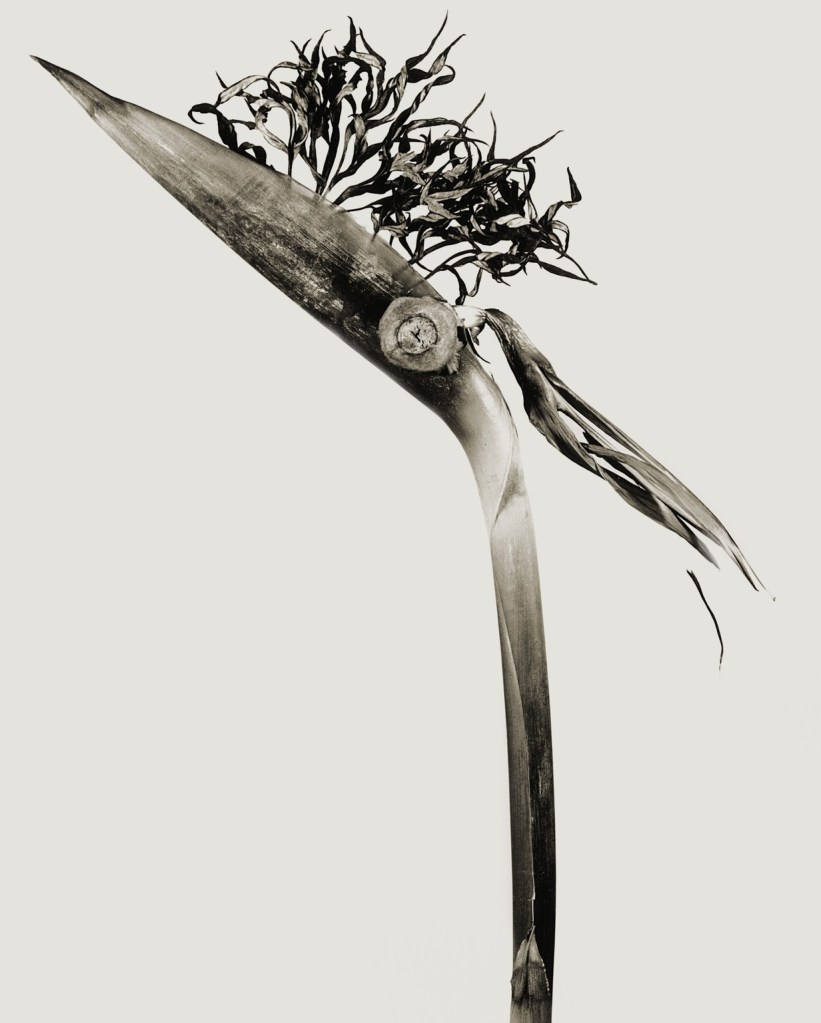
Curated by Victoria Aresheva and Clothilde Morette, the volume is grounded in a radical premise: plants are not passive entities or mere objects of study, but complex subjects onto which humans project desires, fears, ideologies, and visions of the future. From nineteenth-century scientific discoveries to contemporary theories of plant intelligence, from animist beliefs to dystopian narratives linked to genetic mutation, the book reveals how the vegetal has long functioned as a powerful narrative device.
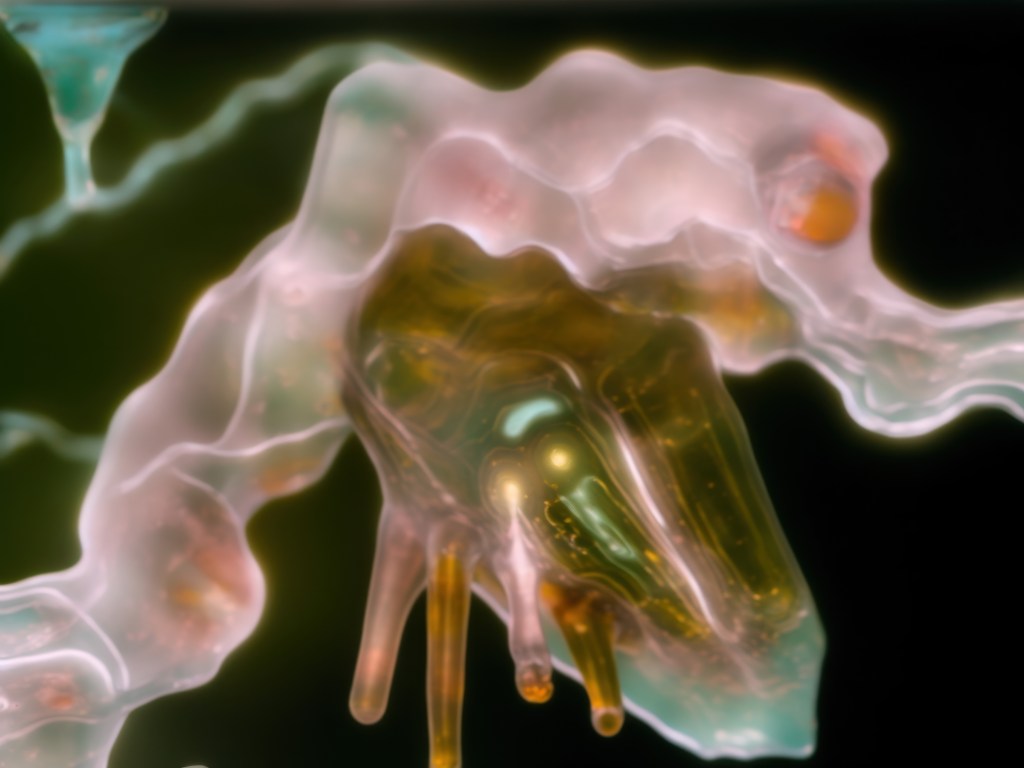
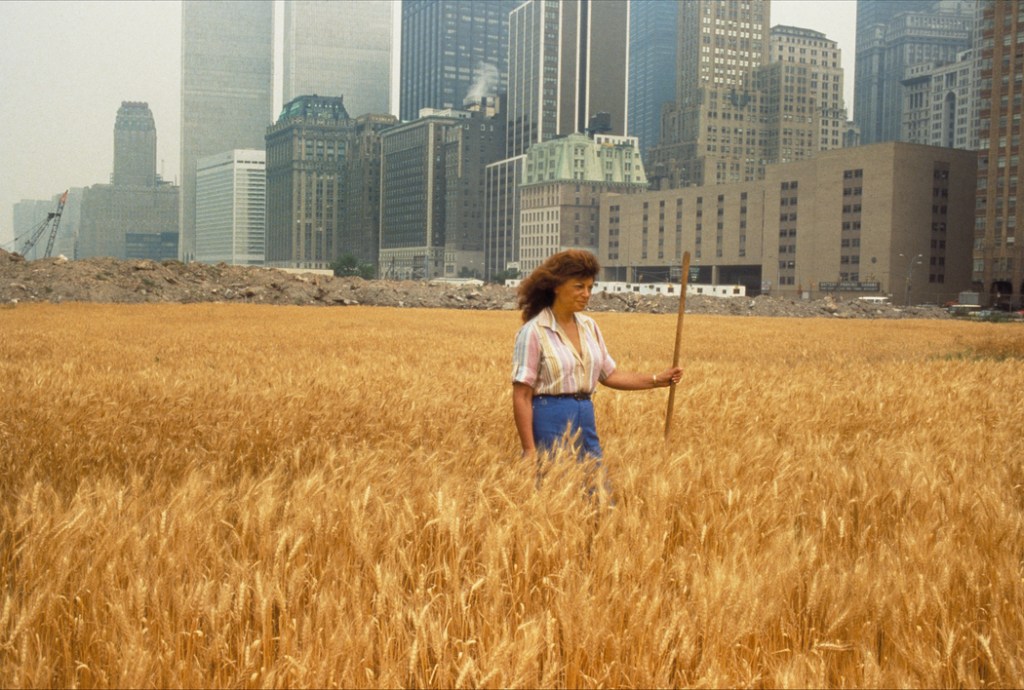
The editorial structure deliberately rejects a linear historical approach. Instead, it adopts the logic of the science-fiction novel, guiding the reader from a stable and seemingly familiar visual territory, botanical photography, classification, documentation, into increasingly unstable landscapes where the boundary between science and fiction becomes porous. This gradual displacement, central to both the Paris and Vienna exhibitions, is translated on the page into an intellectual and perceptual journey.
The images, produced by more than thirty artists from different geographical and historical contexts, form the core of the publication. Photography, traditionally associated with objectivity and evidentiary truth, is here exposed as an ambiguous and highly evocative medium. Historical cyanotypes, microphotography, AI-generated images, and speculative visual narratives coexist, underscoring the idea that every representation of the vegetal world is culturally constructed.
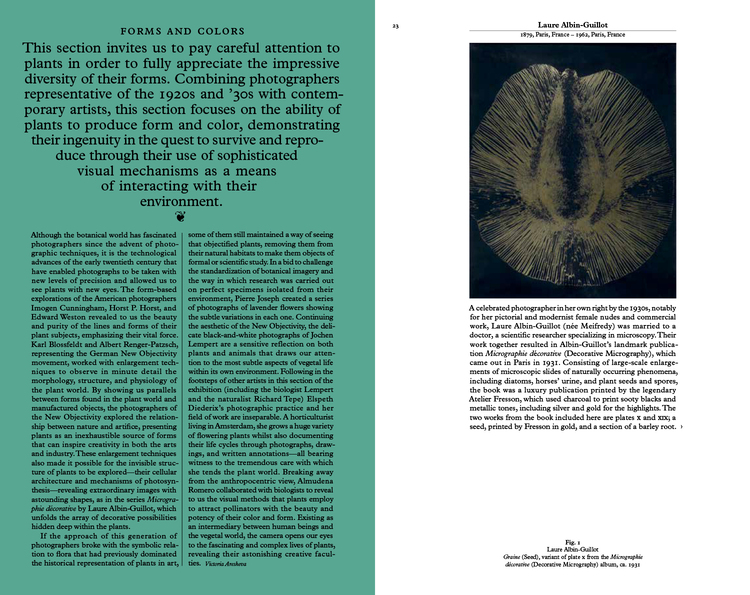
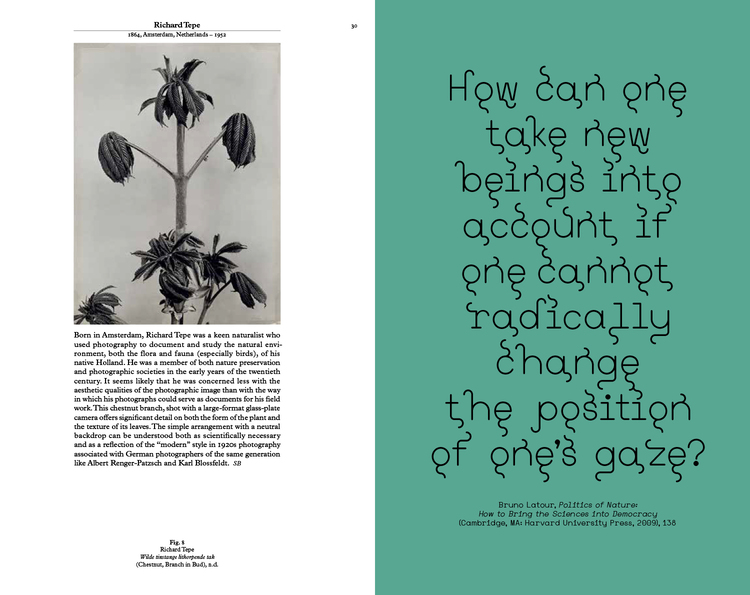
One of the book’s most compelling aspects is its sustained dialogue between science and animism, rational knowledge and symbolic imagination. Plants emerge as sentient beings, silent observers, or political allies, reflecting contemporary urgencies such as ecological crisis, biotechnology, and the redefinition of boundaries between the natural and the artificial. The vegetal thus becomes a lens through which to read broader social transformations and collective anxieties.
Science/Fiction: A Non-History of Plants succeeds in extending the exhibition experience beyond its temporal and spatial limits while preserving its critical intensity. Rather than offering definitive answers, the book opens up speculative possibilities, encouraging readers to imagine new forms of coexistence with what has long been considered “other.” Dense, thought-provoking, and timely, it is a publication that continues to resonate well after the exhibition has ended.
 The Flora Journal