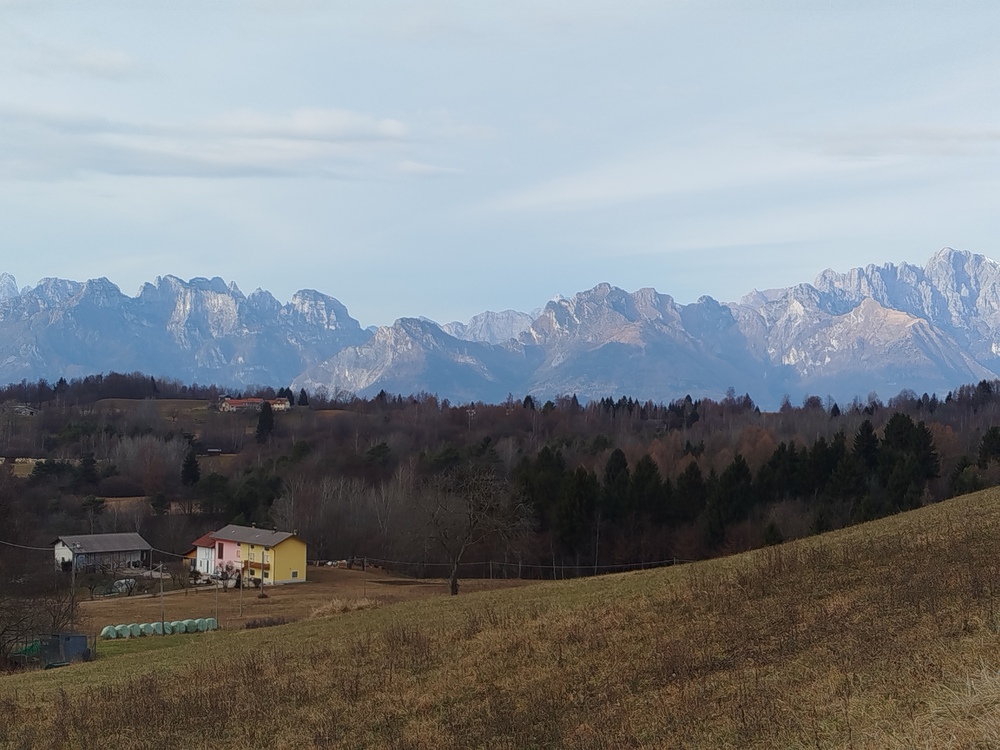
Belluno, a charming town nestled in the Dolomites in northern Italy, reveals itself slowly, like a landscape to be read rather than simply crossed. Its green itinerary invites visitors to experience the city through a continuous dialogue between nature, architecture, and culture. Accompanied by Dario, an “art gardener”, the walk becomes a narrative journey: every garden and tree-lined path is a page telling the deep story of this Dolomite territory.
The route begins at Belluno railway station, a modern threshold to a city that Antonio Stoppani, in his celebrated Il Bel Paese, would have surely appreciated for its balance between science, landscape, and identity. From here, the walk leads to the school Scuole Gabelli, an extraordinary example of educational architecture. Designed by Pierina Boranga, these schools anticipated ideas that are central today: open spaces, green courtyards, and trees as an integral part of children’s growth. Dario encourages visitors to reflect on the social value of greenery, not as mere decoration, but as a pedagogical and civic tool.
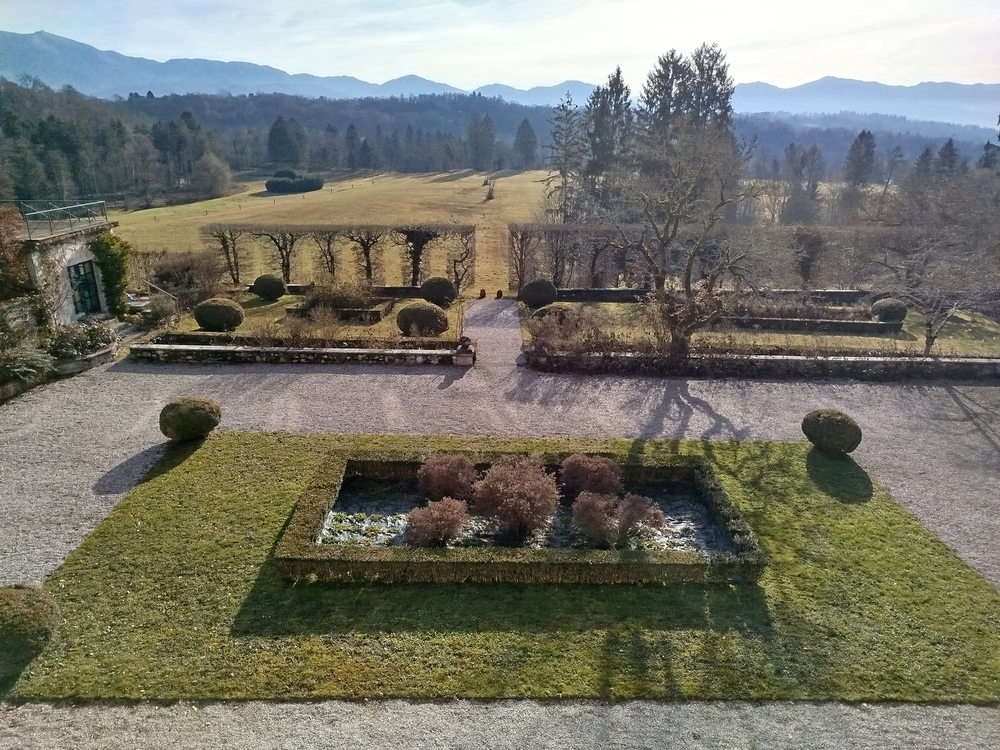
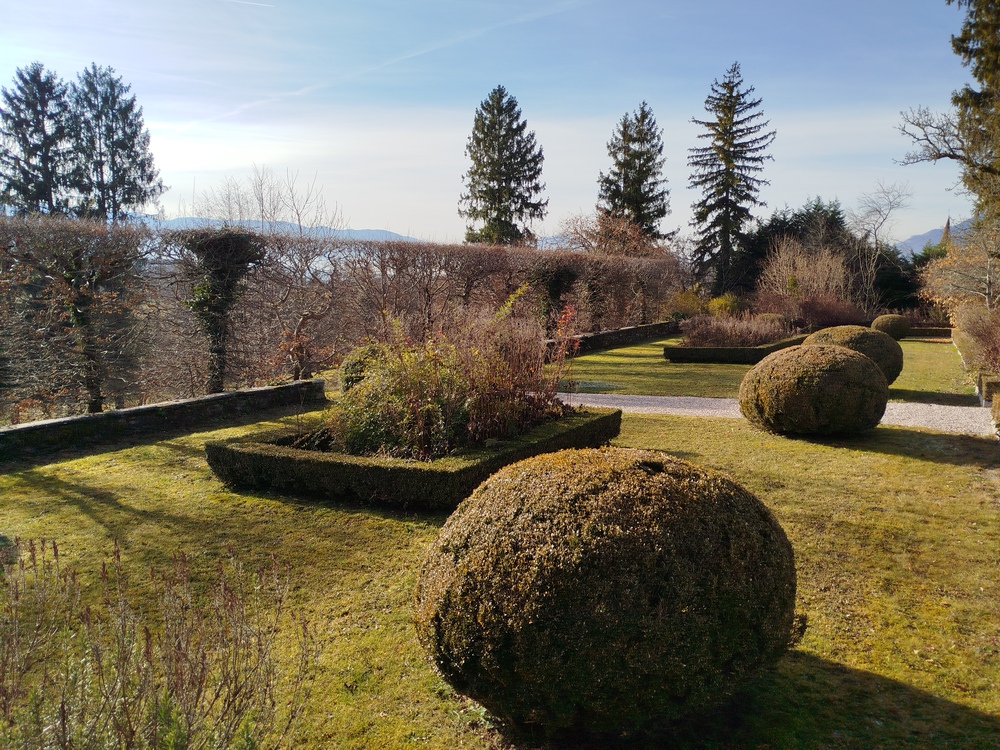
A short distance away lies the Parco of San Martino Hospital, a place of quiet and care. Here the garden takes on a therapeutic role, offering shade, silence, and gentle paths to those experiencing moments of fragility. Along these walkways, one can easily sense the spirit of nineteenth-century travellers such as Amelia B. Edwards, who in Untrodden Peaks and Unfrequented Valley described the Dolomites as landscapes capable of restoring both body and mind.
The itinerary continues toward the Park Hotel Villa Carpenada, an elegant historic residence set within its renowned Carpinata. Centuries-old hornbeam trees form an ordered and evocative natural backdrop, symbolising a landscape designed with sensitivity and respect. Here, Dario’s narrative intertwines with the romantic visions of Félix Germain in Les Dolomites, where the mountains are portrayed as a harmony between untamed nature and measured human intervention.
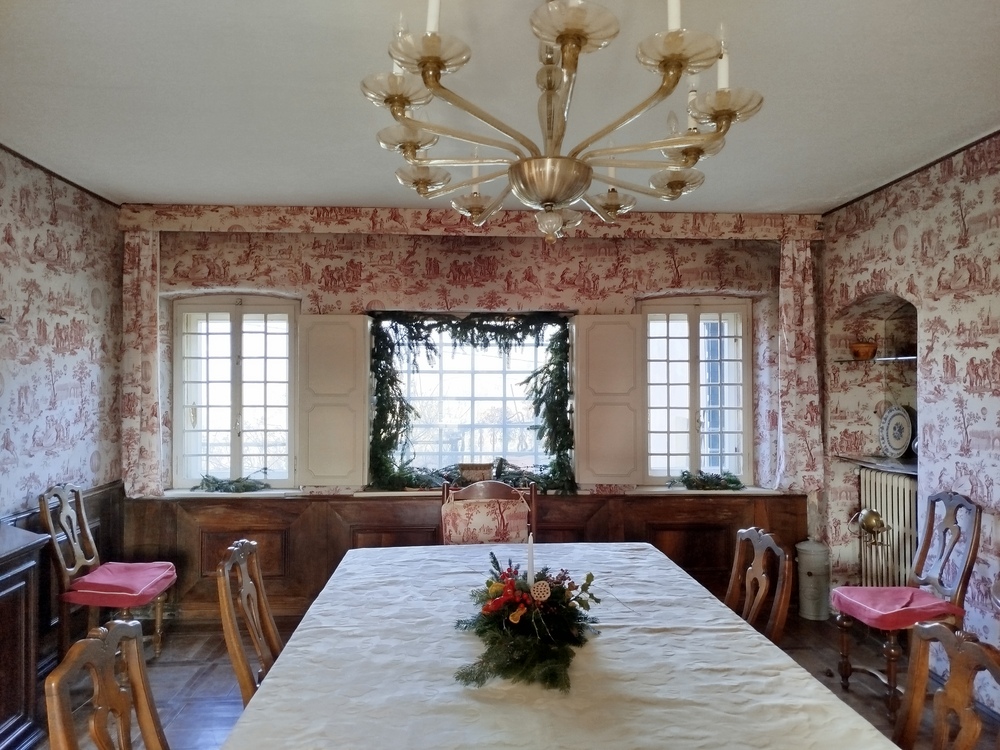
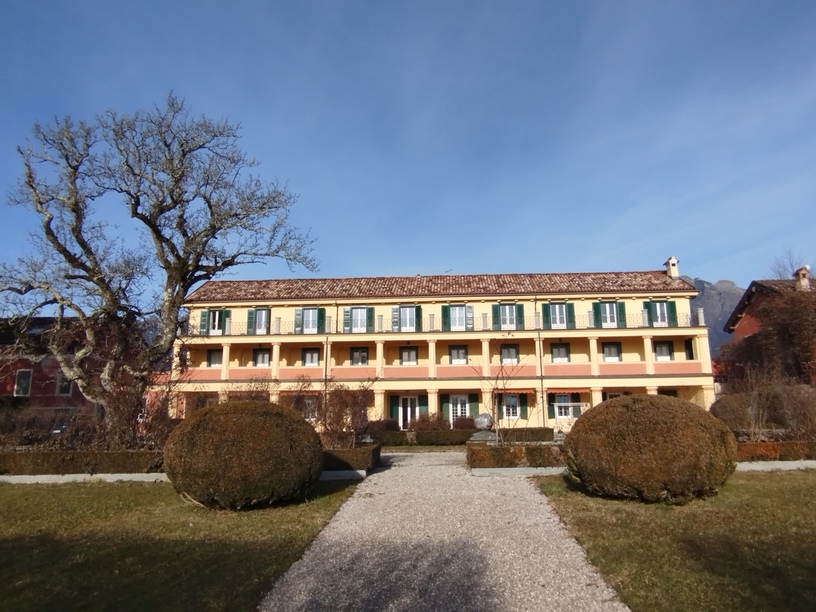
One of the emotional centres of the route is Villa Rudio Sammartini, now open for cultural and corporate events. Its garden is not merely a setting, but a true creative space. The presence of Marta Sammartini, sculptor, and Tudy Sammartini, writer, is still perceptible in the conception of a place designed to inspire. Vegetation and art engage in a subtle dialogue, creating contemplative views that resonate with Arthur Sydney McDowall’s reflections in Peaks and Frescoes: a Study of the Dolomites, where landscape and artistic expression are inseparable.
Leaving the urban centre, the itinerary opens toward Valmorel, with a restorative stop at EPIhub locanda, a contemporary example of hospitality focused on sustainability, territory, and community. It is a place that demonstrates how green spaces can also become social projects and visions for the future.
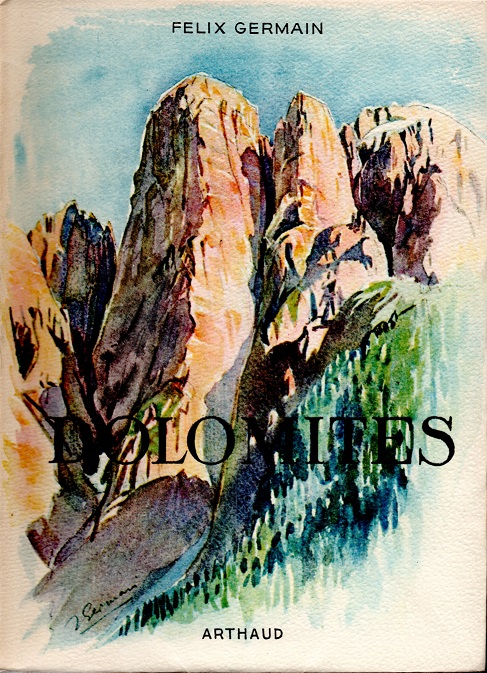
by Germain Felix credit Arthaud
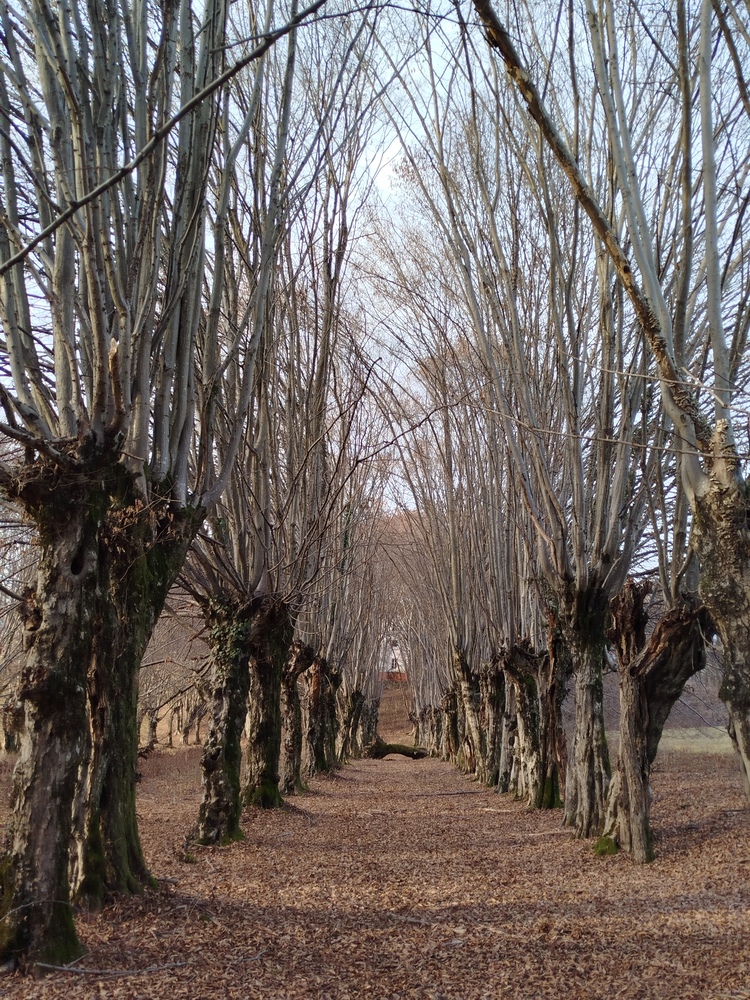
The ideal conclusion is Villa Alpago in Visomelle, where Belluno reveals its most intimate and aristocratic face. Here, the landscape still feels lightly trodden, faithful to the spirit of discovery and wonder that runs through the literature devoted to the Dolomites.
Following Dario, Belluno becomes a diffuse garden, a vast open-air narrative in which nature and culture grow together, step by step. Here, nature and culture intertwine seamlessly, and at every step, the mountains, gardens, and artistic expressions invite you to pause, reflect, and discover the harmonious dialogue that has shaped this corner of the Dolomites over centuries.
A perfect conclusion to this journey is a visit to the new Museo Naturalistico delle Dolomiti Bellunesi,(Belluno Dolomites Natural History Museum) where the richness of the local flora and fauna is celebrated. Its carefully curated herbaria and botanical collections offer a fascinating glimpse into the plants that shape the Dolomite landscape, connecting the artistic and literary heritage of Belluno with the living, breathing world of its mountains. Here, the story of Belluno’s green spaces continues indoors, reminding visitors that nature itself is both a teacher and a muse.
 The Flora Journal