Until 6 April 2026, Kunstmuseum Den Haag, The Netherlands, presents Lois Dodd: Framing the Ephemeral, the first European retrospective devoted to Lois Dodd. Bringing together more than one hundred paintings, many from the 1960s and 70s and rarely seen outside the United States, the exhibition offers a long-overdue recognition of an artist whose quiet rigor has shaped post-war American art. Still painting at 98, Dodd demonstrates the enduring vitality of a practice grounded in attentive looking.
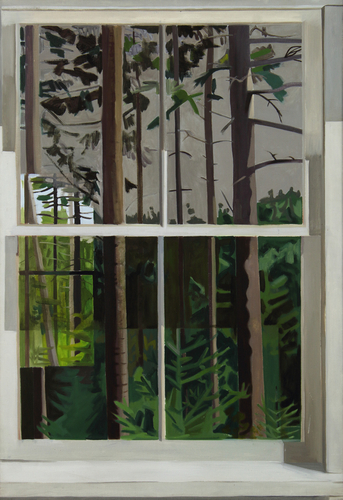
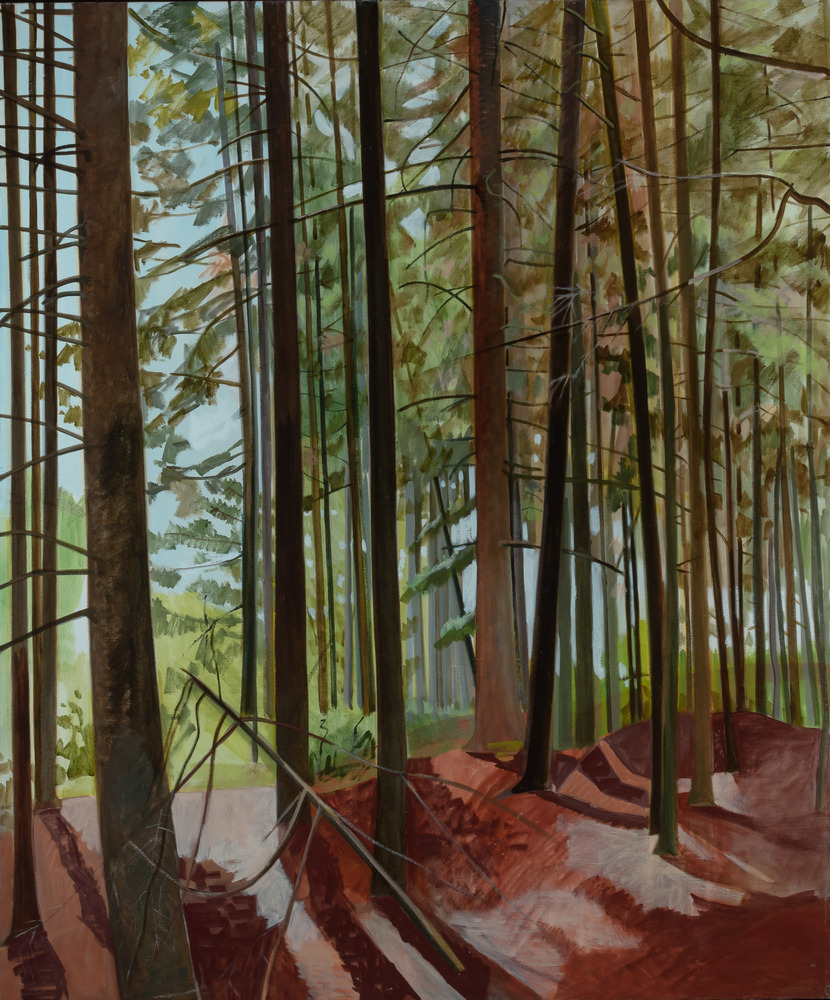
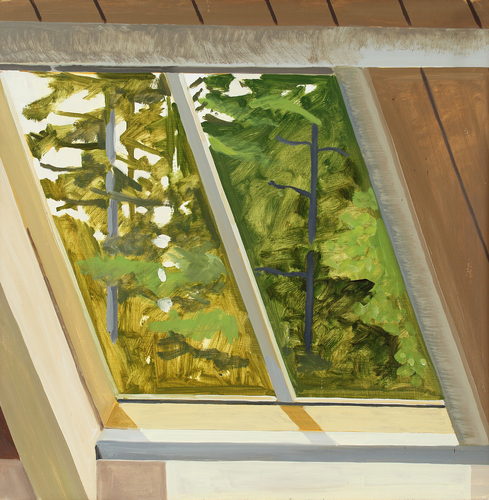
At the heart of Dodd’s work is the act of framing. Windows, doorways, mirrors, and the very edges of the canvas structure her vision, transforming everyday views into concentrated studies of light, atmosphere, and time. She paints outdoors whenever possible, completing small, intimately scaled works often in a single sitting. Trees, barns, laundry on clotheslines, night skies, gardens, and interiors recur across decades. Returning to the same sites in New York, Maine, and the Delaware Water Gap, she records subtle seasonal and meteorological shifts. Her paintings insist on the value of what is often overlooked, revealing the extraordinary within the ordinary.
Curator Louise Bjeldbak Henriksen aptly describes this commitment: “Lois Dodd’s work testifies to her uncompromising devotion to ‘looking’. Her paintings celebrate life as it really is, with no embellishments, but with all the more depth for that.” Across eight decades, Dodd has remained steadfast while artistic movements, from Abstract Expressionism to Pop and Conceptual Art, rose and fell around her. A founding member of the Tanager Gallery in 1950s New York, she shared a milieu with figures such as Willem de Kooning and Alex Katz, maintaining a studio near Katz’s in Maine. Yet her path was resolutely her own, marked by independence and a subtle oscillation between figuration and abstraction, at times recalling the compositional clarity of Piet Mondrian.
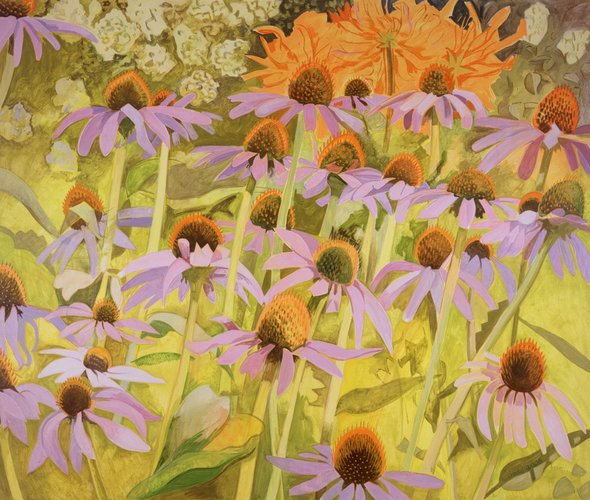
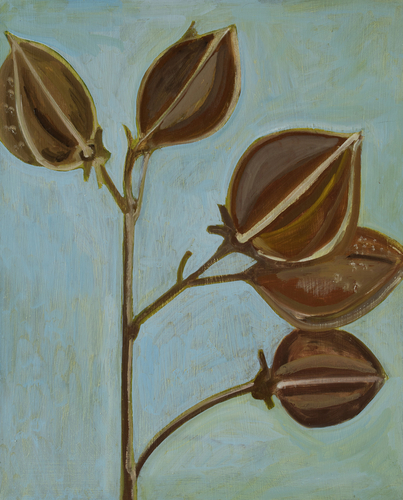
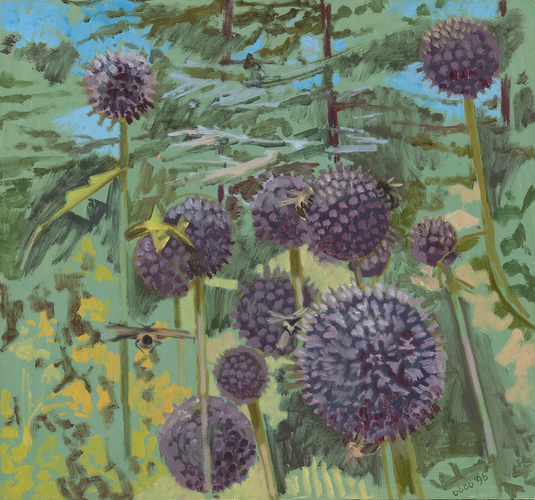
The exhibition is accompanied by a substantial catalogue published by Hannibal Books. With essays by Lucy R. Lippard, Katy Hessel, Hans Ulrich Obrist, Karen Wilkin, and others, the publication situates Dodd within broader art-historical narratives while underscoring her singular contribution. The catalogue reflects the intellectual ambition of the retrospective, offering new scholarship alongside reflections on her lifelong commitment to observation and artist-run initiatives.
Across the Atlantic, a complementary tribute is taking place at The Art Gallery at Brooklyn College in Lois Dodd: A Radiant Simplicity (until March 25, 2026). The New York exhibition honors not only Dodd’s stature as a major painter but also her profound impact as a professor at Brooklyn College from 1971 to 1992. Her last non-commercial solo exhibition in New York was fifteen years ago; this presentation is widely regarded as long overdue. Former students, many of whom painted alongside her during summers in Maine, have rallied to celebrate her achievement, testifying to the deep bonds she forged as a mentor.
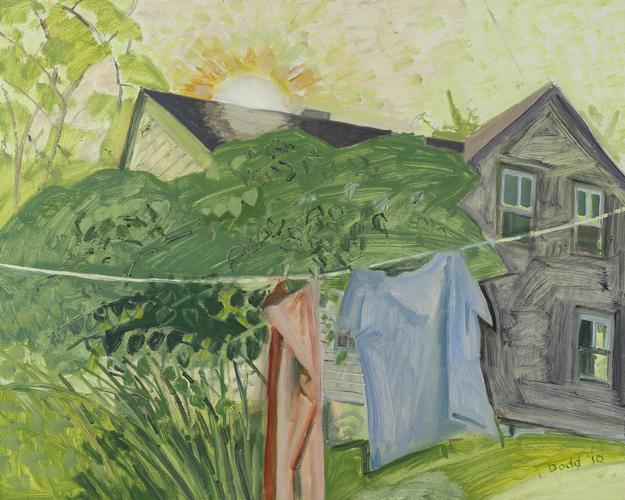
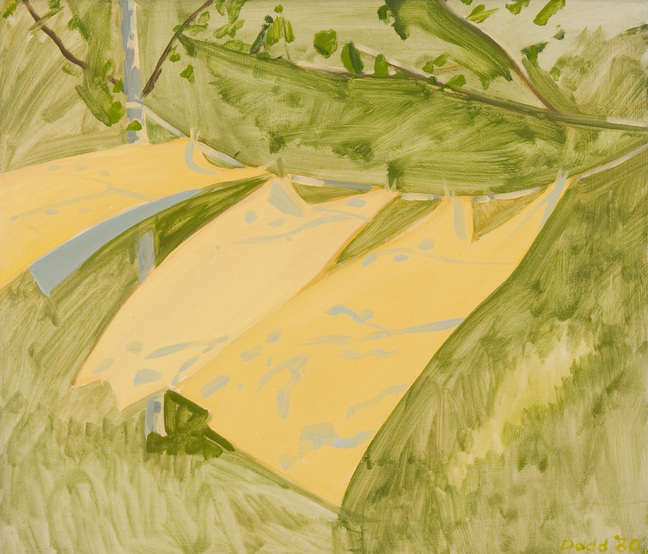
The Brooklyn exhibition has been realized through a broad collaborative effort, including the support of Dodd’s son Eli King, her gallerist Phil Alexandre, and institutional partners such as the Farnsworth Museum. It stands as a testament to her generosity, wisdom, and lasting influence on generations of artists.
Together, The Hague and New York exhibitions affirm Dodd’s international resonance. If Framing the Ephemeral highlights the formal and historical significance of her oeuvre, A Radiant Simplicity underscores the human dimension of her legacy. Both remind us that, in Dodd’s hands, painting is not spectacle but sustained attention: a practice of independence, honesty, and strength that continues to unfold.
 The Flora Journal