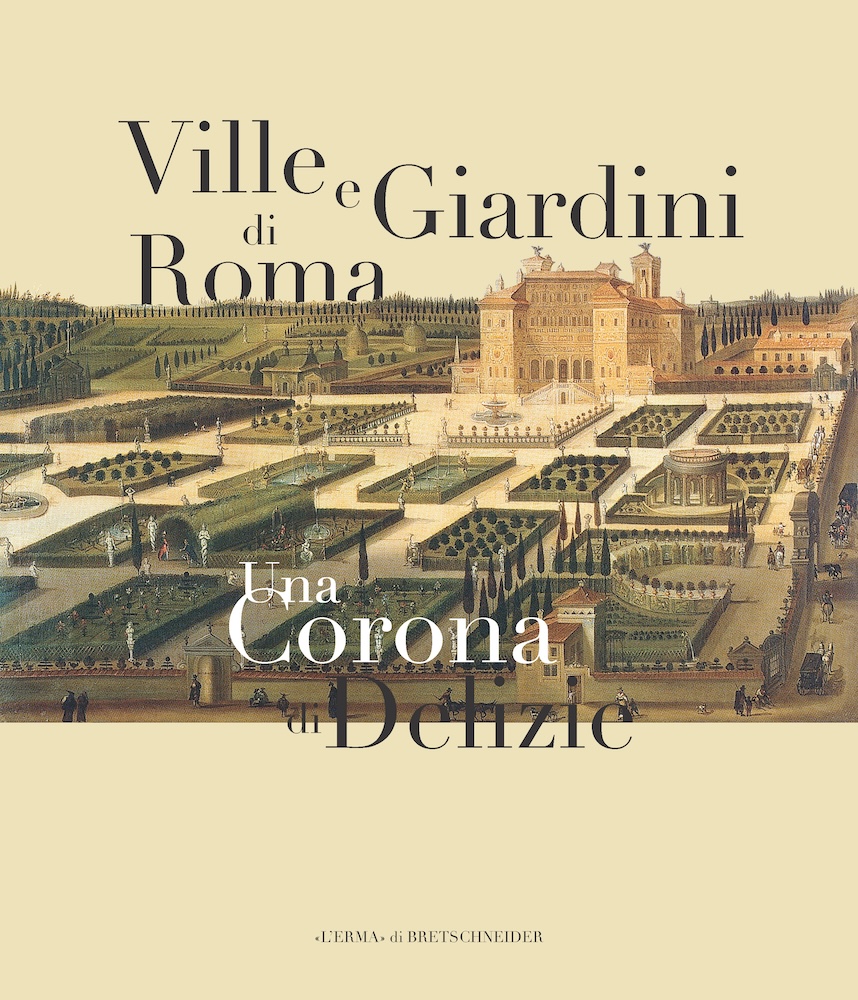
At the Museo di Roma at Palazzo Braschi, in Rome, Italy the exhibition Ville e Giardini di Roma: Una Corona di Delizie, (Rome’s villas and gardens: a crown of delights) on view until April 12, 2026, offers an unprecedented visual journey through five centuries of Roman garden culture. Yet if the exhibition captivates visitors through immersive displays and nearly 190 extraordinary works, its most enduring and intellectually significant achievement is undoubtedly the catalogue published by L’Erma di Bretschneider.
Far more than a companion volume, the catalogue stands as the most comprehensive scholarly study ever devoted to the artistic, social, and urban history of Rome’s villas and gardens. Conceived within a broader heritage initiative promoted by Roma Capitale, Assessorato alla Cultura, Sovraintendenza Capitolina ai Beni Culturali, organized by Zétema Progetto Cultura and curated by Alberta Campitelli, Alessandro Cremona, Federica Pirani, and Sandro Santolini, the publication brings together an international scientific committee and leading specialists in art history, landscape studies, and urban planning. The result is a volume that transforms the exhibition’s narrative into a permanent research tool.
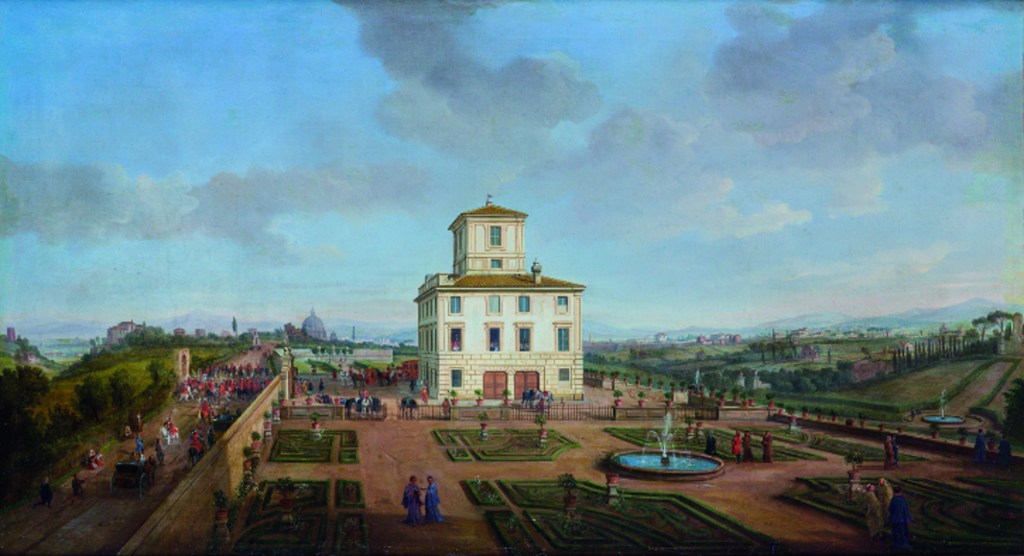
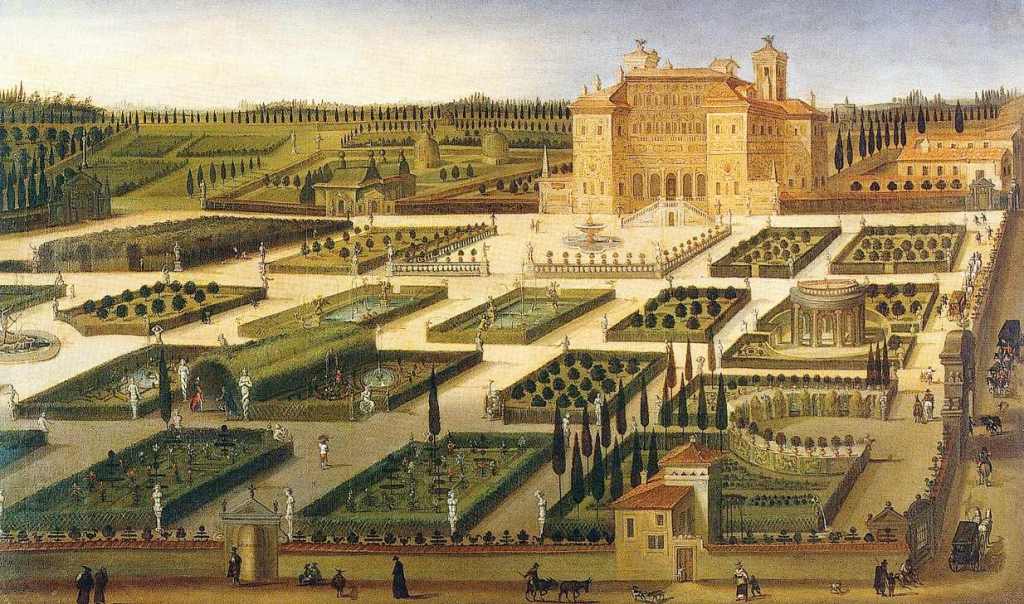
View of Villa Borghese credit Private collection
Richly illustrated and meticulously documented, the book reproduces paintings, drawings, prints, manuscripts, and archival materials, many little known or previously unpublished. Its essays reconstruct not only celebrated sites such as Villa Borghese and Villa Albani, but also villas that have disappeared from the urban fabric, including Villa Ludovisi and Villa del Pigneto Sacchetti. Through careful visual comparison and archival analysis, the catalogue restores the original appearance of gardens that were radically altered or destroyed, offering new interpretative frameworks for scholars.
Structured in six thematic sections that mirror the exhibition, the volume begins with the Renaissance revival of the villa suburbana. In the sixteenth century, as Rome re-emerged from medieval decline, patrons rediscovered the classical ideal of otium. Villas such as Villa Madama and Villa Giulia became laboratories of artistic innovation, shaped by architects including Bramante and Raphael. The catalogue traces how these spaces established a distinctly Roman garden model that would be admired across Europe.

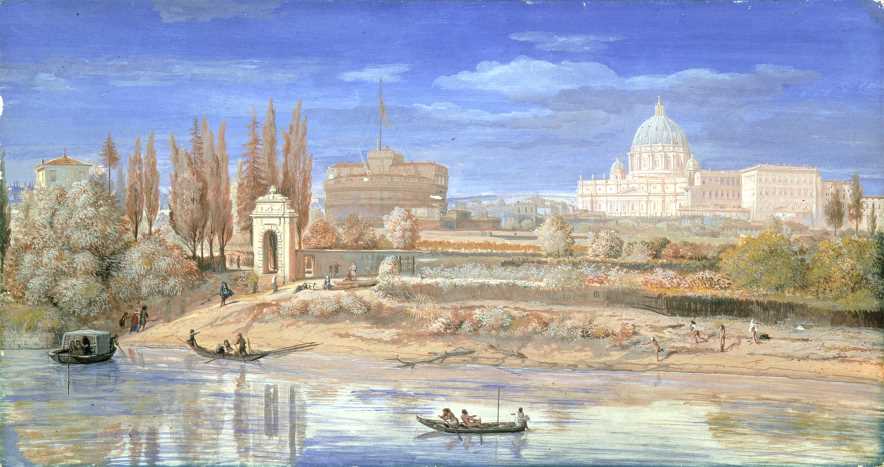
The Baroque era is examined as a moment of theatrical expansion. The reactivation of ancient aqueducts enabled spectacular fountains and water games, transforming villas into stages of power and wonder. Paintings by artists such as Joseph Heintz the Younger and Caspar van Wittel document the magnificence of these landscapes, capturing both architectural ambition and social ritual.
The eighteenth century reveals a nuanced transition between magnificence and Enlightenment restraint, culminating in Villa Albani, where antiquarian scholarship and refined garden design merged into a cultural manifesto. Particularly compelling is the catalogue’s treatment of the nineteenth century, marked by political upheaval and the devastating urban transformations following Rome’s designation as capital in 1870. Entire villa complexes were sacrificed to modernization, yet this same period witnessed the rise of public promenades and democratic green spaces.
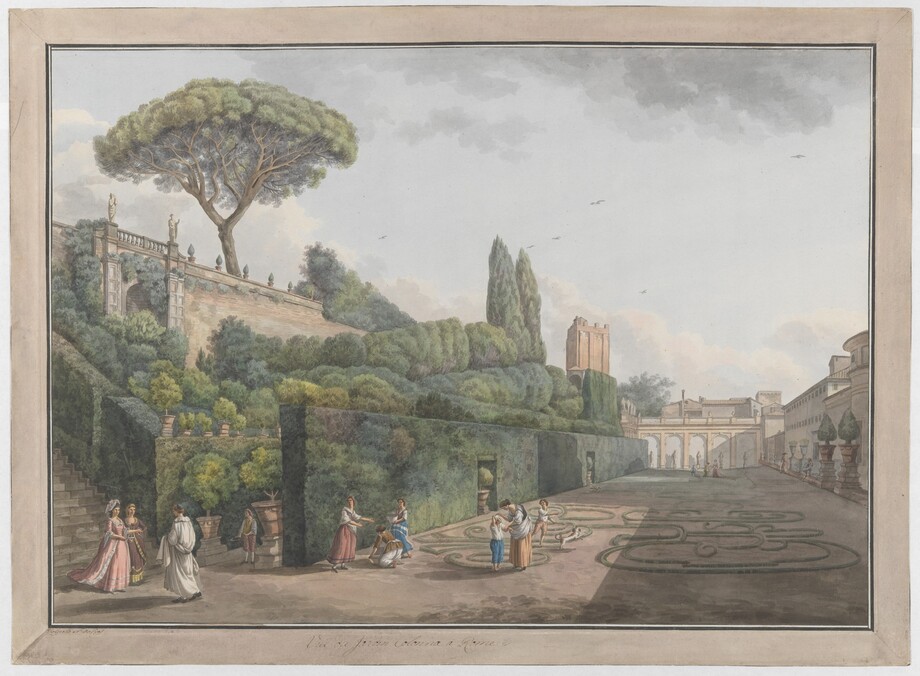

The twentieth century section explores the contradictions of Fascist-era planning, which simultaneously erased historic gardens and expanded public parks under landscape architect Raffaele de Vico. Archival photographs and paintings by Carlo Montani illuminate this complex legacy, bridging art and urban history.
Elegantly designed and intellectually rigorous, the catalogue published by L’Erma di Bretschneider transcends the temporal limits of the exhibition. It reframes Rome’s villas and gardens not merely as aesthetic achievements, but as dynamic spaces shaped by power, taste, destruction, and reinvention. In doing so, it secures its place as the definitive reference work on one of Rome’s most fascinating and fragile cultural heritages.
 The Flora Journal