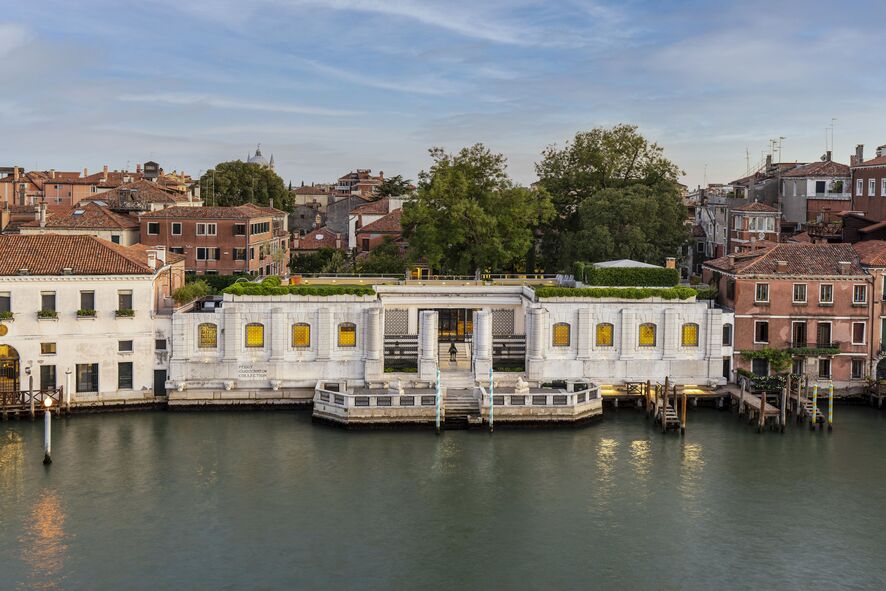
At the Peggy Guggenheim Collection in Venice, Italy from April 25 to October 19, 2026, the exhibition Peggy Guggenheim in London: The Making of a Collector explores one of the most decisive moments in the life of the celebrated American patron. Curated by Gražina Subelytė together with guest curator Simon Grant, the exhibition is the first large-scale museum show devoted to the London years of Peggy Guggenheim and to her first gallery, Guggenheim Jeune, active at 30 Cork Street between 1938 and 1939.
Those eighteen months marked a crucial stage in the formation of Guggenheim as a collector. In London, where artistic institutions were still largely conservative, she introduced and championed the international avant-garde, helping reshape the British artistic landscape on the eve of World War II. Alongside venues such as the Redfern Gallery, the Mayor Gallery, and the London Gallery, her gallery became a key platform for contemporary art and curatorial experimentation.
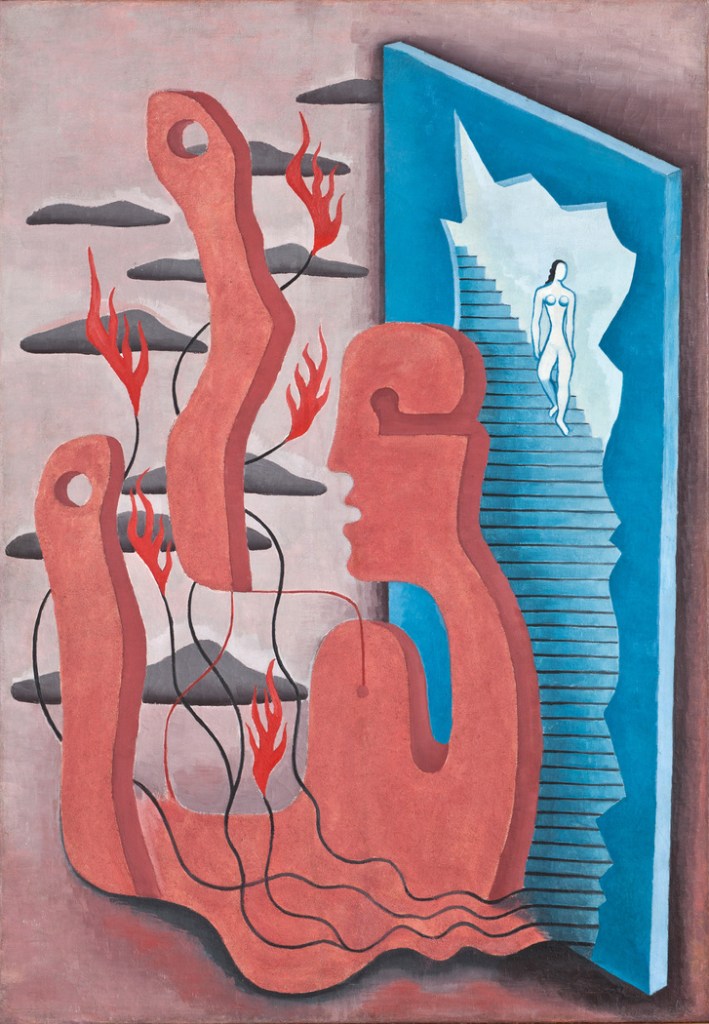
Behind the Mirror (Spejlets Revers), 1937
Oil on canvas, 120 x 84 cm
credit Kunstmuseet i Tonder, Denmark
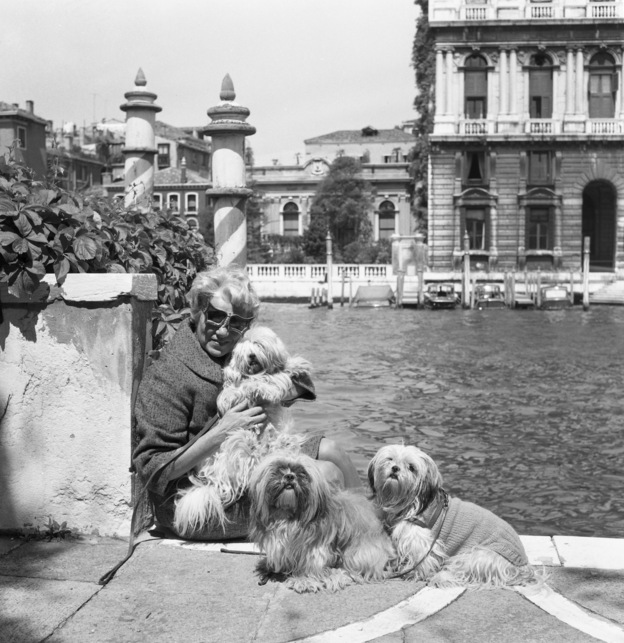
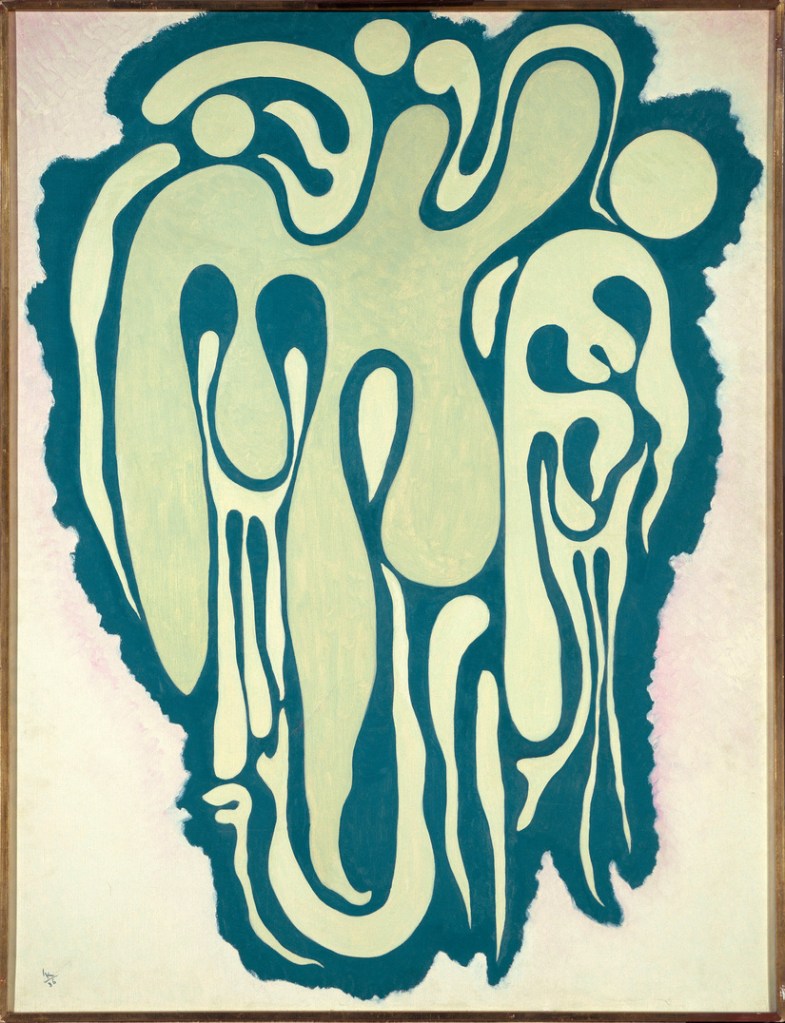
Between January 1938 and June 1939, Guggenheim organized more than twenty exhibitions, many of them groundbreaking. These included the first solo exhibition in the United Kingdom by Wassily Kandinsky, a show devoted to Jean Cocteau, the first British group exhibition dedicated to collage, and a controversial exhibition of contemporary sculpture. The gallery also presented works created by children, including those of a very young Lucian Freud, marking the future artist’s debut.
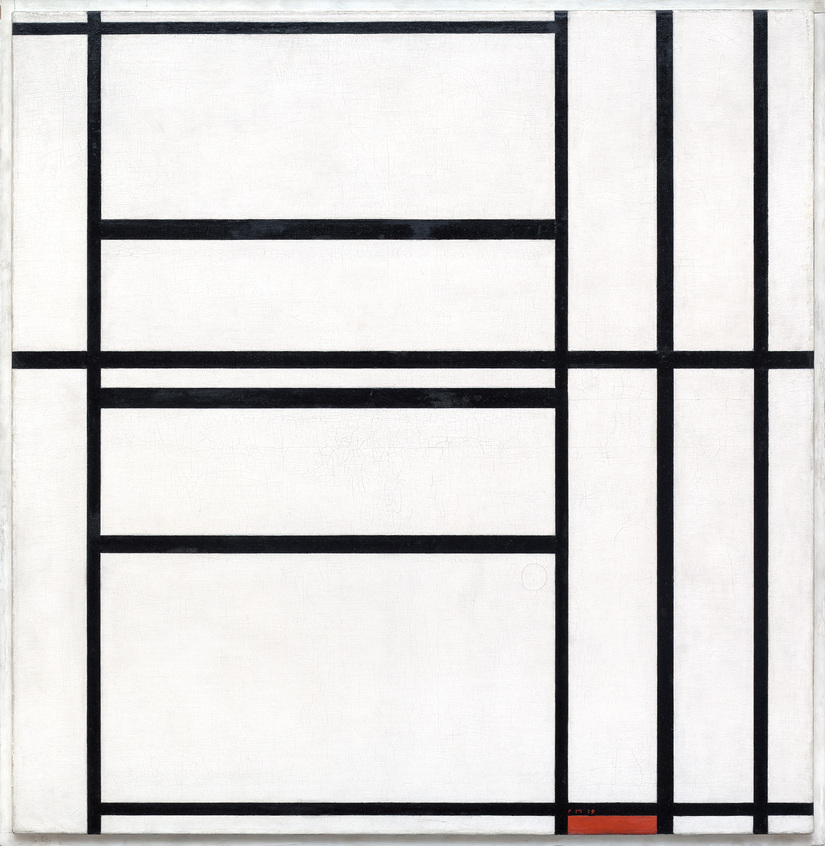
The exhibition in Venice brings together around one hundred works from major international institutions and private collections. The display reflects the diversity of media shown at Guggenheim Jeune: paintings, sculptures, works on paper, photographs, puppets, and archival materials documenting a period of extraordinary artistic vitality. Among the artists represented are Eileen Agar, Jean Arp, Barbara Hepworth, Piet Mondrian, Henry Moore, Sophie Taeuber-Arp, and Yves Tanguy, key figures associated with abstraction and Surrealism.
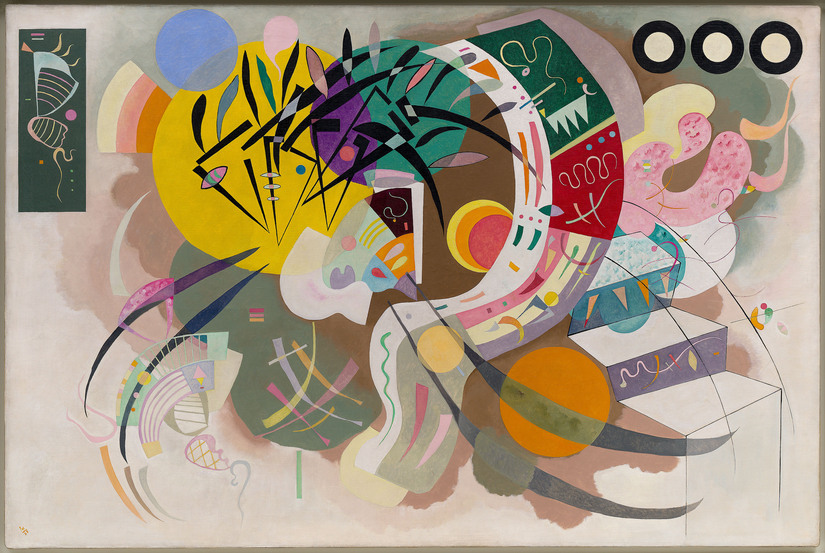
Dominant Curve (Courbe dominante), April 1936
Oil on canvas, 129.2 x 194.3 cm
credit Solomon R. Guggenheim Museum, New York, Solomon R. Guggenheim Founding Collection
Another central focus of the exhibition is the network of intellectual relationships Guggenheim cultivated in London. During those years she formed friendships and collaborations with leading cultural figures such as Marcel Duchamp, Samuel Beckett, Roland Penrose, Herbert Read, and Mary Reynolds, whose influence helped shape her international outlook on modern art.
Curator Gražina Subelytė, interviewed in advance of the exhibition, emphasizes how this London period represents the moment when Guggenheim evolved from an art enthusiast into a self-aware collector. An art historian originally from Lithuania, Subelytė trained between continental Europe and the United Kingdom and earned her PhD at the Courtauld Institute of Art in London, specializing in twentieth-century avant-garde movements, particularly Surrealism.
In the conversation, she also reflects on her own professional journey: arriving at the Venice museum in 2007 as an intern, she gradually built her career within the institution and is today one of its curators. For Subelytė, curating is fundamentally a form of storytelling. Exhibitions, she explains, should weave together narratives, relationships, and contexts capable of revealing the complexity of art and its historical moment.
According to the curator, the story of Guggenheim Jeune is not simply that of an avant-garde gallery, but of a method of collecting, one based on dialogue with artists and an intuitive understanding of the transformations shaping contemporary art. From this experience in London emerged Guggenheim’s ambition to create a museum devoted to modern art, a vision that would eventually be realized in Venice with the establishment of her remarkable collection on the Grand Canal.
After its presentation in Venice, the exhibition will travel to the Royal Academy of Arts in London and later to the Solomon R. Guggenheim Museum in New York, reaffirming the international legacy of a figure who profoundly shaped the history of twentieth-century art.
 The Flora Journal