At Museum of Fine Arts Ghent, in Belgium ‘Unforgettable: Women Artists from Antwerp to Amsterdam, 1600–1750‘ until 31 May 2026, unfolds as both an exhibition and an act of historical repair. Bringing together works by more than forty women active across the Low Countries between the seventeenth and mid-eighteenth centuries, the project does more than recover neglected names: it proposes a different understanding of artistic presence, one in which women emerge not at the margins of early modern visual culture, but fully embedded within its production, circulation and refinement.
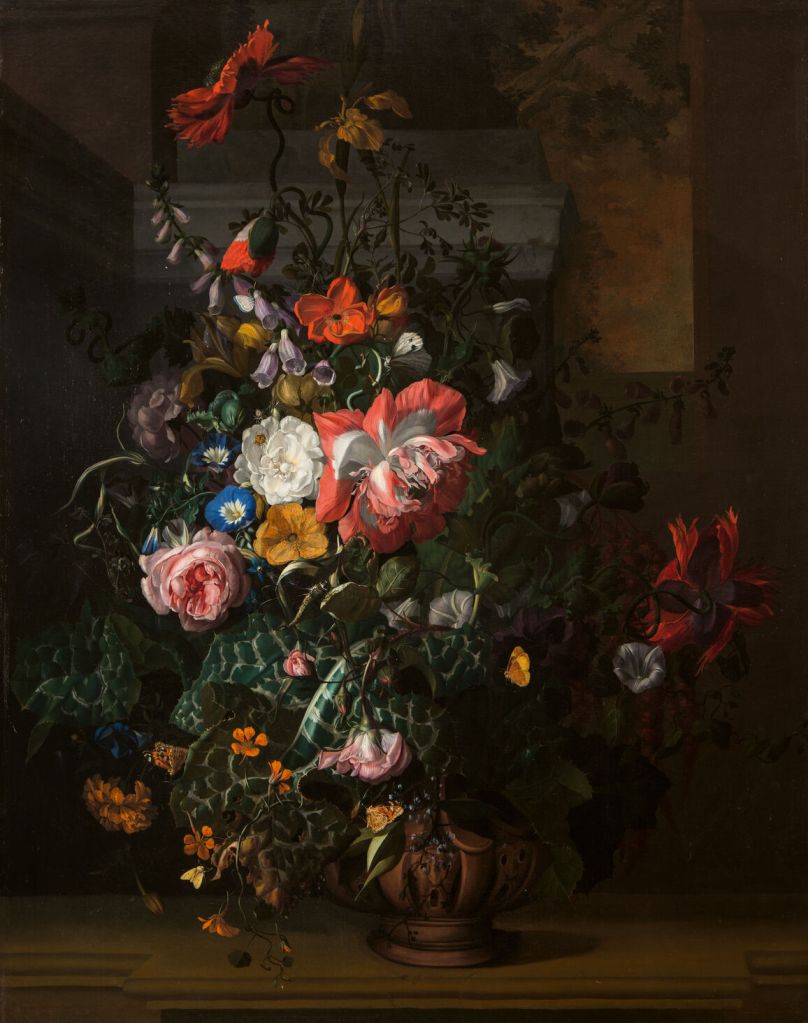
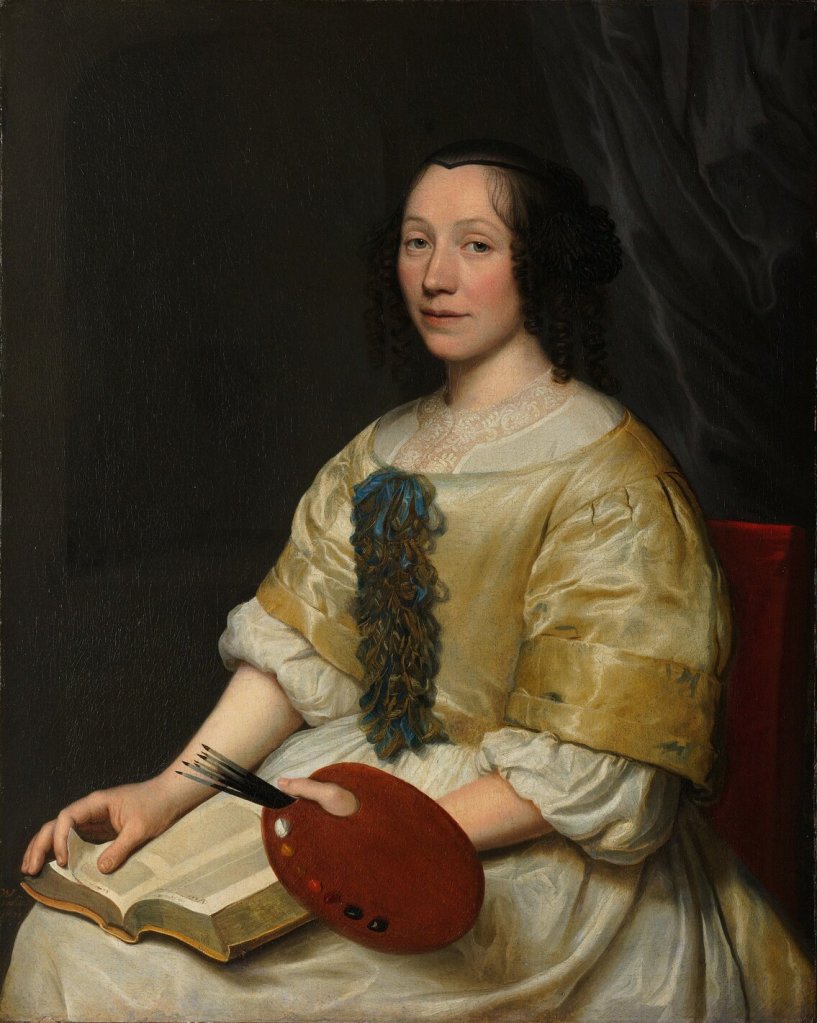
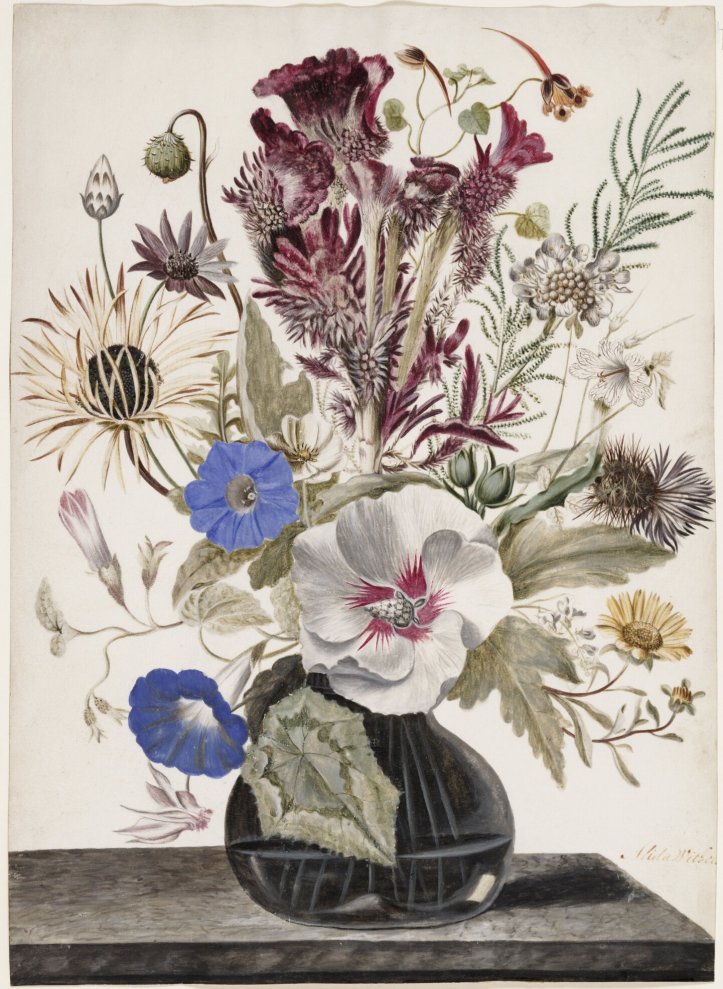
What immediately distinguishes the exhibition is the breadth of forms through which this argument is made. Paintings and prints appear alongside sculpture, lace, textiles and paper cuttings, allowing the exhibition to move beyond inherited hierarchies that have long privileged oil painting as the primary bearer of artistic prestige. Here, delicacy becomes a form of authority. Materials often dismissed as decorative acquire intellectual and cultural weight, revealing how artistic practice for women frequently occupied spaces that conventional art history has struggled to read with equal seriousness.
Certain names resonate with established familiarity: Rachel Ruysch with her luminous botanical intelligence, Judith Leyster with her remarkable assurance, and Clara Peeters whose surfaces still carry an extraordinary quiet tension. Yet the strength of Unforgettable lies equally in the presence of artists less frequently encountered, among them Johanna Koerten and Maria Faydherbe, whose work broadens the exhibition’s visual and conceptual vocabulary. Rather than assembling isolated exceptions, the exhibition suggests a dense field of female production that historical narratives later thinned out.
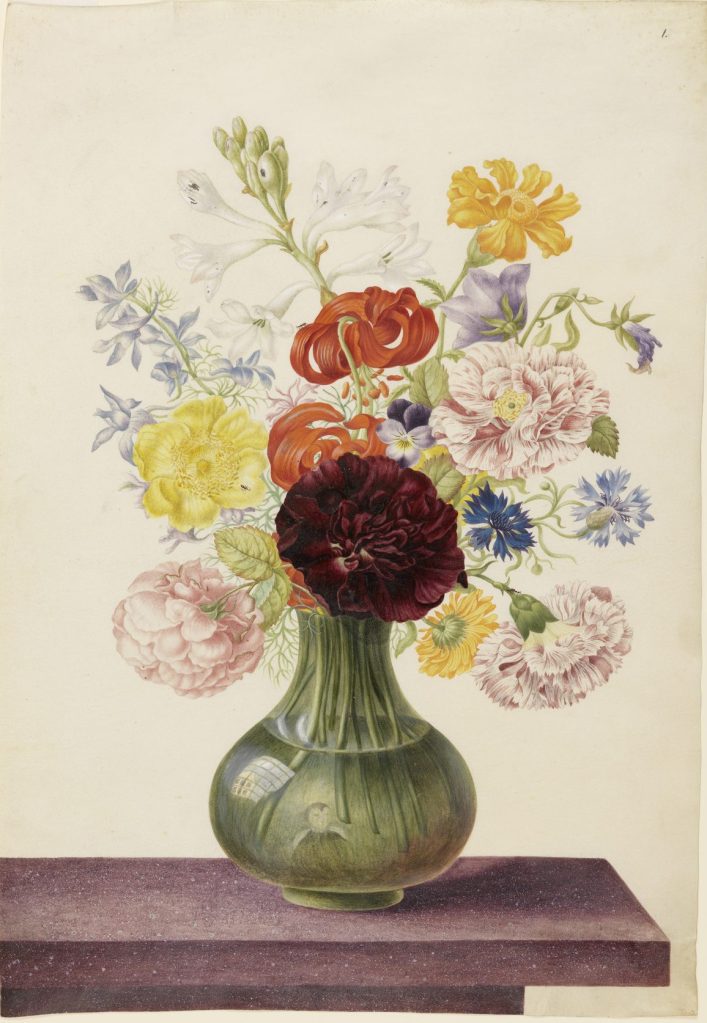
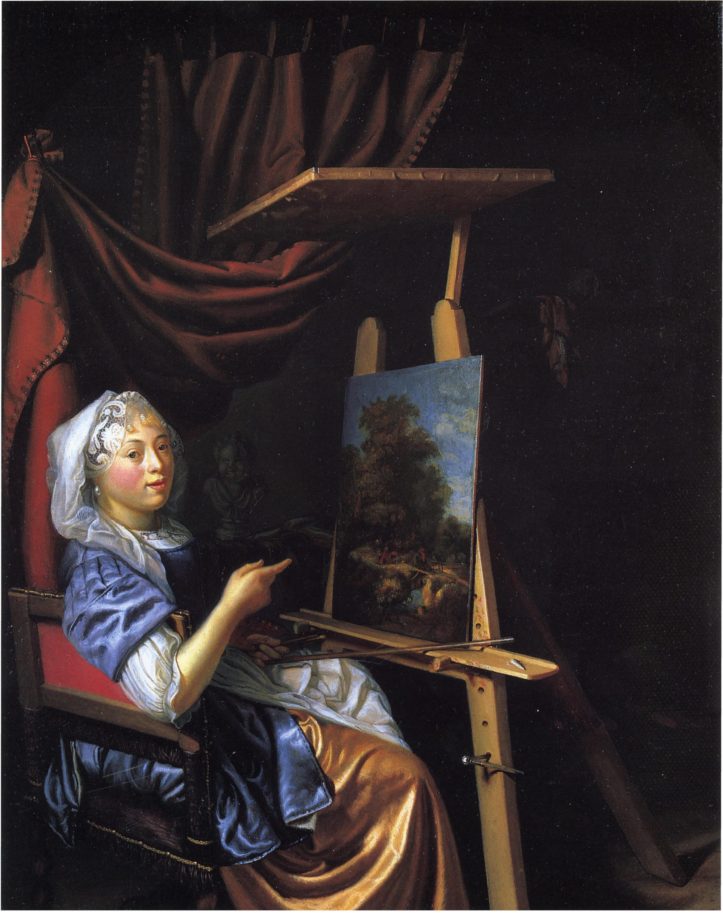
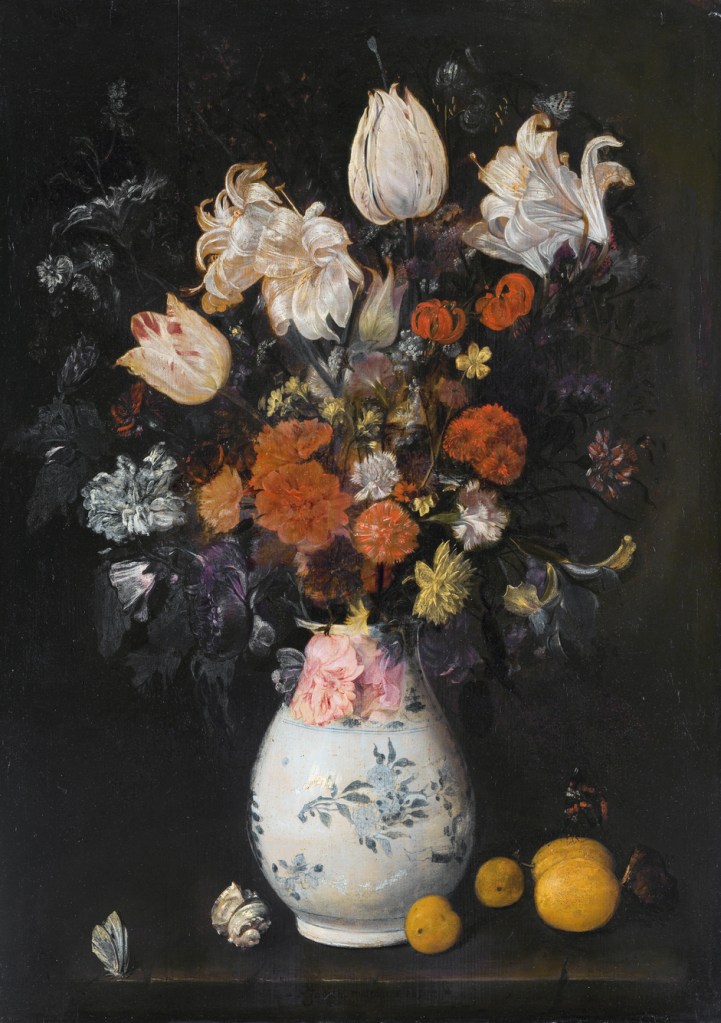
The curatorial structure follows thematic lines, asking how family structures, education, workshop economies and social expectations shaped women’s access to artistic practice. This approach allows biography to remain present without becoming deterministic. What emerges instead is a set of negotiated positions: women working through kinship, patronage, collaboration, and occasionally against the limitations imposed by all three. The exhibition’s central question, why artists admired in their own lifetime became comparatively invisible later, remains its most quietly radical proposition.
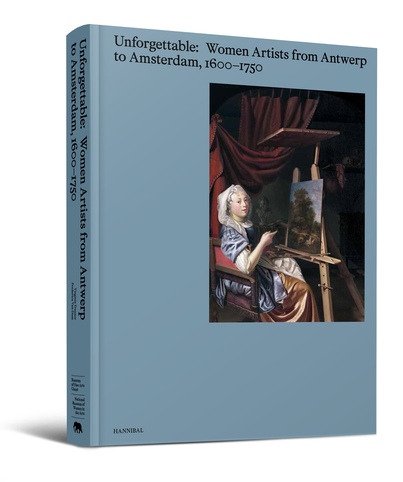
That same research extends into the accompanying catalogue, published by Hannibal Books, which broadens the exhibition’s scope by gathering more than fifty women artists across multiple disciplines, from botanical illustration to lace-making. Beautifully illustrated and conceived less as a conventional catalogue than as an act of scholarly restitution, the volume reinforces the exhibition’s wider ambition: not simply to recover forgotten names, but to reshape the framework through which early modern artistic production in the Low Countries is understood.
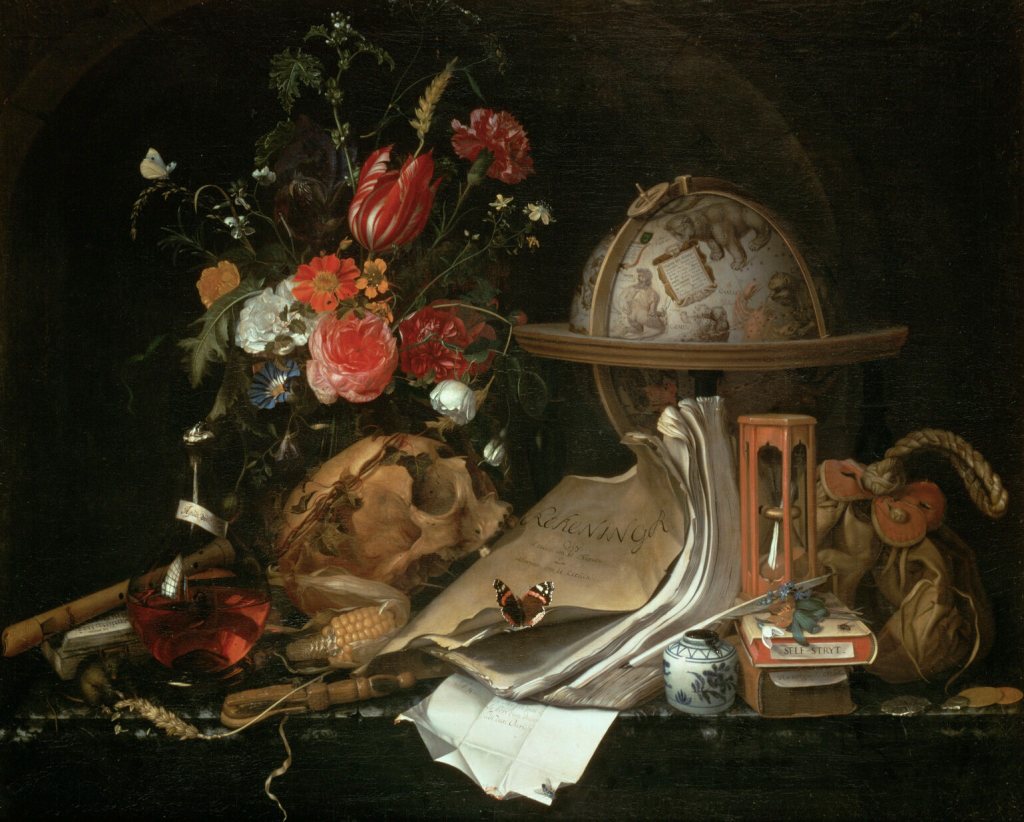
Kunsthistorisches Museum, Vienna
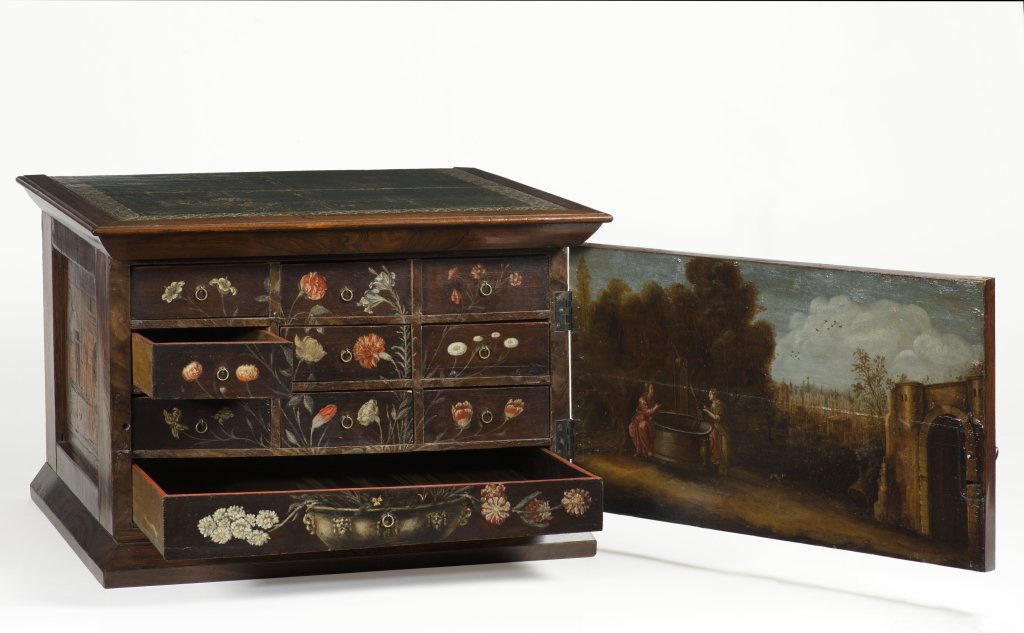
credit Stedelijk Museum, Alkmaar
The collaboration with National Museum of Women in the Arts, in Washington places the exhibition within a broader transatlantic movement of institutional reassessment, while the public campaign in Ghent, with statements such as ‘Muse or Master’, deliberately confronts the persistence of familiar myths around authorship and recognition.
What Unforgettable offers, finally, is not simply restitution but continuity. These works do not appear as rediscovered fragments from a lost tradition; they suggest that the tradition itself was always more complex, more porous, and more shared than later accounts allowed. The exhibition invites viewers to recognise that what has been forgotten was never absent, only insufficiently named
 The Flora Journal