‘The Gardens of Mien Ruys: Strong Design, Lush Planting, and the Origins of the Modernist Garden’ published by Timber Press, is more than a beautifully produced horticultural monograph: it is a long-overdue recognition of one of the most influential figures in twentieth-century garden design. Written by Conny den Hollander, current head of the Mien Ruys Gardens, this first authorized English-language volume offers both an intimate portrait of Mien Ruys’s life and a richly documented exploration of the gardens where her ideas took shape over the course of nearly a century.
Widely regarded as the mother of the modernist garden, Mien Ruys (1904-1999) emerges here not simply as a designer of remarkable aesthetic clarity, but as a thinker whose work anticipated many of today’s most urgent conversations around ecological planting, accessibility, and the social function of green space. What makes the book especially compelling is its ability to situate Ruys historically while also revealing how contemporary her work remains. Her rejection of ornamental excess and aristocratic exclusivity now reads as strikingly modern: gardens, in her view, were not decorative luxuries but living spaces for everyday use.
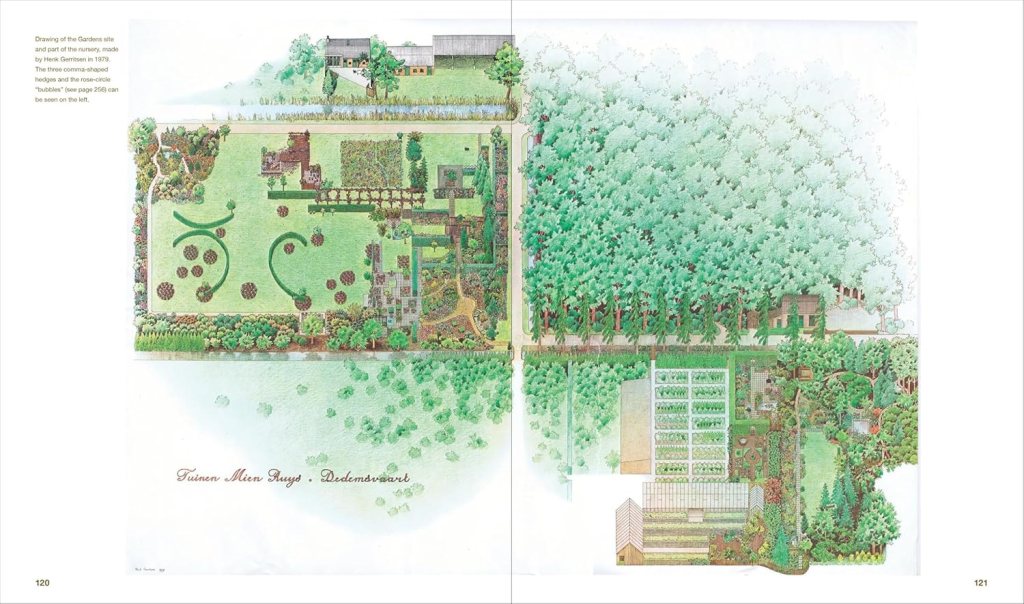
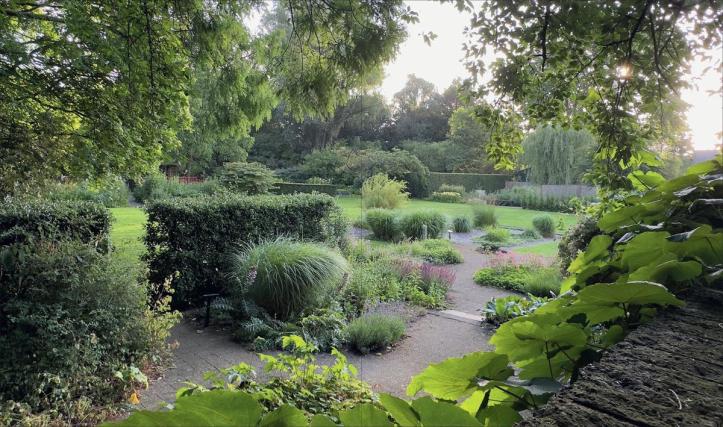
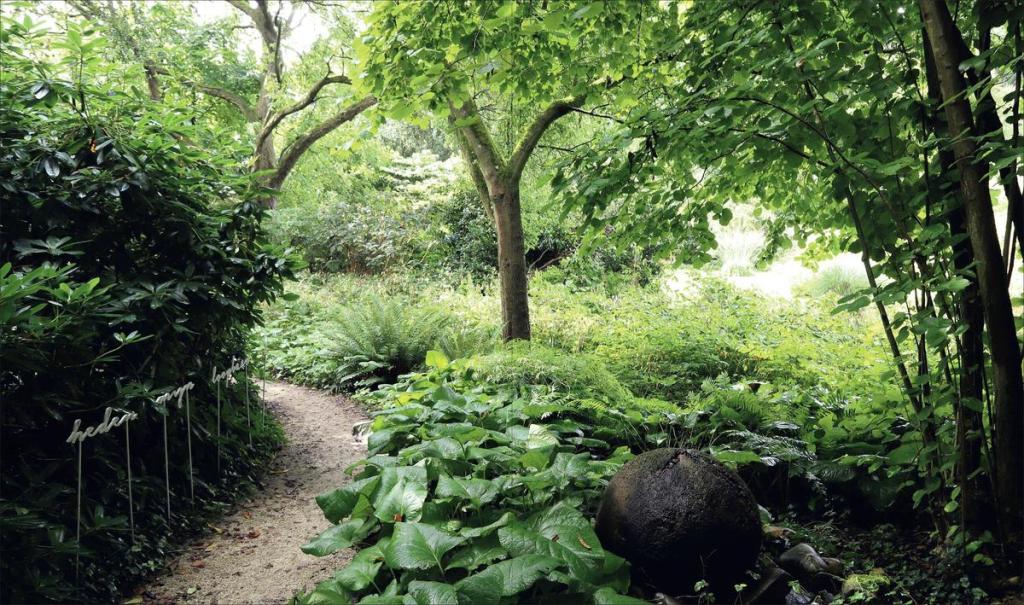
The book’s greatest strength lies in showing how deeply Ruys’s innovations were rooted in experimentation. The gardens at Dedemsvaart become a kind of open-air laboratory, where structure, material, and planting were constantly tested and refined. Concrete edging, exposed gravel, railway sleepers, and sharply defined geometric layouts are among the elements Ruys introduced long before such materials became familiar in landscape design. Yet the book makes clear that her modernism was never cold or doctrinaire. Strong lines are consistently softened by generous perennial planting, seasonal change, and an extraordinary sensitivity to texture.
Conny den Hollander writes with authority born of long stewardship, and her familiarity with the site gives the narrative unusual depth. Rather than presenting Ruys as a distant icon, she reconstructs a working process: one based on observation, revision, and close botanical knowledge. Particularly valuable are the reproductions of original planting plans, which demonstrate Ruys’s mastery of rhythm and repetition, and reveal how carefully she balanced formal design with horticultural abundance.
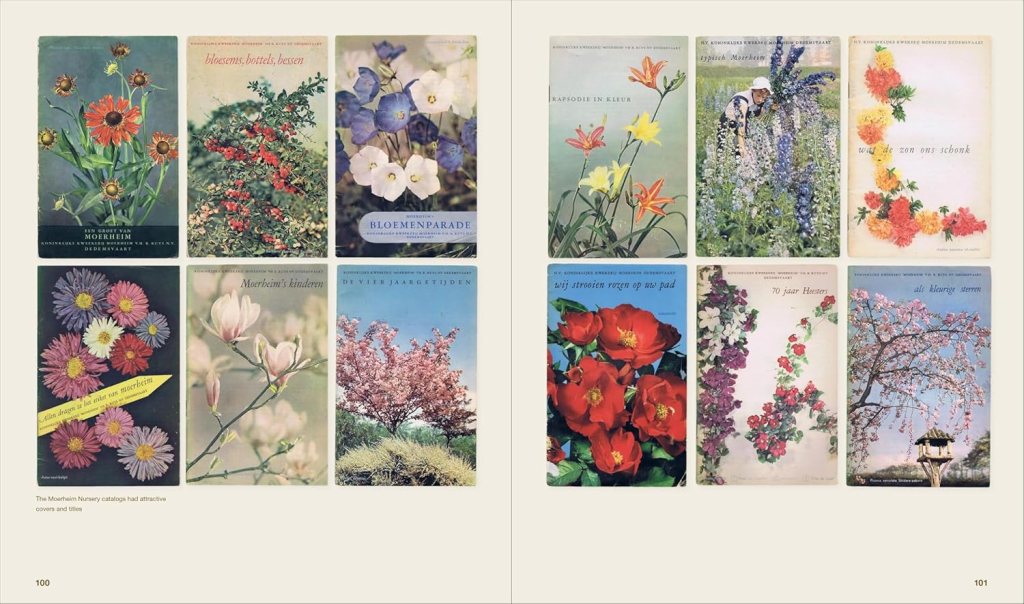
The illustrated biography also foregrounds an important feminist dimension. Ruys appears as a woman who entered and reshaped a male-dominated discipline through intellectual rigor rather than manifesto. She democratized garden design by focusing on small plots, urban conditions, and practical solutions, offering alternatives to lawn-centered, labor-intensive models that still dominate popular imagination. In this sense, her work anticipated both contemporary sustainable gardening and the renewed interest in naturalistic planting associated with later designers.
Especially appealing for practitioners is the book’s practical section: advice on designing a small garden in the Ruys style and the inclusion of her one hundred favorite plants transform the volume from historical study into a working resource. This dual character, archive and manual, makes the book unusually useful.
Elegant, generous, and historically important, ‘The Gardens of Mien Ruys’ restores to international attention a designer whose influence has often been absorbed without sufficient acknowledgment. It is not only a tribute to a remarkable legacy, but a reminder that many ideas considered contemporary in garden design were already being explored, with quiet radicalism, decades ago.
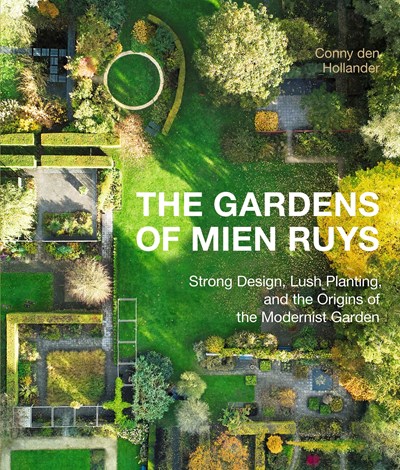
credit Timber Press
 The Flora Journal