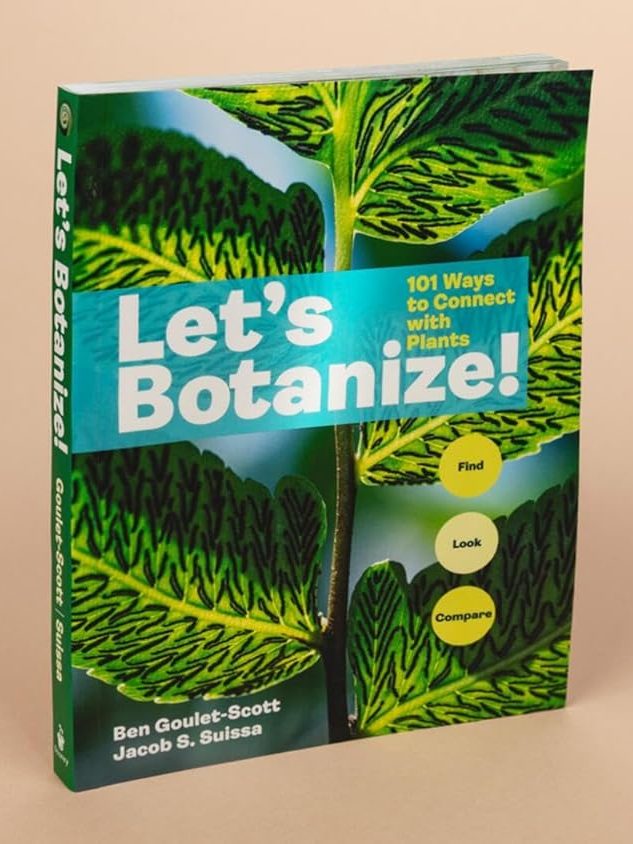
In an age when many people seek slower, more attentive ways of engaging with the natural world, Let’s Botanize: 101 Ways to Connect with Plants offers a timely and unexpectedly joyful invitation to look more closely at the greenery that surrounds us every day. Written by Ben Goulet-Scott and Jacob S. Suissa, and published by Storey Publishing, the book proposes something both simple and radical: that plants deserve the same curiosity, patience, and affection that birdwatching has long inspired.
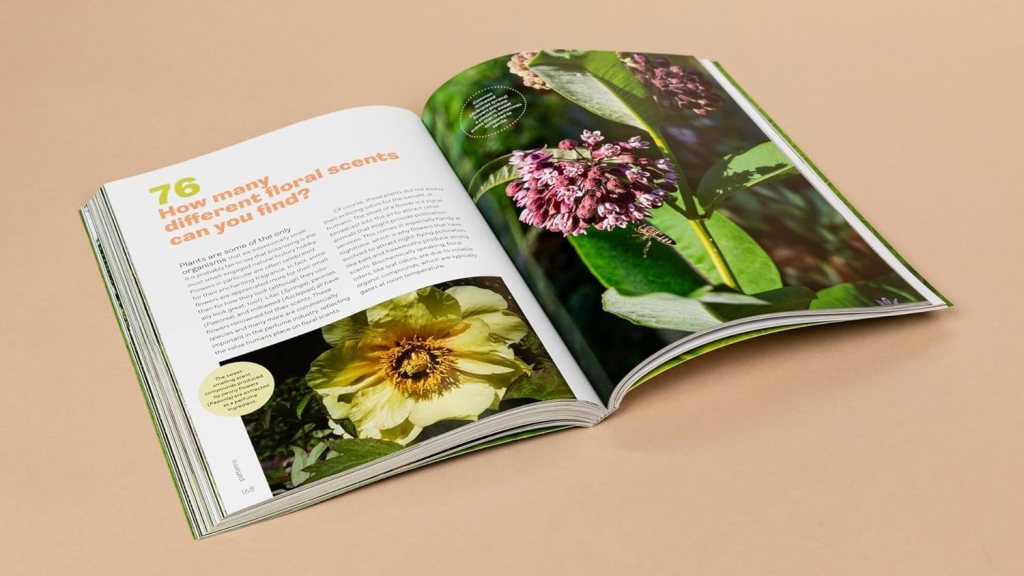
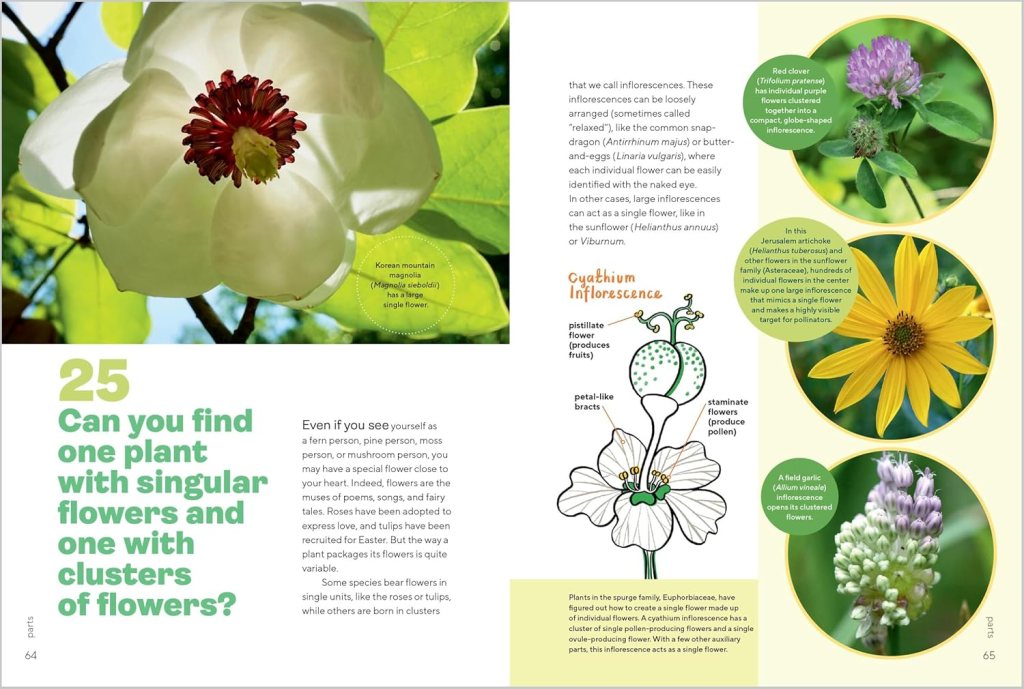
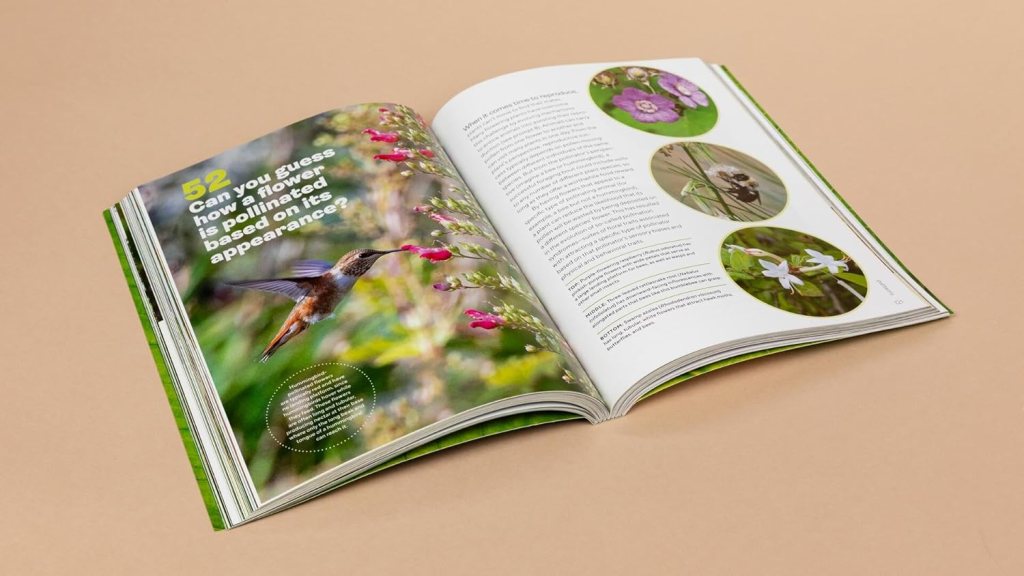
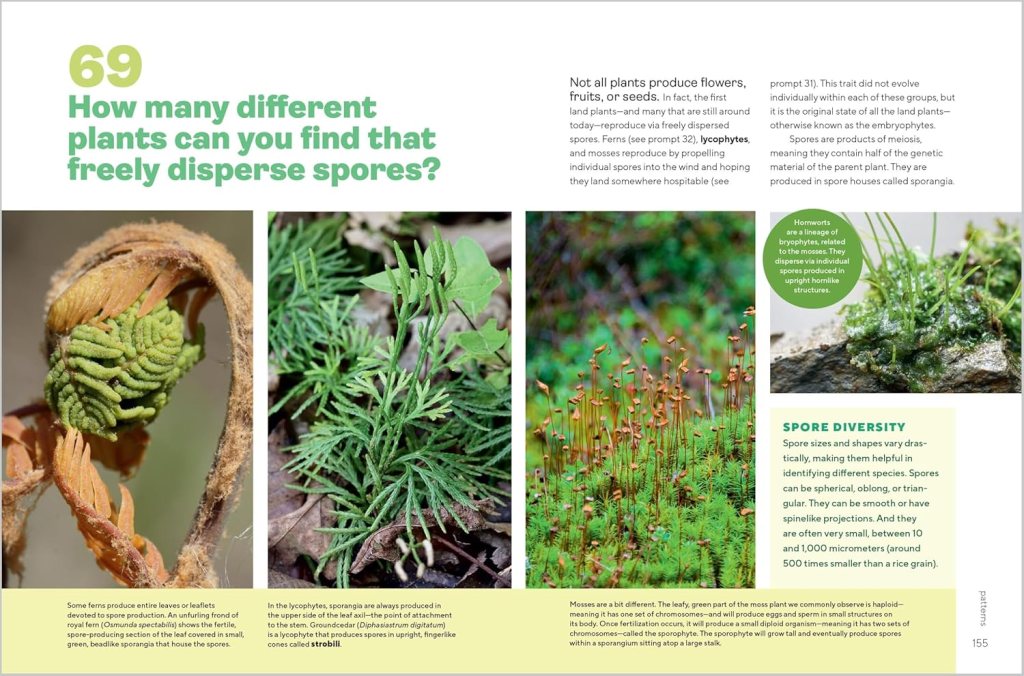
The premise is immediately appealing. Rather than functioning as a conventional field guide filled with taxonomic detail and identification keys, Let’s Botanize! encourages readers to develop observational habits through 101 short prompts designed to sharpen attention and awaken curiosity. Readers are asked to notice details that often go overlooked: whether a bud has hairs or scales, which plant part displays the brightest colour without being a flower, or what sounds can be heard when standing quietly among vegetation. These questions transform ordinary encounters into acts of discovery.
What makes the book particularly effective is its accessibility. Goulet-Scott and Suissa, both trained evolutionary biologists with doctorates from Harvard University, avoid scientific intimidation without sacrificing intellectual depth. Their expertise is present not through dense terminology, but through carefully framed prompts that reveal how much biological complexity exists in everyday environments. A pavement crack, a kitchen herb, or a tree on a commuter route becomes an entry point into botanical thinking.
The central idea that “botanizing is the new birding” is more than a clever slogan. It reflects a cultural shift toward forms of nature engagement that are slower, more intimate, and less dependent on specialist knowledge. Birding often begins with naming species; botanizing here begins with paying attention. That distinction gives the book unusual democratic appeal: one does not need countryside access, equipment, or prior knowledge to participate.
The visual dimension also matters. The promise of lush photography supports the text’s pedagogical ambition, making the book attractive not only as a guide but as an object readers may want to revisit seasonally. The prompts are designed to be repeated in different climates, times of year, and ecosystems, which gives the project an almost meditative quality. A tree observed in March becomes a different subject in October; familiarity deepens rather than exhausts wonder.
The authors’ wider mission through their educational non-profit Let’s Botanize, promoting care for plants as a pathway to care for the planet, gives the book quiet ethical resonance without becoming didactic. Environmental awareness emerges through intimacy rather than alarmism.
In paperback, Let’s Botanize: 101 Ways to Connect with Plants is likely to appeal to readers interested in nature writing, mindfulness, informal science, and outdoor education. More importantly, it offers a gentle corrective to modern distraction: an argument that attention itself can be a meaningful ecological practice.
In that sense, Goulet-Scott and Suissa have produced more than a handbook. They have created an invitation to notice life more carefully and perhaps to value it more deeply.
 The Flora Journal