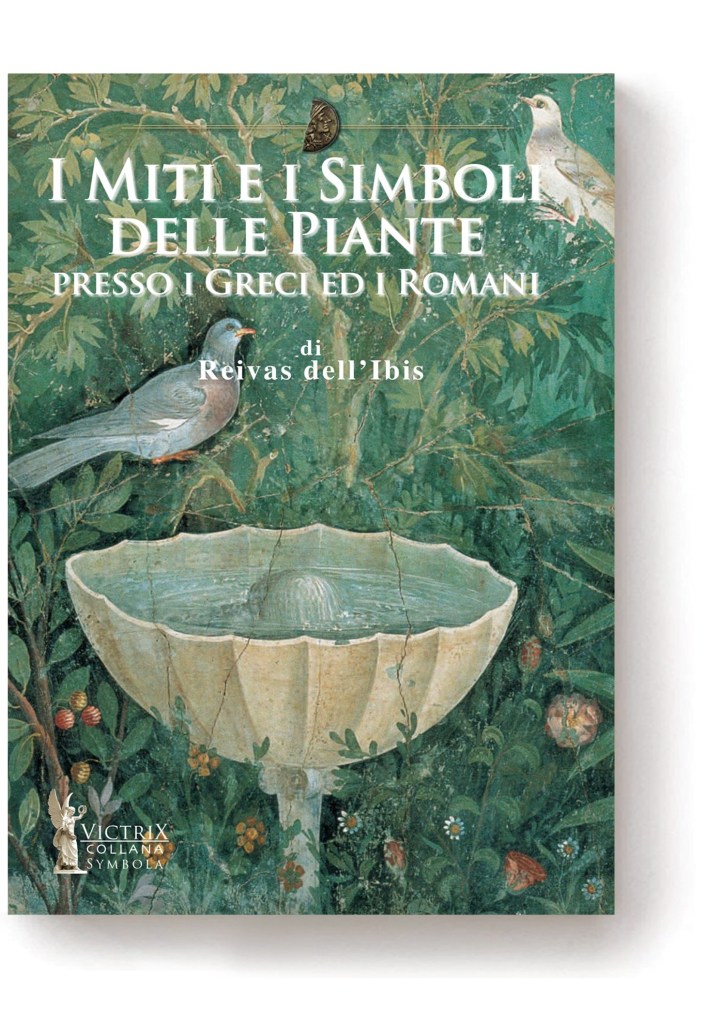
I miti e i simboli delle piante presso i Greci e i Romani (Myths and Symbols of Plants among the Greeks and Romans) by Reivas dell’Ibis, republished by Victrix Edizioni, brings back into circulation a rare work of botanical and symbolic scholarship whose original edition dates to 1857. The volume belongs to that nineteenth-century intellectual tradition which sought to reinterpret the symbolic heritage of antiquity as a repository of scientific, philosophical, and cultural knowledge preserved through allegorical language.
The book offers far more than a simple inventory of plants in Greek and Roman culture: it reconstructs an entire intellectual horizon in which vegetal life, mythological imagination, and empirical observation were deeply interconnected. Its central argument is that much of ancient physical and philosophical knowledge has reached modern readers in altered form, obscured by mythological transmission and symbolic transformation accumulated over centuries. In this perspective, Reivas dell’Ibis treats myth not as literary ornament, but as a coded system through which ancient civilizations preserved and communicated their understanding of nature.
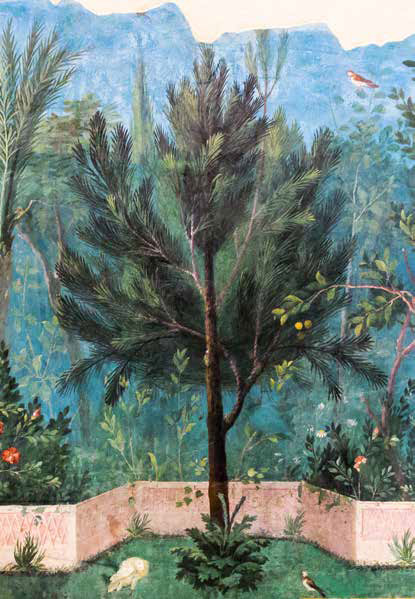
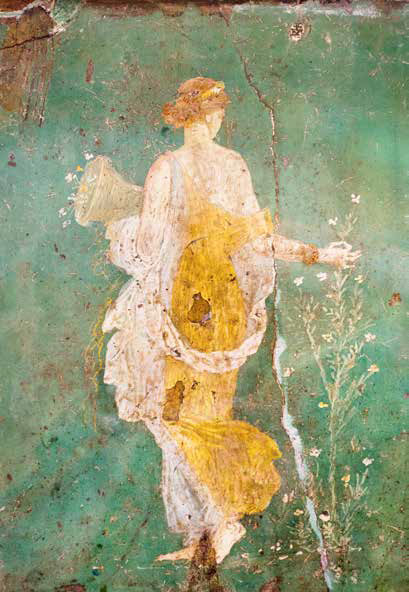
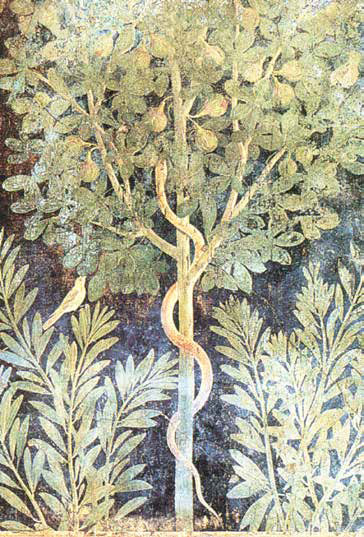
One of the most compelling aspects of the volume is its ability to connect mythology with early botanical thought. The opening chapter, devoted to vital force and to the influence of air, soil, temperature, water, humidity, sunlight, and moonlight on plants, demonstrates how carefully ancient observers examined vegetal life. Discussions of fertilization, sexuality, germination, and growth reveal that Greek and Roman cultures often embedded empirical insight within symbolic narratives. Rather than separating science from myth, the text shows how both belonged to a unified explanatory framework.
The following chapters develop a broad and well-structured botanical-symbolic catalogue. Forest trees, sacred shrubs, wild herbs, aquatic plants, and cultivated species are interpreted as living presences charged with religious, civic, and moral significance. Pine, cypress, laurel, myrtle, oak, vine, olive, fig, and pomegranate become interpretative keys for understanding how the ancient world linked nature and culture.
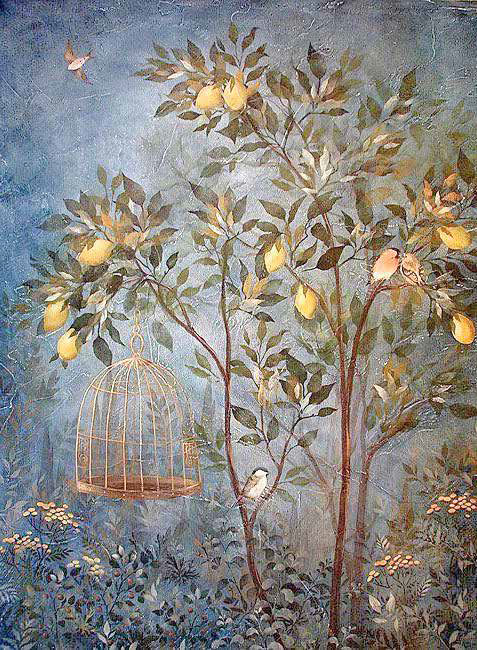
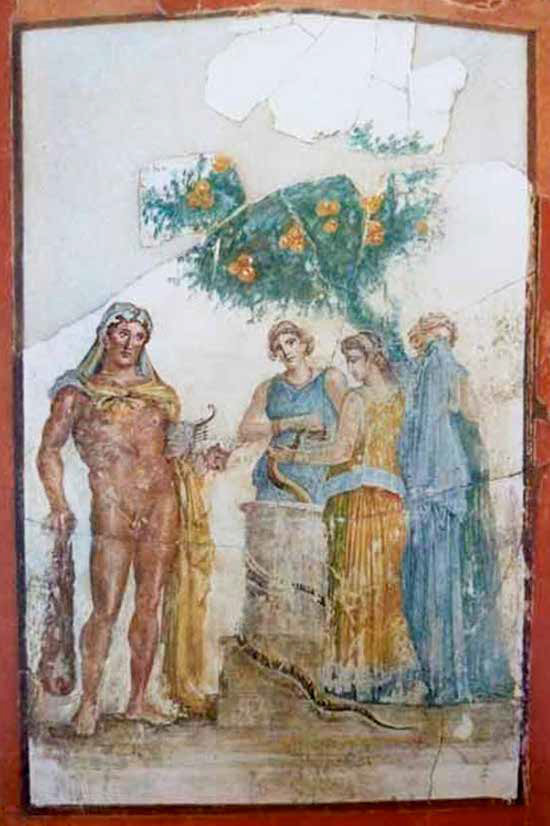
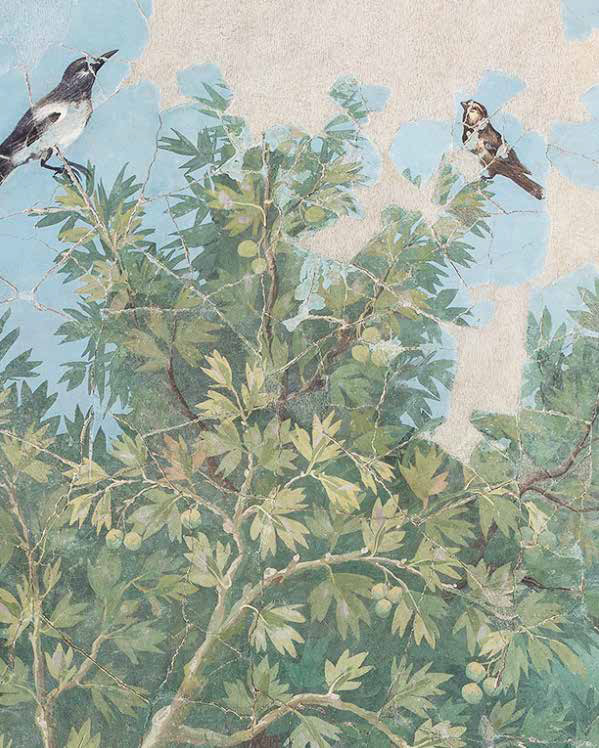
Particularly valuable is the nineteenth-century scholarly character of the work itself. Its language preserves the argumentative density and encyclopedic ambition typical of nineteenth-century scientific culture, an aspect that today adds historical depth, allowing the reader to appreciate not only ancient thought but also the way the modern age first attempted to decode classical symbolic systems.
The sections devoted to cultivated plants are equally rich, showing how species associated with nourishment such as barley, wheat, beans, garlic, onion, poppy, cabbage, flax, and millet, also carried symbolic meanings connected to fertility, ritual, and everyday social life. Fruit-bearing trees, including vine, olive, fig, quince, almond, walnut, and apple, are presented as bridges between subsistence, sacred practice, and mythic imagination.
Ultimately, this republication restores visibility to a rare text in which the vegetal world emerges as a genuine symbolic archive of ancient knowledge. I miti e i simboli delle piante presso i Greci e i Romani remains highly valuable for scholars of classical studies, cultural botany, comparative symbolism, and environmental humanities, while also offering general readers an unusual perspective on how ancient civilizations understood the natural world.
 The Flora Journal