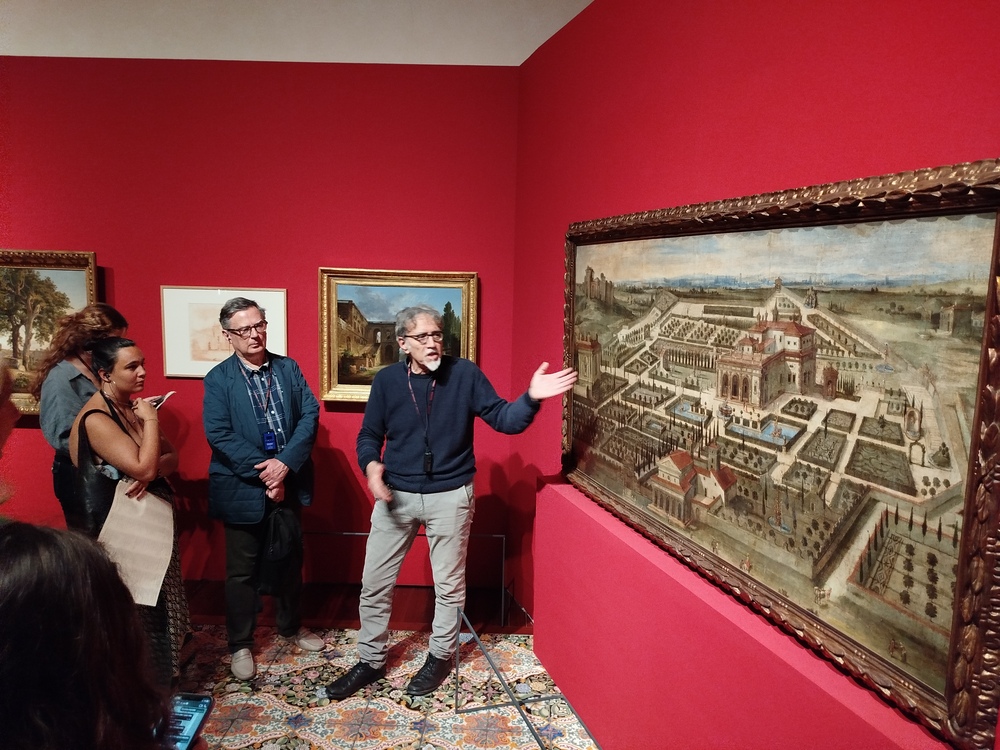
The exhibition ‘Ville e Giardini di Roma. Una corona di delizie‘ (Villas and Gardens of Rome. A Crown of Delights), closing on April 12 at the Museum of Rome in Palazzo Braschi, has offered a concise yet effective overview of the history of Rome’s landscape, through a path unfolding across 20 rooms and featuring almost 200 works, including paintings, drawings, and documents. It presents the evolution of villas from aristocratic residences to spaces gradually opened to the public.
This is not an entirely new subject: as early as 1972, a documentary exhibition had already drawn attention to Rome’s historic gardens, anticipating a line of research that now finds a broader and more comprehensive synthesis in the current show. Alongside the growing appreciation of these sites, the 20th century also saw the development of training programs for gardeners, often promoted by public services, which proved essential for the care and preservation of such a complex green heritage.
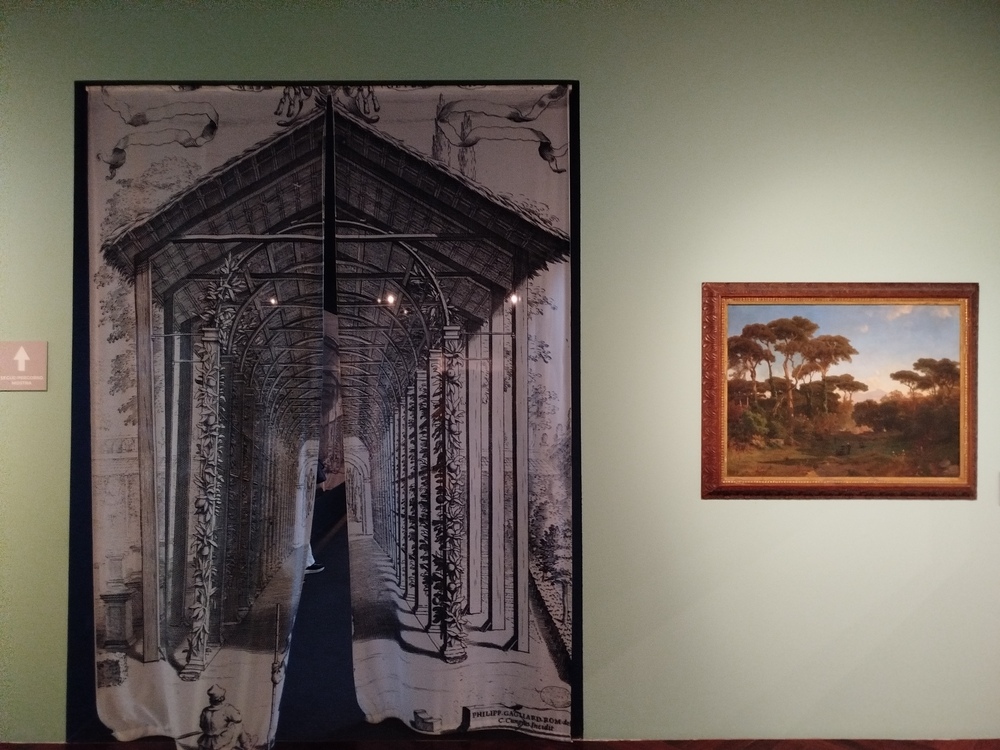
The pine forest of Villa Doria Pamphilj, 1870-1880 credit Museum of Rome
As curator Alessandro Cremona explained in a brief interview, the exhibition is the result of nearly twenty years of research. This long-term effort has come to fruition not only in the exhibition itself but also in the publication of a valuable catalogue, already being reprinted due to its success. He also emphasized how the exhibition has attracted strong interest, especially from local residents, fulfilling one of its main aims: encouraging Romans to rediscover and reconnect with this extraordinary yet often overlooked heritage.
Even after the exhibition closes, visitors can continue this journey by exploring the historic gardens that remain accessible throughout the city.
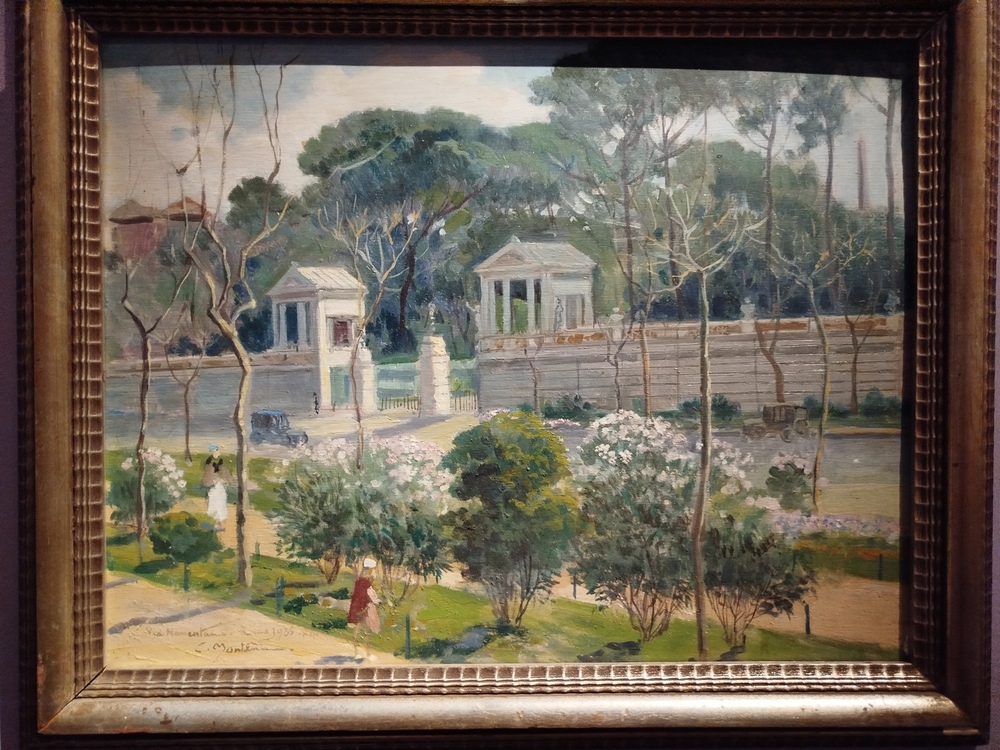
credit Museum of Rome
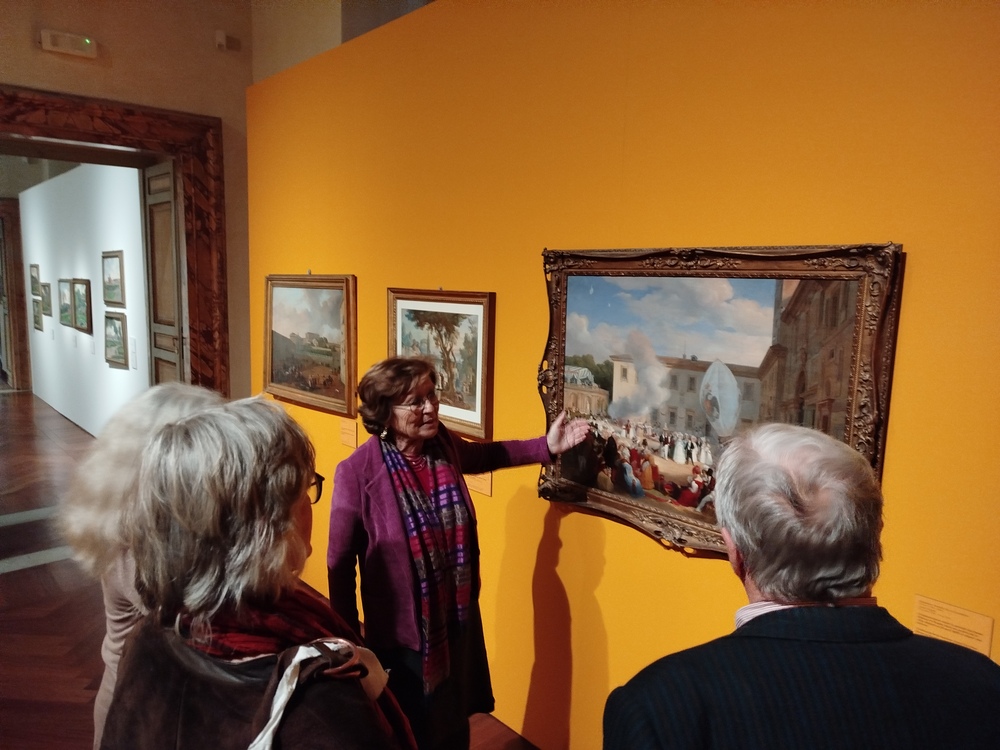
Among the most significant is Villa Borghese, a true green lung in the heart of Rome. Created in the 17th century as a pleasure villa for the Borghese family, it is now one of the city’s most beloved public parks, rich in tree-lined avenues, fountains, lakes, and scenic views. Within it lie museums, theaters, and cultural venues, as well as quieter, lesser-known areas. Among these are the so-called “secret gardens,” currently undergoing an important restoration project aimed at reopening these refined historic spaces, once reserved and characterized by sophisticated botanical and architectural design.
Also of great importance is Villa Medici, located on the Pincian Hill and home to the French Academy in Rome. Its gardens, among the most elegant in the city, combine Renaissance rigor with later interventions, offering a refined balance between nature and art. Geometric pathways, ancient statues, and panoramic views over Rome make it a place of remarkable charm, accessible today through guided tours.
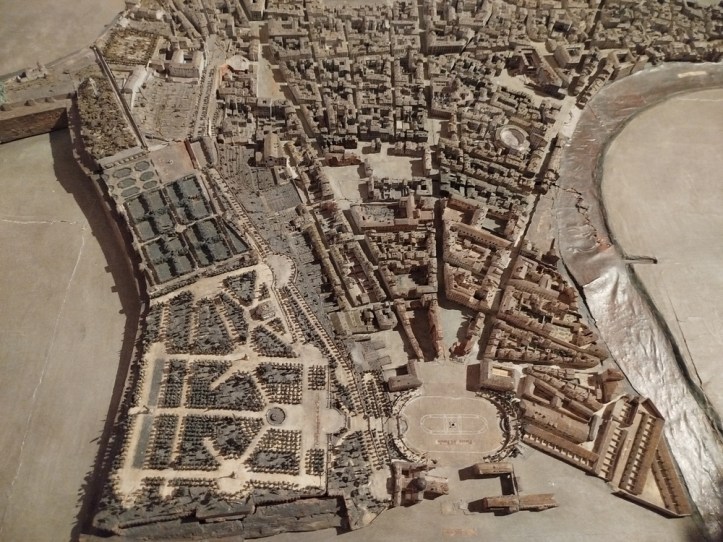
credit Museum of Rome
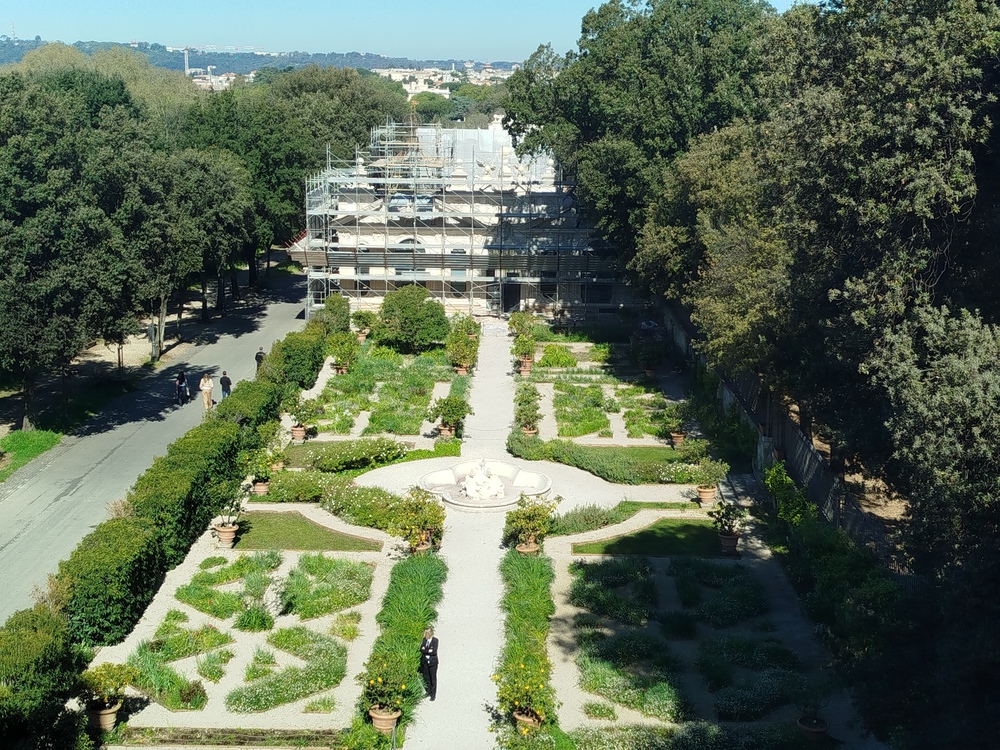
Villa Doria Pamphilj: symmetry and elegance in every corner. It is the largest park in Rome, covering over 180 hectares of manicured lawns, symmetrical gardens, and pathways that wind through historic architecture and natural areas. Its scale and variety make it one of the most frequented green spaces by Romans, ideal both for leisure and for experiencing a landscape that still preserves traces of its original Baroque design.
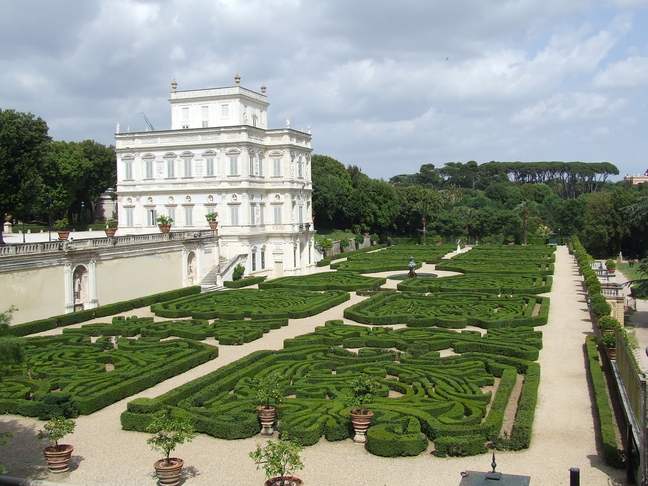
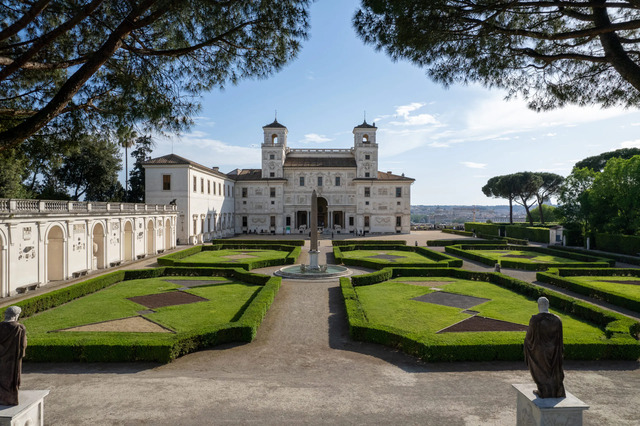
Finally, Villa Ada stands out as one of the city’s most expansive and natural green areas. Unlike more formal gardens, it features a more untamed landscape, with woodlands, clearings, and small lakes offering a freer, more immersive experience in nature. Once a royal hunting reserve, it is now a popular destination for walking, sports, and outdoor activities.
The closing of the exhibition therefore does not mark an end, but rather an invitation to continue the experience in person, strolling through these gardens that still embody the long and fascinating history of Rome’s green heritage.
 The Flora Journal