The exhibition “Ellas Ilustran Botánica” (“Women Illustrate Botany”) in Spain was conceived as an interdisciplinary research project dedicated to reconstructing the role of women in the history of botanical illustration, a field in which female contributions remained marginalized or insufficiently acknowledged for centuries. Promoted by the Consejo Superior de Investigaciones Científicas and the Universidad Complutense de Madrid, the initiative was developed by a research team including Toya Legido, Lucía Moreno Diz, Ana J. Revuelta and Mónica Gener, with the aim of restoring visibility to a female genealogy that has been fundamental to the construction of modern scientific culture.
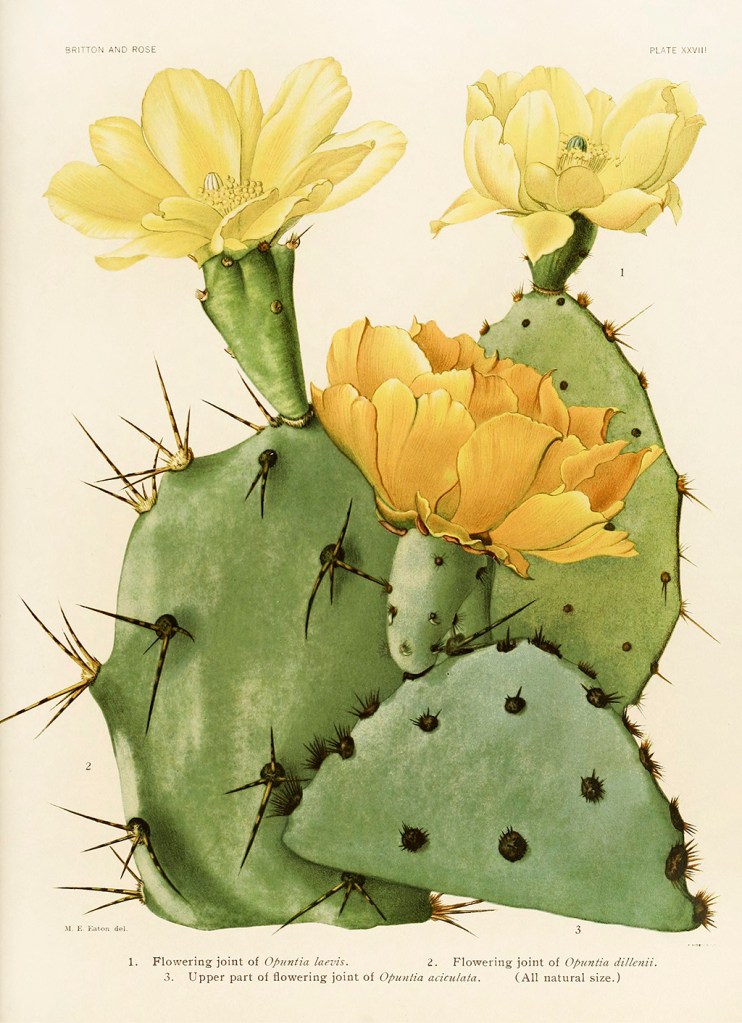
1919 credit New York Botanical Garden, LuEsther T Mertz Library, Biblioteca del Real Jardín Botánico de Madrid CSIC
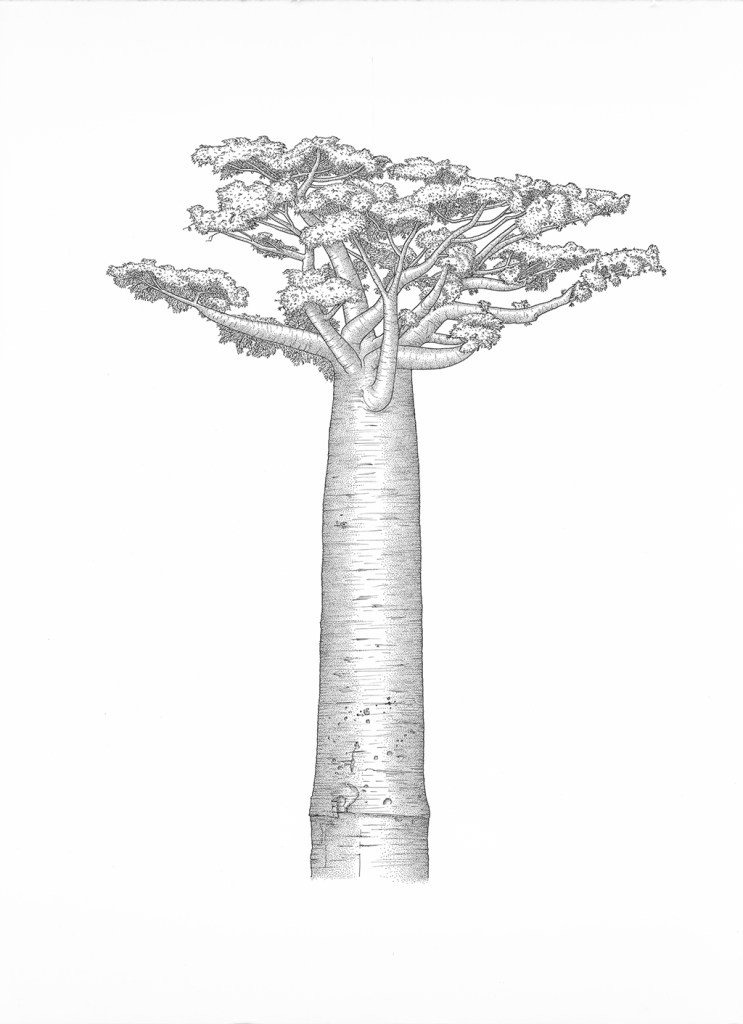
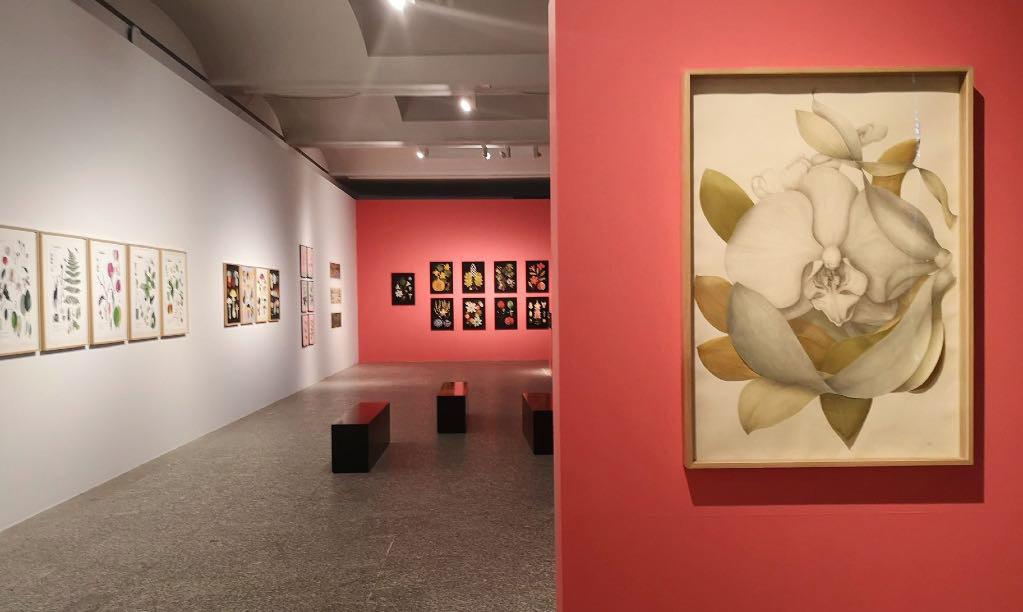
More than a conventional exhibition, the project functions as an evolving cultural platform: launched in 2020 as a historical research initiative, it gradually expanded its archive to include hundreds of women artists and more than three hundred works, ranging from books, illustrated plates and engravings to photographs, herbaria, sculptures and audiovisual materials. The exhibition demonstrates how botanical illustration offered many women a means of engaging with scientific knowledge, often during periods when female participation in academic disciplines was severely restricted.
The exhibition spans five centuries of floral representation, beginning with seventeenth-century figures such as Giovanna Garzoni, Anna Maria Vaiana and Alida Withoos, artists who often worked within family environments connected to artistic production. In the eighteenth century, figures such as Maria Sibylla Merian emerged as pioneers of scientific travel and modern naturalistic observation. During the nineteenth century, as botany entered female education, artists such as Mary Delany and Elizabeth Twining strengthened the relationship between education, science and botanical imagery.
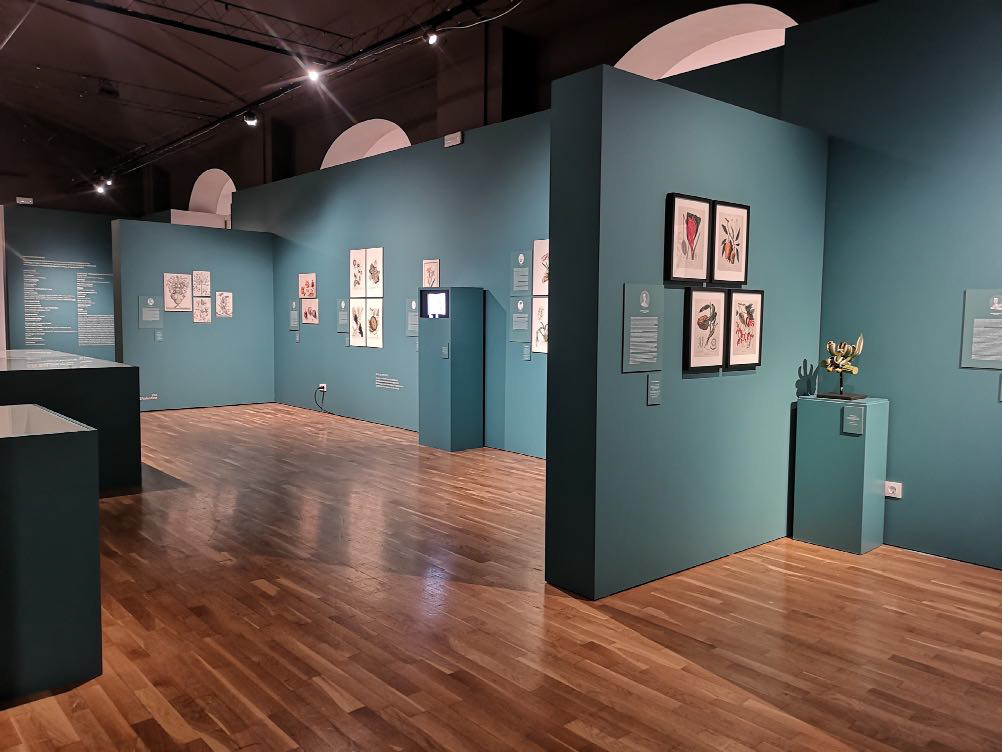
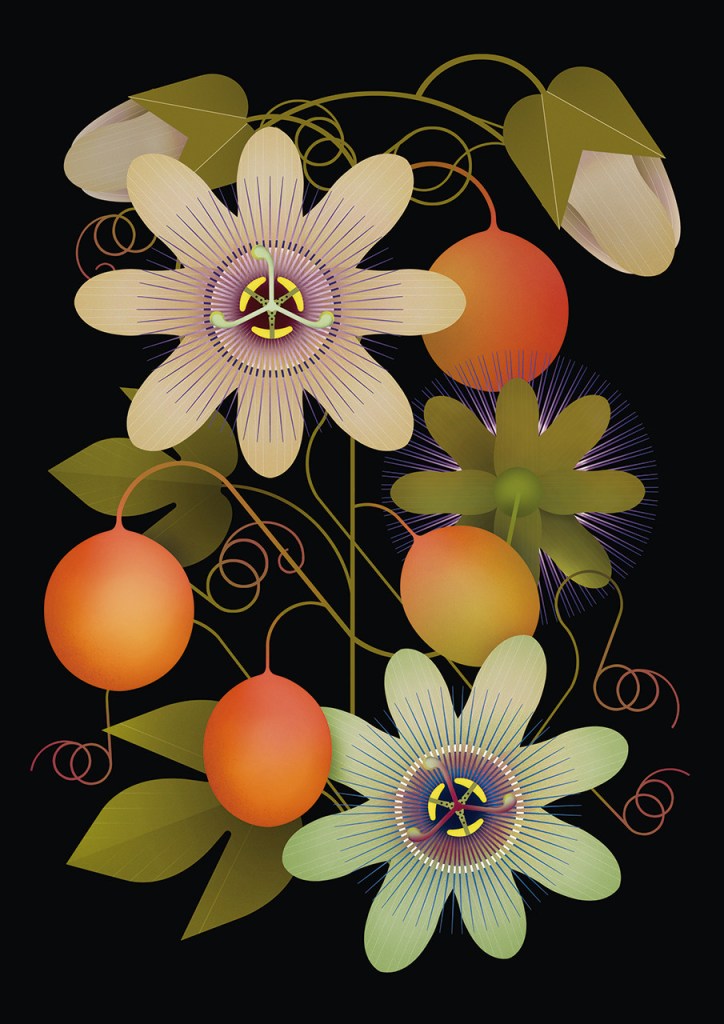
A central aspect of the project is the dialogue between historical tradition and contemporary practice. Alongside historical botanical plates, the exhibition includes contemporary illustrators who employ photography, microscopy, digital scanning and hybrid techniques to represent plant life. Artists such as Jeannette Klute, Claudia Fährenkemper and Katie Scott demonstrate how botanical imagery continues to function not only as a scientific tool but also as an autonomous visual language capable of moving across publishing, science communication and contemporary art.
From an exhibition perspective, “Ellas Ilustran Botánica” has developed a strong itinerant dimension. After its first presentation in Logroño, the project traveled to San Sebastián, Bergara, Madrid and later, in adapted form, to the Museu d’Història de Girona in Girona, where it contributed to an overall attendance exceeding fifty thousand visitors. Its next venue will be Huesca, from 16 May to 31 October, confirming the project’s ability to engage with different cultural contexts.
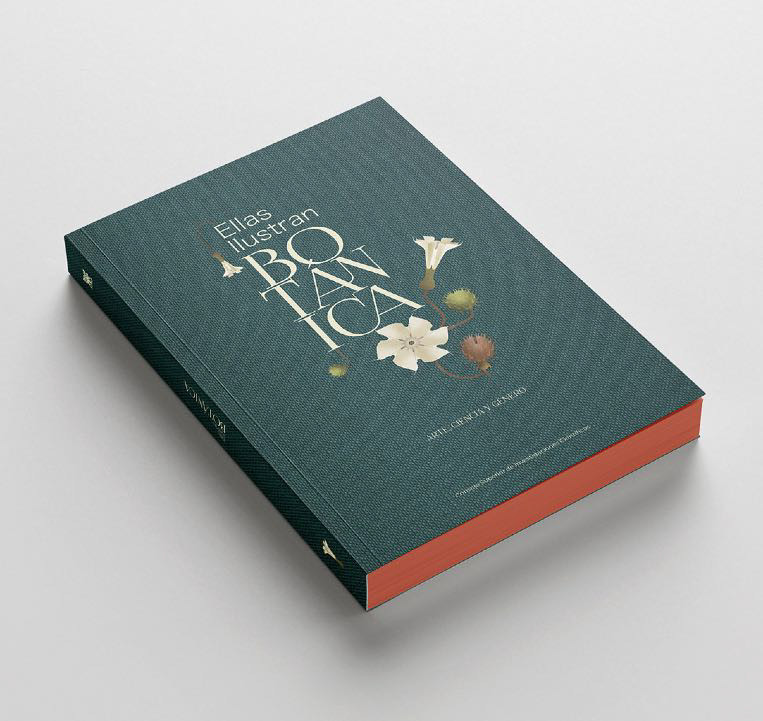
The scientific and cultural significance of the project is further reinforced by the publication of ‘Ellas ilustran botánica. Arte, Ciencia y Género‘, awarded by the Spanish Ministry of Culture as Best Art Book of 2023. In this sense, the exhibition does not merely present botanical images; it constructs a new historical narrative in which art, science and gender studies converge organically.
 The Flora Journal