Urban areas are the source of many of today’s environmental challenges, not surprisingly, since two out of three Europeans live in towns and cities. Local governments and authorities can provide the commitment and innovation needed to tackle and resolve many of these problems.
The European Commission’s Green City awards include two titles. The European Green Capital (EGC) is for cities over 100.000 habitants and the European Green Leaf (EGL) is for smaller cities as of 20.000 habitants. The awards recognize and reward local action towards a transition to a greener, more sustainable future. Winning cities include their citizens in this transition, improve the urban environment, combat pollution and mitigate and prepare for more resilience to climate change. A greener city is a place that attracts investors, tourists and provides a better quality of life for their citizens.
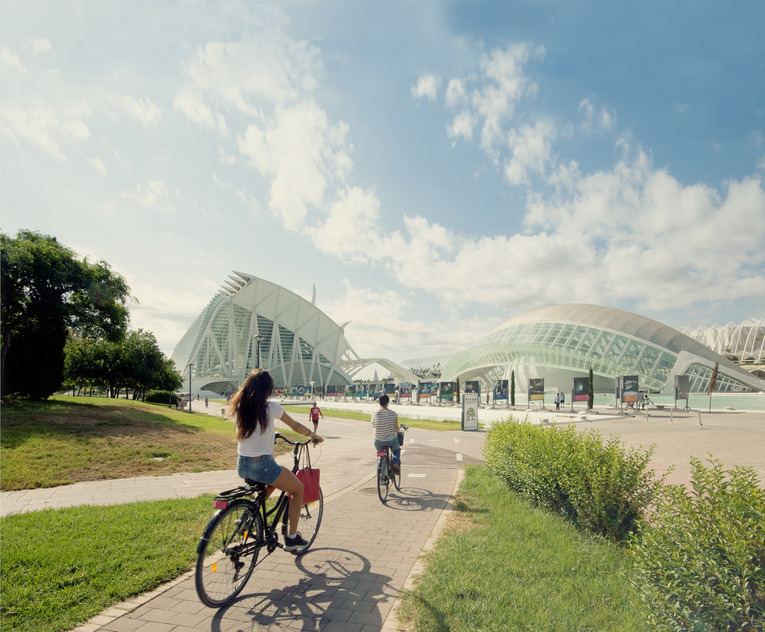
Valencia is located on the southeastern coast of Spain, counts 837,000 inhabitants and is the capital of the province that has the same name. The city earned the European Green Capital 2024 title due to its past and current achievements in the field of sustainable tourism, climate neutrality, as well as fair and inclusive green transition. Valencia has earned this recognition thanks to its model of sustainable urban development and it leading commitment to becoming a climate-neutral and smart city by 2030.
In addition to the creation and protection of green spaces, such as the Albufera Natural Park, the suburban orchard and the Turia Garden, the city is also involved in sustainable mobility initiatives, excellent urban waste management and the recovery of public spaces, such as the Town Hall Square and the Plaza de la Reina, among others.
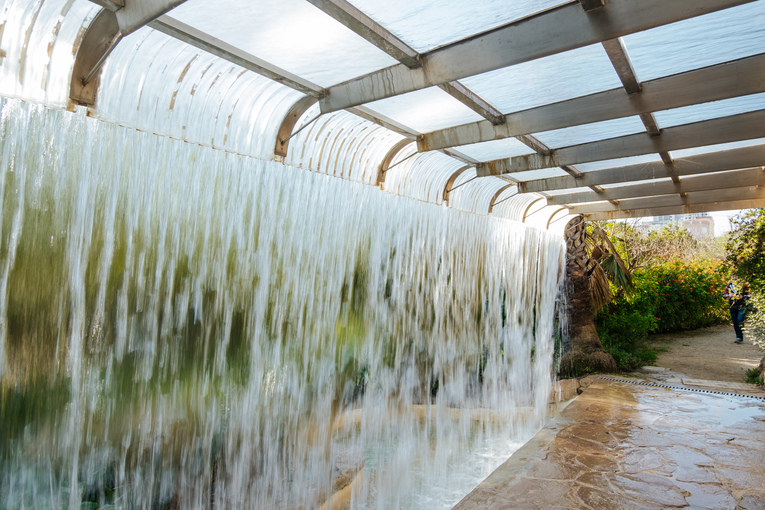
València has received numerous important sustainability credentials over the years, such as the title of European Capital of Smart Tourism 2022 and the Capital of Sustainable Food in 2017. It has also been a pioneer in measuring and offsetting the carbon and water footprint of tourism and is one of 100 cities selected by the European Union for the Cities Mission project, with the aim of achieving climate neutrality by 2030.
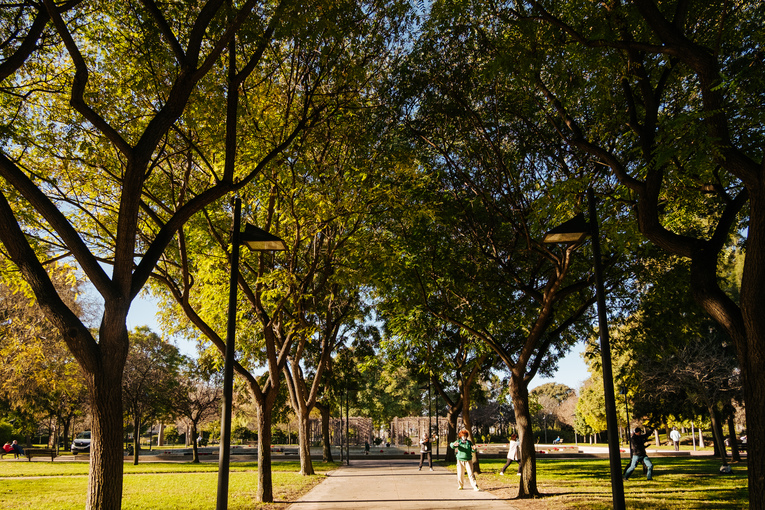
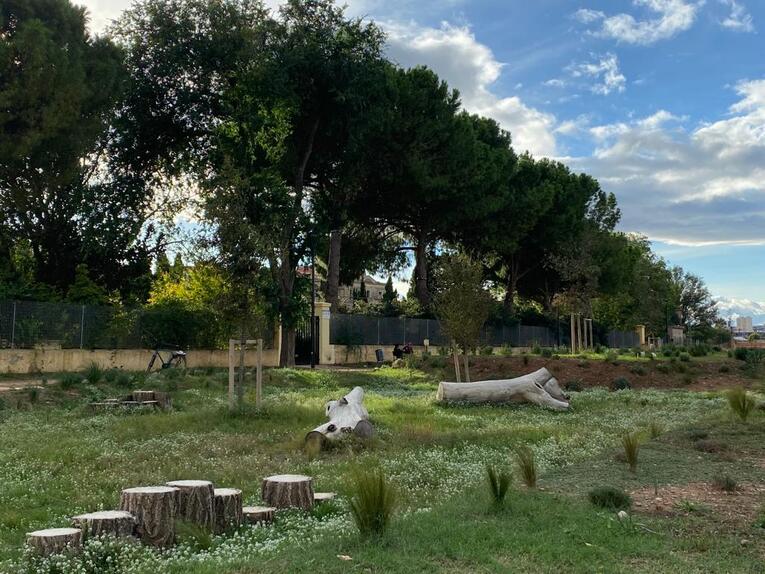
For this latest award, València had to pass an extensive sustainability test. 12 indicators were measured, including air, noise, waste, water, nature and biodiversity, land use, eco-innovation, climate change mitigation, climate change adaptation, mobility, energy efficiency and governance.
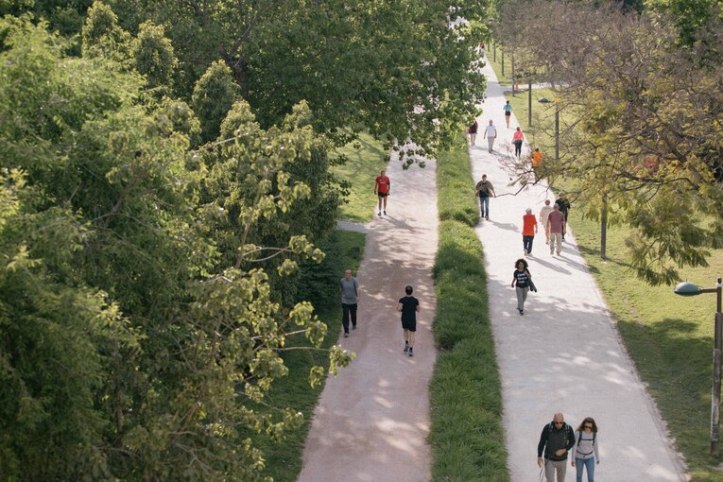
Visitors to València will find green landscapes everywhere. One of the jewels of the city is the Turia Garden, which is the old bed of the Turia river. Since it was opened in 1986 it has been changing and adapting to the city and its citizens and their way of life. With almost 300 acres of surface and at 12 kilometers in length, it is the longest urban park in Europe.
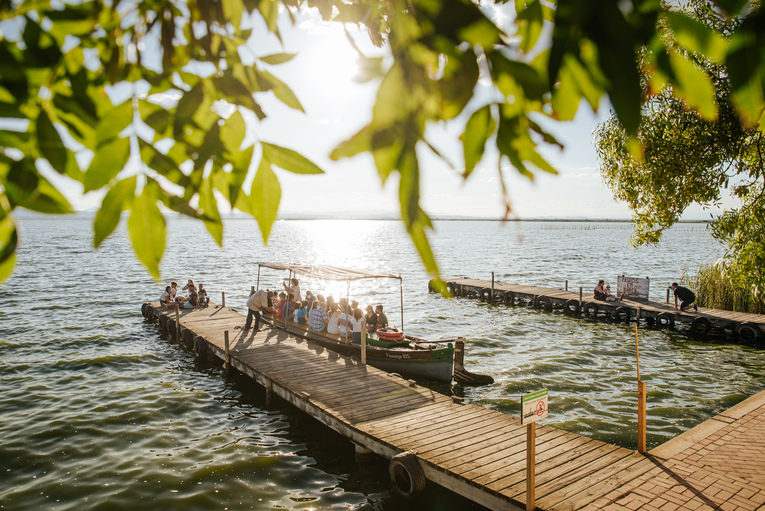
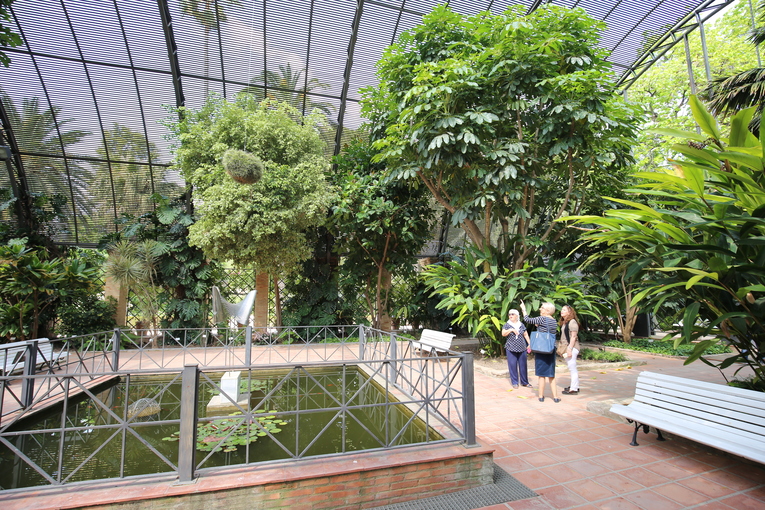
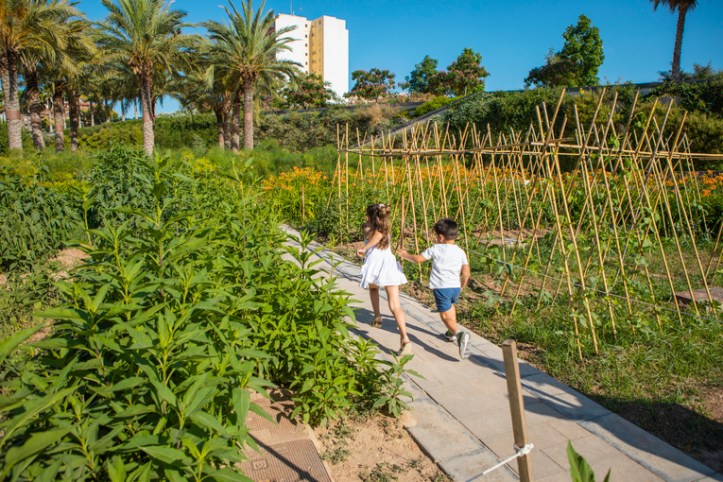
Other places, such as the Albufera Natural Park, the Turia Natural Park, the peri-urban orchard and the Mediterranean Sea, combine the main set of green and natural areas in the city of Valencia and its surroundings. Valencia has been experiencing various changes in recent years. The pedestrianization of the center and the surrounding areas have been transformed thanks to projects developed within the Urban Strategy 2030, which aims to make Valencia one of the first carbon-neutral European cities.
The recently opened Plaza de la Reina and the streets surrounding the Central Market (and soon the Plaza del Ayuntamiento) will free the center of Valencia from traffic to convert Valencia into a city for pedestrians. In addition, the streets of Valencia already have a network of more than 160 kilometers of bike lanes that help reduce emissions.
https://environment.ec.europa.eu/topics/urban-environment/european-green-capital-award_en
 The Flora Journal
[…] Valencia, Spain, a shining example of urban sustainability. It’s home to over 837,000 people4. This European Green Capital for 20244 has turned itself into a green oasis […]
LikeLike