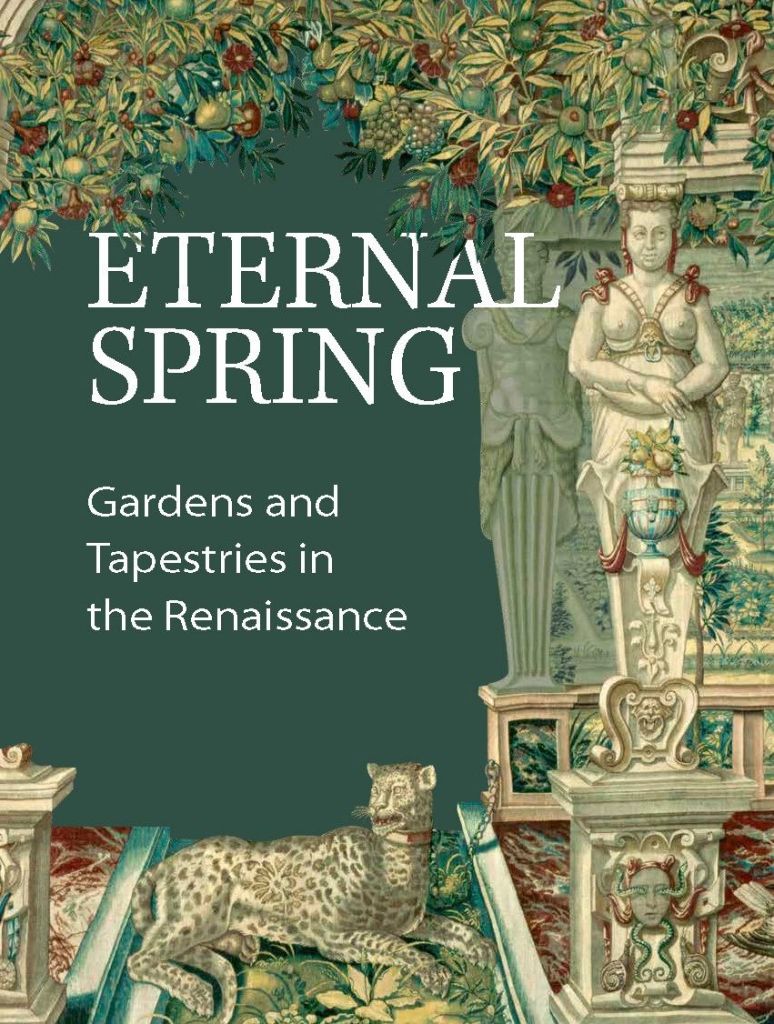
The Museum Hof van Busleyden in Mechelen, Belgium, presents Eternal Spring: Gardens and Tapestries in the Renaissance, an extraordinary exhibition open until March 16, 2025. This showcase brings together magnificent sixteenth-century Flemish tapestries, offering a rare glimpse into the opulence of Renaissance gardens and the artistic vision of Cardinal Antoine Perrenot de Granvelle.
By reuniting Granvelle’s iconic tapestries for the first time in 500 years, the exhibition explores the Renaissance fascination with nature, the symbolism of gardens, and the intersection of art, science, and human ambition.
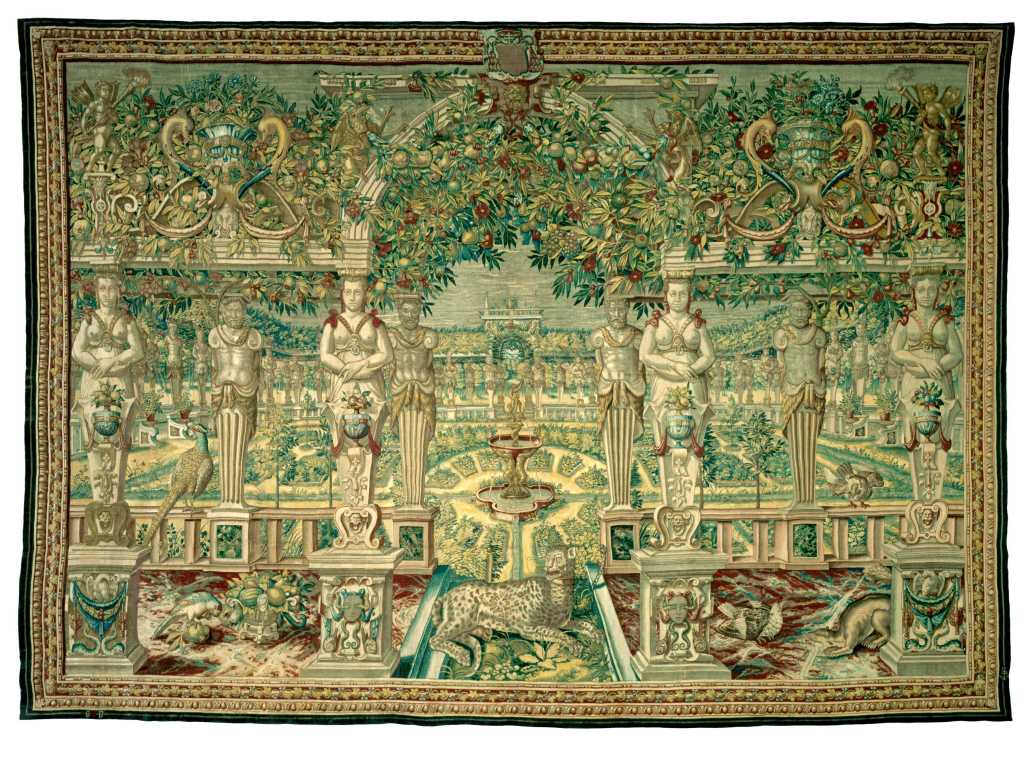
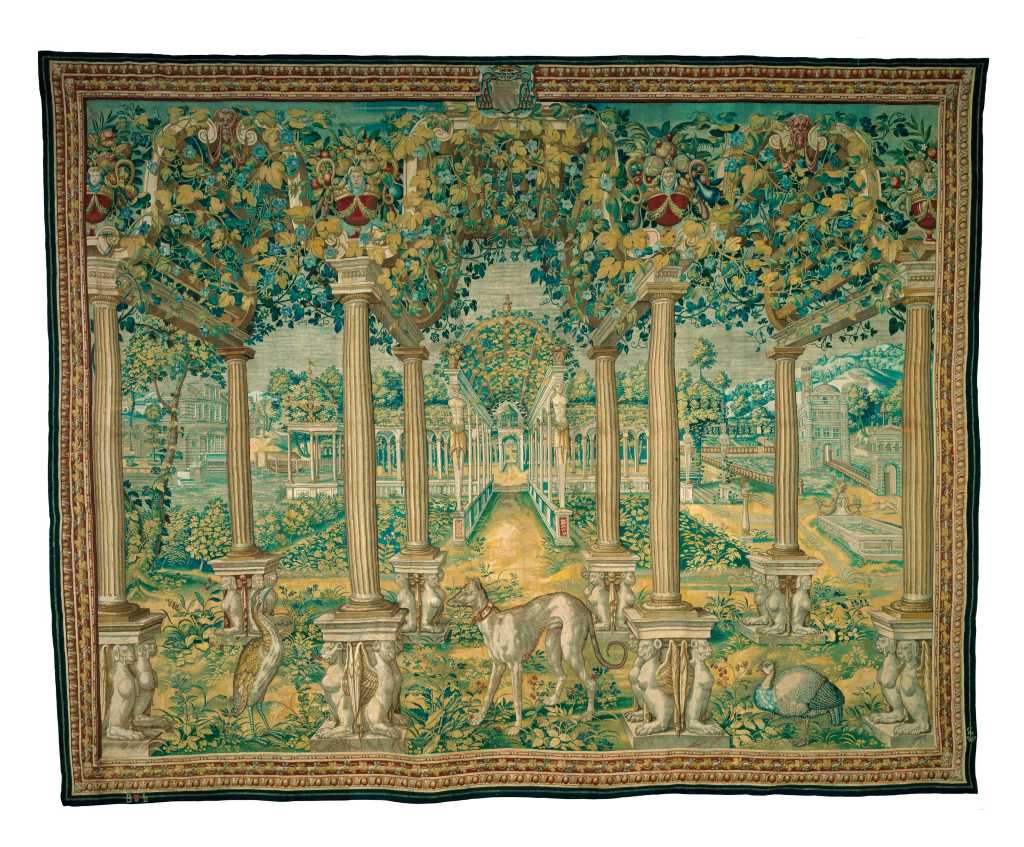
Gardens of the Renaissance: Art, Power, and Science
In the Renaissance, gardens were more than just decorative spaces; they symbolized power, intellect, and artistic mastery. Designed with geometric precision, they reflected humanity’s desire to tame and structure nature. However, as gardens changed with the seasons, rulers and patrons sought to immortalize their beauty in art—particularly in monumental tapestries woven with gold and silk.
One of the most impressive examples of this tradition is the garden tapestry series commissioned by Cardinal Granvelle. A leading statesman of the Habsburg court, Granvelle was also a passionate art collector. His collection, among the most extensive of the sixteenth century, included numerous works celebrating gardens, nature, and classical antiquity. These masterpieces, originally displayed in Granvelle’s Brussels palace, are now housed in the Kunsthistorisches Museum in Vienna. For this exhibition, they have returned to Mechelen, the city where Granvelle served as its first Archbishop.
The Highlights of the Exhibition
The Eternal Spring exhibition is structured around five key themes that explore the relationship between gardens, art, and human creativity:
- Granvelle’s World: Examining his dual role as a statesman and art patron, the exhibition sheds light on his influence in shaping Renaissance aesthetics.
- The Influence of Antiquity: Inspired by Roman texts, Renaissance gardens featured classical sculptures, rare plants, and intricate fountains.
- Gardens in Art: Paintings, prints, and tapestries depict idealized landscapes, showcasing both botanical beauty and human ingenuity.
- Art and Science: The Renaissance saw a surge in scientific curiosity, with artists and scholars studying exotic plants and animals from newly explored territories.
- Symbolism in Gardens: Renaissance gardens were often allegorical, representing themes of knowledge, harmony, and control over nature.
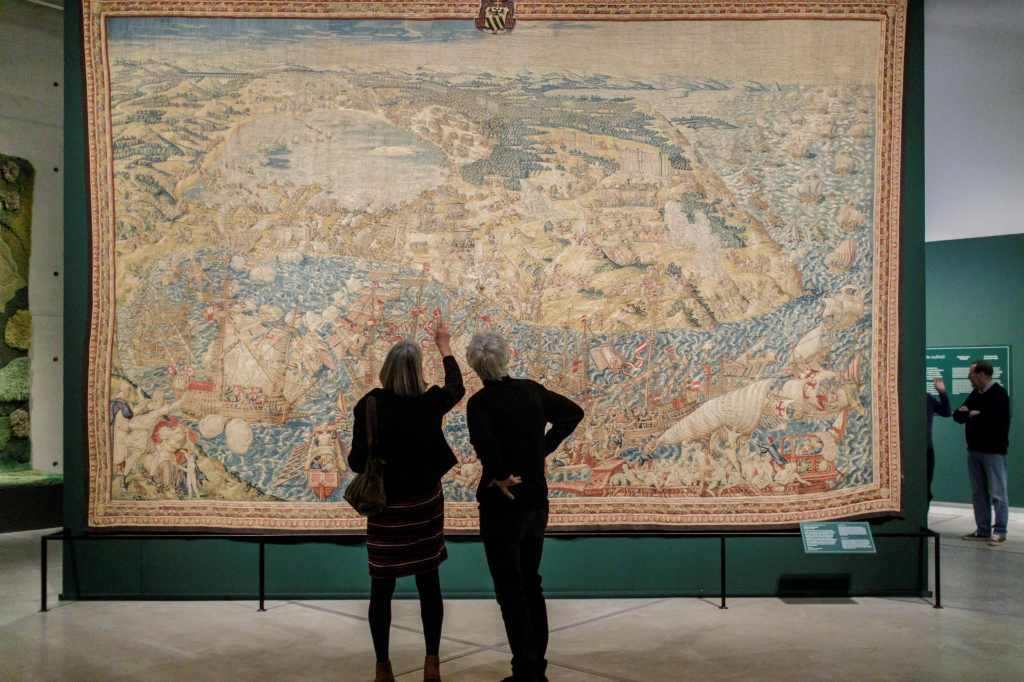
(Willem de Pannemaker), credit Eeuwige Lente
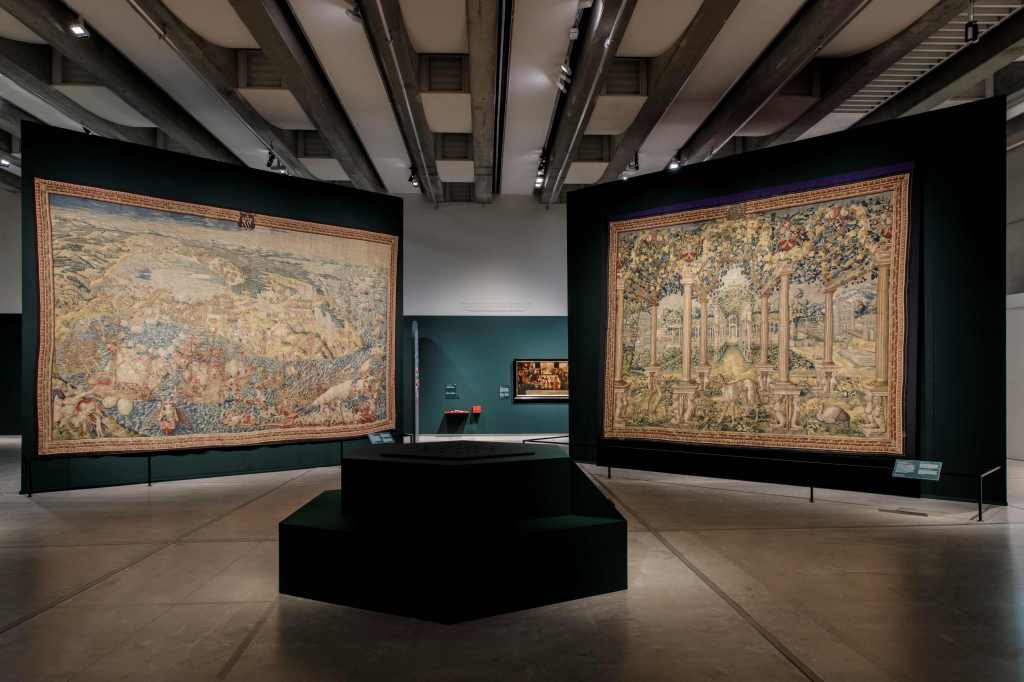
credit Eeuwige Lente
The exhibition also features The Battle of Tunis, another of Granvelle’s monumental tapestries depicting Emperor Charles V’s military campaigns, highlighting how tapestries functioned as both art and historical record. The exhibition goes beyond history, engaging with modern environmental concerns. Works by contemporary artists, including Nick Hannes and Alexandra Kehayoglou, challenge visitors to reconsider human intervention in nature. Hannes’ photographs depict artificial landscapes, while Kehayoglou’s wool tapestries, inspired by Argentina’s disappearing grasslands, stand in contrast to the rigid symmetry of Renaissance gardens. By merging past and present, Eternal Spring not only celebrates the beauty of Renaissance tapestries but also encourages reflection on how we interact with nature today.
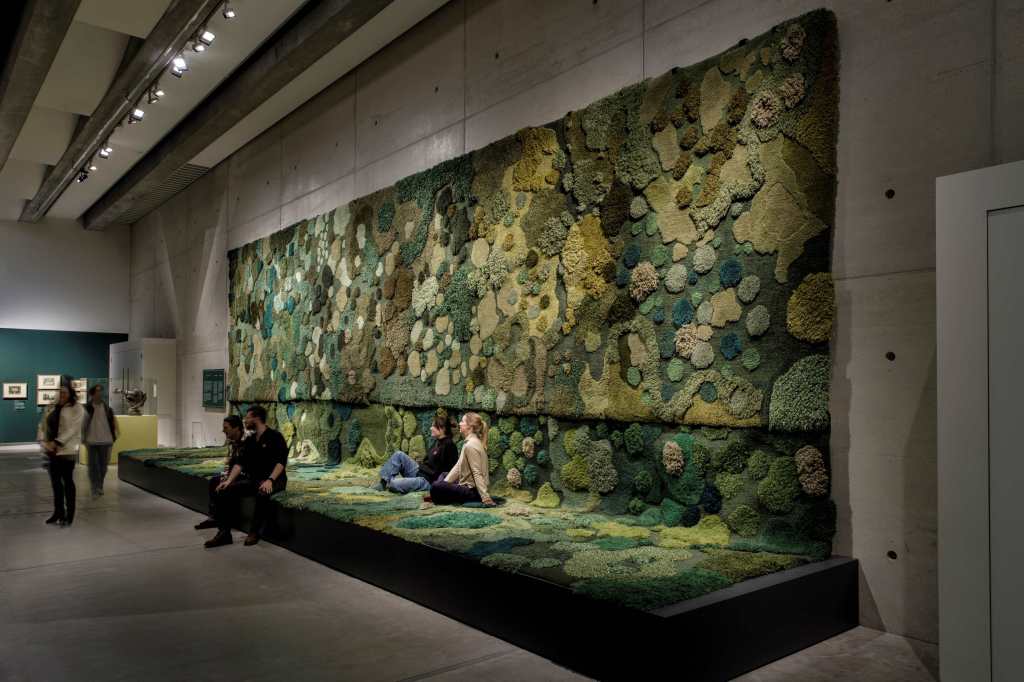
collection Dries Van Noten credit Eeuwige Lente
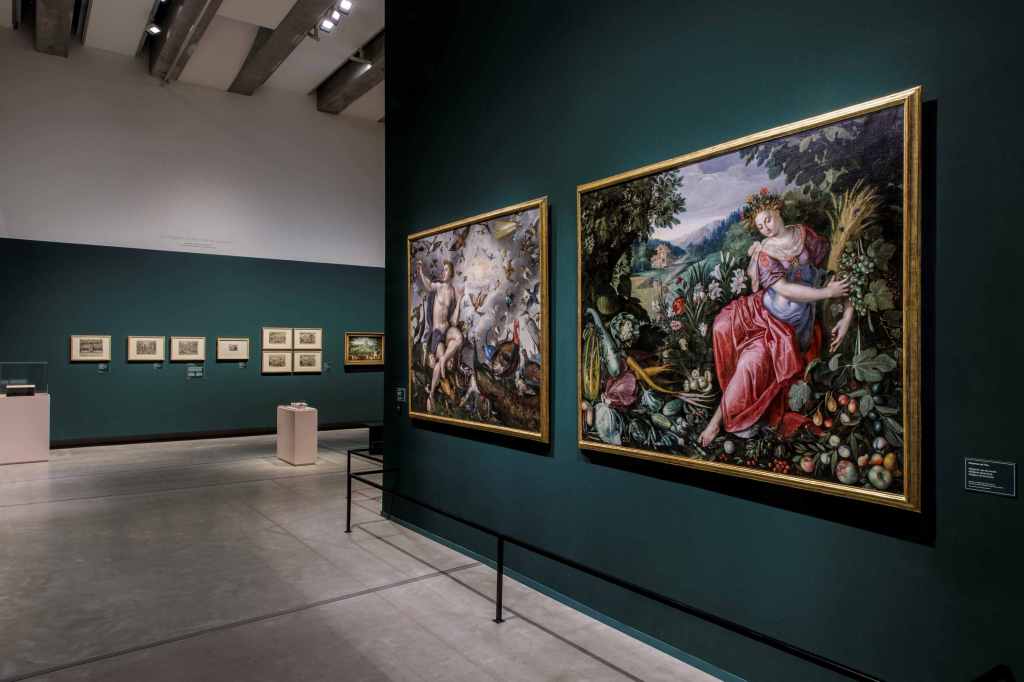
credit Eeuwige Lente
A Unique Cultural Experience
With masterpieces from Vienna, Paris, Madrid, and Antwerp, this exhibition is an unmissable event for art lovers, history enthusiasts, and those captivated by the relationship between humans and nature. Running until March 16, 2025, at the Museum Hof van Busleyden, it offers a rare chance to witness these magnificent works reunited after 500 years.