In a world increasingly aware of its fragile ecological balance, Phaidon’s new volume Tree: Exploring the Arboreal World offers both a timely meditation and a dazzling visual celebration of one of the planet’s most vital life forms. The beautifully crafted book combines art, science, history, and culture into a single, expansive tribute to trees.
This is not merely a botany book. Curated by the Phaidon Editors with an introduction by Tony Kirkham MBE, VMH—former Head of the Arboretum at the Royal Botanic Gardens, Kew—Tree unfolds as a curated cultural and visual survey, spanning 3,500 years of human fascination with trees.
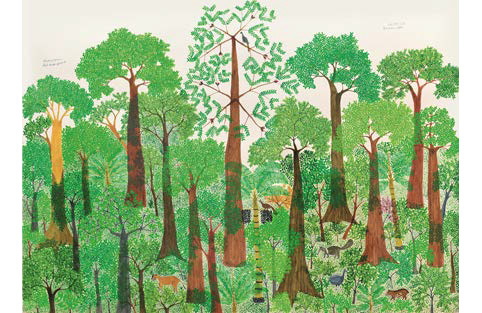
credit Abel Rodríguez and Instituto de Visión Photo María Paula Bastidas

Through more than 300 entries and 316 vivid colour illustrations, Tree weaves together stories and images that cross continents and centuries. From ancient Egyptian carvings to modern botanical art, from 19th-century lithographs to contemporary jewellery design, each page juxtaposes works in ways that surprise and enlighten. A 16th-century fig branch painting by Jacopo Ligozzi might face a minimalist sculpture, while a medicinal bark sample might appear beside a botanical engraving or a Buddhist Bodhi tree depiction.
The editorial team collaborated with an international panel of scientists, art historians, arborists, and curators, including names such as Dr. Diana Beresford-Kroeger, Fred Breglia, and Anna Pavord, ensuring academic depth alongside visual delight. Notable contributions from artists like Ansel Adams, Andy Goldsworthy, Yayoi Kusama, Vincent van Gogh, and Marianne North further enrich the visual journey.
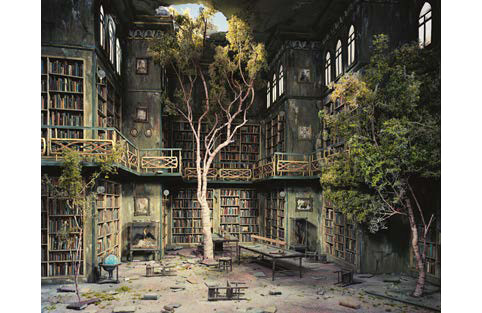
credit the Lori Nix and Kathleen Gerber
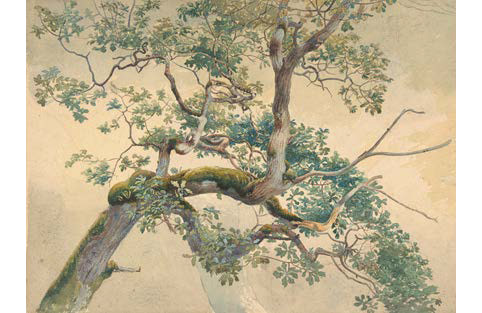
credit Metropolitan Museum of Art
Each entry is accompanied by accessible, engaging commentary, offering background on the work and the tree species involved. These concise texts illuminate how trees have inspired centuries of creativity, spiritual reflection, scientific inquiry, and environmental advocacy.
The book concludes with a timeline, glossary, artist biographies, and a reading list, making it not only a compelling object to behold but also a resource for deeper exploration. The layout invites readers to wander as they would through a forest, finding beauty, knowledge, and the unexpected along the way.
As Tony Kirkham writes in the introduction: “Every breath we take is possible in large part because of trees.” This sentiment underpins the book’s broader message: in celebrating trees, we also recognise the urgent need to protect them.
Tree is more than a book—it’s a global cultural homage to nature’s towering symbols of endurance, wisdom, and beauty. It will appeal to artists, botanists, designers, conservationists, and anyone who finds inspiration beneath a canopy of leaves.

 The Flora Journal