The Naturalistic Museum of the Dolomiti Bellunesi National Park, located in the heart of Belluno, Italy, has reached a significant milestone in scientific recognition: its herbarium has been officially included in the prestigious Index Herbariorum, a global directory maintained by the New York Botanical Garden. This index lists 3,864 herbaria worldwide and houses data on approximately 400 million preserved plant specimens, offering researchers a valuable tool for botanical research and biodiversity conservation.
credit Dolomiti Bellunesi National Park
credit Dolomiti Bellunesi National Park
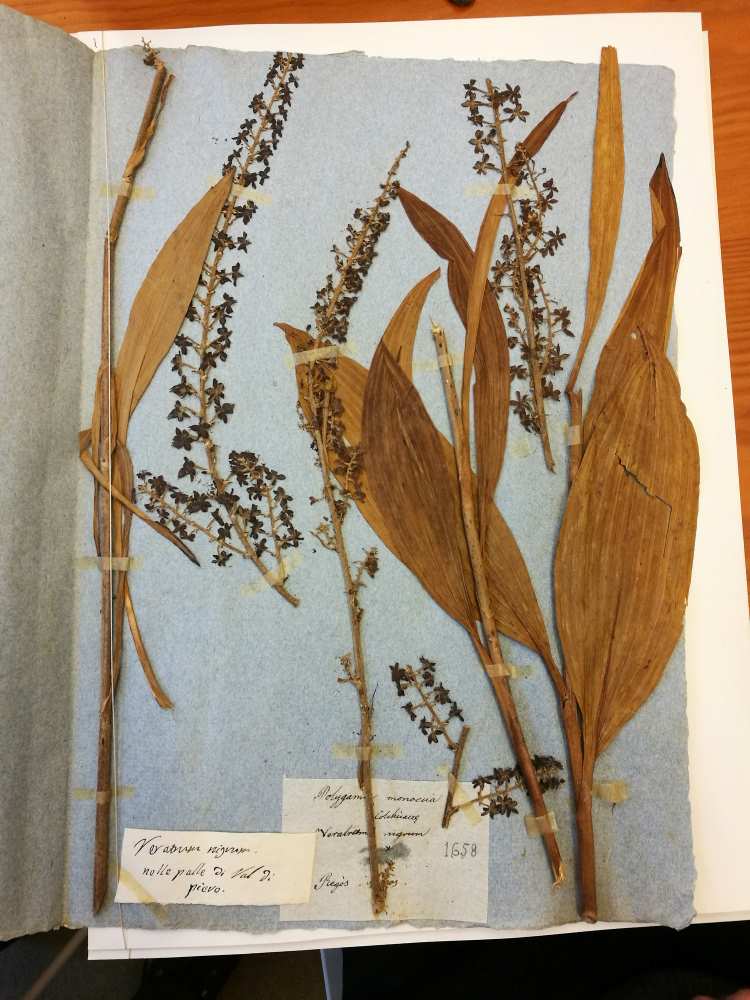
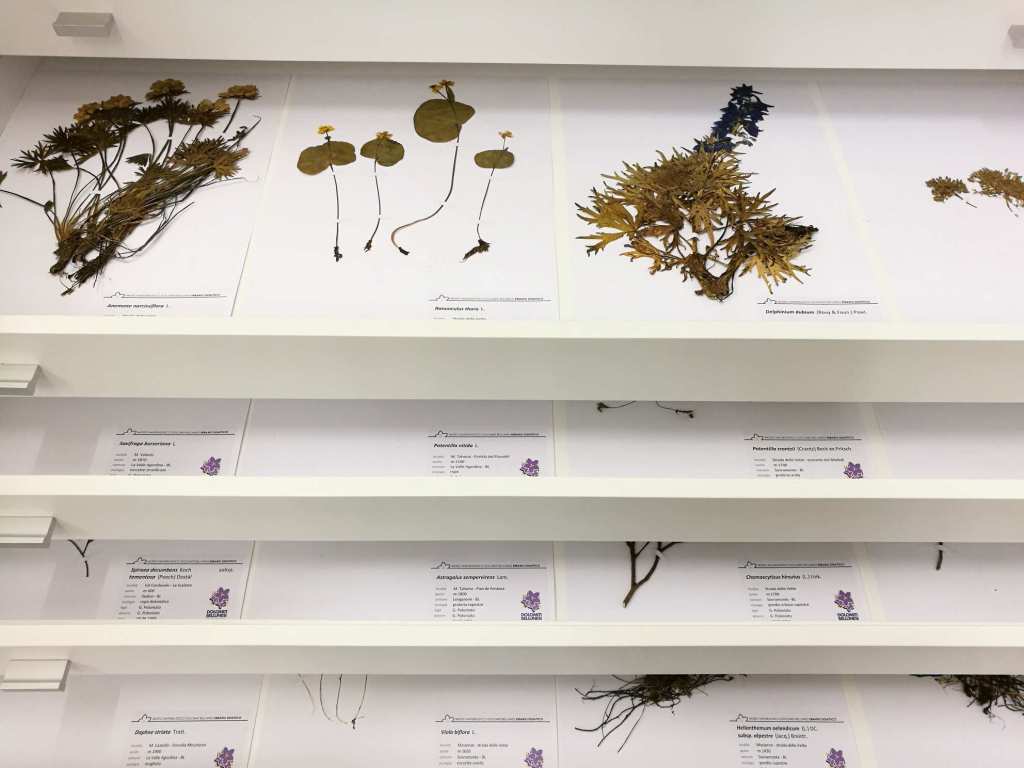
Housed in a former fire station in Piazza Piloni, the museum is managed by the park authority and contains around 26,500 botanical specimens. This collection represents decades of work by notable local botanists. The largest component—approximately 20,000 specimens—belongs to Cesare Lasen, a renowned geobotanist and the first president of the Dolomiti Bellunesi National Park. The museum also safeguards two historically significant collections: the 19th-century herbarium of Alessandro Francesco Sandi and the mid-20th-century specimens gathered by Francesco Caldart.
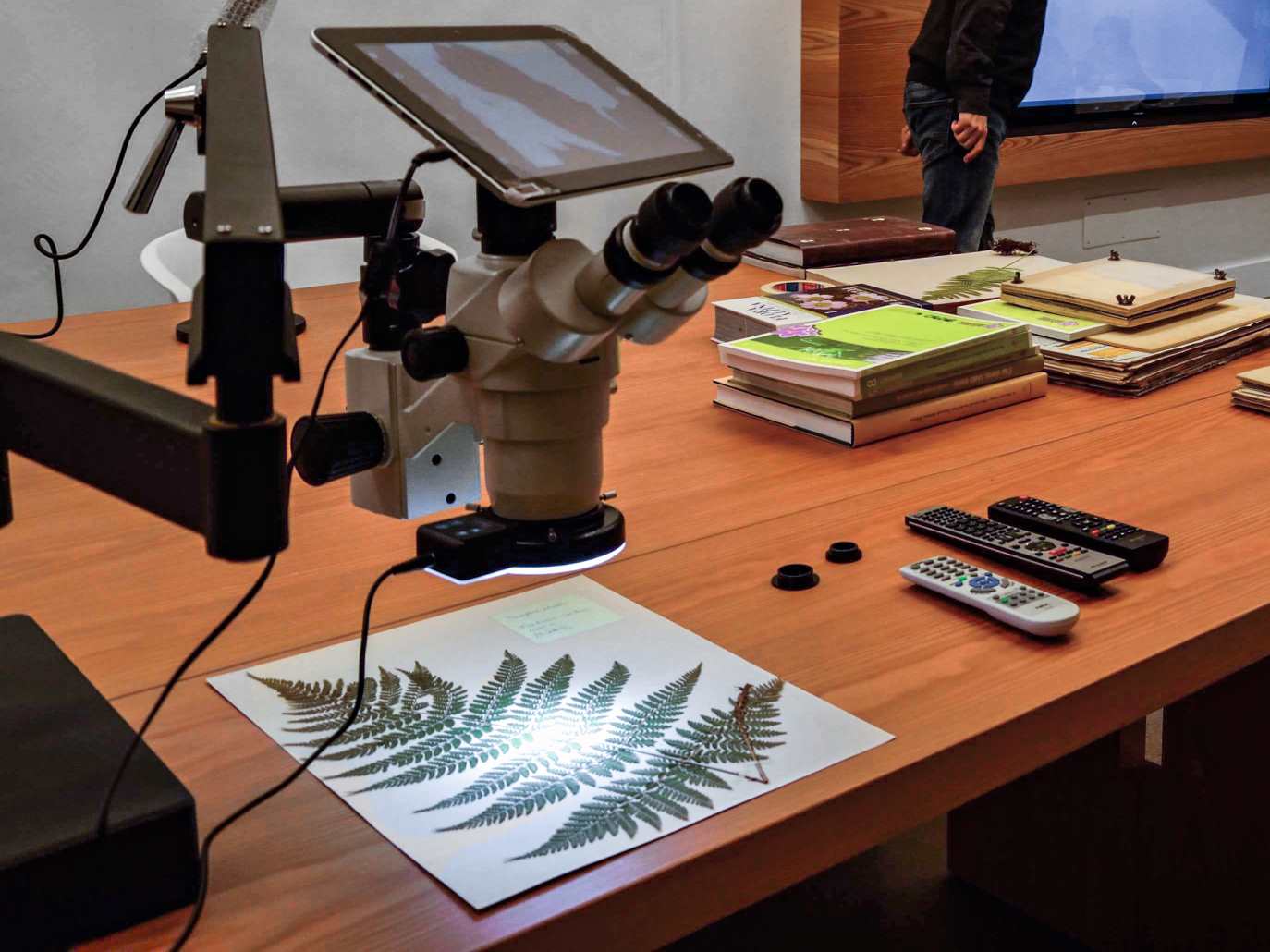
Herbaria such as this serve as time capsules, preserving dried plant samples that document biodiversity over centuries. They play a vital role in systematics, floristic research, ecology, and climate change studies. As such, the museum’s inclusion in the Index Herbariorum marks a pivotal step in broadening its scientific reach and fostering international collaboration.
credit Dolomiti Bellunesi National Park

credit Dolomiti Bellunesi National Park
“This museum is a key asset to our scientific work,” stated Ennio Vigne, Commissioner of the Park. “It also symbolizes the fruitful collaboration between public and private institutions. Many of these collections are on loan from the Municipality of Belluno and the Cariverona Foundation, ensuring their preservation and accessibility.”
Sonia Anelli, Director of the Park, emphasized the museum’s educational and environmental value. “These collections offer unique insights into alpine plant life and the impact of climate change over the last 150 years. They also serve as a potential germplasm bank and a perfect setting for environmental education activities with children and students.”
In addition to its scientific role, the museum is open to the public every Monday from 3:00 to 5:00 p.m., with free admission. Guided tours can also be arranged for school groups by appointment.
The Naturalistic Museum’s integration into a global network underscores its importance not only as a regional archive but also as a resource of international value. It stands as a testament to the Dolomiti Bellunesi’s commitment to conservation, research, and education—cementing its place on the world stage of botanical science.

