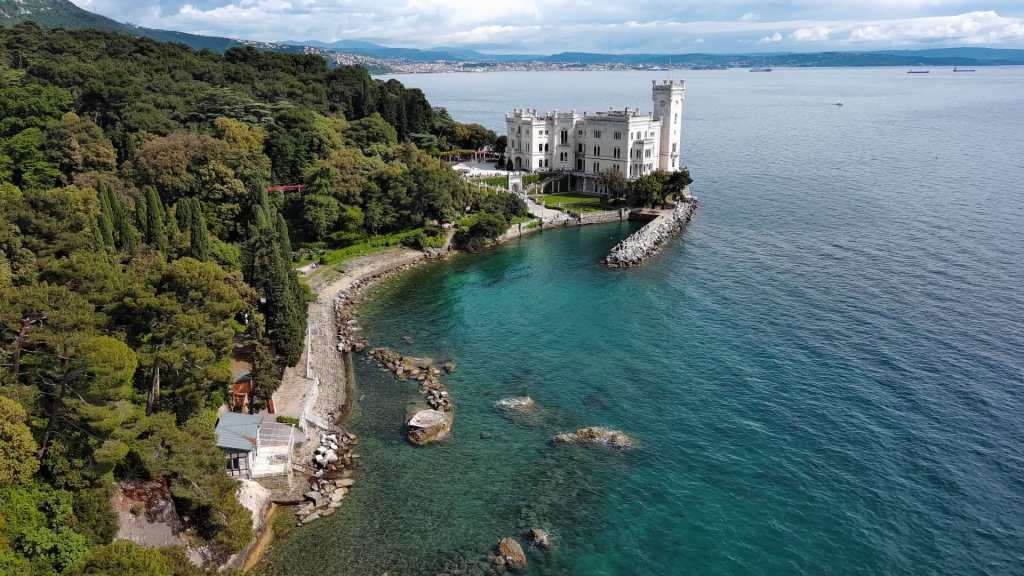
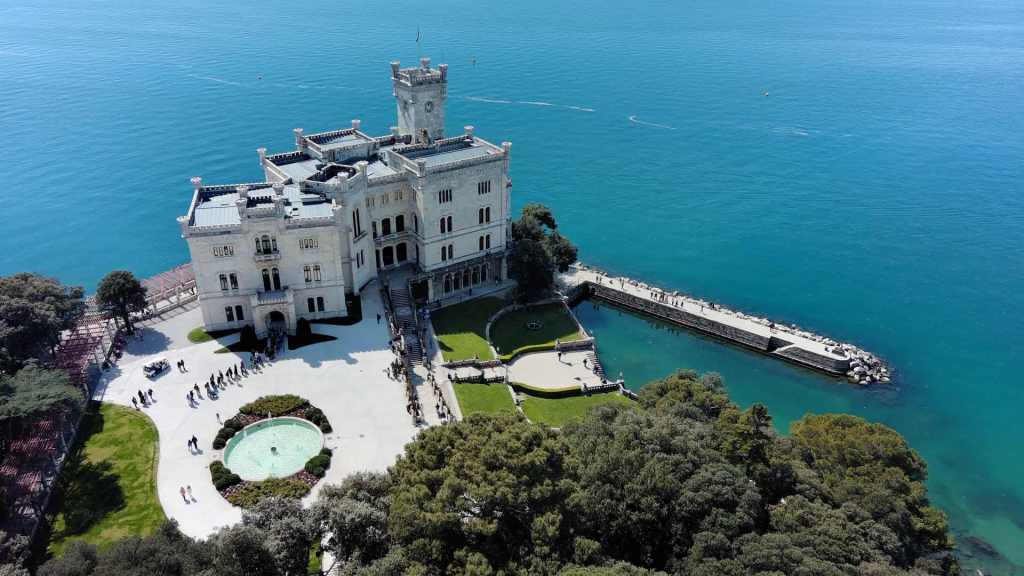
‘I giardini di Miramare. Da parco eclettico a museo verde‘ (Miramare Gardens: from Eclectic Park to Green Museum), published by Leo S. Olschki Publisher and written by Andreina Contessa, is a fascinating book that explores the history, restoration, and cultural significance of the Miramare Gardens in Trieste, Italy. These gardens, designed between 1856 and 1862 by Archduke Ferdinand Maximilian of Habsburg for himself and his wife, Charlotte of Belgium, are a masterpiece of 19th-century European landscape design. Perched on a dramatic karst promontory overlooking the Adriatic Sea, the Miramare estate reflects both imperial grandeur and a private vision of beauty.
This book summarises the results of research conducted between 2017 and 2025, alongside the recent large-scale restoration project that has revitalised the site. Beyond documenting the work, the volume situates Miramare within the broader context of European gardens, international aristocratic networks, and the 19th-century passion for botany and scientific exploration. It highlights an era when plant collecting, seed exchange, and global curiosity transformed gardens into living encyclopedias of biodiversity.
The Miramare Gardens are eclectic and experimental, combining the romantic aesthetics of landscape parks with formal garden elements. Terraces descend scenically toward the sea, creating a theatrical backdrop for a botanical collection of global origin. This cosmopolitan character reflects the adventurous spirit of its founders and the cultural openness of Trieste during the Habsburg era.
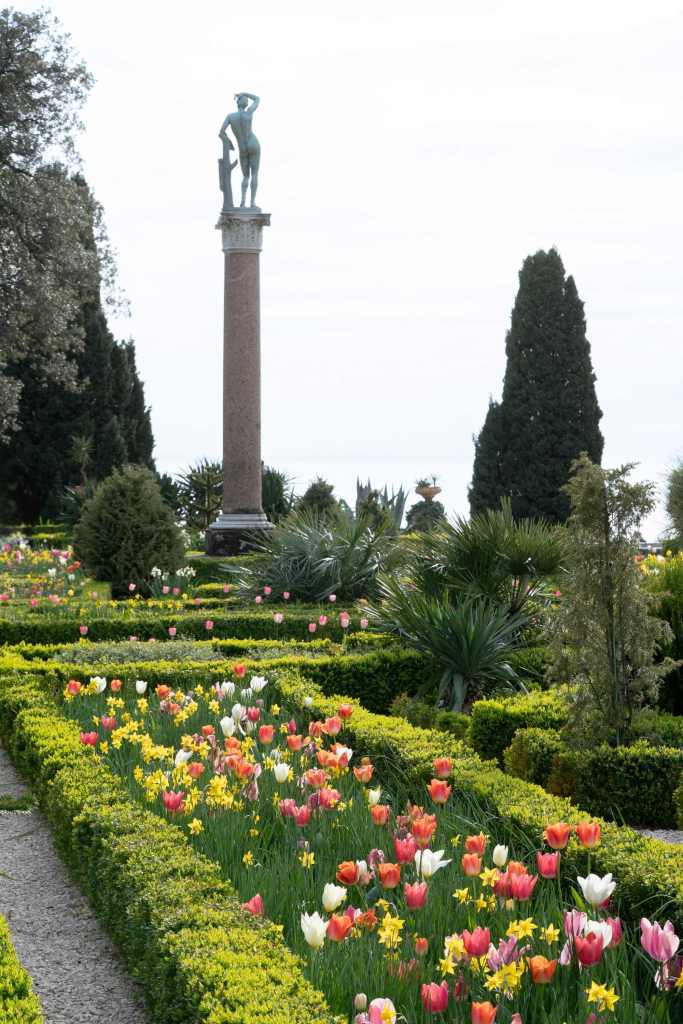
credit F.Parenzan
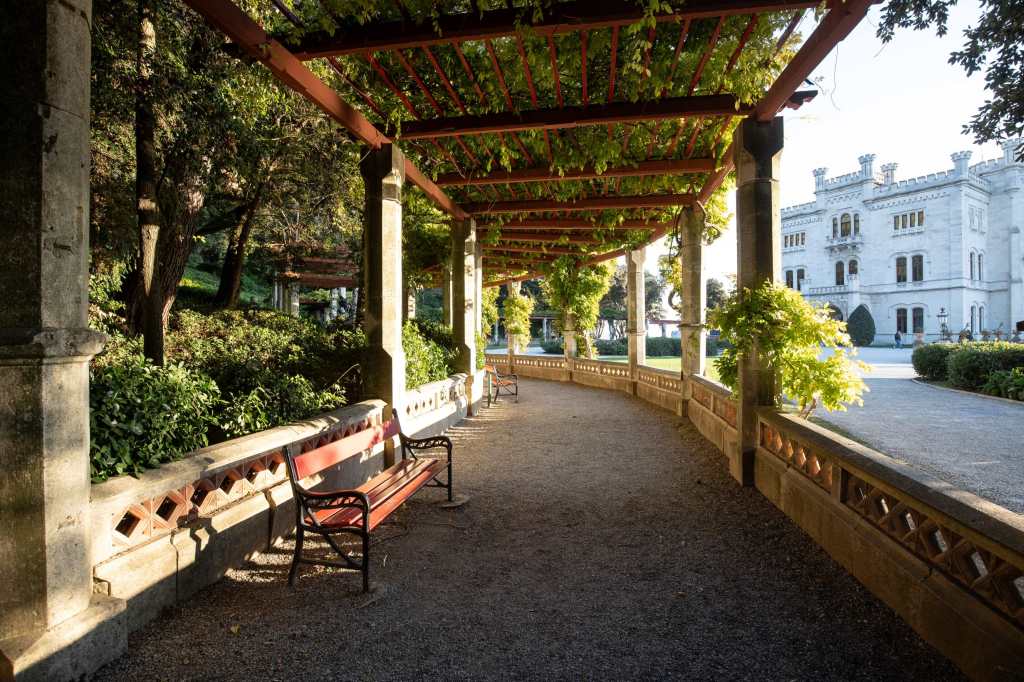
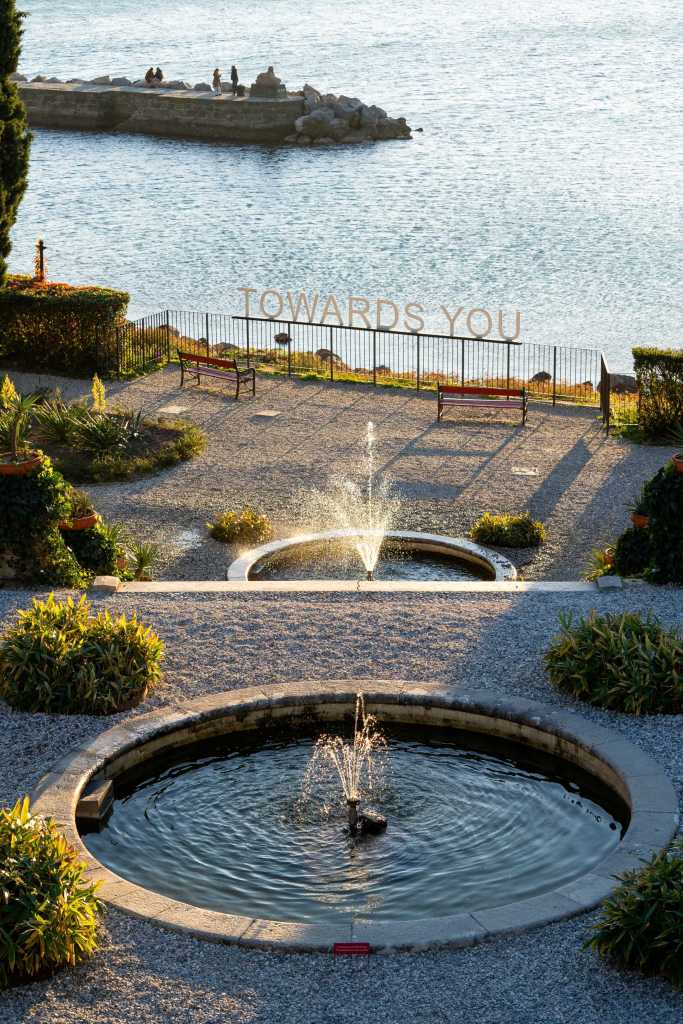
credit F.Parenzan
Today, Miramare is not just a historic landmark but a sustainable “green museum,” hosting contemporary art and cultural events while promoting ecological awareness. The site remains a space for contemplation, education, and enjoyment, bridging the past with the future.
Richly researched and beautifully presented, the book is essential reading for garden historians, landscape architects, and anyone passionate about heritage preservation. It celebrates a place where nature, art, and history converge in a unique and timeless dialogue.
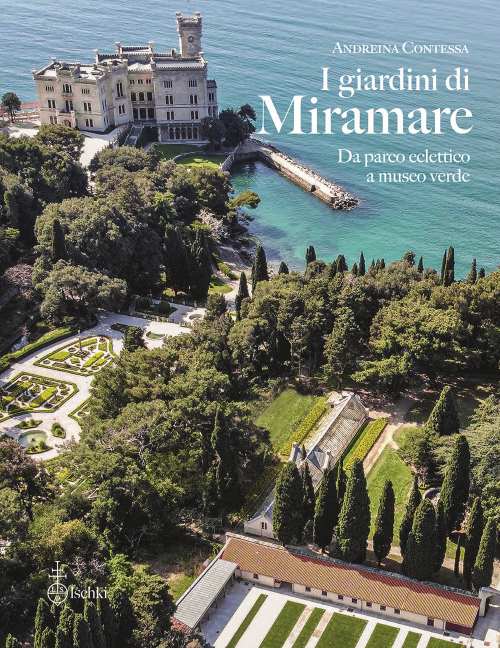
credit Leo S. Olschki Publisher

