From the origins of Impressionism to the radical experiments of early modern art, ‘Impressionism and Modernity‘, Monet, Van Gogh, Picasso, Kandinsky, Magritte. Masterpieces from the Kunst Museum Winterthur, in Switzerland opens at Casa Cavazzini in Udine, Italy as one of the most ambitious international exhibitions of 2026. On view from 30 January to 30 August, the exhibition brings together 84 masterpieces from the renowned Kunst Museum Winterthur, offering an exceptional overview of more than half a century of artistic innovation.
The exhibition is organized by the Region of Friuli Venezia Giulia in collaboration with PromoTurismoFVG, the Municipality of Udine and MondoMostre, and is curated by David Schmidhauser, Head Curator of the Kunst Museum Winterthur, together with Vania Gransinigh, curator of the Civic Museums of Udine and Casa Cavazzini. At its core is one of the most significant collections of modern art in Europe, presented through a carefully structured narrative that traces the emergence of artistic modernity from the late nineteenth century to the period between the two World Wars.
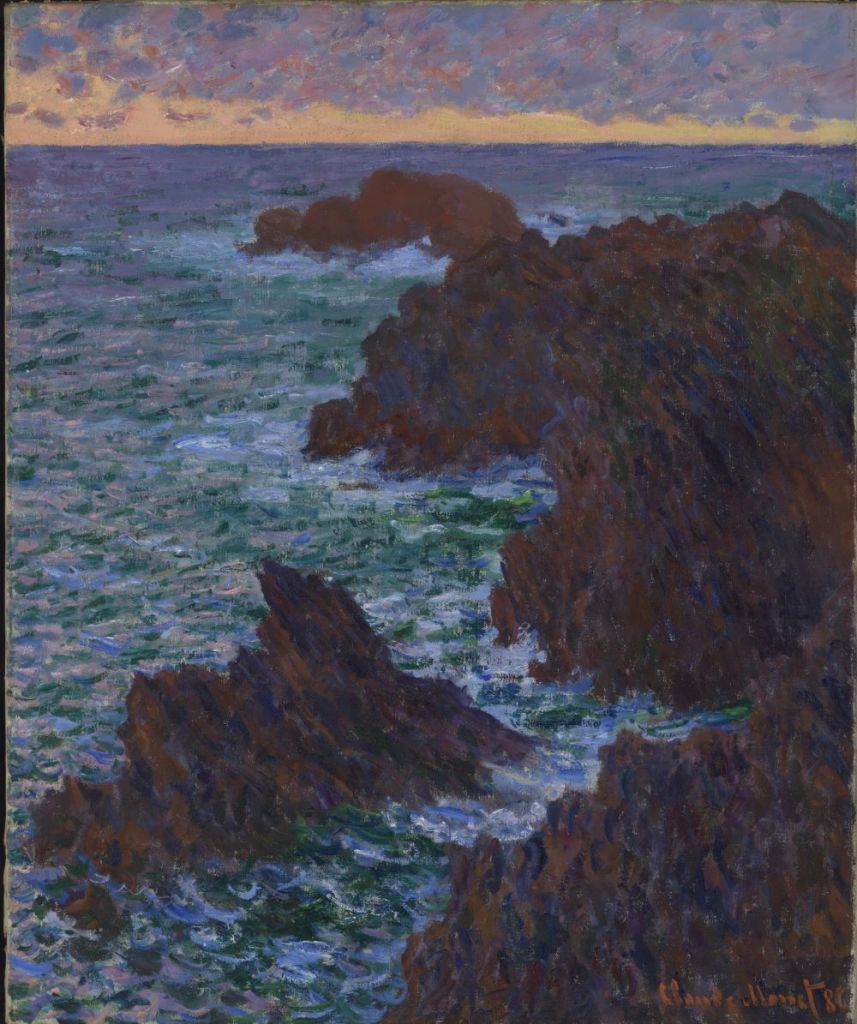
credit Kunst Museum Winterthur
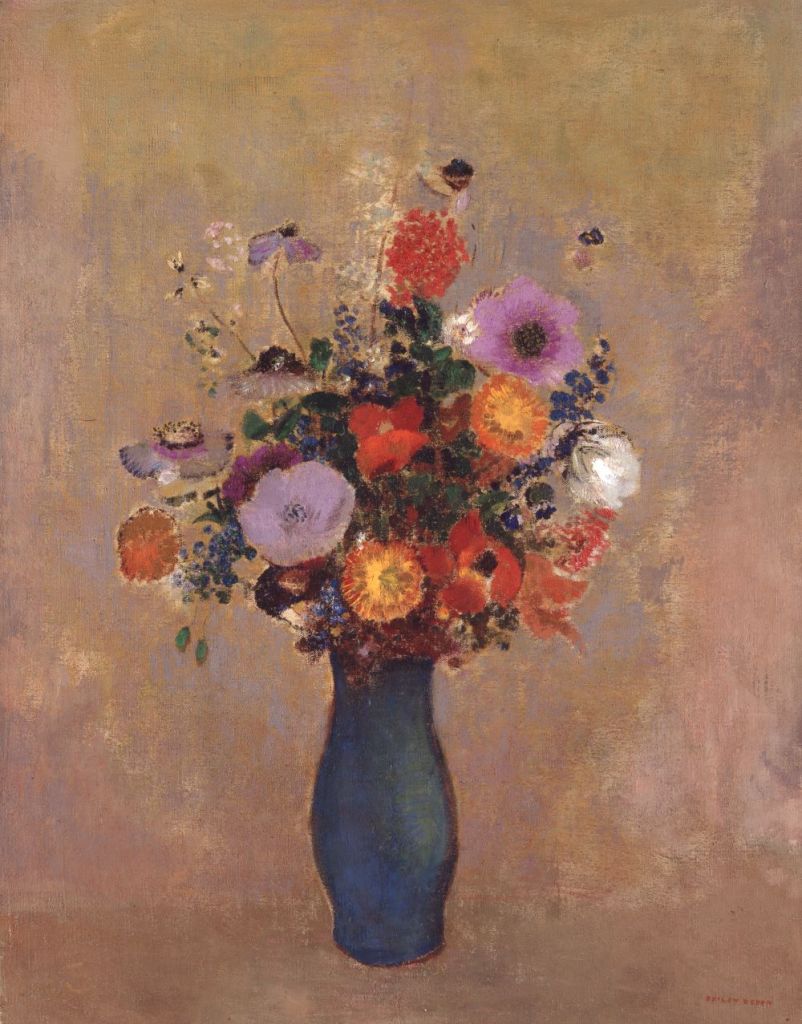
credit Kunst Museum Winterthur
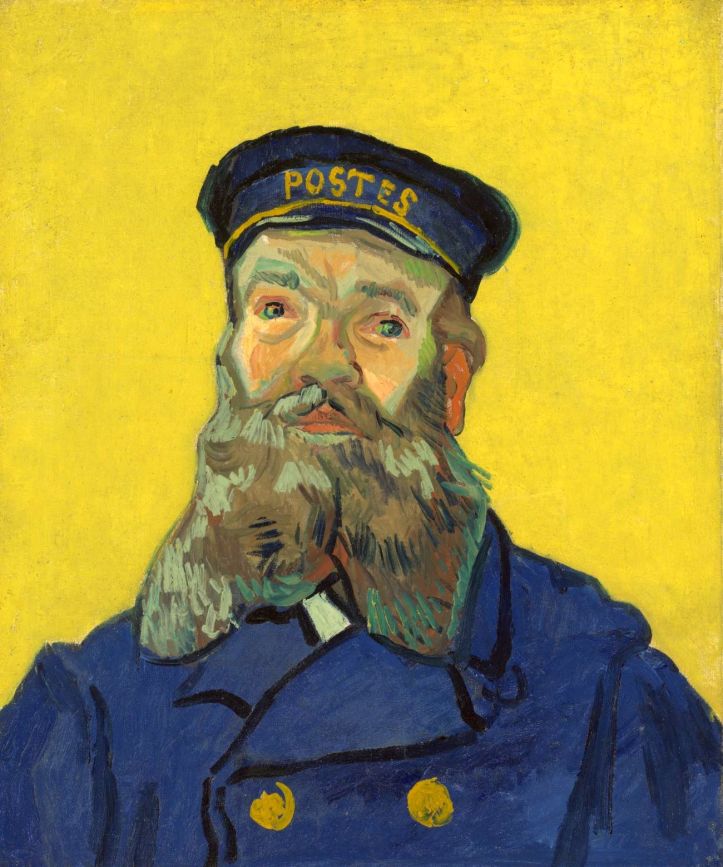
credit Kunst Museum Winterthur
The journey begins with Impressionism, the movement that decisively broke away from academic conventions. Artists such as Claude Monet, Camille Pissarro and Alfred Sisley shifted their attention to everyday life, landscapes and fleeting impressions, placing light, color and atmosphere at the center of their work. Vincent van Gogh’s powerful and intensely expressive paintings expand this legacy, introducing a new emotional and material dimension that points toward the future of modern art.
From here, the exhibition moves into Post-Impressionism, represented by figures such as Pierre Bonnard, Édouard Vuillard and Maurice Denis, who redefined the painting as an autonomous surface governed by composition and color rather than naturalistic depiction. This period runs parallel to the development of Cubism, with works by Pablo Picasso and other protagonists of the movement that revolutionized visual language by fragmenting and reconstructing reality through geometric forms.
A substantial section is devoted to Surrealism, a movement shaped by an interest in dreams, the unconscious and imagination. In the works of René Magritte, Max Ernst, Yves Tanguy and Giorgio de Chirico, reality is transformed into enigmatic and often unsettling visions, opening painting to symbolic and metaphysical dimensions.
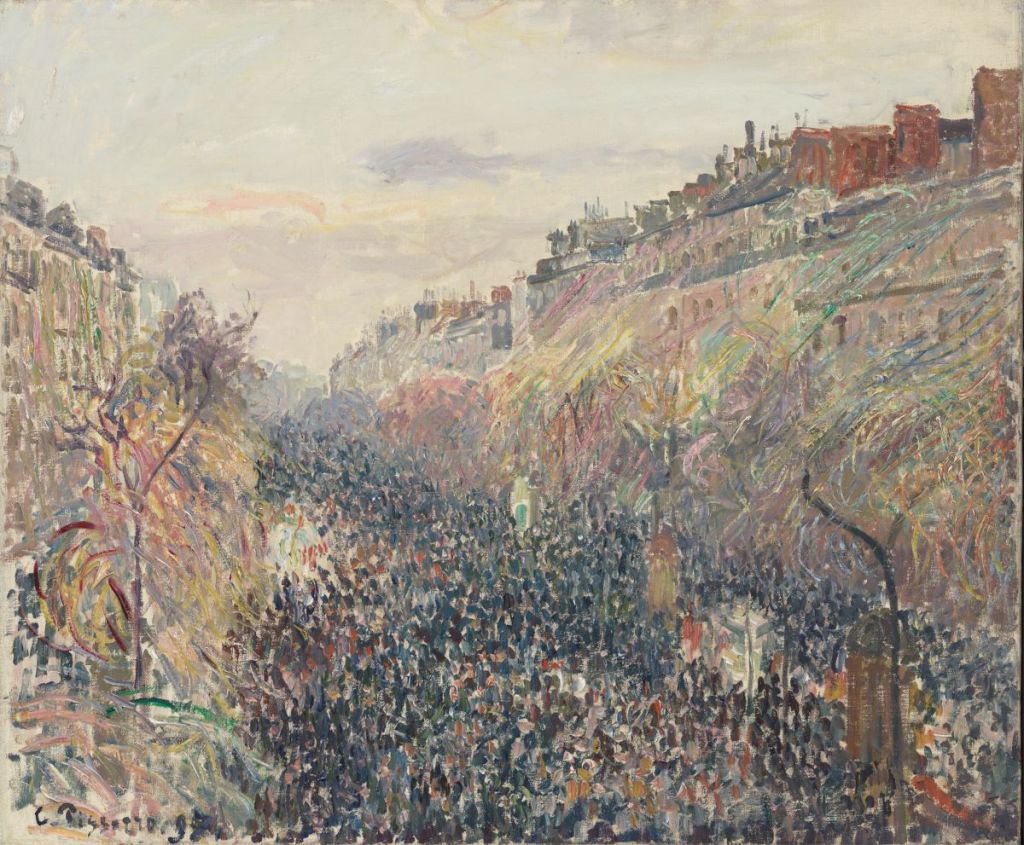
credit Kunst Museum Winterthur
credit Kunst Museum Winterthur
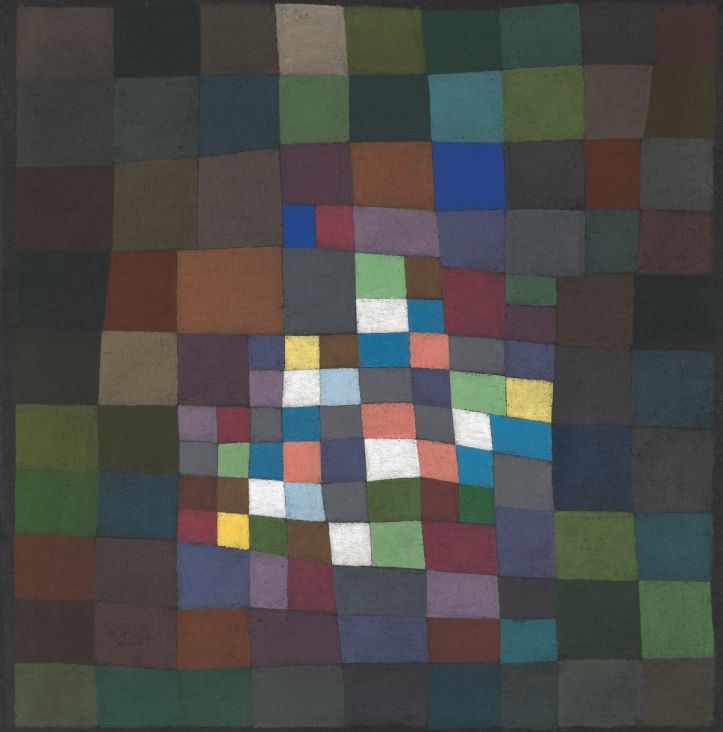
The final part of the exhibition focuses on abstraction, highlighting its diverse paths. Geometric abstraction, exemplified by Piet Mondrian and the De Stijl movement, seeks balance, rhythm and order through pure form and color. Alongside this rational approach, artists such as Vasilij Kandinsky, Paul Klee and Sophie Taeuber-Arp develop a more organic and poetic abstraction inspired by natural processes, movement and transformation. Sculpture plays a key role throughout, from Auguste Rodin and Constantin Brancusi to the abstract biomorphic works of Hans Arp, which bring the exhibition to a close.
Accompanying the exhibition is a scholarly catalogue published by Moebius, which expands on the curatorial narrative through critical essays and detailed reproductions of the works on display, offering an essential reference for both specialists and art enthusiasts.
Through the collaboration between major institutions and partners such as MondoMostre and the Kunst Museum Winterthur, Impressionism and Modernity positions Udine and Casa Cavazzini firmly within the international circuit of major art exhibitions, offering audiences a rare opportunity to engage directly with the masterpieces that shaped the modern vision.
 The Flora Journal