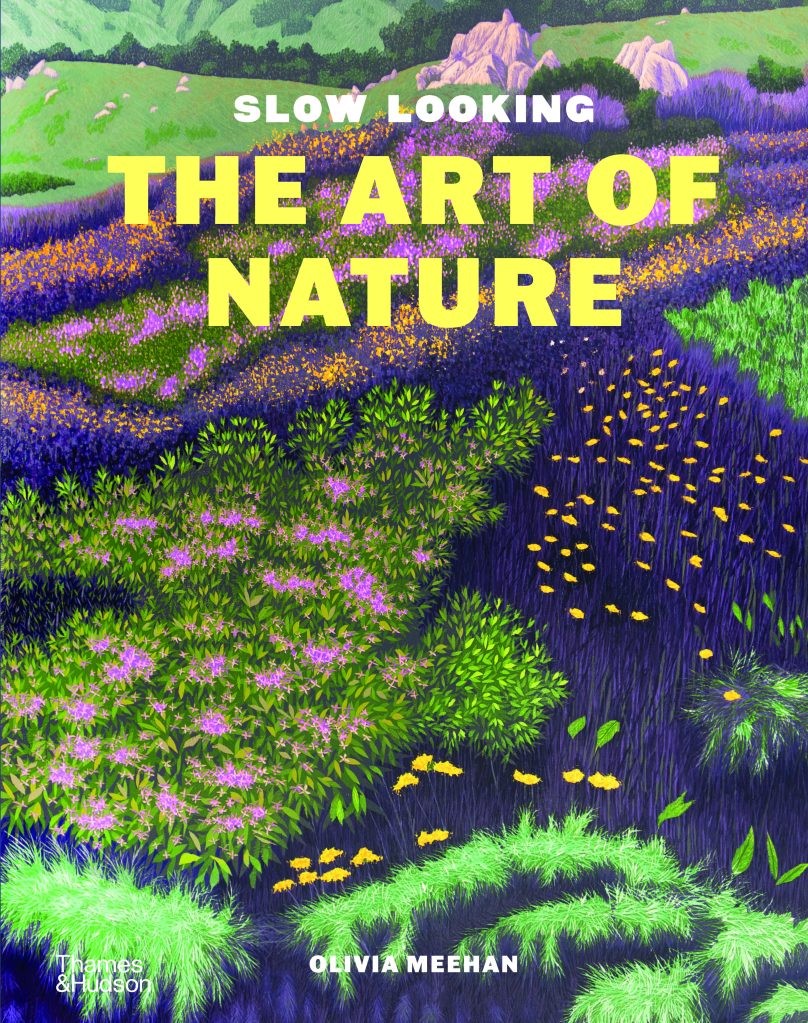
‘Slow Looking: The Art of Nature‘ written by art historian, Dr. Olivia Meehan, , published by Thames & Hudson, is a quietly powerful book that asks readers to reconsider how they see both art and the natural world. In an era dominated by speed, distraction, and endless visual consumption, Meehan offers a countercultural invitation: to slow down, linger, and allow artworks to unfold their meanings gradually through attentive looking.
Rather than following a linear history of art, the book is structured thematically around three elemental chapters: Land, Water, and Sky. This approach encourages intuitive connections across time, geography, and medium, bringing together painting, sculpture, textiles, and decorative arts in unexpected and often revelatory pairings. Works by widely known figures such as Georgia O’Keeffe and Vincent van Gogh appear alongside ancient carvings and lesser-known traditions, reinforcing Meehan’s central idea that humanity’s relationship with nature is both universal and deeply personal.
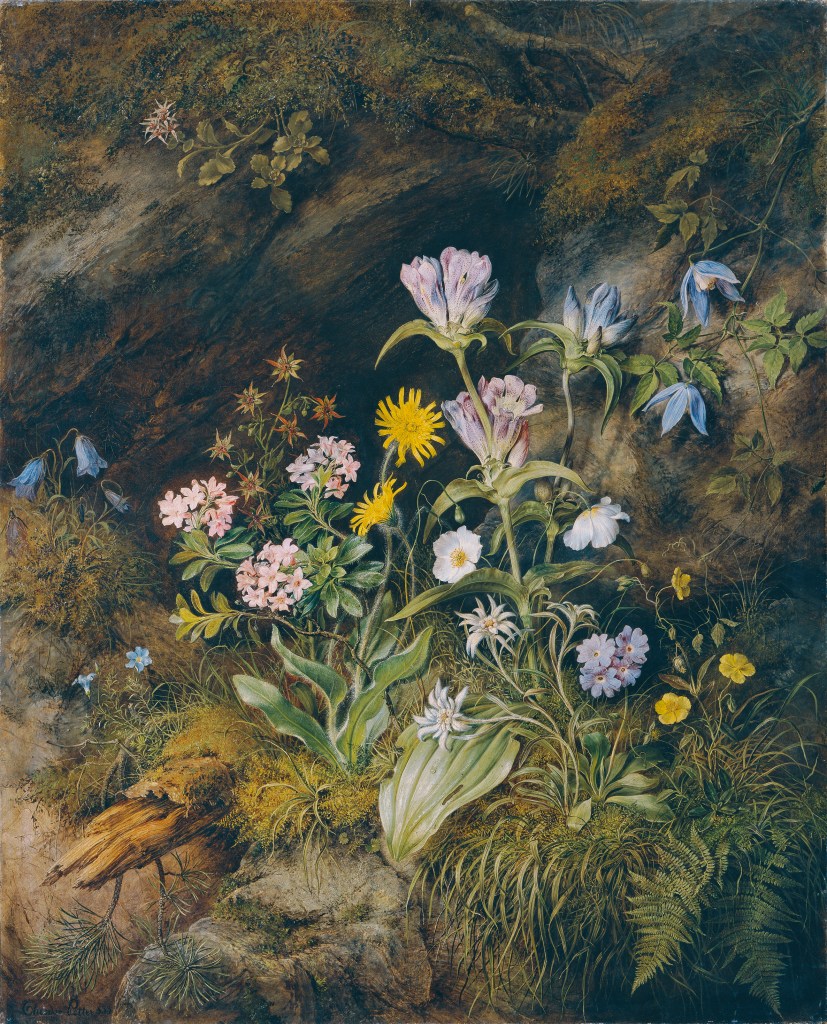
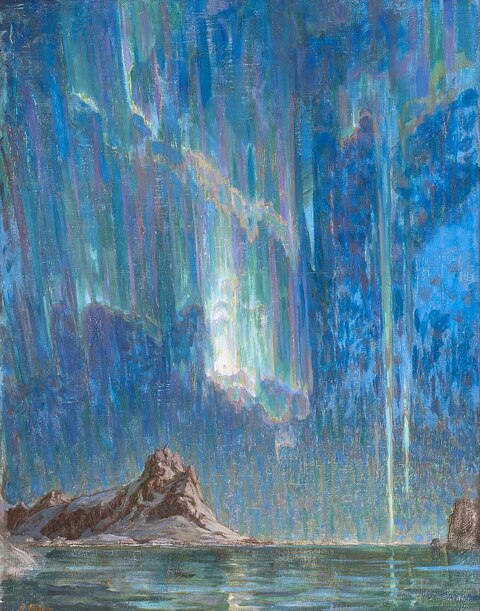
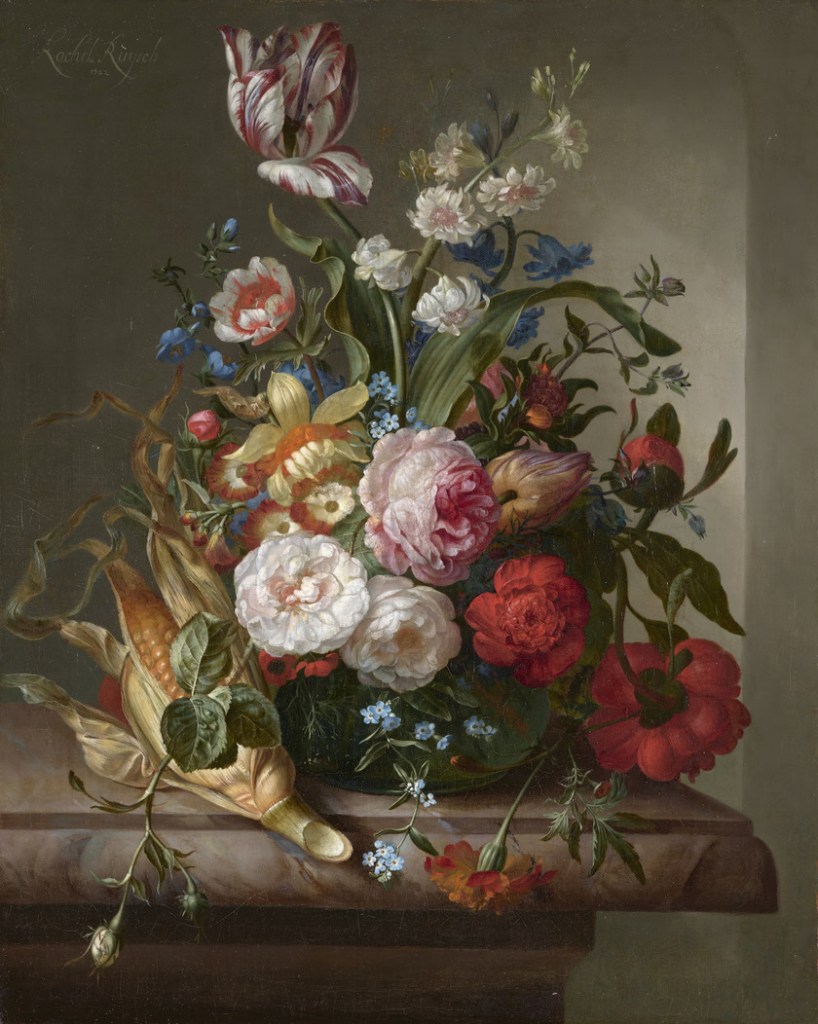
Meehan’s writing is clear, calm, and reflective, never overpowering the images it accompanies. As an art historian trained at the University of Cambridge and with professional experience in major international institutions, she brings scholarly authority to the project, yet the tone remains accessible and inviting. The text does not tell readers what to see; instead, it models a way of seeing. Each page becomes an exercise in attention, prompting the reader to notice recurring motifs, shifts in colour, and subtle emotional resonances between artworks and the natural forms that inspired them.
Visually, the book is sumptuous. With around 300 illustrations, Slow Looking functions as a visual compendium as much as a contemplative guide. The high production values typical of Thames & Hudson enhance the experience, allowing images to breathe on the page and encouraging prolonged engagement rather than rapid scanning. This emphasis on visual clarity reinforces the book’s philosophical stance: looking is not passive, but an active, creative act.
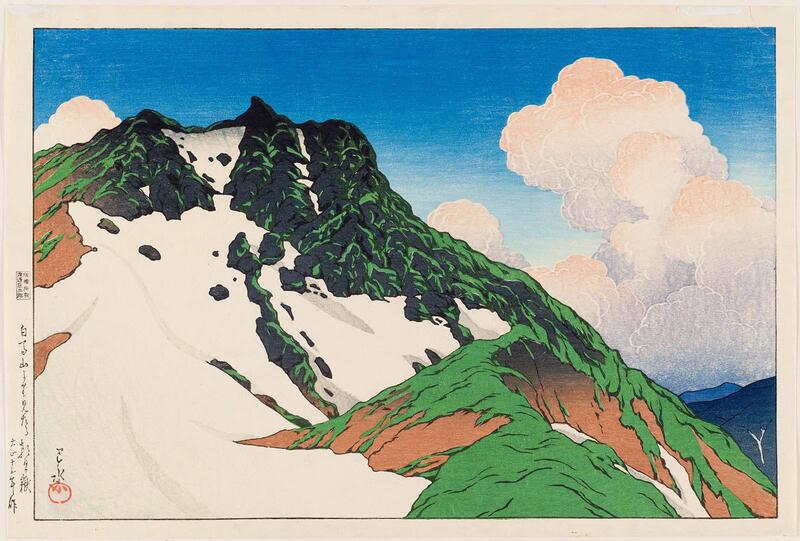
credit Museum of Fine Arts Boston
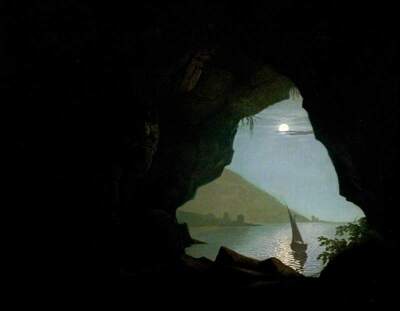
credit Derby Museum and Art Gallery
One of the book’s greatest strengths lies in its ability to bridge art history and mindfulness without becoming didactic. Meehan subtly aligns the practice of slow looking with wellbeing, suggesting that careful observation can be grounding and restorative. The inclusion of essay contributions from writers such as Harriet Baker and Alice Vincent further enriches the book, adding diverse voices that expand on themes of attention, nature, and perception.
Ultimately, ‘Slow Looking: The Art of Nature‘ is not simply a book to read from cover to cover, but one to return to repeatedly. It rewards patience and curiosity, offering new insights with each encounter. Meehan succeeds in reminding us that art and nature are not separate realms, but intertwined experiences, ones that reveal their deepest meanings only when we take the time to truly look.